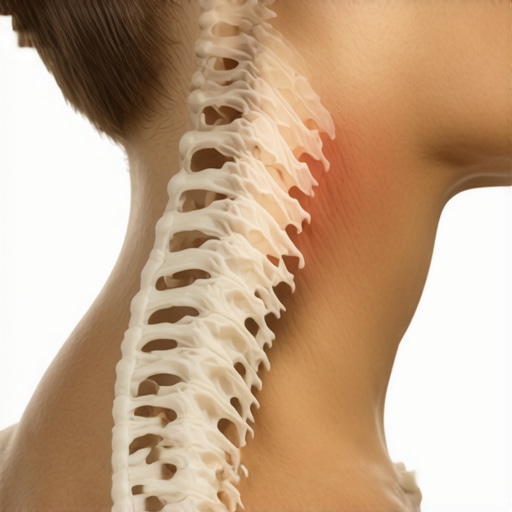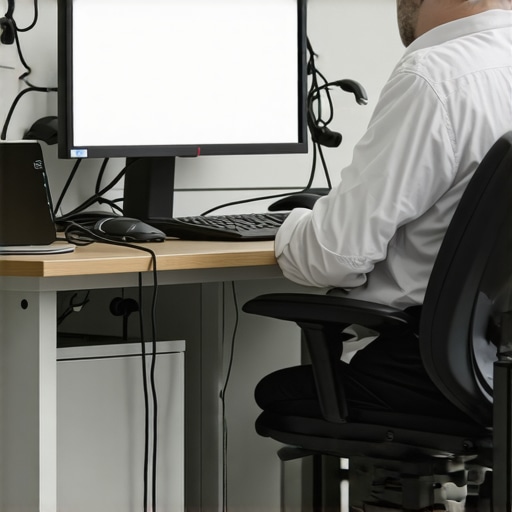
I remember the moment I realized my perfect-looking computer setup might be silently sabotaging my back. It was late one evening, knees aching, neck stiff as a board, and that persistent dull pain creeping up my spine. I had spent months fine-tuning my workspace, convinced I was doing everything right—only to wake up one morning feeling like I’d been hit by a freight train. That’s when I finally saw the light: some of the seemingly small choices I made while setting up my AI-powered desk could be the very reason my back aches in 2026.
The Hidden Dangers Lurking in Your Desk Setup
Many of us are seduced by sleek designs, high-tech gadgets, and the promise of productivity without considering the long-term impact on our spine and overall mobility. But here’s the deal—if your setup isn’t ergonomically sound, even the smartest tech can’t prevent chronic pain or nerve issues like sciatica. I learned this the hard way, having initially thought a high-end chair and a few stretches would do the trick. Instead, I was unknowingly making three common mistakes that could sabotage my spinal health years down the line.
Is Your Tech Obsession Causing More Harm Than Good?
One of the biggest skeptics I hear is, “Surely, I can’t be doing anything wrong with my desk setup; I’m just trying to be efficient.” Well, from personal experience and expert insights, I can say that small missteps—like placing your monitor at an improper height or tucking your pelvis excessively—compound over time, leading to pain, stiffness, and mobility issues. Early on, I overlooked the importance of proper monitor placement, which forced me into a constant neck tilt, eventually leading to persistent neck discomfort. It wasn’t until I read about the link between poor posture and chronic back pain that I understood how every little mistake mattered.
Supporting this, studies suggest that improper ergonomic alignment can increase the risk of musculoskeletal disorders significantly (source: [Understanding the Link Between Poor Posture and Chronic Back Pain](https://bodyrenewtherapy.com/understanding-the-link-between-poor-posture-and-chronic-back-pain)). Recognizing this, I decided it was time to reform my workspace habits—because my spinal health isn’t something I can ignore, especially with the increasing reliance on AI desks.
So, are you facing constant neck strain after hours at your desk? Do your back muscles feel tight or sore, even when you haven’t done any heavy lifting? If so, you’re not alone. And this article is here to help you avoid the pitfalls I fell into. We’ll explore the top mistakes to avoid and, more importantly, how to set up your workspace for lasting comfort and mobility—because your spine deserves the best.
Let’s get started on ensuring your 2026 workspace supports not just productivity but your long-term health, too.
Adjust Your Monitor and Workspace
Start by positioning your monitor at eye level, about 20 inches away from your face. Imagine your neck as a relaxed giraffe: it should be straight, not craning upwards or dipping down. I once spent an afternoon experimenting with monitor heights; I used books to raise my laptop, and the relief in my neck was immediate. This simple tweak prevented my neck from leaning forward and reduced the tension I felt daily.
Step 1: Find Your Ideal Height
Use a level or a measuring tape to ensure your eyes are aligned with the top third of your screen. This setup minimizes neck strain, just like the ergonomic experts advise in our mobility tips article.
Optimize Your Chair and Sitting Posture
Choose a chair that supports your lower back with firm lumbar support. When sitting, aim to keep your pelvis level and your feet flat on the ground, with knees at a 90-degree angle. I once tucked my pelvis under, thinking it would help, but it only increased my lower back pain. Instead, I learned to sit upright, engaging my core muscles, which I now regularly strengthen with targeted exercises to improve flexibility and support.
Step 2: Stabilize Your Pelvis
Imagine your pelvis as a bowl of water—you want to keep it steady. Practice sitting with your hips back and avoiding tucking or overarching your lower back. This small change prevents compressing your lumbar discs, protecting your spine efficiently.
Implement Active Breaks and Movement
Sitting for hours stiffens your joints and weakens supportive muscles, making sciatica and back pain worse. To counteract this, follow the advice in our back mobility exercises guide. I set a timer every 30 minutes, during which I stand, stretch, or walk around for a couple of minutes. This habit has successfully combated stiffness and enhanced circulation, supporting long-term mobility.
Step 3: Incorporate Dynamic Movements
Try gentle spinal twists, neck rolls, or hip circles during breaks. These movements loosen tense muscles, improve blood flow, and prevent nerve compression that leads to sciatic discomfort. I personally schedule quick mobility drills, like glute squeezes and shoulder blade pinches, to keep my muscles engaged and reduce pain triggers.
Practice Targeted Strengthening and Flexibility
Strengthening core muscles and hamstrings supports your spine and reduces undue pressure. Engaging in regular stretches like hamstring and hip flexor calisthenics can ease sciatic nerve pressure. I recommend dedicating time twice a week to these routines, which can be as brief as 10 minutes, but their cumulative effect greatly improves mobility and reduces pain episodes.
Step 4: Use Expert-Backed Exercises
Visit our mobility exercises page for routines tailored to eliminate lower back stiffness. Over time, consistent practice rebuilds your movement patterns and decreases injury risk, leading to a healthier, more flexible spine.
Many people believe that common advice like stretching or strengthening alone can fix all issues related to back, neck, or sciatica pain. However, this oversimplification overlooks nuanced factors that often cause stagnation or even worsening of symptoms. For instance, a prevalent misconception is that more stretching is always beneficial. In reality, excessive or poorly executed stretches, especially in an already inflamed nerve region, can exacerbate irritation. It’s crucial to recognize that inflammation and mechanical stress need balanced approaches that include proper rest, targeted exercises, and ergonomic adjustments.
Why do some patients experience setbacks despite following expert advice?
Advanced research indicates that repetitive micro-movements or improper postural patterns—often unnoticed—contribute significantly to persistent symptoms. A study published in _The Journal of Orthopaedic & Sports Physical Therapy_ highlights how asymmetrical loading and faulty movement patterns reinforce chronic issues rather than resolve them. Many assume that pain relief equates solely to muscle work, but neglecting joint alignment and nervous system barriers can lead to short-lived results.
Another common pitfall is ignoring the importance of subtle postural nuances. For example, tucking the pelvis excessively or slouching slightly throughout the day might seem insignificant but can set off a chain reaction of nerve compression and muscular imbalance. Over time, these habits embed into your daily routine, making recovery harder. Therefore, diagnosing and correcting these ‘hidden’ postural errors significantly accelerates progress.
Are there advanced signs indicating your recovery approach needs a tweak?
If you’ve been diligent with stretches and strengthening but still feel tension or numbness, it might be time to review your ergonomic habits and movement patterns. Sometimes, an imbalance in your fascia or joint restrictions could be silently undermining your efforts. Consulting with specialists who incorporate comprehensive assessments—beyond just muscle flexibility—can reveal these overlooked issues. This deeper understanding allows tailored interventions that focus on restoring joint mobility and nerve health, leading to sustainable relief. Want to dive deeper? Check out our comprehensive guide on [enhancing your back mobility](https://bodyrenewtherapy.com/enhance-your-back-mobility-ergonomic-tips-for-everyday-comfort) for actionable insights. Remember, true health is a combination of addressing the obvious and uncovering these subtle, yet critical, factors. Have you ever fallen into this trap? Let me know in the comments.Maintaining long-term spinal health, especially when managing issues like sciatica, neck pain, or back stiffness, requires the right tools and consistent routines. In my journey, I’ve found that specific ergonomic equipment combined with targeted exercises truly makes a difference. One essential piece is an adjustable standing desk converter, such as the Varidesk Pro Plus, which allows me to easily switch between sitting and standing. This flexibility reduces strain and encourages better movement habits, especially during long work hours. Additionally, I prioritize investing in a high-quality ergonomic chair with customizable lumbar support, ensuring my lower back stays supported regardless of my sitting position. A versatile foam roller has also become invaluable for my mobility routines, helping me release tense muscles and improve circulation, which is critical in preventing nerve compression. I personally use the TriggerPoint GRID foam roller, connecting with the benefits of myofascial release for pain relief and enhanced flexibility. To keep track of my progress and remind myself to incorporate movement, I rely on the PostureZone app, which offers guided stretching routines tailored for spine health and alerts me when I’ve been sedentary too long. As technology advances, we’re seeing smarter ergonomic tools integrated with biofeedback, such as posture-correcting wearable devices like Upright GO 2, which vibrate to remind you to adjust your posture in real time. Looking ahead, I believe these tools will become even more integrated with AI and health analytics, providing personalized, real-time feedback to optimize spinal health continuously. How do I maintain my mobility and prevent setbacks over time? Consistency is key. I schedule daily routines with specific exercises from the mobility guides we discuss, including targeted stretches and core strengthening drills. For example, incorporating the simple yet effective techniques outlined in our back mobility exercises guide helps me stay flexible and reduces pain episodes. I also perform quick assessments using tools like the Cervical Range of Motion (CROM) device to monitor neck flexibility regularly. To truly sustain improvements, I integrate ergonomic adjustments—like verifying my monitor height and chair settings—to prevent postural slips. I encourage you to try one advanced tip: set a timer every hour to remind yourself to stand, stretch, or walk around, reinforcing movement habits that preserve mobility. Remember, investing in the right equipment and habits today sets the foundation for a pain-free future. For personalized advice, consider consulting with a specialist who can recommend tailored tools fitting your unique needs.
The Unexpected Wrinkle in My Back Recovery
One of the most surprising lessons I’ve uncovered is that even the well-intentioned ergonomic tweaks can backfire if not properly executed. I once thought that solely focusing on supporting my lower back would suffice, but neglecting the importance of balanced posture led me right back to stiffness and pain. This taught me that comprehensive awareness of my entire kinetic chain was essential for lasting relief. By paying close attention to how each adjustment affected my entire posture, I realized the significance of harmonizing muscle strength, flexibility, and alignment, a realization that fundamentally shifted my approach to mobility.
Why Overstretching Can Sabotage Your Progress
I used to believe that stretching more was the key to curing my neck and back issues, but I soon learned that excessive or poorly timed stretches could inflame nerves and worsen symptoms. It was a lightbulb moment when I discovered that targeted, controlled movements aligned with my body’s current capacity would yield better results. This insight prompted me to adopt a more strategic stretching routine, focusing on gentle, specific stretches that facilitate healing without overstressing inflamed tissues. This lesson underscores that sometimes less is more—each movement should be deliberate and grounded in understanding your body’s signals.
What My Quietest Mistakes Taught Me About Lasting Healing
Perhaps the most profound personal insight was recognizing the subtle habits I overlooked—like crossing my legs or leaning to one side—that perpetuated imbalance and nerve compression. These micro-movements, although seemingly insignificant, created microtraumas that compounded over time. Identifying and correcting these habits was a game-changer, teaching me the power of mindfulness and consistency. It reminded me that progress isn’t just about major exercises or ergonomic setups but also about policing the small choices I make daily that influence my spinal health.
My Arsenal for Sustaining Mobility and Comfort
Over the years, I’ve curated a set of trusted tools and routines that have become my backbone—literally. A high-quality ergonomic chair is indispensable, but so is incorporating daily mobility drills from our back mobility routines page. An adjustable standing desk lets me fluctuate between sitting and standing, reducing strain. My foam roller, like the TriggerPoint GRID, helps release tension build-up, encouraging better circulation and nerve flow. For ongoing posture alerts, I use the PostureZone app, which nudges me to correct my alignment before poor habits take hold. Combining these tools with a conscious daily routine keeps me on a path of continuous improvement, which I highly recommend to anyone seeking long-term relief.
The Power of Persistent Action
Ultimately, my experience has shown me that the road to spinal health is paved with consistency, awareness, and a willingness to adapt. Small, intentional steps—like adjusting your monitor height or scheduling regular breaks—compound into significant improvements over time. It’s tempting to seek quick fixes, but enduring relief requires patience and ongoing effort. Remember, your spine’s resilience is a reflection of how much care you invest each day. Keep pushing forward, stay curious about your body’s responses, and celebrate every step towards better mobility and comfort. Your future self will thank you for it. If you’ve faced similar challenges or have tried innovative solutions, I’d love to hear your experiences in the comments—sharing our stories helps us all grow stronger together.