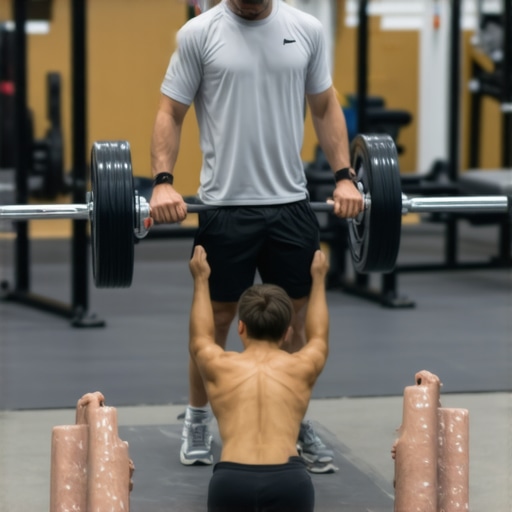
It was after my third consecutive deadlift session that I finally understood the toll improper form was taking on my lower back. The nagging ache turned into sharp, shooting pain, and I felt a little jolt of panic — was I damaging myself permanently? That moment sparked a deep dive into how the way I lift could be sabotaging my health, and more importantly, how I could fix it.
Why Your Back Pain Might Be Deadlifting Its Way Into Your Life
Many of us get into deadlifting to build strength, but often, we overlook critical technique flaws that unknowingly set us up for injury. Deadlifts are powerful but unforgiving if not executed with precision. Early on, I made the mistake of lifting with my back instead of engaging my hips and legs, which only escalated the pain. That’s a common trap that many fall into—believing more weight equals better results, ignoring how the lift affects your spine.
What many don’t realize is that even a tiny slip-up in form can compound over time, leading to chronic lower back issues. According to recent research, poor lifting technique is a leading cause of exercise-related back injuries, and correcting it can drastically reduce pain and improve mobility (source).
That lightbulb moment made me question everything I thought I knew about deadlifting. And honestly? Once I started paying closer attention to my form, I saw immediate improvements. No more persistent soreness, just gains and confidence.
If you’ve been struggling with lingering lower back pain after deadlifting, or you’re simply cautious about preventing injury, then you’re in the right place. Today, I’ll share three crucial fixes that transformed my workouts and spared my back from unnecessary stress. But first, let’s talk about a common skepticism that might be holding you back from trying these strategies.
Focus on Hip Engagement During Your Deadlifts
One of the most common errors I made was attempting to lift with my back rather than my hips. To correct this, start by positioning your feet hip-width apart, with your shins close to the bar. As you bend down, focus on pushing your hips back, like closing a trapdoor behind you, rather than just hinging at the waist. When I consciously kept my hips higher and engaged them before lifting, I noticed a significant reduction in back discomfort and improved lift stability.
Perfect Your Grip and Stance
Utilize a grip that’s comfortable and secure—either double overhand or mixed grip. Your grip tightens your shoulders and arms, contributing to a more solid posture. Keep your chest up and shoulders slightly in front of the bar throughout the lift. I once experimented with a narrower stance, which forced me to use less lower back and more leg power, alleviating pain and boosting confidence in my form. To learn more about optimizing your stance, visit ergonomic tips.
Engage Your Core Like a Corset
Before lifting, take a deep breath into your belly—not your chest—and brace your core muscles as if preparing for a punch. This intra-abdominal pressure supports your spine and maintains rigidity during the lift. I integrated this step by practicing diaphragmatic breathing before each set, which became second nature and helped prevent the sensation of my lower back buckling under weight. For more core drills, check out mobility exercises.
Maintain a Neutral Spine Throughout
A neutral spine keeps your back in a natural, stable position—think of it like a well-balanced seesaw. Avoid rounding or excessive arching, as these can strain your lumbar region. Use a mirror or record yourself to check your form until it becomes instinctive. My initial attempts looked like a hunchback, but with patience and feedback, I kept my back flat in the setup and during the lift, which drastically improved alignment. For detailed guidance, visit back injury prevention tips.
Progress Gradually and Listen to Your Body
Increase weights incrementally—never rush the process—and pay close attention to how your back feels during and after each session. Discomfort is a signal; if you experience sharp pain, promptly stop and assess your form or consult a professional. Remember, perfect technique trumps heavier weights. I once added too much load too quickly, which caused a temporary flare-up. Taking a step back and reassessing my form allowed me to resume training safely. To explore safe progression strategies, head to progression tips.
Many people assume that back pain, neck pain, and sciatica are purely about muscle strain or posture, but this oversimplification can lead you astray. A common myth is that stretching endlessly or strengthening muscles alone will resolve chronic issues. However, the real culprit often lies in nuanced movement patterns, neural interactions, and subtle biomechanical flaws that many overlook. For example, effective relief requires understanding how the fascial system and nerve pathways influence pain and mobility.
Most are unaware that chronic pain can stem from compensatory patterns ingrained over years, which may be invisible to the untrained eye. These patterns can create joint imbalances, altered movement mechanics, or restricted neural pathways, leading to persistent discomfort despite superficial fixes. Addressing these hidden factors involves targeted mobility drills and mindful movement practices that go beyond generic stretching or strengthening routines. I recommend exploring how posture intricately connects with chronic pain to grasp the bigger picture.
Why is it that some people recover quickly while others struggle with recurrence?
This often depends on pinpointing and correcting subtle biomechanical imbalances and neural dysfunctions. According to recent research, unresolved neuromuscular imbalances and fascial restrictions can cause pain to persist or recur even after conventional therapy, making a comprehensive, nuanced approach essential (mobility mastery).
Another trap many fall into is believing that pain is purely anatomical. Pain signals can originate from nerve sensitivities or central nervous system hyperactivity, not just tissue damage. For example, sciatica can sometimes be exacerbated by subtle nerve entrapments or poor neural mobility, which can be hidden behind seemingly unrelated movements. Recognizing this shifts the focus from just muscle and joint to a more holistic view involving nerve gliding and fascial health.
Being aware of these nuances allows for more precise interventions, such as neurodynamics exercises and fascia release techniques, that significantly improve outcomes. For anyone frustrated with lingering issues, exploring advanced sciatic relief strategies might just be the game changer.
Have you ever fallen into this trap? Let me know in the comments.Maintaining back health isn’t a one-and-done process; it requires consistent effort, proper tools, and mindful habits. To keep your mobility optimal and prevent recurring pain, investing in specific equipment and software can make a significant difference. I personally rely on a few key tools that help me monitor my posture, track progress, and reinforce good movement patterns.
One device I swear by is a posture coach, like a smart posture sensor that attaches discreetly to your back or clothing. It provides real-time feedback, alerting you when you’re slouching or adopting poor ergonomics during work or exercise. I use the Upright Go sensor, which syncs with my phone and helps me develop musculoskeletal awareness throughout the day. This regular feedback has been invaluable in ingraining better habits, especially during long hours at my desk.
Another crucial tool is a high-quality foam roller combined with target-specific massage balls. These aren’t just for relaxation—they help release fascial restrictions, improve circulation, and address tightness that can contribute to nerve impingements or muscle imbalances. I dedicate 10 minutes daily to rolling my hips, glutes, and thoracic spine, which directly supports my mobility and alleviates sciatica symptoms.
On the software side, I incorporate mobility tracking apps that guide me through daily routines designed to enhance flexibility and maintain neural mobility. These apps include video tutorials that ensure I perform exercises correctly, minimizing injury risk. Regular use of such tools creates accountability and allows me to observe long-term trends, ensuring I continue progressing.
In terms of maintenance habits, scheduling periodic check-ins with a physiotherapist or experienced trainer can prevent small issues from becoming chronic conditions. A professional assessment every few months helps identify subtle biomechanical or neural imbalances, fine-tuning my routine accordingly. Additionally, periodically updating ergonomic setups—like adjusting my standing desk height or monitor position—prevents strain from creeping back.
Looking ahead, the trend is toward increasingly personalized and biofeedback-enabled devices. As tech advances, I predict that wearable sensors will become more affordable and integrated, offering sophisticated insights into movement patterns and stress points in real-time. This evolution will empower users to take proactive steps before pain manifests.
How do I keep my mobility routines effective over time?
One key is consistency—integrating these tools and habits into your daily schedule. Regularly updating your routines based on feedback ensures continuous improvement and prevents plateauing. Don’t forget to review your progress periodically; tools like movement journals or data logs can help identify patterns and motivate you to stay committed.
Emphasizing mindful movement is also critical. Instead of rushing through exercises, focus on quality and control, listening to your body’s signals. Make a habit of noting any emerging discomfort and adjusting accordingly, using your tools as guides. Regularly revisiting resources like mobility tips can refresh your approach.
Lastly, don’t underestimate the power of education. Staying informed about biomechanical principles and neural health—such as understanding how nerve gliding exercises can reduce sciatic pain—makes your maintenance more effective. For advanced strategies, try integrating targeted nerve mobilization routines into your regimen, as they can dramatically improve long-term outcomes like neural decompression and pain relief.
What I Wish I Knew About Movement Before It Was Too Late
The most profound lesson I uncovered was that perfecting technique is an ongoing journey, not a one-time fix. I used to think that once I mastered the basics, I could coast through workouts. Turns out, subtle adjustments—like refining my hip engagement or maintaining a neutral spine—made all the difference. Recognizing that my body constantly adapts and that ingrained habits can sabotage progress became a game-changer for sustainable health.
Another lightbulb moment was understanding the importance of neural health in pain management. I realized that nerve mobility exercises, like nerve gliding, were just as vital as strengthening routines. This insight helped me address my sciatica at its root, rather than just patching symptoms with stretches and drugs. Now, I appreciate that neural and fascial health are key pillars in long-term relief.
My Secret Tools for Lasting Improvement
Over the years, I’ve curated a few go-to resources that keep me vigilant and proactive. A posture sensor like the Upright Go constantly reminds me to stay aligned—it’s like having a personal coach in my pocket. Foam rollers combined with targeted massage balls unlock fascial restrictions that no stretch can reach, reducing nerve impingements and chronic tightness. Complementing these physical tools, I rely on mobility tracking apps that guide my daily routines, ensuring consistency without overloading myself. These tools are my secret arsenal in maintaining mobility and avoiding setbacks.
Remember: Prevention and Mindfulness Are Your Best Allies
The journey to back and neck health is unending, but it’s also empowering. Each small, mindful adjustment—paying attention to your posture at work, breathing correctly before lifts, incorporating neural mobility drills—builds resilience over time. I encourage you to view your habits not as fleeting efforts, but as a lifestyle shift. By integrating these practices into your daily routine and staying curious about your body’s signals, you’re setting yourself up for a pain-free future.
Now, I’d love to hear from you—what surprising lesson has transformed your approach to back, neck, or sciatica care? Drop your thoughts and experiences below, and together, we can continue advancing our mobility journeys.
![3 Sofa Sitting Habits Ruining Your Back in 2026 [Fix]](https://bodyrenewtherapy.com/wp-content/uploads/2026/02/3-Sofa-Sitting-Habits-Ruining-Your-Back-in-2026-Fix.jpeg)