
Have you ever experienced that sharp, shooting pain suddenly radiating down your leg after a long day of sitting or even during a simple walk? It’s a moment I know all too well—one that makes you stop in your tracks and wonder if this is the beginning of something worse. That sudden jolt of discomfort can be downright terrifying, especially when you realize it might be a sign of sneaky sciatic nerve issues brewing unnoticed for too long.
Why Ignoring Glute Tightness Can Cost You Later
Here’s the truth: many of us dismiss early signs of glute tightness or discomfort—thinking, “It’s just a bit of soreness; it’ll go away.” But ignoring these signals can allow underlying issues to fester, setting the stage for persistent sciatica that could last well into 2026 or even beyond. The good news? Simple, targeted stretches can make all the difference before symptoms become unbearably chronic.
Could Your Effort Be Making Things Worse?
Early on, I made the mistake of stretching without understanding the root cause—thinking more is better. It wasn’t until I learned the importance of proper glute mobility that I started to see real change. Trust me, you don’t want to fall into that trap. Instead, focusing on specific glute stretches is a game changer, and it can help you stay symptom-free, or at least delay the onset of full-blown sciatica. For broader strategies, you might find it helpful to explore these expert tips on sciatica relief.
How Today’s Stretch Routine Sets Up Long-Term Comfort
In this post, I’ll guide you through three simple glute stretches that can make a massive difference in preventing sciatic discomfort before it even has a chance to take hold. These movements are easy to incorporate into your daily routine, and I promise—they’re worth the few minutes to safeguard your mobility. So, if you’ve ever felt that nagging tightness or wondered if you’re inadvertently setting yourself up for future pain, stick around. We’re about to turn your focus toward proactive prevention, helping you stay active and comfortable—well into 2026 and beyond.
,
Set Aside Time for Targeted Stretching Daily
Start each morning with a dedicated 5-minute stretch session focusing on your glutes. Place a timer and commit to it; consistency beats intensity here. Personally, I found that mapping out my stretches in the morning helped me stay accountable, leading to noticeable relief in my sciatic symptoms over weeks.
Incorporate Specific Exercise Techniques
Select stretches like the pigeon pose, figure-four stretch, and the seated glute stretch. For example, during my first attempt at pigeon pose, I was clumsy—twisting my hips and losing balance. But gradually, I refined my form by following these simple exercises which focus on proper positioning, reducing strain and maximizing benefits.
Master the Hip-Flexor Stretch
Since tight hip flexors can exacerbate glute tension, include this stretch in your routine: kneel with one leg forward into a lunge position, then gently press your hips downward. Remember, move slowly and avoid pushing to pain—feel the stretch, not discomfort. My initial attempt was awkward, stumbling into the stretch; over time, I found breathing deeply helped deepen the relief without overstressing.
Enhance Mobility with Controlled Movements
Add gentle mobility drills like leg swings and hip circles into your routine. These act like a tune-up for your joints, keeping them flexible. I incorporated hip circles during my coffee break, noticing a gradual decrease in tightness. Like tuning a guitar, consistency in small adjustments pays off for long-term comfort.
Maintain Proper Posture During Activities
Posture influences glute tension—think of it as the foundation of a house. Keep your pelvis aligned and sit upright, especially when working at a desk. I once neglected my posture during long hours at the computer, which worsened my sciatic symptoms. Using ergonomic tips from these guidelines helped me retrain my positioning, preventing further strain.
Monitor Your Progress and Adjust Accordingly
Track your improvements by noting pain levels and flexibility gains. If a stretch causes discomfort, modify it or switch to another. I kept a simple journal, which revealed that my flexibility increased within two weeks, encouraging me to stay dedicated. Remember, each body responds differently, so tailor your routine based on personal progress.
Integrate these techniques into your everyday life
Consistency in these targeted stretches and mobility exercises is key. Over time, you’ll likely notice reduced sciatic sensations and better overall movement. Think of it as tuning your body’s parts to work harmoniously—small, sustained efforts lead to lasting relief. Keep experimenting with different stretches and ergonomic adjustments, and consider consulting detailed resources like lifestyle changes that complement your routine.<\/p>Many people believe that persistent back or neck pain stems solely from muscle strain or poor posture. While these factors are part of the picture, an overlooked nuance is how common misconceptions can lead to ineffective treatments. For instance, the widespread idea that stretching always alleviates pain is misleading; in reality, improper techniques can exacerbate issues if underlying causes, such as nerve irritation or joint dysfunction, aren’t addressed. A frequent trap is dismissing early warning signs as temporary discomfort, which can mask serious conditions like nerve impingement or spinal degeneration. Recognizing the difference requires an expert eye—something many overlook, preferring self-diagnosis based on generic advice.
One myth that persists is that all mobility exercises are beneficial for everyone. However, without understanding individual biomechanics or existing health issues, some movements might worsen symptoms. For example, aggressive flexion-based stretches can aggravate nerve pain if the cause is disc herniation or stenosis. Instead, targeted interventions, such as specific mobility drills tailored to your unique condition, have proven more effective. Consulting detailed resources or professionals, like those outlined at this comprehensive guide, can help you avoid common pitfalls.
Why does targeting symptoms often fail in long-term relief?
The answer lies in treating only the surface, not the root cause. For example, masking sciatic pain with painkillers or temporary stretches might offer short-term relief but doesn’t prevent recurrence if underlying issues like joint misalignment or muscular imbalances remain uncorrected. Research indicates that addressing mobility and stability simultaneously leads to more durable outcomes—this is why a balanced approach, combining proper mobility drills and posture correction, is crucial. Expert strategies suggest focusing on strengthening stabilizer muscles and improving joint health to break free from the cycle of recurrent pain, as detailed in this resource.
This nuanced understanding extends to neck pain and other mobility-related issues as well. Achieving lasting results necessitates a holistic view, rejecting one-size-fits-all solutions. Be wary of quick fixes or dismissing subtle symptoms, since they might be early indicators of more serious concerns. To truly master your mobility and alleviate pain at its source, consider personalized strategies that combine expert insights with consistent practice.
Remember, the key lies in focusing on long-term management rather than short-term relief. Have you ever fallen into this trap? Let me know in the comments.
Maintaining your progress against sciatica, neck pain, or back discomfort requires more than just occasional stretches. It demands reliable tools, consistent routines, and a mindset geared toward long-term health. I personally rely on a combination of specialized equipment and software to monitor and enhance my mobility, ensuring that pain doesn’t creep back in.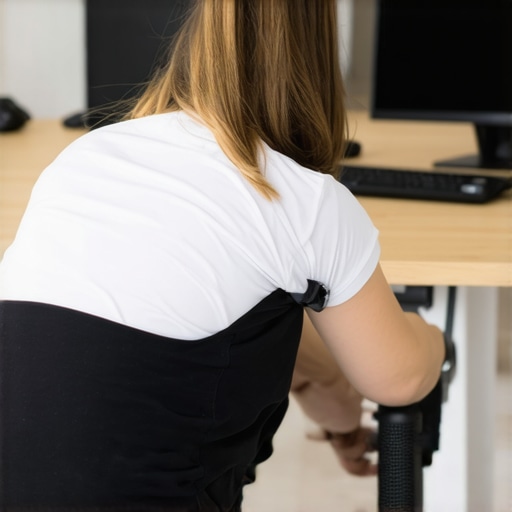
How do I sustain my mobility gains over time?
One of my favorite tools is a high-quality foam roller, specifically designed for targeting deep tissue adhesions. I invest in a dense, durable roller that consistently helps me break up muscle knots and keep my glutes and lower back relaxed. In my experience, regular use—about thrice weekly—has significantly reduced the recurrence of sciatic discomfort. Additionally, I utilize mobility tracking apps to log daily exercises, pain levels, and flexibility improvements. These digital tools ou provide insights that guide my routine adjustments, ensuring I stay ahead of potential setbacks. These simple exercises are especially helpful for maintaining the improvements I’ve made, and I recommend integrating them into your daily routine.
Looking ahead, I believe the trend will lean heavily toward personalized tech solutions—like smart sensors that provide real-time feedback on your posture and movement patterns. For example, wearable devices with advanced biofeedback can alert you when your form deteriorates, preventing poor habits from undoing your hard work. This evolution promises even better long-term results, making self-maintenance more accessible and effective.
Tools I recommend for sustained relief
For ongoing management, I rely on ergonomic adjustments such as sit-stand desks, combined with posture apps that remind me to correct my stance. An adjustable standing desk set to the right height reduces unnecessary strain during prolonged work sessions, which are often culprits for neck and back pain. I personally use these ergonomic tips to optimize my workspace. Additionally, I incorporate targeted mobility devices like hip circles and resistance bands, which I use during short breaks to keep my joints flexible and muscles engaged.
Consistency is key—by integrating these tools into my routine, I’ve been able to prevent flare-ups and maintain a pain-free state. But remember, the effectiveness of these tools hinges on correct implementation. Invest time in learning their proper use, perhaps by consulting detailed guides like this comprehensive resource.
To truly lock in your progress, challenge yourself to incorporate a new mobility tip—like the 30-second neck stretch—into your daily ritual today. Over time, these small, consistent actions compound, keeping your spine and joints resilient. Staying proactive now not only preserves your current comfort but also sets the stage for enduring health rather than reactive fixes. Remember: what you do today determines how well you’ll keep it working tomorrow.
Lessons That Changed My Approach to Sciatica Relief
One of the most eye-opening lessons I learned was that quick fixes often mask deeper issues. For example, relying solely on superficial stretches without addressing muscle imbalances or joint misalignments can lead to recurrent pain. I also realized that patience and consistency outshine aggressive routines; progress takes time, and gentle persistence pays off.
Another insight was understanding the importance of addressing posture and lifestyle factors holistically. Sitting for long hours with poor ergonomics doesn’t just cause discomfort—it can worsen nerve impingements over time. Recognizing this prompted me to make small yet impactful changes, such as adjusting my workspace, which significantly reduced symptoms.
Lastly, I discovered that personal awareness and listening to my body’s signals are crucial. Ignoring early signs of glute tightness or stiffness only postponed relief, making recovery more difficult. By tuning into these subtle cues, I could intervene early and prevent full-blown flare-ups.
Tools and Resources That Made a Difference in My Journey
For practical guidance, I highly recommend exploring these expert strategies for lasting sciatic relief, which provide comprehensive techniques tailored to individual needs. Using a high-quality foam roller has been instrumental in my mobility routine, thanks to its ability to release deep tissue adhesions and maintain flexibility.
I also trust these simple exercises for boosting back and hip mobility, easily incorporated into daily life. Moreover, ergonomic tools like sit-stand desks have empowered me to maintain proper posture during work, reducing strain and preventing discomfort.
Finally, engaging with mobility tracking apps has made me more aware of progress and areas needing attention, transforming the way I approach long-term health management. Combining these resources creates a powerful toolkit for anyone committed to overcoming sciatic and related pains.
Keep Moving Forward: Your Path to Lasting Comfort Starts Today
Taking the first step toward better mobility and relief can feel daunting, but each small action builds momentum. Whether it’s dedicating five minutes daily to targeted stretches or making ergonomic adjustments, every effort compounds over time. Embrace the journey, trust in proven strategies, and celebrate your progress along the way. Remember, staying proactive now ensures you’ll enjoy greater comfort and mobility in 2026 and beyond.
What’s one small change you’re willing to try today to improve your mobility or reduce sciatic discomfort? Share your plan below—I’d love to hear your story!
.