
3 mistakes you are making with your standing desk
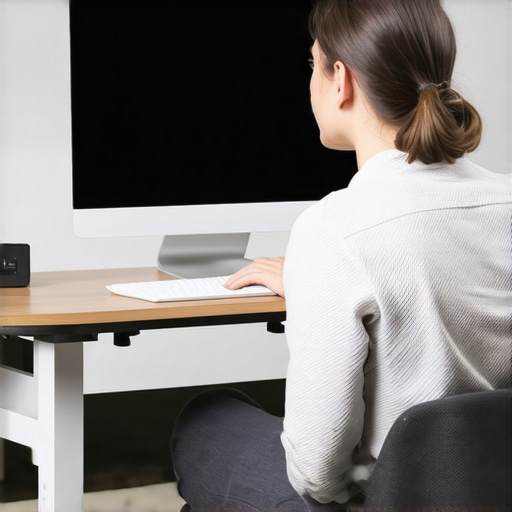
It hit me one morning as I struggled to get out of bed—my back was aching more than usual, and my neck felt stiff and throbbing. I realized I had been making a crucial mistake with my standing desk, and it was silently sabotaging my health. Have you ever felt that nagging discomfort after a long day at your standing desk, and wondered if you’re doing it wrong? Trust me, you’re not alone. Many of us jump into standing without considering the pitfalls. Today, I want to share with you the three mistakes I was making early on that could be costing you your comfort, mobility, and long-term health. By uncovering these common missteps, you’ll be better equipped to set up your workspace for success—no more nagging pain or stiffness. Are you tired of feeling sore after sitting or standing for hours, despite investing in ergonomic solutions? Well, you’re in the right place. We’ll explore these pitfalls together and I’ll guide you through simple changes that can make a huge difference.
Why Your Standing Desk Might Be Doing More Harm Than Good
Is Your Setup Really Supporting Your Body?
When I first started using a standing desk, I thought I was doing everything right. I adjusted the height, got a supportive mat, and even bought a fancy ergonomic keyboard. But I neglected the most important aspect—how I was positioning myself and how I was moving throughout the day. That oversight led to persistent neck tension and lower back pain, which only worsened over time. The mistake? Standing still in the same position for hours, expecting my body to remain resilient. Our bodies are designed to move, not freeze in one posture. Did you know that static standing can cause blood flow restrictions and muscle fatigue? According to a 2020 study published in the Journal of Occupational Health, prolonged static postures—whether sitting or standing—can significantly increase musculoskeletal discomfort. That’s because muscles tire quickly without movement, and joints lock up when kept in constant positions. To optimize your standing desk experience, it’s essential to incorporate regular movement, ergonomic adjustments, and strategic planning. But first, let’s confront one of the biggest fears: “Is this all worth it? Can a simple setup really improve my pain?” Honestly, I had my doubts too. I remember thinking, “If I just stand more, everything will be fine.” Early on, I failed to realize that standing ergonomically isn’t just about height—it’s about how your entire body aligns and how often you change position. That’s why, in the next sections, I’ll share not just what to do but how to do it right—so you can avoid the pitfalls I fell into and finally break free from those nagging aches. Ready to transform your workspace and reclaim your comfort? Let’s dive into the common mistakes and how to fix them.
Engage Your Core Regularly
Think of your core muscles as the foundation of a building; without a strong base, everything above becomes unstable. During my first week of adjusting my sitting habits, I set a timer to remind me to activate my core muscles every 15 minutes. I pulled my belly in gently and held for five seconds. At first, it felt awkward, like trying to hold a plank in a chair. But over a few days, I noticed my upper back and neck tension eased. To incorporate this into your routine, try simple core activations—squeeze your stomach as if bracing for a punch, hold, then release. This simple practice can prevent your spine from slumping and reduce sciatic nerve irritation. For a full guide, check out this article on core engagement.
Adjust Your Chair to Support Your Natural Curves
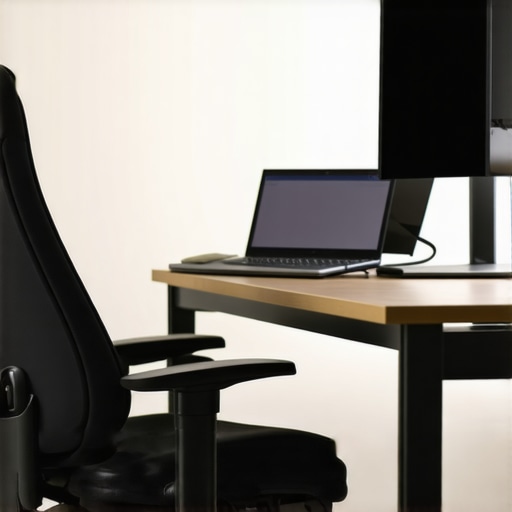
Your chair should cradle your lower back, mimicking the natural lumbar curve. When I once used a generic desk chair without lumbar support, I developed tightness in my hips and lower back. I bought an adjustable lumbar pillow and positioned it to fill the gap behind my back. This stopped my pelvis from tilting forward like a domino falling and kept my spine aligned. To find your optimal position, sit fully back, feet flat on the floor, thighs parallel to the ground. Use a foam roller or towel rolled up to support your lower back if necessary. This is crucial for reducing disc pressure and preventing sciatic flare-ups, as explained in this ergonomic guide.
h2>Take Micro-Breaks to Keep Movement Flowing
Staying in the same seated posture for hours is like trying to hold a plank for days—eventually, your muscles fatigue and pain sets in. I started scheduling tiny breaks, setting a 10-minute alarm, and standing up to stretch, walk, or swivel my hips. During one session, I used a simple hip hinge exercise, bending at the hips with a straight back, to loosen my lower back and hamstrings. These micro-movements prevent muscles from tightening excessively and improve circulation, which is vital for nerve health. Every hour, aim for at least 2 minutes of movement. For effective routines, refer to this set of mobility exercises.
h2>Position Your Screen Correctly to Reduce Neck Strain
Looking down at your phone or laptop like a turtle peeking out increases neck tension, leading to headaches and shoulder pain. I once caught myself craning my neck forward for hours, causing persistent discomfort. I fixed this by raising my monitor to eye level, using a stack of books or an adjustable stand. My screen was now level with my eyes, reducing the angle of my neck bend. Additionally, I kept my monitor about an arm’s length away, so I didn’t have to lean forward. This minor change can dramatically decrease cervical stress, as detailed in this neck relief guide. Remember, your head should weigh about as much as a bowling ball, so keeping it aligned relieves strain and prevents headaches.
Many believe that alleviating pain or improving mobility is solely about targeted stretching or popping painkillers, but this oversimplification often leads us astray. A common myth is that all sciatica or chronic back pain originates from a single source, like a herniated disc, when in reality, the root causes are multifaceted and intertwined. For instance, biomechanical imbalances, habitual postures, and even stress levels can contribute to persistent discomfort, yet many overlook these nuances.
What Does Your Pain Tell You That You’re Missing?
Let’s dig deeper—these issues aren’t just isolated symptoms but signals of underlying dysfunctions. For example, poor core engagement is often blamed directly for back pain, but in truth, ineffective neural control and muscle timing are equally critical factors. A study published in the Journal of Bodywork and Movement Therapies found that neural mobilization techniques, which enhance nerve conduction, significantly reduce chronic pain when traditional stretching fails. Therefore, the focus should shift from superficial remedies to addressing the nervous system’s role and the body’s intricate feedback mechanisms. Beware of the trap that suggests static postures are harmless—this misconception ignores the subtle but cumulative effects of micro-movements that maintain tissue health and neural function. Regularly shifting positions, implementing strategic mobility drills, and strengthening neuromuscular control are essential. Additionally, many practitioners underestimate the importance of stress management in chronic neck or back pain. Tension from psychological sources can exacerbate physical issues, a concept supported by research linking stress hormones to muscle tightness and inflammation. To get to the root of your pain, consider integrating ergonomic assessments with stress-reduction strategies, such as breathing exercises or mindfulness. If you want to explore advanced approaches, check out comprehensive techniques like those discussed in this resource. Remember, effective healing hinges on understanding the complex interplay between mechanical, neurological, and emotional factors—simply stretching more or relying on quick fixes often perpetuates the cycle. Have you ever fallen into this trap? Let me know in the comments.Maintaining your spinal health over time requires more than just sporadic stretches or temporary fixes; it calls for reliable tools and consistent practices that reinforce proper posture and mobility. One highly recommended device I personally use is a foam roller tailored for my lower back and hips. It helps release muscle tightness and improve circulation—crucial factors in preventing chronic pain. Unlike generic rollers, I prefer a dense, high-quality foam roller with textured surface, which provides targeted release without risking injury. Incorporating a foam roller into your daily routine—say, 5 minutes before work or after exercise—can significantly reduce the likelihood of developing persistent back issues.
Another essential tool is a posture corrector brace, especially during periods of prolonged sitting or standing. I’ve found that wearing a discreet, adjustable brace encourages me to maintain proper alignment, reminding me to avoid slouching or forward head posture. As research indicates, consistent use of such devices alongside ergonomic adjustments supports long-term musculoskeletal health.
On the software side, apps like “Mobility Master” or “PosturePal” are game-changers. They offer guided exercises, reminders to move, and posture tracking features that keep me accountable. These digital tools build awareness about movement patterns, helping me break the habit of static postures that can lead to sciatic or neck pain. Reviewing your daily habits with such technology is a proactive step toward sustainable health.
Looking ahead, I predict that this trend toward integrating smart devices and therapy tools will grow. Advances in biofeedback sensors embedded in wearables could soon provide real-time data on muscle tension or nerve stress, making preventive care personalized and immediate.
**How do I maintain back and neck health over time?** The key is consistency—pairing these tools with regular movement and mindful ergonomics. For instance, using a foam roller every morning to loosen tight muscles, combined with stretches and strengthening exercises from trusted routines, creates a resilient foundation. I also recommend scheduling weekly check-ins with a physical therapist—many offer virtual consultations—to customize your plan, ensuring you address evolving needs.
If you haven’t tried a targeted foam rolling routine yet, I encourage you to give it a shot. It’s a simple, effective step that can make a noticeable difference in your quality of life. For more advanced techniques, exploring comprehensive strategies like those discussed in [this resource](https://bodyrenewtherapy.com/boost-your-back-mobility-simple-exercises-that-make-a-difference) can further support your journey toward pain-free movement. Remember, building long-term resilience is a marathon, not a sprint—so start today and take consistent steps toward a healthier spine.
The Little Secrets That Transformed My Recovery Journey
One of the most eye-opening lessons I learned is that pain isn’t always a direct signal of injury—it can be a sign your nervous system is overtaxed from habitual postures and movement neglect. Real progress came when I shifted from seeking quick fixes to understanding that my body needed consistent, mindful engagement. I realized that even the tiniest daily habits, like regular core activation or mindful breathing, layered together, created a profound impact. It’s these nuanced insights—the ones you rarely find in generic advice—that truly empower you to take control of your back and neck health.
Handpicked Tools That Accelerated My Healing Process
After years of trial, I’ve come to trust certain resources that truly make a difference. My go-to is the simple mobility exercises they offer, which are straightforward yet highly effective for maintaining spinal resilience. A foam roller with textured surface has become my daily partner, helping me release tightness and improve circulation effortlessly. Additionally, digital apps like Mobility Master keep me accountable and introduce fresh routines, ensuring my habits stay innovative and effective. Incorporating these tools regularly is vital for sustained relief and long-term mobility.
Your Path to Lasting Relief Starts Today
If there’s one thing I want you to remember, it’s that investing in your back and neck health through mindful practices and quality tools is a gift you give yourself every day. While it might seem daunting at first, small consistent steps can lead to remarkable freedom from pain. Dare to experiment with new routines, embrace your body’s natural feedback, and prioritize movement over stiffness. Your future self will thank you for the effort—so why wait? It’s time to take action and make your spine a priority. What small change will you try today to support your back and neck health? Let me know in the comments below!