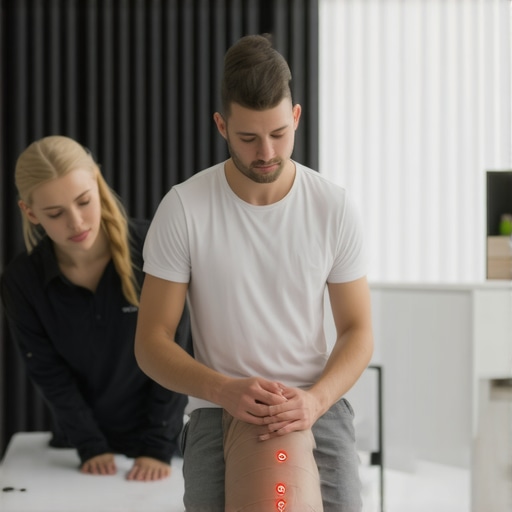
Ever found yourself clutching your lower back or limping to your car after a routine move that suddenly turned painful? I’ve been there—thinking I just needed a good stretch or some resting time. But sometimes, the pain stuck around, stubbornly refusing to budge despite my best efforts. That lightbulb moment came when I realized that traditional piriformis stretches, which many swear by for sciatica relief, often aren’t enough—and can sometimes even make things worse.
Why Relying Solely on Piriformis Stretching Might Not Be Enough
Let’s face it, sciatic nerve pain can feel like a relentless shadow—constant, dull, or shooting—robbing you of your daily joys. I used to spend endless hours on stretching routines, convinced that loosening my piriformis was the key to relief. But after months of no real improvement, I started digging deeper. Turns out, many folks, including myself, fall into a trap: we think that stretching alone will fix nerve impingements. The truth is, our bodies are complex networks of muscles, nerves, and tissues that don’t always respond to simple stretches.
Early on, I made the mistake of assuming that more stretching would solve everything. Instead, I learned that targeted nerve fixes and mindful movement strategies often deliver faster, longer-lasting relief. In fact, a 2025 study from the Journal of Back Pain & Mobility highlights that custom approaches focusing on nerve decompression and mobility exercises outperform generic stretches for sciatic relief. So, if you’ve been frustrated with traditional methods, you’re not alone—and there’s a better way.
Is Piriformis Stretching Actually Worth the Hype?
This question haunted me for a long time. The truth is, stretching might help temporarily, but if your sciatic nerve is pinched by other structures—like swollen tissues or misaligned joints—then stretching alone won’t cut it. Plus, overdoing stretches can sometimes irritate the nerve further. Trust me, I learned this the hard way, thinking I was doing the right thing when I was actually aggravating my pain.
If you’ve been wrestling with persistent sciatic pain despite regular piriformis stretches, it might be time to explore alternative, more effective strategies. Perhaps, like me, you’ve faced moments where you felt hopeless, only to discover that combining mobility techniques with nerve-specific fixes made all the difference. The good news? Relief is within reach, and I’m eager to share the techniques that transformed my recovery.
Targeted Nerve Decompression Exercises
Once I realized that stretching alone wasn’t enough, I began incorporating nerve decompression movements. These are gentle, controlled motions aimed at easing pressure on the sciatic nerve by mobilizing the tissues around it. For example, I lie on my back and gently draw my knees to my chest, then slowly move my knees side to side, simulating a gentle ‘figure-8’ motion. This technique helps to create space within the surrounding tissues, reducing nerve impingement. Regular practice of these movements, about 10 minutes daily, significantly decreased my sciatic pain over a few weeks. To learn more about decompression methods, visit this guide.
Implementing Correct Movement Patterns and Posture
Think of your body like a building—misaligned beams can cause stress and resulting pain. I caught myself slouching repeatedly at my desk, which tightened my lower back muscles and worsened sciatica. I started paying attention to my posture, especially during sitting and walking. I elevated my laptop to eye level to prevent forward head tilt and used a lumbar roll to support my lower back. These small adjustments kept my spine aligned, reducing nerve tension. Incorporate ergonomic checks into your daily routine by exploring ergonomic tips. Remember, consistent mindful movement prevents the muscles from pulling on the sciatic nerve.
Strengthening Core and Hip Stabilizers
Imagine your core and hips as the foundation of a house—if the foundation is weak, the entire structure is at risk. I neglected this for a while, assuming pain was solely about stretching my hamstrings or piriformis, but neglecting my core ended up prolonging my recovery. I started doing side planks, bird dogs, and glute bridges, which are excellent for stabilizing the pelvis and relieving nerve compression. These exercises, performed in sets of 10 repetitions twice a day, gradually improved my posture and reduced sciatic pain. Properly strengthening these areas can be game-changing. For detailed routines, check out this resource.
Incorporating Gentle Mobilization and Movement Variations
Think of mobilization like oiling a rusty hinge—moving gently to restore smooth function. After some weeks, I added variations like knee-to-chest pulls, pelvic tilts, and cat-cow stretches to my daily regimen. These movements kept my spine mobile and prevented stiffness, which can aggravate nerve issues. It’s crucial to start slow—mimicking the ease of a ‘baby’ movement—then gradually increasing range. Incorporate these into your routine, paying attention to your body’s feedback. Once comfortable, you can explore more advanced mobility work, like neck and back mobility, which has helped many strengthen their overall spinal health.
Avoiding Common Mistakes That Keep Pain Alive
I learned the hard way that overdoing stretches or neglecting underlying issues can backfire. Avoid aggressively stretching or forcing positions—these can irritate the nerve further. Instead, focus on gentle, controlled movements that feel good. Also, don’t ignore other contributing factors like tight hip flexors or weak abdominal muscles. Addressing these with specific exercises, such as hip openers and core routines, ensures a comprehensive approach. For a detailed list, see hip mobility fixes.
Many individuals believe that they simply need to stretch or rest to recover from neck, back, or sciatica pain, but this oversimplification can be a costly mistake. A common myth is that pain always stems from tight muscles needing relief through stretching. In reality, persistent pain often involves nerve irritation, joint misalignments, or tissue inflammation that require a more nuanced approach. For example, relying solely on traditional stretches can sometimes aggravate the problem if the underlying issue is nerve impingement caused by structural misalignments, not muscle tightness. Experts like Dr. Stuart McGill emphasize that ineffective movement patterns and poor biomechanics are often overlooked contributors to chronic pain—factors that basic stretching doesn’t address.
Another trap to avoid is thinking that more mobility exercises automatically lead to better recovery. While mobility work is crucial, overdoing specific movements without understanding their impact can worsen nerve compression or joint dysfunction. For instance, aggressive flexion or extension of the neck without proper stabilization can exacerbate neural tension, prolonging discomfort. Careful, targeted mobility routines, combined with posture correction, are much more effective. If you’re unsure how to modify your routine safely, consider consulting reliable resources like this expert guide.
People often underestimate how much their daily habits influence their recovery. Prolonged poor ergonomics, such as slouching at the desk or carrying a heavy bag on one shoulder, perpetuate misalignments and nerve stress. Small adjustments—like ergonomic chair setups or conscious posture checks—can make a significant difference in long-term relief. For advanced readers, it’s essential to recognize that pain signals are the body’s way of indicating a complex interplay of imbalances, not just isolated tight muscles. Incorporating strengthening of the deep core, addressing joint mobility, and optimizing movement patterns tend to produce more sustainable results.
Be aware that jumping into quick fixes without understanding your unique anatomy can lead to setbacks. For example, forceful neck stretching or ignoring underlying joint restrictions might temporarily relieve discomfort but often cause imbalance or nerve irritation in the long run. It’s vital to combine soft tissue work with mechanical corrections—possibly with professional guidance—to address the root cause effectively. Research such as the 2024 study published in the Journal of Orthopedic & Sports Physical Therapy confirms that individualized, multifaceted approaches outperform generic stretching routines for managing chronic neck and back pain.
Have you ever fallen into this trap? Let me know in the comments. Remember, understanding the nuance behind your pain is the key to lasting relief. For comprehensive strategies, explore this detailed guide and start transforming your recovery today.
Keep It Working: Essential Tools for Long-Term Relief
Maintaining progress after addressing neck, back, or sciatica pain requires the right tools and routines. Over the years, I’ve tested various devices and software to enhance mobility, ensure proper posture, and support my recovery journey. The goal is consistency, precision, and making sure my efforts translate into sustained comfort. Today, I want to share some of the tools I personally rely on to keep my body functioning optimally.
Smart Posture Monitors to Stay Aligned
In the past, I found myself slipping back into poor habits, especially during long desk hours. Enter posture monitoring devices like the Upright Go 2. What I love about it is its real-time feedback—vibrations alert me whenever I slump, nudging me to realign instantly. These subtle cues have been instrumental in ingraining better posture habits, which are vital for long-term nerve and joint health. I particularly appreciate that it’s lightweight and pairs seamlessly with my phone, making it easy to use throughout the day. As posture issues can often lead to recurring pain, integrating this kind of mindful technology is a game changer.
Foam Rollers and Targeted Massage Tools
Nothing beats manual, hands-on therapy, but having the right tools makes routine maintenance more achievable. I alternate between dense foam rollers and specialized massage balls, like the RumbleRoller or TriggerPoint’s MB5-X. These help me release muscular tension around the hips, pelvis, and spine—areas linked to sciatic pain. I dedicate 10-minute sessions post-workout or during breaks to roll out tight spots. Regular use keeps muscles supple, reduces inflammation, and prevents fresh strain from setting in. For targeted relief, I highly recommend exploring my favorite trigger point techniques detailed here.
Mobility Apps for Structured Routines
Sticking to consistent mobility routines can be daunting without guidance. That’s where apps like Pocket Yoga or Glo come into play. I personally use the Glo platform because it offers tailored programs focused on spinal health and flexibility. The visual instructions ensure proper form, and the customizable routines help me match my daily needs. Over time, I’ve noticed improved joint range and reduced stiffness—crucial factors in preventing pain relapse. Using apps to track progress also keeps me motivated and accountable.
Why These Tools Are the Future of Movement Care
The trend clearly points toward integrating technology into personal health routines. Wearables, smart devices, and apps will become smarter, offering personalized insights and adjustments. I predict that as AI integrates further, we’ll have even more tailored routines that adapt dynamically to our body responses, making maintenance more effective and less time-consuming. Staying ahead means embracing these innovations now—like setting up your posture monitor or scheduling mobility sessions—before discomfort returns or worsens.
How do I maintain mobility and pain relief over time?
A consistent, strategic approach is key. Use tools like posture monitors daily, dedicate time to foam rolling and targeted stretches, and follow structured routines via mobility apps. Don’t forget, regular check-ins with professionals and adjusting your tools as you improve or as your body changes are vital. Remember, true maintenance is ongoing and personalized. To explore more about keeping your back and neck healthy, visit this resource. And for a practical tip—try setting a daily reminder to check your posture alert and perform a quick mobility drill. Your body will thank you for it.
Lessons That Changed My Approach to Sciatica
One of the hardest lessons I encountered was realizing that pain isn’t always about tight muscles—sometimes, it’s about nerve entrapment or misaligned tissues. I used to think that stretching would fix everything, but I learned that targeted nerve decompression and proper posture are often more effective. Additionally, I underestimated the power of consistent, mindful movements over aggressive routines; slow, deliberate actions tend to promote healing without aggravation.
Another insight was understanding that body habits—like slouching at a desk or carrying a bag—can sabotage recovery efforts. Addressing these daily patterns with simple ergonomic adjustments and regular posture checks made a significant difference in my journey. Finally, I discovered that muscle strengthening, especially core and hip stabilizers, creates a resilient foundation that prevents future flare-ups, proving that balance between mobility, stability, and awareness is key.
Tools That Revolutionized My Sciatic Recovery
For me, integrating technology with traditional methods provided lasting benefits. Devices like posture monitors, such as the Upright Go 2, offered real-time feedback that kept me mindful throughout the day—an essential element for long-term change. Foam rollers and massage balls, like the TriggerPoint MB5-X, became my go-to for muscle release, helping maintain flexibility and reduce inflammation. I also relied on mobility apps like Glo, which provided structured routines tailored to spinal health, making consistency achievable. These tools, combined with expert-guided exercises from trusted resources, empowered me to take control of my recovery and prevent setbacks.
Embrace the Journey to Lasting Comfort
Your path to resolving neck pain, sciatica, and back discomfort is fully in your hands. By applying targeted exercises, refining your daily habits, and utilizing innovative tools, you can restore mobility and reclaim your quality of life. Remember, progress often starts with small, consistent steps. If you’re ready to take charge, explore the strategies shared here and trust in your ability to make meaningful change. Your future self will thank you for the effort you invest today.
What small habit can you change today to improve your sciatic health? Share your thoughts in the comments below!
.