I vividly remember the moment I realized I was losing the battle against my chronic neck tension. It was a late evening, and after hours at my desk, I found myself staring at the ceiling, my shoulders tight as steel cables. The discomfort was relentless, and I thought, ‘This is just part of aging.’ But deep down, I knew something had to change. That lightbulb moment came when I finally understood that small, intentional movements could be game-changers.
The Power of Simple Movements to End Neck Tension
Since then, I’ve committed to incorporating specific mobility exercises into my daily routine, focusing on just three shoulder blade squeezes. These tiny, deliberate actions have transformed the way I feel—less stiff, more relaxed, and surprisingly, pain-free. Today, I want to share with you how these simple moves can make a huge difference, especially if chronic neck discomfort is taking over your life. Trust me, if I can find relief with these techniques, so can you.
Does it sound too good to be true? Is this really worth the hype?
Honestly, I was skeptical at first. I thought, “How much difference can a couple of shoulder blade squeezes possibly make?” Early on, I made the mistake of underestimating the importance of posture and movement. I believed that pain was something I just had to live with or that medication was the only solution. My mistake was neglecting the fundamentals of mobility and the body’s natural ability to heal through simple, consistent actions. If you’ve ever dismissed quick fixes as useless, you’re not alone. But I urge you to read on, because these small exercises could be the breakthrough you’ve been searching for. For more insights on maintaining a healthy spine, check out [mobility tips for daily life](https://bodyrenewtherapy.com/mobility-mastery-daily-tips-to-keep-your-spine-and-joints-healthy). Now, let’s dive into what makes these shoulder blade squeezes so powerful.
Start with Shoulder Blade Squeezes for Instant Relief
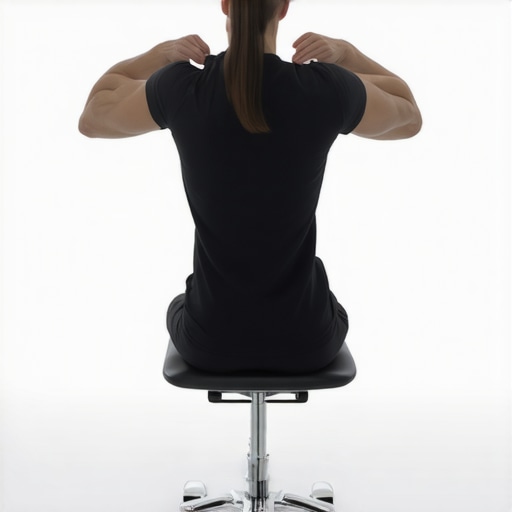
To combat lingering neck tension, sit upright and pinch your shoulder blades together as if squeezing a small ball between them. Hold for five seconds, then release. I once did this during a work break after feeling my shoulders tense up from sitting too long. As I squeezed, I focused on pulling my shoulder blades downward and back, imagining a line connecting them. This micro-movement activated muscles that support proper posture and eased stiffness. Repeating this 10 times, I felt a noticeable looseness across my upper back and neck. This simple action sparks movement in muscles that often stay dormant, encouraging blood flow and reducing pain.
Incorporate Dynamic Neck Mobilizations
Gently turn your head side to side, aiming to touch your ear to your shoulder without shrugging. Then, look up and down slowly. During a stressful afternoon, I performed these slow neck rolls, feeling the tension melt as muscles stretched in a controlled manner. Think of your neck like a hinge—controlled movements loosen tight joints and restore range of motion. It’s best to do these slowly, avoiding jerks, to prevent additional strain. Consistency over days transforms stiffness into flexibility and prevents pain from becoming chronic.
Use Gentle Thoracic Rotations to Loosen the Upper Back
While sitting or kneeling, clasp your hands behind your head. Slowly rotate your upper torso to one side, keeping hips stable. I added this to my routine during a long workday; initially, I wobbled but gradually found a smooth rhythm. Think of your upper back as a rotating joint—gentle twists break up adhesions and improve mobility. Moving within comfortable ranges ensures muscles are activated without overstretching, which can cause discomfort. Regular practice keeps your spine supple, helping to prevent nerve compression and alleviate sciatic discomfort linked to poor posture.
Practice Diaphragmatic Breathing to Relax Overactive Muscles
Lie down or sit comfortably, placing one hand on your chest and the other on your belly. Breathe deeply, expanding your belly with each inhale—think of filling a balloon. I discovered this technique during a stressful period; slow breathing calmed my nervous system, reducing muscle tightness. Deep diaphragmatic breathing increases oxygen flow, helps release tension stored in neck and back muscles, and encourages relaxation. Integrating this into your daily routine can be surprisingly effective, especially if stress exacerbates your discomfort.
Integrate These Movements into Your Daily Routine
Consistency is key. I set alarms to remind me to perform these exercises every hour. Initially, my attempts were clumsy—one time I over-rotated my neck and felt a jolt of discomfort. But by starting slowly and listening to my body, I built resilient habits. Think of these movements as small, deliberate investments—much like tuning a guitar, where precise adjustments make a big difference. Over time, they improve your posture, ease back and neck pain, and reduce the risk of sciatic flare-ups. These techniques are simple but powerful tools in your mobility arsenal, helping you regain control over persistent discomfort.
For a comprehensive approach, explore additional mobility tips at mobility mastery. Remember, small, consistent actions create lasting change in how your body feels and functions.
Why Most People Get Mobility Wrong: The Hidden Truth
One of the most persistent myths about back, neck pain, and sciatica is that rest is the best remedy. Many believe that avoiding movement will prevent further injury, but in reality, inactivity often worsens these issues. Experts like Dr. Stuart McGill emphasize that controlled, purposeful movement is essential for recovery and long-term relief. Contrary to popular belief, stiffness and pain aren’t simply signs to be avoided; they are signals that your body needs specific mobilization strategies. Neglecting this nuance can lead to chronic issues that become increasingly resistant to treatment.
Another widespread mistake is the assumption that more stretching is always beneficial. While flexibility is important, overdoing static stretches without addressing underlying strength and movement patterns can cause microtears or instability. According to a 2020 study in the Journal of Bodywork and Movement Therapies, excessive stretching in isolation may contribute to joint hypermobility and joint degeneration over time if not balanced with strengthening exercises. This underscores the importance of a comprehensive approach to mobility that includes strengthening and stability work alongside flexibility.
Beware the Pitfall of Ignoring Posture’s Role
Many overlook how vital proper posture is in managing pain and improving mobility. It’s a common misconception that mobility exercises alone can resolve chronic pain without addressing ergonomic habits. Poor posture creates compensatory movement patterns, leading to muscle imbalances and nerve compression, which can hinder progress. For example, sustained forward head posture exacerbates neck strain and sciatica symptoms. Regularly reviewing and adjusting your workspace setup, like ergonomic chair height and monitor position, can significantly enhance mobility efforts. Curious how posture impacts your pain? Dive deeper here.
Uncovering Advanced Mistakes: Are You Sabotaging Your Progress?
Many advanced movers and pain sufferers fall into the trap of focusing solely on mobility drills without considering the body’s alignment and neural factors. For instance, unresolved tension in the jaw or hip can influence neck and back health more than you might expect. Ignoring these interconnected systems can lead to frustration and plateaued improvement.
Furthermore, doing high-rep routines without proper feedback or professional guidance increases the risk of reinforcing faulty movement patterns. It’s crucial to incorporate movements tailored to your specific imbalances and to seek expert advice when necessary. For more insights into advanced mobility strategies, visit mobility mastery.
In essence, understanding these nuances helps you avoid common traps that hinder recovery and sustainable mobility improvements. Recognize that each body is unique, and what works for one person might not work for another. Combining proper assessment with targeted, mindful movement is your best path forward.
Have you ever fallen into this trap? Let me know in the comments. Remember, real progress comes from a nuanced understanding and consistent, intelligent practice.
Maintaining your mobility and managing chronic pain requires more than just sporadic exercises; it’s about establishing sustainable habits and leveraging the right tools. Over the years, I’ve found that investing in specific equipment and adopting proven methods can significantly extend the benefits of mobility routines and prevent setbacks. Let me share some of the tools I personally use and recommend for lasting results.
Prioritize Quality Foam Rollers for Tissue Release
One of my go-to tools is a high-density foam roller. Not all foam rollers are equal; I prefer the dense, firm ones because they provide effective myofascial release without losing shape. I use mine regularly to alleviate muscle tightness around the shoulders, neck, and back, which often contributes to nerve compression and sciatica. The key is to apply slow, controlled pressure to trigger points, which helps break down adhesions and improve tissue elasticity. For sustained benefits, choose a roller with a diameter of around 13-15 inches for better control and coverage.
Incorporate Stability Ball Exercises for Core Strength
The stability ball has transformed my approach to core strengthening. Unlike traditional crunches, sitting or lying on a stability ball challenges your balance, activating deep stabilizing muscles that support your spine. I regularly perform gentle extensions and pelvic tilts over the ball to rebuild muscular support and reduce chronic pain. This dynamic engagement not only improves mobility but also adds a layer of protection against injury. When selecting a ball, ensure it is appropriately inflated—about 80% body height—to optimize comfort and stability.
Use an Ergonomic Sit-Stand Desk Setup
An ergonomic sitting and standing workstation is crucial for long-term prevention of neck and back issues. I initially faced frequent discomfort from prolonged sitting, but by switching between sit and stand modes every 30 minutes, I significantly reduced stiffness. Key tips include setting your desk height to allow elbows to rest at 90 degrees, monitor at eye level, and investing in an anti-fatigue mat when standing. These adjustments help maintain proper posture and keep muscles engaged without excessive strain.
Leverage Mobile Apps for Consistency and Feedback
In addition to physical tools, technology plays a vital role. I rely on mobility apps that guide me through daily routines, remind me to move, and track progress. Some apps use biofeedback and posture correction cues, which are invaluable for sustaining good habits. For example, I use apps that analyze my posture during exercises and prompt real-time corrections, reducing the risk of reinforcing faulty movement patterns.
What strategies can help you sustain your mobility efforts over time?
Regularly revisiting your routine and tracking progress is essential. Creating a schedule with dedicated time for mobility exercises and tool maintenance ensures consistency. Additionally, seeking feedback from professionals—such as physical therapists or ergonomic specialists—can help tailor your approach and prevent plateaus or setbacks. Remember, the longevity of your results depends on disciplined habits and smart tool choices. For an in-depth look at integrating these techniques, explore mobility mastery tips beyond exercises.
To kickstart your maintenance routine, try incorporating daily diaphragmatic breathing while using a stability ball for gentle core engagement. This combination can reduce stress-induced tension and bolster your spine’s support system, making long-term relief more attainable. Remember, consistency and the right tools are your best allies in maintaining mobility and combating pain over the years.
By thoughtfully selecting your tools and embedding them into your daily life, you create a resilient foundation for movement health. Don’t underestimate the power of simple, well-chosen equipment combined with mindful practice. Your future self will thank you for the effort today.



I really resonated with the emphasis on small, deliberate movements for neck relief. I used to dismiss quick fixes like shoulder blade squeezes, thinking they wouldn’t make a real difference, but over time, I noticed how consistent practice can slowly improve posture and reduce tension. One thing I’ve found helpful is integrating these exercises during my breaks—just a few minutes every hour helps me stay looser and more mindful of my posture throughout the day. I’m curious, has anyone experienced a significant difference after just a week of regular mobility exercises? It’s inspiring to see how gentle movements can have a profound impact over time. I’d love to hear about others’ experiences or tips on keeping these routines sustainable amidst busy schedules.