
3 signs your back pain is actually a hip issue
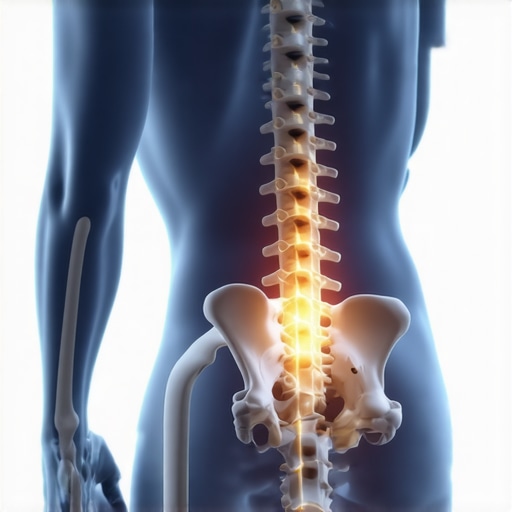
It was a typical Tuesday afternoon when I felt that familiar twinge in my lower back—sharp, unexpected, and downright frustrating. I tried to ignore it, thinking it was just another muscle knot or a sign I’d overdone it during my last workout. But as days went on, the pain stubbornly lingered, radiating into my hip and down my leg. That’s when I had a lightbulb moment: what if my back pain was actually stemming from my hips all along? This realization changed everything about how I approached my recovery, and I want to help you do the same.
Why You Should Watch Out When Back Pain Isn’t Quite What It Seems
Chances are, you’ve experienced the agonizing backache that just won’t go away, no matter how many stretches or painkillers you try. But here’s the tricky part—sometimes, what feels like a back problem is actually originating from the hips. Misdiagnosing this can lead us down the wrong path, wasting time and potentially worsening the issue.
So, what clues reveal that your back pain might be a hip issue in disguise? Early on, I made the mistake of attributing all my discomfort solely to my lumbar spine, ignoring the subtle signs that pointed elsewhere. In fact, a study published in the *Journal of Orthopaedic & Sports Physical Therapy* highlights that hip dysfunction often mimics lower back problems, making it easy to misattribute the pain and delay effective treatment. Recognizing these signs early can save you discomfort and speed up your healing process.
Have you ever experienced pain that doesn’t quite fit the typical back pain pattern? If so, stay tuned. I’ll walk you through the three key signs that your hip might be the real culprit—and how to address it properly. Understanding these can makes a world of difference in reclaiming your mobility and feeling like yourself again.
Identify the Root Cause with Proper Assessment
Start by isolating whether your hip is truly the source of your back pain. Lie on your back, bend one knee, and gently lift your foot off the ground. If this movement causes more pain or restriction compared to the other side, it indicates a hip issue. I once spent a weekend doing endless stretches, only to realize after a simple test that my pain was rooted in tight hips. Recognizing this early saved me from unnecessary treatments.
Incorporate Specific Hip Mobility Exercises
Enhance your hip flexibility with targeted moves. For example, the 90-90 hip drill is effective for freeing up restricted hip joints. Lie on your side with knees bent at 90 degrees, then gently move your top knee forward and backward. Doing this daily helped me loosen tightness that radiated into my back, providing noticeable relief within a week.
Strengthen Supporting Muscles
Focus on building strength in your glutes and core to stabilize your pelvis. Exercises like bridges and clamshells reinforce these areas. I added glute bridges every morning, ensuring I kept my hips aligned during daily activities. Strengthening these muscles prevented my hips from compensating improperly, which was causing my back discomfort.
Adjust Daily Habits and Posture
Evaluate habits that may worsen hip and back strain. Sitting for prolonged periods can tighten hip flexors. I started taking 5-minute breaks every hour, performing simple stretches like the hip flexor stretch, which significantly alleviated stiffness. Proper ergonomics—such as sitting with feet flat and hips at 90 degrees—also played a vital role in my recovery.
Apply Heat and Cold for Relief
Use heat to relax tight hip muscles or cold to reduce inflammation. I found alternating between warm compresses and ice packs helped manage flare-ups effectively. For a quick fix, a warm towel on my hips before stretching enhanced flexibility and lessened pain during exercise.
Progress Gradually with Consistency
Rebuilding mobility takes time. I committed to a daily routine combining stretching, strengthening, and posture correction. Over weeks, my back pain diminished, and my hips felt more loosened. Remember, patience and consistency are key—avoid rushing into intense workouts too soon to prevent setbacks.
Many assume that back or neck pain always originates from the spine itself, but in my experience, that’s often an oversimplification. A common misconception is believing that strengthening your back muscles alone will resolve persistent discomfort, yet sometimes, the real culprit lies in subtle issues like poor pelvic alignment or compensatory movement patterns. For example, a study in the *Journal of Orthopaedic & Sports Physical Therapy* emphasizes that misalignments in the hips or pelvis can significantly influence spinal health, yet these factors are frequently overlooked or misunderstood by general practitioners. This oversight can lead to ineffective treatments and prolonged suffering. Furthermore, many are duped by common myths such as the idea that rest is always best immediately after pain onset; in reality, movement and targeted mobility exercises often accelerate recovery when properly tailored. An advanced mistake I see many make is neglecting the importance of neuromuscular control—how your brain communicates with muscles—which plays a vital role in stability and pain prevention. Improving proprioception through specific drills can offer long-term benefits beyond mere muscle strengthening. When addressing chronic pain, it’s crucial to assess hidden factors like habitual postures, subtle asymmetries, or even emotional stress, which have profound effects on physical symptoms. Do you fall into the trap of overlooking these nuances? If so, exploring expert strategies, like detailed movement assessments or advanced mobility routines, can make all the difference. For comprehensive guidance, consider checking out these tips on managing back pain in 2025. Remember, understanding the nuanced factors can transform your approach from reactive to proactive, ultimately restoring lasting mobility and comfort.Maintaining your back, neck, and overall mobility over time requires more than just sporadic exercises; it involves investing in the right tools and consistent practices that support your progress. One of my favorite essentials is the foam roller, particularly a firm, textured variant. I personally use the **TriggerPoint GRID Foam Roller** because its surface mimics hands-on massage, helping to release myofascial restrictions that can build up from daily activities. Regular rolling on this device has been pivotal to maintaining my tissue elasticity and preventing chronic tension. Additionally, incorporating a **Lumbar Support Cushion** like the **Everlasting Comfort Memory Foam Seat Cushion** helps me keep proper posture during long hours at the desk, which aligns with advice from [bodyrenewtherapy.com](https://bodyrenewtherapy.com/the-truth-about-standing-desks-and-your-lower-back-health) about ergonomic support. Moving beyond hardware, I rely heavily on mobility apps such as **MobiliseMe**, a software platform that guides me through daily mobility drills tailored specifically for spinal health. The app’s structured routines—focusing on hip, thoracic, and neck mobility—have proven to be comprehensive and adaptable. Looking ahead, I predict a surge in smart, wearable tech integrated with AI to personalize mobility routines further, making maintenance even more effective. For ongoing success, I recommend setting aside 10-minute daily routines using these tools to reinforce your gains and address emerging tightness or weakness before they become serious issues.
How do I keep my mobility routines effective over years?
Consistency is key. Rotate your foam roller sessions with dynamic stretches, like the **90-90 Hip Drill** or **Thoracic Bridge Move**, ensuring you’re not just avoiding pain but actively enhancing your range of motion. I also favor digital tracking—using notes or apps—to monitor progress, which helps stay motivated and adjust exercises as needed. Remember, even the best tools won’t work if you neglect their regular use. Schedule your maintenance, and treat it as vital as any appointment. For more advanced insights, exploring [unlocking mobility tips in 2025](https://bodyrenewtherapy.com/unlocking-mobility-expert-tips-on-managing-back-pain-in-2025) offers a glimpse into future innovations. Start today by integrating one new tool—perhaps adding a mobility app or foam roller session—and observe how your long-term comfort improves. Don’t wait for discomfort to worsen—early and consistent intervention is your best strategy for lasting health.Throughout my journey recovering from persistent back pain, I learned that some of the most valuable insights come from unexpected lessons and honest self-reflection. Here are three deeply personal revelations that transformed my approach to pain management and mobility:
Lessons That Changed My Perspective on Pain Manipulation
• I realized that pain isn’t always a sign of damage but often a communication from my nervous system indicating underlying issues, like tight hips or poor posture, that need attention beyond just painkillers.
• Relying solely on traditional strength exercises sometimes masked deeper imbalances; integrating mobility work and neuromuscular control made a profound difference.
• The importance of listening to my body’s subtle signals taught me patience, reminding me that consistent, nuanced care yields better results than quick fixes.
The Tools That Revolutionized My Mobility Routine
• The 90-90 hip drill became my staple for unlocking tight hips and alleviating lower back tension—it’s simple but incredibly effective.
• A sturdy foam roller like the TriggerPoint GRID helped me release myofascial restrictions, which significantly reduced discomfort and improved tissue elasticity.
• Incorporating daily posture and ergonomic adjustments—such as proper desk setup and mindful movement—prevented setbacks and fostered long-term stability.
The Power of Personal Commitment and Small Changes
• I discovered that dedicating just 10 minutes daily to targeted mobility and strengthening exercises can cumulatively lead to life-changing results.
• Tracking progress through notes or apps kept me motivated and ensured I stayed consistent in my efforts.
• Embracing a mindset of proactive prevention, rather than reactive repair, turned my pain management into a sustainable lifestyle. These insights didn’t just improve my physical health—they reignited my confidence in moving freely and living fully. If you’re ready to go beyond generic advice and discover what truly works for your unique body, exploring comprehensive strategies like the latest mobility tips for 2025 is an excellent next step. Remember, meaningful change begins with understanding yourself better and committing to gentle, consistent action. Your journey to lasting relief is worth every small step—trust the process as I did.