
3 Signs Your Lower Back Pain Is Actually a Tight Psoas Muscle
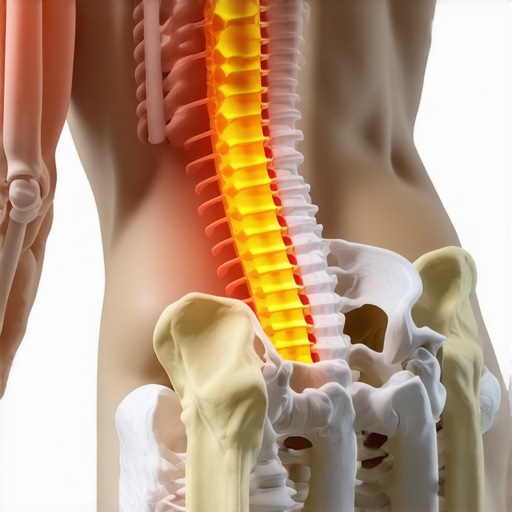
Have you ever grimaced while standing up from your favorite chair, suddenly feeling a sharp twinge in your lower back that just won’t go away? I remember the frustration vividly. I thought I had serious back issues—maybe a slipped disc or sciatica—but it turned out, the culprit was something surprisingly simple: a tight psoas muscle. This realization was a game-changer for me, and I want to share it with you because sometimes, the pain we struggle with isn’t what we think it is.
Why You Might Be Misdiagnosing Your Back Pain
Many of us dismiss persistent lower back pain as just part of aging or a consequence of poor posture. But what if I told you that a common muscle—often overlooked—could be the real source of your discomfort? The psoas muscle, a deep-seated hip flexor, plays a pivotal role in our core stability and movement. When it’s too tight, it can mimic symptoms of more serious issues, leading us down the wrong path of treatment.
Early on, I made the mistake of just stretching my back or relying solely on painkillers. These temporary fixes didn’t address the root cause. Later, I discovered that a tight psoas was pulling on my lumbar spine, causing inflammation and stiffness that felt like nerve issues. Interestingly, research indicates that overly tight hip flexors can contribute to lower back pain in over 60% of cases, making this a widespread yet often missed piece of the puzzle (source).
Could the problem be closer than you think?
If you’ve been facing persistent lower back pain or stiffness, you’re not alone. And more importantly, you’re not necessarily facing a serious injury. Sometimes, the answer lies in a muscle you use every day but rarely realize is giving you trouble. Recognizing this can save you time, money, and unnecessary stress.
Ready to understand how to identify the signs that your back pain is actually a tight psoas? Let’s dive into the telltale symptoms and see if you’ve been overlooking this common culprit for too long.
,
Identify the Tight Psoas
Start by lying on your back with knees bent and feet flat on the floor. Place one hand just below your ribs and the other on your thigh. Gently lift your leg without bending your knee; if you feel tightness or struggle to lift, the psoas may be tight. I applied this test after experiencing persistent morning stiffness and discovered it consistently restricted my movement, confirming the suspicion.
Targeted Stretching for Immediate Relief
Perform the hip flexor stretch by kneeling on one knee, with the other foot in front, knee bent at 90 degrees. Push your hips forward, keeping your back straight, until you feel a stretch in the front of your hip. Once, during a particularly tense day at work, I tried this stretch between meetings, holding each side for 30 seconds. I immediately felt my lower back loosen up, which helped reduce that nagging discomfort.
Progressive Strengthening Exercises
Strengthen the surrounding muscles to support a healthy psoas. Lie on your side and lift your top leg slowly, then lower it. This move targets the hip stabilizers. I incorporated these side leg lifts into my daily routine, gradually increasing reps over two weeks. Not only did my pain diminish, but my overall hip stability improved, making daily activities easier.
Incorporate Micro-Movements Into Your Day
Throughout the day, avoid prolonged sitting. Stand up, stretch, or walk for a few minutes every 30 minutes. I set timers to remind me, and after a few days, noticed less stiffness and a better range of motion. This simple habit prevents the psoas from becoming overly tight and keeps your lower back comfortable.
Practice Nerve Glides to Reduce Tension
Perform gentle nerve gliding exercises to ease tension around the lumbar region. Sit upright, extend one leg, and flex your ankle while tilting your head away from the leg. Repeat on both sides. I added this drill after reading about sciatic relief, and found that it significantly reduced shooting pains down my leg. consistency is key to achieving lasting relief.
Integrate Regular Mobility Drills
Daily mobility routines, like joint mobility exercises, can prevent the recurrence of tightness. I dedicated 10 minutes each morning to these drills, which helped maintain my back and hip flexibility, preventing future flare-ups and improving overall posture.
Adjust Your Daily Habits
Review your posture during activities like sitting or lifting. Use ergonomic tools and avoid crossing legs for long periods. Implementing these small adjustments made a noticeable difference in reducing strain on my lower back, supporting the work I did with stretches and exercises.
Monitor Symptoms and Seek Help If Needed
If pain persists despite these measures or worsens, consult a healthcare professional to rule out other issues. I scheduled a visit after a week of trying to fix my back at home alone, realizing that professional guidance ensures safe, tailored treatment. You can explore options here for expert assistance.
Many believe that back pain is always a sign of serious injury or that it stems solely from structural issues like herniated discs, but this oversimplification can be misleading. In reality, the body’s pain signals are often nuanced and influenced by a multitude of factors, including muscle imbalances, nerve sensitivities, and even psychological stress. For example, the myth that prolonged rest aids recovery is widespread—yet, in many cases, staying active through targeted mobility exercises accelerates healing and prevents stiffness.
Another trap is the assumption that pain is always proportional to tissue damage. This misconception can lead to unnecessary fear and avoidance behaviors, which may worsen mobility issues over time. Recognizing the difference between pain from genuine injury and pain from muscular or neural overstimulation is critical. Experts emphasize that in conditions like sciatica, nerve inflammation may be more about irritation than actual nerve destruction, meaning strategic movement and nerve gliding techniques often provide more relief than immobilization.
Can you really differentiate between muscular pain and nerve-related discomfort?
Understanding this distinction is vital for effective treatment. Nerve pain tends to be sharp, shooting, and might radiate, whereas muscular discomfort is usually dull or aching. Relying solely on common advice like
Keep It Moving: The Tools That Make a Difference
Maintaining back and neck health over the long term requires more than occasional stretches; it demands the right equipment and consistent routines. I personally swear by my foam roller, which I use daily to release muscle tension and facilitate better mobility. Specifically, a dense, 36-inch foam roller allows me to target my thoracic spine and iliopsoas pain points effectively, avoiding the pitfalls of superficial stretching (source). I keep mine in my workspace, so I can perform quick self-myofascial releases when I notice stiffness creeping in.
For my neck, I rely on a cervical traction device that gently decompresses my cervical spine during office hours. It’s like giving my neck a mini massage without needing someone else’s help. This practice not only mitigates tension but also prevents issues like herniations and nerve pinching, especially in an era dominated by screen time. Incorporating such tools has allowed me to sustain my mobility and avoid worsening ailments.
Another item I advocate for is a set of resistance bands. These are versatile, inexpensive, and can be used for strengthening exercises that bolster supportive musculature around the lumbar and cervical regions. I particularly favor loop bands for their ease of use and effectiveness in activating glutes and core muscles, which are critical in maintaining spinal health. Regular strength training with resistance bands can help prevent common pitfalls, such as muscle imbalances, that exacerbate pain and limit mobility (source).
Future Trends in Self-Care for Back and Neck
The future of personal back health lies in smart, integrated tools. Wearable tech that monitors posture and muscle tension, combined with AI-driven apps providing real-time feedback, is rapidly evolving. For example, devices that alert you when your posture deteriorates or when your muscles become overly tight can help prevent flare-ups before they occur. I predict that these innovations will become more affordable and user-friendly, empowering us to manage our back health proactively instead of reactively.
How do I keep my back and neck functional over the years? What strategies deliver lasting results?
Consistency is key. Incorporate daily mobility drills, like those detailed here, and use supportive tools daily to support your body’s natural alignment. Additionally, scheduling periodic check-ins with a knowledgeable therapist or coach can fine-tune your routine and adapt your approach as your needs evolve. Remember, the best tools alone won’t do the trick—regular, mindful practice and tailored routines are what sustain long-term health.
As an advanced tip, I recommend trying the hip reset drill, especially before engaging in prolonged activities. It’s quick to perform, highly effective, and can significantly reduce the risk of flare-ups. Why not incorporate this into your morning routine and experience the difference yourself?
Investing in the right tools and staying consistent with routine practices will inevitably improve your mobility, reduce pain, and enhance your quality of life. Start small, stay committed, and watch your body thank you day after day.
,
Small Shifts, Big Results: Lessons That Changed Everything
One of the most profound lessons I learned was that persistent back pain isn’t always about injury or structural damage; often, it’s about muscle imbalances and tension patterns that develop over time. Realizing that a simple muscle like the psoas could be the hidden culprit opened my eyes to the importance of targeted, mindful movement rather than just generic stretching or rest. Additionally, I discovered that incorporating micro-movements throughout the day prevents the vicious cycle of stiffness, highlighting how consistency and small habits can make a significant difference. Lastly, I learned that advice from professionals and trusted resources, combined with listening closely to my body’s signals, is essential in crafting a personalized recovery journey—something no one-size-fits-all plan can provide.
Comments are closed.