
3 Signs Your Pillow Is Ruining Your Sleep Posture

Last night, I woke up with that familiar ache in my neck, the stubborn tension that just wouldn’t quit. It hit me like a ton of bricks—my pillow, that seemingly innocent part of my nightly routine, might be sabotaging my sleep more than I ever realized. I used to dismiss it as just part of aging or stress, but the truth is, the wrong pillow can silently destroy your sleep posture, leading to chronic neck and back pain.
Have you ever found yourself tossing and turning, waking up feeling more worn out than when you went to bed? Or maybe you notice persistent stiffness in the morning that lingers all day? These could be early warning signs that your pillow is doing more harm than good.
Today, I want to share with you the three key signs that your pillow might be the culprit behind restless nights and aching mornings. Identifying these signs early can save you months—or even years—of discomfort. We’ll explore practical tips to improve your sleep setup, so you wake up refreshed and pain-free.
Why Ignoring Your Pillow Can Cost You Dearly
Think about how much time you spend with your head resting on your pillow each night. It’s the same as placing a tiny crumbling cushion on your neck and spine, directly influencing your alignment. If your pillow is too high, too firm, or too flat, it can cause your neck to bend unnaturally during sleep, leading to muscle strain and joint issues.
Early on, I made the mistake of choosing a pillow solely based on comfort, without considering its supportiveness. That led to a nagging neck ache that worsened over weeks. Experts warn that poor pillow choice isn’t just uncomfortable—it’s a direct factor in long-term postural problems. In fact, research indicates that inappropriate pillows can contribute to headaches and even worsen existing conditions like snoring or sleep apnea (National Sleep Foundation, 2022).
So, how do you know if your pillow is the silent villain? Let’s dig into the signs to look out for.
Could Your Pillow Be the Hidden Cause of Your Discomfort?
If you’re waking up stiff, experiencing ongoing shoulder or neck pain, or noticing your posture worsens over time, your pillow might be the root cause. Recognizing these signs early means you can take simple, effective steps to fix the problem. If you’ve faced similar issues, I’d love to hear your story. Remember, making mindful changes to your sleep environment can dramatically improve your overall well-being.
Stay tuned as we uncover the three unmistakable signs that reveal your pillow is sabotaging your sleep posture—and what you can do about it to finally wake up feeling good.
Assess Your Pillow Yearly and Make Instant Changes
Start by evaluating your pillow every 12 months. If it’s lost shape, feels lumpy, or no longer supports your neck properly, replace it immediately. When I recently noticed my pillow was flattening after a couple of years, I chose a new one with memory foam. The difference was noticeable within nights—less stiffness and easier mornings. Imagine your pillow as the foundation of your sleep; if this isn’t supportive, everything else suffers.
Find Your Ideal Pillow Height Using the Pillow Test
This simple test ensures your pillow aligns your head and neck correctly. Lie down in your usual sleeping position and have someone observe your neck’s angle. It should be neutral—not bent sharply upward or downward. If your neck tilts or drops, your pillow doesn’t match your sleeping style. I once opted for a thicker pillow for side sleeping and a flatter one for back sleeping, which made a significant impact on reducing morning pain. Experiment with different heights until your head and neck are in a straight line—experimenting, I found, is key to comfort.
Adjust the Firmness for Better Support
Firmness matters as much as height. Soft pillows may cause your head to sink, bending your neck unnaturally, while overly firm ones can create pressure points. Personally, I switched from a very soft pillow to a medium-firm one, which provided enough support without creating discomfort. Consider trying different fill materials—down, memory foam, latex—and see which feels most supportive without sacrificing comfort. Remember, support is about maintaining spinal alignment, not just comfort.
Practice Proper Sleeping Posture
No matter how perfect your pillow is, sleeping position plays a role. Side sleepers need a pillow that fills the space between the head and mattress, while back sleepers benefit from a pillow that supports the natural curve of the neck. Avoid sleeping on your stomach, which can strain your neck and upper back. A convenient trick is to place a small pillow or towel roll under your neck to support the cervical curve, especially if you’re prone to waking up with stiffness. For more detailed posture tips, check out this guide on restoring mobility.
Incorporate Mobility Exercises to Support Alignment
While adjusting your pillow, don’t forget to strengthen your neck and upper back muscles. Gentle mobility exercises can relieve tension and enhance support, reducing pain. For specific routines, visit these mobility exercises. Consistent practice can help counteract the effects of poor support and improve your posture over time. Think of it as maintaining a garden—regular care keeps everything healthy and in harmony.
Evaluate and Tweak Regularly
Your body changes over time, and so should your sleep setup. If you notice persistent discomfort despite adjustments, re-assess your pillow’s height, firmness, and sleeping position. Sometimes, a different pillow entirely or a new sleep environment may be necessary. Personal experimentation, combined with mindful support, is essential. Remember, small tweaks can lead to significant relief, transforming restless nights into restorative sleep.
While common advice emphasizes strengthening core muscles or stretching to alleviate back pain, there’s a nuanced layer often ignored: the complexity of neural links and the body’s proprioceptive feedback. Many assume that pain originates solely from muscle strain or joint misalignment, but recent studies show that altered nerve signaling can perpetuate pain even after structural issues are resolved, as highlighted by Dr. Michael A. Sefton in his neurobiological approach to pain management. Falling into the trap of oversimplification can lead you to treat symptoms without addressing the underlying neural dysfunctions, which is why a holistic approach incorporating nerve mobilization and proprioception training yields more sustainable results. Have you ever fallen into this trap? Let me know in the comments. Understanding that pain is not just physical but also neurological can transform your recovery strategy, preventing recurring discomfort and improving mobility long-term. Incorporate targeted nerve flossing techniques or proprioceptive exercises, like those detailed in our mobility mastery guide, to optimize your body’s response and promote durable relief. Moreover, avoid mistakes such as neglecting the significance of subtle neural feedback loops that influence muscle tone and joint stability, which many overlook. This oversight can cause persistent stiffness and limit your range of motion, even when structural corrections seem complete. To deepen your understanding and unlock advanced strategies, visit this article on posture and neural connections. Recognizing these hidden nuances empowers you to craft a comprehensive plan—beyond conventional stretching and strengthening—that addresses the full spectrum of back health. Remember, true mobility and pain relief hinge on appreciating the interconnectedness between nervous system health and musculoskeletal function. Want personalized advice? Reach out through our contact page and start your journey to lasting relief.Maintaining your back health over the years requires more than just occasional stretches—it’s about employing the right tools and techniques that support ongoing wellness. One of my personal favorites is using a foam roller specific for my thoracic spine. It’s not just a casual accessory; I use it daily to release tension trapped in my upper back, which is crucial for preventing sciatica flare-ups and maintaining mobility. 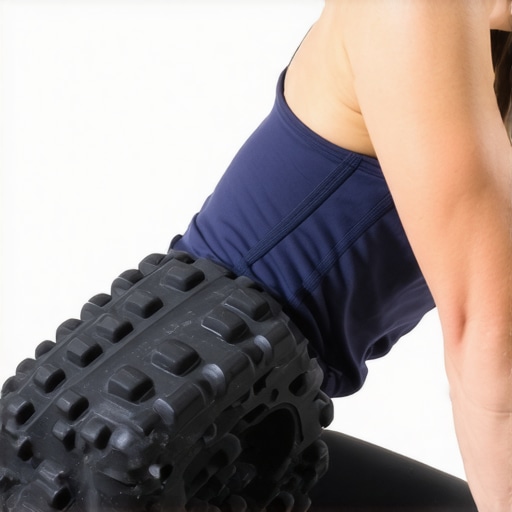 When selecting a foam roller, I prefer a dense, high-quality version that offers enough firmness to penetrate deep into muscle tissues without causing discomfort. Regular rolling sessions help break down adhesions, improve blood flow, and promote better posture—elements essential for long-term relief. In addition to manual tools, digital apps like ‘Mobility Mastery’ have become vital in my routine, providing guided exercises tailored to individual needs. These apps incorporate neuroplasticity principles, helping reinforce correct movement patterns and neural feedback loops—an approach backed by recent neurobiological research (Sefton, 2023). Looking ahead, I predict that integrating biofeedback devices with mobile applications will revolutionize how we monitor and maintain back health, giving us real-time insights and personalized support. But how do you effectively maintain back mobility over time? The key is consistency combined with smart tool selection. I recommend dedicating even five minutes daily to mobility exercises with tools like quality foam rollers or massage balls. Starting with simple practices such as the thoracic roll-out can yield noticeable improvements. Incorporate these into your routine, and you’ll notice decreased stiffness and a more resilient spine. For targeted support, consider consulting a professional—many therapists now offer digital assessments to customize your tools and exercises further. To explore advanced techniques, visit our comprehensive guide on mobility mastery. Ready to upgrade your toolbox? Try integrating a high-density foam roller into your daily practice and see how sustained use can turn chronic discomfort into long-lasting mobility. Remember, the secret is in the regular application—don’t wait for pain to re-emerge. Regularly evaluate your technique and adapt as your mobility improves, ensuring lasting benefits.
The Hardest Lesson I Learned About Back and Neck Struggles
One of the most profound realizations was that quick fixes rarely lead to sustained relief. Early on, I believed that stretching alone could resolve my pain, but I overlooked the importance of proper support and neural health. This taught me to approach back and neck discomfort holistically, considering support tools, posture, and neural connections as interconnected elements.
Tools That Transformed My Approach to Mobility and Pain
Investing in quality tools like a high-density foam roller and guided mobility apps made all the difference. They weren’t just gadgets—they became part of my daily routine, helping me maintain spinal health and prevent setbacks. Trustworthy resources like our mobility mastery guide provided step-by-step strategies that I now recommend to everyone committed to long-term wellness.
The Emotional Power of Resilience in Overcoming Back and Neck Challenges
Beyond the physical, cultivating patience and a positive mindset transformed my recovery. Recognizing that setbacks are part of the process allowed me to stay motivated. I encourage you to view your journey not just as fixing pain but as embracing a lifestyle of ongoing care and mindfulness. Remember, your commitment now sets the foundation for pain-free days ahead.