
3 Simple Fixes for Your Work-From-Home Setup
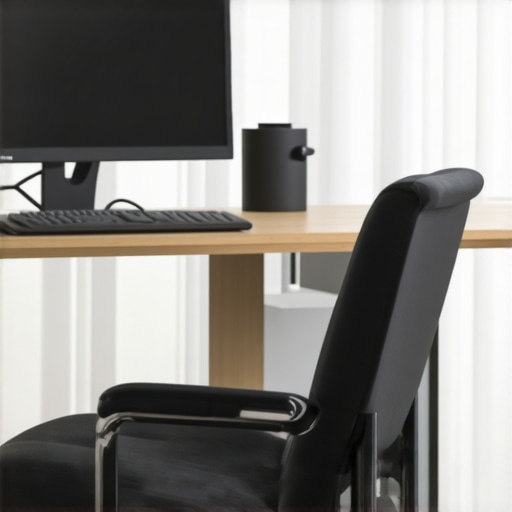
It was a moment I won’t forget—waking up with a stiff neck, unable to turn my head without sharp pain shooting down my shoulder. I had been neglecting how my workspace was affecting my body, and suddenly, I paid the price. If you’ve ever experienced that frustrating feeling of persistent neck or back pain after a long day of working from home, you’re not alone. Many of us underestimate how small adjustments in our environment can make a world of difference.
Today, I want to share with you the three simple fixes I discovered that transformed my work-from-home experience. These aren’t about buying fancy gear or spending hours on complicated stretches. Instead, they’re straightforward tweaks anyone can do, even during a busy day, to prevent pain from creeping in or to find relief if you’re already suffering.
But let’s be real—you’re probably skeptical, right? “Are these quick fixes really effective?” I get it. I made a mistake early on when I thought just sticking to my routine, no matter how uncomfortable, was fine. That ended up causing more strain and longer recovery times. It wasn’t until I learned that small, targeted adjustments could drastically improve my posture and reduce pain that I saw real change.
So, are these fixes worth trying? Absolutely. And as an added bonus, they can help you stay focused and productive, since discomfort is a major distraction. If you’re tired of the constant ache or that nagging numbness, stick with me. We’re about to turn your workspace into a pain-free zone.
Why Your Work Setup Might Be Causing More Than Just Discomfort
Adjust Your Monitor Height for Instant Relief
When I first started working from home, I overlooked how my monitor’s position was straining my neck. One day, I elevated my laptop using a few stacked books so that the top of the screen was at eye level. Immediately, I noticed less tension in my neck, and after a week, the persistent stiffness faded. To do this effectively, adjust your screen so you’re looking straight ahead, avoiding the need to tilt your head up or down. Learn more about perfect ergonomics at ergonomic tips for everyday comfort.
Many believe that neck and back pain are simple issues caused by bad posture or poor movement habits, but the reality is far more complex. A common misconception is that pain always originates from the area where it’s felt; however, studies show that referred pain patterns and neural reflexes can send discomfort signals from distant tissues or even internal organs, making accurate diagnosis challenging. For instance, some patients experience neck stiffness due to subtle thoracic spine restrictions or even visceral issues, which a superficial assessment might overlook. Embracing this complexity requires a nuanced understanding beyond the usual stretching and strengthening routines. An error I often see is oversimplifying treatment approaches, such as believing that foam rolling or generic stretches will resolve deeply rooted neural or fascial dysfunctions. In fact, indiscriminate use of such methods can sometimes exacerbate the problem, especially if underlying structural or neurological issues are ignored.
Why do most common treatments for neck and back pain fall short for long-term relief?
This question highlights the importance of a holistic approach. According to expert Dr. Stuart McGill, addressing only symptoms without correcting the root causes—such as abnormal movement patterns, tissue restrictions, or compensatory behaviors—limits the effectiveness of interventions. For example, a patient might experience relief temporarily through massage therapy, but unless they identify and modify their dysfunctional movement habits, the pain is likely to return. Furthermore, many individuals fall into the trap of looking for quick fixes, neglecting the need for integrated strategies that include neurological, fascial, and muscular considerations. This is why understanding the nuanced interplay between different tissues and systems in the body is critical for durable relief. For those curious about how to identify and correct these deeper issues, exploring comprehensive solutions like those offered [here](https://bodyrenewtherapy.com/neck-pain-and-stress-how-to-break-the-cycle-for-good) can be enlightening. Remember, persistent pain often signals that something more intricate is at play, demanding both awareness and a tailored plan of action. Don’t forget to consult with qualified professionals to avoid making common mistakes that could prolong your recovery journey. Have you ever fallen into this trap? Let me know in the comments.
Maintaining your mobility and minimizing pain over the long haul requires more than just quick fixes; it demands specific tools and consistent practices. Personally, I swear by a few key items that have proven invaluable in my journey to a healthier spine. One such tool is the percussive massage device. I use the Hyperice Hypervolt daily to target my fascia and muscle knots, which helps prevent the recurrence of neck stiffness and back tension. Its adjustable speed settings and interchangeable heads allow precise treatment, making it easy to incorporate into my routine even during busy days.
Another must-have in my toolkit is a high-quality foam roller, but not just any foam roller—the RumbleRoller has a textured surface that stimulates proprioception and breaks fascia adhesions more effectively. I target my thoracic spine and hips regularly with it, ensuring my posture stays aligned and my muscles stay pliable. Regular use of a foam roller can mitigate the effects of prolonged sitting and help sustain mobility, as outlined in this detailed guide.
For maintaining proper posture during the day, I rely on a posture corrector with discreet reinforcement. Using it for short periods helps retrain my subconscious to maintain a neutral neck and spine position. Combining this with ergonomic adjustments, like elevating my monitor to eye level (see ergonomic tips), has been game-changing.
In terms of software or applications, I use a reminder app to prompt me to take micro-breaks and perform quick stretches — these tiny efforts add up over time. Additionally, exploring biofeedback devices that monitor muscle tension offers real-time insights, encouraging me to adjust before discomfort becomes chronic.
Looking ahead, I predict that technology will increasingly personalize recovery protocols. Wearables that analyze movement patterns and offer instant feedback could transform how we prevent pain the moment early signs appear. Incorporating advanced tools now, like my massage gun or foam roller, positions us well for this evolving landscape.
How do I maintain years of pain-free mobility?
Consistent use of targeted tools combined with mindful ergonomics is vital. Regularly dedicate a few minutes daily to rolling out fascia, adjusting your workspace, and practicing posture awareness. If you’re serious about long-term results, I recommend trying the advanced neck and back mobility exercises that complement these tools. For example, a simple yet effective tip is to perform the 10-second breathe-through technique during your breaks to release tension further.
Ready to take your relief to the next level? Start with the foam rolling technique I mentioned and gradually add in the massage gun sessions. Over time, you’ll notice sustained improvements in your mobility and reductions in pain episodes. Remember, the key is consistency and selecting the right tools that suit your body’s specific needs. To fine-tune your approach, consider consulting with a professional via this contact form.
The Hardest Lesson I Learned About Neck Pain and Mobility
One of the most profound realizations I had was that pain isn’t always directly where it feels like it is. Often, lingering discomfort comes from hidden sources like fascial restrictions or neurological triggers that aren’t addressed by simple stretches. This taught me to look deeper and question assumptions, embracing a comprehensive approach instead of quick fixes.
Why Relying Solely on Foam Rollers Can Sabotage Your Progress
Early on, I believed that foam rolling was the ultimate remedy for tight muscles. However, I discovered that indiscriminate or aggressive use can aggravate underlying issues, especially if deeper neural or fascial dysfunctions exist. Recognizing when to pause and seek tailored strategies made all the difference in my recovery journey.
What No One Tells You About Posture Correctors and Long-Term Relief
Using posture aids provided immediate reassurance, but I realized that overdependence could weaken my natural muscles and proprioception. The key was to integrate ergonomic adjustments with active strengthening exercises, fostering sustainable habits rather than temporary crutches.
Curated Tools That Changed My Approach to Neck and Back Health
- Percussive Massage Devices — Devices like the Hyperice Hypervolt help keep fascia pliable and are easy to incorporate into daily routines, preventing chronic tension buildup.
- High-Quality Foam Rollers — Specifically, textured rollers like the RumbleRoller stimulate proprioception and break fascia adhesions more effectively than smooth ones, enhancing mobility.
- Posture Correction Accessories — Discreet supports combined with ergonomic workspace setups train your body to maintain healthier alignment over time.
- Micro-Break Reminders and Biofeedback Apps — These prompts keep you mindful of posture and tension, reinforcing positive habits during busy days.
Your Journey Starts Now — Take That First Step
Remember, overcoming neck and back pain is a marathon, not a sprint. Small, consistent adjustments—like improving your workspace setup, incorporating targeted tools, and listening to your body’s signals—can lead to lasting relief. Don’t let fear of change hold you back; empower yourself with knowledge and patience, and watch your mobility flourish.
What’s one small change you’re willing to try today to improve your neck or back health? Share below — your journey might inspire someone else to take that first step.