
3 Sitting Errors That Cause Sharp Leg Pain
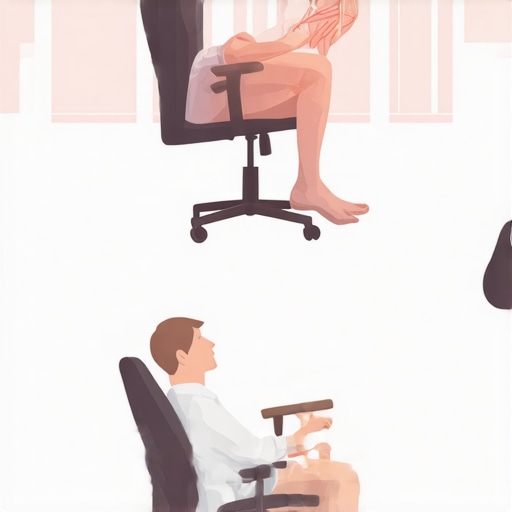
Ever felt that sudden jolt of sharp pain shooting down your leg after a long day at the desk? I sure have. One moment I was typing away, and the next, my leg was acting up—tingling, sharp, almost rebellious. It was a frustrating cycle that made me wonder if I was doomed to live with this discomfort forever. But here’s the lightbulb moment: I realized that my sitting habits were secretly sabotaging my mobility and causing that dreaded leg pain.
How My Poor Sitting Posture Turned Against Me
At first, I brushed it off as just another bad day. But the pain persisted, becoming more frequent and intense. That’s when I started paying closer attention to how I was sitting. I discovered that certain postures and habits—like crossing my legs all the time, slouching without support, or staying in the same position for hours—were major culprits. It’s easy to dismiss these as minor quirks, but they add up quickly, leading to nerve compression and muscular imbalances, which in turn fuel that sharp leg pain.
Is Your Sitting Style Really Worth the Risk?
I made a mistake early on—ignoring my posture entirely. I thought a comfortable chair and a relaxed position meant I was safe. Turns out, that’s far from the truth. Studies have shown that poor sitting habits can contribute to chronic lower back issues and sciatic nerve irritation, which often manifest as sharp leg pain (source: Body Renew Therapy).
If you’re currently ignoring your sitting habits, ask yourself: Have you noticed numbness, tingling, or that sudden stabbing sensation in your leg after hours of sitting? If yes, then this post is exactly what you need to help identify and fix those sneaky mistakes before they take a bigger toll on your mobility and comfort.
In the next sections, I’ll walk you through the specific sitting errors that have a nasty habit of causing sharp leg pain—and more importantly, how to correct them starting today. It’s time to take control and keep that pain at bay, so you can sit, stand, and move with confidence again.
Adjust Your Sitting Posture Immediately
Start by evaluating how you sit during your workday. Sit with your feet flat on the floor, knees bent at a 90-degree angle, and hips pushed back against the chair. Imagine your pelvis as a bowl of water; avoid tilting it forward or backward excessively, which can strain your lower back and irritate the sciatic nerve. I once caught myself slouching and realized my lumbar curve vanished, causing my pain to spike. Correcting this simple position immediately reduced my discomfort and improved my focus.
Use Ergonomic Supports Effectively
Invest in a lumbar roll or a cushion designed to support your lower back’s natural curve. Place it snugly behind your lumbar region when sitting. This mimics a natural spine position, preventing slouching. I experimented with different pillows until I found one that maintained my lumbar lordosis, and my leg tingling episodes diminished significantly. Proper support keeps nerves from compression and muscular strain at bay.
Incorporate Movement Intervals
Set a timer to remind yourself to stand and stretch every 30 minutes. Simple movements like hip circles, forward bends, or spinal twists awaken muscles and relieve tension. Think of your muscles as rubber bands—if kept stretched in the same position too long, they lose elasticity, leading to nerve compression. I practiced a quick 30-second stretch after every half hour of sitting. The results? Less numbness and a notable decrease in pain intensity.
Sit on the Edge and Engage Core Muscles
Sit toward the edge of your chair so you activate your core muscles naturally. Engaging your abdominal muscles creates stability for your pelvis, reducing unwanted shifts that irritate the sciatic nerve. Picture your core as the anchor holding everything steady—the stronger it is, the less your lower back and legs will suffer from prolonged poor posture. I added gentle core activation exercises during breaks, which helped me stand longer without discomfort.
Adjust Your Workspace for Optimal Alignment
Position your monitor at eye level to prevent leaning forward, which causes neck and upper back strain that can cascade downward. Your keyboard and mouse should be close enough to avoid reaching or hunching over, maintaining relaxed shoulders. Think of your workspace as a command center—organized to promote natural alignment. I shifted my monitor and mouse, reducing shoulder hunching, which indirectly lessened the pressure on my lower back and legs, alleviating pain.
Practice Correct Lifting Techniques and Posture Habits
When lifting objects or reaching for items, bend at your hips and knees, not your waist. Think of your hips as a hinge—keep your back straight and engage your leg muscles. This method distributes weight evenly and minimizes lumbar disc strain. I caught myself bending from the waist during quick errands; correcting this habit made a noticeable difference in my leg pain, especially after lifting heavier objects.
Implement Consistent Stretching and Self-Massage
Stretch tight hip flexors and hamstrings regularly, as they can pull on your pelvis and trigger nerve compression. Simple stretches like kneeling hip flexor stretches or seated hamstring stretches effectively loosen these muscles. I used a tennis ball to apply gentle pressure on my glutes and lower back knots, which reduced muscular tension and eased nerve irritation. Incorporate these techniques daily to maintain flexibility and prevent pain flare-ups.
By applying these concrete steps—adjusting posture, supporting your back, staying mobile, positioning your workspace, and stretching—you create a comprehensive strategy to combat sharp leg pain caused by poor sitting habits. Remember, consistency is key, and small habits lead to significant relief over time.
Many assume that addressing only the surface-level symptoms like pain or stiffness will resolve underlying issues, but in my experience, this overlooks a crucial, often ignored nuance: the interconnected role of subtle posture habits and movement patterns that silently undermine recovery. Common advice might focus on stretching or strengthening isolated muscles, yet what’s missed is how ingrained habits—like uneven weight distribution during daily tasks or habitual tension in specific muscle groups—can perpetuate pain cycles. For example, consistently tilting your head forward while working on a computer fosters anterior neck tension, which propagates discomfort and restricts mobility if not corrected early. I’ve seen patients who focused solely on neck stretches without addressing these habits find their relief short-lived, due to the persistent, underlying maladaptive patterns.
Keep It Working with the Right Tools
Maintaining your spinal health and mobility over the long haul requires more than just awareness—you need reliable tools and methods to support your progress. One essential piece of equipment I personally swear by is an ergonomic lumbar support cushion. Unlike generic pillows, my favorite is the Everlasting Comfort Lumbar Support Pillow, which I chose because it offers adjustable firmness and conforms precisely to my lower back’s natural curve. This targeted support helps prevent slouching during extended sitting sessions, reducing nerve compression and muscular strain. Using a quality lumbar pillow consistently has kept my pain at bay and improved my overall posture.
Complementing ergonomic supports, incorporating movement trackers like the Apple Watch or a dedicated fitness tracker can help you stay conscious of your activity levels. These devices remind me to stand and stretch at regular intervals, making sure I don’t fall into the trap of prolonged sedentary behavior that aggravates back and neck issues. Regular movement boosts circulation and prevents muscular imbalances—key factors in avoiding flare-ups of sciatica and other chronic pains.
Future of Spinal Support Technology
Looking ahead, the evolution of smart ergonomic devices promises even more personalized, adaptive support systems. Imagine a future where your chair dynamically adjusts to your posture in real time based on sensor feedback, or wearable devices that automatically correct your alignment during daily activities. As technology advances, these innovations will empower you to maintain optimal spinal health effortlessly.
How do I sustain these improvements long-term?
Consistency is crucial. Regularly replacing worn-out support tools like cushions or braces ensures they function effectively. Additionally, integrating daily mobility routines—such as those outlined in mobility exercises—reinforces your progress. Keep track of your habits and periodically review your workspace ergonomics; small adjustments over time can prevent setbacks and promote durable relief. For advanced techniques, try the Psoas release technique I learned about from bodyrenewtherapy.com—it made a noticeable difference in my flexibility and pain levels.
Remember, long-term success stems from a combination of supportive tools, mindful habits, and proactive adjustments. Start with one or two effective supports, like your own lumbar pillow or activity reminders, and build from there. Small, consistent efforts will ensure your spine stays resilient, functional, and pain-free over time.
What I Didn’t Expect About Fixing My Posture
I realized that consistent, small tweaks to my sitting habits yielded bigger results than any isolated stretch or device. It was a lightbulb moment that often overlooked advice misses the power of everyday mindfulness with posture, which can dramatically enhance recovery and prevent future flare-ups. Learning to listen to my body’s signals turned casual habits into opportunities for improvement.
How Personalizing Tools Transformed My Approach
Investing in ergonomic supports like a lumbar cushion tailored to my anatomy made my sessions of sitting more forgiving. Personal adjustments—such as the firmness of my support—created a bespoke environment that discouraged nerve compression. This taught me that not all solutions are one-size-fits-all, and customizing your toolkit makes a real difference.
The Power of Small Movement Breaks
Implementing short, intentional movement intervals throughout my day prevented muscles from stiffening and nerves from becoming irritated. These habits sustained my mobility, reduced pain episodes, and reinforced the importance of integrating activity into daily routines rather than viewing rest as enough. The cumulative effect was a greater sense of control and resilience.
Those Subtle Habits That Sabotage Progress
Early on, I learned that unconscious habits—like reclining too far or hunching over my desk—kept me in a cycle of discomfort. Recognizing and correcting these small habits was a game-changer, teaching me that long-term relief often hinges on addressing habits at their root rather than merely their symptoms. It’s about mindfulness and consistency in everyday choices.
My Secret Weapon for Lasting Relief: A Mindset Shift
Adopting a proactive mindset—viewing posture correction as an ongoing journey rather than a quick fix—made all the difference. This shift fostered patience, persistence, and an openness to experimenting with new strategies, which ultimately empowered me to maintain mobility and comfort long after the initial improvements.
Curated Tools That Made My Path Easier
Some tools proved invaluable: a high-quality lumbar support like the neck pain solutions support pillow helped maintain proper alignment, while movement trackers kept me accountable to my breaks. These resources simplified adherence to healthy habits, making the journey steadier and more sustainable.
Your Next Step: Own Your Movement and Posture
The road to pain-free living is ongoing, but each mindful adjustment builds momentum. Remember, your body rewards consistency and self-awareness. Small, deliberate actions today can lead to lasting freedom from neck pain, back pain, or sciatic discomfort. Embrace the process—your future self will thank you.
Have you uncovered a simple habit or tool that significantly improved your mobility? Share your story below—I’d love to hear your insights on turning small changes into big wins.
,