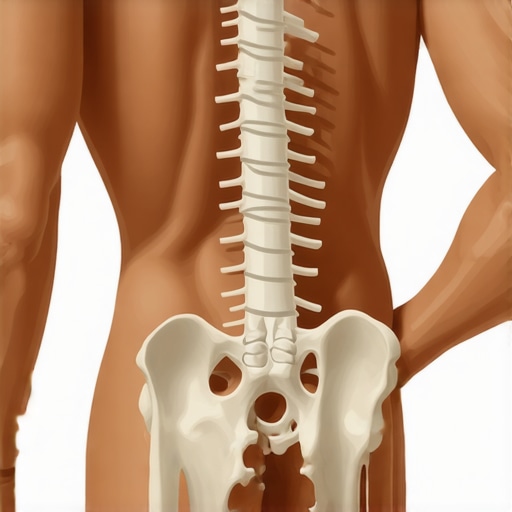
I remember lying awake one restless night, feeling that familiar dull ache that seemed to creep deeper into my lower back every time I shifted slightly in bed. It was like my spine was silently protesting my poor sleeping habits, and I finally realized I couldn’t ignore it any longer. If you’re reading this, chances are you’ve felt that same gnawing discomfort—worse, perhaps, because it’s become a nightly ritual. The truth is, many of us are unknowingly sabotaging our back health while we sleep, especially if we’re stomach sleepers.
The Power of Proper Sleeping Positions
Is Your Sleeping Position Waging War on Your Back?
Many people dismiss sleep posture as a minor detail, but it’s a game-changer. Sleeping on your stomach might feel natural or comfortable at first, but it puts unnecessary strain on your lower back and neck. Over time, this misalignment can snowball into chronic pain, making every morning a struggle. Early in my journey, I made the mistake of neglecting this aspect altogether, thinking that a firm mattress or better pillow might do the trick. That oversight cost me weeks of discomfort, which could have been avoided by simple tweaks.
According to research from the National Sleep Foundation, improper sleep positions can contribute significantly to pain and stiffness, especially in the lower back [source](https://bodyrenewtherapy.com/back-pain-relief-effective-strategies-to-boost-mobility-today). Addressing this is not just about comfort; it’s about protecting your spine and enhancing your daily mobility. If you’ve been waking up with a stiff, sore back, it might be time to reconsider your sleep habits.
Let’s dive into some straightforward tweaks that I personally found transformative—simple adjustments that can make a real difference. Are you ready to wake up feeling refreshed instead of exhausted and aching? Keep reading, because the next few minutes could change how you sleep and feel for good.
Adjust Your Sleeping Position for Lasting Relief
Switch to Sleeping on Your Side or Back
Start by repositioning yourself from stomach sleeping to your side or back, which reduces strain on your spine. I once caught myself rolling onto my stomach in the dark, causing more pain; so I set up a body pillow to encourage side sleeping, and within a week, my mornings felt less stiff. Use a supportive pillow to keep your neck aligned with your spine—small adjustments make a big difference. For detailed guidance, check out this resource.
Optimize Your Mattress and Pillows for Better Support
Invest in Medium-Firm Mattress and Ergonomic Pillows
If your mattress is too soft or too firm, it can cause misalignment. I replaced my old mattress with a medium-firm one and added an ergonomic pillow designed for side sleepers, which immediately improved my sleep quality. Measure your pillow height to maintain neutral neck position—test it by placing a small object under your neck when lying down; if it tilts, adjust accordingly. Visit this page for ergonomic tips.
Incorporate Gentle Mobility Exercises Before Bed
Stretch and Mobilize to Release Tension
Doing gentle stretches can prevent stiffness from setting in overnight. I began a routine of neck tilts, shoulder rolls, and gentle spine twists, which reduced morning pain. Focus on exercises that complement your pain points—avoid any that cause discomfort. For effective stretches and mobility tips, browse this guide. Consistency is key: aim for 5–10 minutes nightly.
Create a Sleep-Friendly Environment
Dark, Quiet, and Cool Room Maintenance
A dark, quiet room aids relaxation and supports bone and muscle recovery. I blacked out my room and used a white noise machine; the difference in sleep quality was remarkable. Maintain a comfortable temperature—around 65°F (18°C)—to prevent tossing and turning. Avoid screens at least 30 minutes before bed, as blue light interferes with melatonin production. Learn more about optimizing sleep surroundings at this resource.Many misconceptions surround chronic pain and mobility, often leading people astray in their recovery journeys. A common myth is that persistent pain always indicates damage that needs aggressive intervention. In reality, much of chronic pain, especially in the neck and back, stems from movement patterns, stress, or inflammation, rather than structural damage. Awareness of these nuances is crucial to avoid unnecessary treatments or exercises that could exacerbate the issue.
One trap many fall into is relying solely on passive treatments, such as prolonged rest or heat packs, believing they will resolve the root causes. While temporary relief is beneficial, neglecting active mobility and strengthening can lead to worsening symptoms over time. For example, adopting an overly cautious approach to sciatic pain might reduce discomfort initially but reinforce a cycle of muscle weakness and nerve sensitivity, delaying true recovery. For proven strategies, explore how to overcome sciatica with effective lifestyle changes.
A less obvious mistake involves misunderstanding the role of posture. Many think that fixing posture alone can eliminate pain, but this oversimplification ignores underlying issues like muscle imbalances, stress, or autonomic nervous system dysregulation. Proper posture is beneficial, but it must be integrated into a comprehensive approach that includes mobility, stress management, and functional movement training.
Why does focusing only on stretching sometimes backfire?
Stretching is often hailed as the go-to solution for neck or back pain, yet improper or excessive stretching can worsen symptoms, especially if muscles are already inflamed or tight due to protective guarding. The key is targeted, controlled mobility work, combined with addressing underlying causes like stress or joint restrictions. Integrating gentle mobility exercises into your routine can prevent stiffness and improve nerve function, accelerating recovery. Check out mobility-specific tips to keep your spine and joints healthy.
Another misconception involves the importance of exercise intensity. Many assume that higher intensity workouts are necessary to regain mobility, but this can be counterproductive if your tissues are inflamed or deconditioned. Gentle, consistent movement often yields better results for chronic issues. Listening to your body’s signals and progressing gradually is essential to avoid setbacks. For tailored exercise guidance, consider exploring established mobility routines.
Furthermore, some believe that all pain should be avoided at all costs, leading to avoidance behaviors that weaken muscles and reduce joint lubrication. Embracing controlled, pain-free movement is actually vital for healing and maintaining long-term mobility. Learn more about safe movement practices that promote recovery.
Finally, embracing the complexity of pain signals is often overlooked. Pain can be influenced by factors like stress, sleep quality, and emotional health. Addressing these dimensions requires a holistic approach rather than focusing solely on mechanical factors. For comprehensive strategies, review how stress impacts neck pain and how to break that cycle for good.
In summary, dispelling myths about mobility, sciatica, and pain management is essential for meaningful progress. If you’ve ever fallen into these traps, you’re not alone. The journey to pain-free movement involves nuanced understanding and strategic action. Have you ever been misled by Simplistic solutions? Let me know in the comments.Maintaining long-term mobility and pain relief requires more than just occasional stretches; it demands reliable tools and consistent routines. Personally, I swear by the use of foam rollers and massage balls, which help release muscle knots that contribute to chronic tension. The KEPR foam roller is my go-to for its dense material and rugged surface, which effectively targets deep tissue adhesions without causing discomfort. I incorporate it into my post-workout recovery, knowing that regular self-myofascial release keeps my muscles pliable and reduces the risk of flare-ups. For focused trigger point therapy, I often rely on lacrosse balls, which I place against specific tight spots—by applying gentle pressure for 30 seconds, I can significantly decrease localized pain and improve flexibility.
High-Quality Mobility Apps as a Game Changer
Digital tools have evolved beyond simple timers; today, apps like ‘Mobility Master’ offer guided routines tailored to neck, back, or sciatic pain, emphasizing biomechanically sound movements. I use these apps to structure my evening mobility sessions, integrating dynamic stretches and joint rotations proven to sustain my progress. The advantage lies in their customization capabilities, allowing me to track improvements and avoid plateaus. As trends point toward AI-driven health coaching, I predict that future apps will deliver increasingly personalized routines, responding in real time to muscle feedback—making self-care more effective and engaging.
How do I maintain my mobility and pain management over time?
Consistency stands as the cornerstone of long-term relief. Besides leveraging physical tools, establishing a daily routine that combines targeted stretches, mobility exercises, and relaxation techniques ensures continued progress. Regularly revisiting cornerstone content, such as the strategies outlined in this guide, can reinforce good habits. I also schedule periodic sessions with a physiotherapist to assess my mobility and adapt my routines as needed. Remember, integrating stress management—like breathing exercises—is equally important because stress can tighten muscles, negating even the most diligent tool use. Looking ahead, I believe that wearable tech, such as smart patches or biofeedback devices, will become essential allies in tracking tissue tension in real time, in real-world settings. To try an advanced tip, I recommend incorporating diaphragmatic breathing during your mobility exercises to maximize relaxation and promote fascial release.
Over the years, I’ve realized that true mobility and pain relief go beyond quick fixes—they require patience, consistency, and an understanding of what genuinely works. One of the toughest lessons I learned was that immediate relief often masks underlying issues; true healing demands addressing root causes through mindful movement and lifestyle changes. I discovered that embracing small, daily habits—like mindful stretches or proper posture checks—accelerates recovery more than occasional intense sessions. Another insight is that listening to your body’s signals is vital; pushing through pain can do more harm than good, but avoiding movement altogether isn’t the answer either. Finding that balance, and knowing when to rest versus when to mobilize, was a game-changer for me. Lastly, I learned that combining modern tools with personalized routines creates a sustainable path to comfort—it’s not just about one magic fix but a comprehensive approach tailored to your body’s unique needs.