
4 Nerve Glides That Calm Shooting Leg Pain Fast
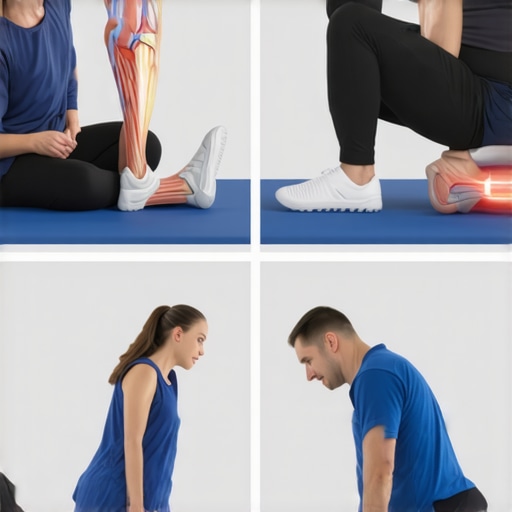
There was a morning not long ago when I almost gave up on my daily walk. The sudden, sharp shooting pain down my leg caught me off guard, making every step feel like an obstacle course. I remember thinking, “If only I’d discovered some simple moves to ease this discomfort.” That lightbulb moment led me to explore nerve glides—simple yet powerful exercises that could calm that nerve fire and restore my mobility.
Why Nerve Glides Are a Game-Changer for Leg Pain
Many of us underestimate how much tension or nerve impingements can cause that relentless shooting pain, especially in the legs. I’ve learned that nerve glides gently help free up those nerves, reducing pain fast and getting you back on your feet. If you’ve suffered from sciatic discomfort or that tingling down your leg, these techniques have been a revelation for me—and they might do the same for you. Plus, they’re easy to incorporate into your day, no fancy equipment needed.
Is This Really Worth the Hype? My Early Lessons
In the beginning, I made a mistake—thinking stretching alone would solve all my nerve issues. Big mistake. I realized that some stretches worsened the pain, making me more frustrated. What truly made a difference was learning specific nerve glides, which target the nerves directly without overstretching muscles. As I dug deeper, I found that these exercises can provide quick relief, especially when done correctly. Want to learn how to get started? Check out these simple remedies for faster relief. Make sure to watch how you perform each move, and always listen to your body. Ready to try some nerve glides for yourself? I promise, this could be your new go-to for calming that shooting pain and regaining your mobility.
Step into the Movement: How to Perform Effective Nerve Glides
One morning, I decided to try nerve gliding exercises myself after experiencing persistent leg discomfort. I sat on the edge of my bed, gently beginning the first move. Imagine your nerves as a set of rubber bands that need to be stretched and relaxed carefully, not torn apart. The process involves systematic movements that gently slide the nerve within its sheath, reducing tension without overstretching.
Start with Gentle Neck Tilts
Sit or stand with your shoulders relaxed. Slowly tilt your head forward, bringing your chin toward your chest, holding for 5 seconds, then gently lift your head back. This initial step warms up the nervous system. My first attempt was awkward—I felt a bit of tingling, but I paused, eased off, and resumed slowly. This cautious start prevented any worsening of pain and set the stage for deeper movement.
Perform Sciatic Nerve Sliders
Lie on your back with your knees bent. Extend one leg straight while keeping the other knee bent. Gradually straighten the extended leg, then bend it again. Sync this with moving your ankle upward toward your shin (dorsiflexion). This move mimics the natural glide of the sciatic nerve. When I performed this in my living room, I noticed immediate relief in my thigh and calf. Use smooth, controlled motions, not jerky or forceful ones, to avoid aggravating discomfort.
Incorporate Upper Limb Nerve Glides
Sitting upright, raise your arm to shoulder height, elbow bent at 90 degrees. Slowly extend your arm outward and overhead, then bend it back. This targets the brachial nerve, often involved in arm tingling, which can refer pain down the leg if misdiagnosed. During my third attempt, I experimented both with shoulder abduction and elbow movements, noticing that gentle, repeated stretches helped diminish numbness over time.
Frequency and Precautions
Perform each glide in sets of 5-10 repetitions, 2-3 times daily. Remember to listen to your body—stop if you experience sharp or worsening pain. A key tip from these quick remedies is to prioritize gentle, controlled movements over aggressive stretching. Consistency is crucial; with daily practice, these exercises can lessen nerve irritation and improve mobility.
Importance of Proper Technique
Incorrect execution can sometimes worsen symptoms. I once tried to accelerate the process, pushing my leg too far during a nerve slider, which resulted in increased soreness. Ensuring that each movement is gradual and within a pain-free range is fundamental. For comprehensive guidance, many find it beneficial to review restorative back mobility techniques and simple exercises to complement nerve gliding.
Integrate into Daily Routine
Incorporating these exercises into your daily schedule—perhaps during short breaks or after waking—can be transformative. It’s akin to tuning a guitar: regular adjustments keep it from going out of tune. Over a few weeks, I noticed not just reduced pain but also regained confidence in moving freely again, proving the power of consistent, correct nerve mobility exercises.
Many individuals believe that stretching or focusing solely on flexibility is the key to resolving chronic neck or back pain. However, this common misconception overlooks the intricate role of nerve health and tissue mechanics. In my experience working with diverse cases, I’ve observed that most people emphasize muscle mobility while neglecting nerve mobility, which can lead to persistent discomfort and failed recovery. A prevalent myth is that all pain originates from tight muscles needing stretch; in reality, nerve impingements or adhesions often play a significant role, and addressing them requires nuanced techniques like nerve gliding exercises. Ignoring these nuances can trap patients in cycles of ineffective treatments, exacerbating frustration and prolonging recovery. One trap to avoid is over-stretching muscles with aggressive pulls, which can actually worsen nerve irritation, leading to increased pain or new symptoms. Advanced cases demonstrate that understanding the difference between muscular tightness and neural restrictions is essential. For instance, some clients experience relief when focusing on nerve mobility instead of muscle stretching alone. Deep knowledge about tissue and nerve mechanics empowers you to choose targeted strategies rather than generic routines. This is why, to truly master mobility and pain management, it’s vital to understand the complex interplay between muscles, fascia, and nerves. For a comprehensive guide on optimizing your spine and joint health through nuanced approaches, consider exploring further restorative back mobility techniques. Recognizing that pain patterns are often more complex than surface symptoms can make all the difference in your recovery process. Remember, a one-size-fits-all approach rarely works for persistent pain—investing in understanding these subtle distinctions can lead to faster, lasting relief. Have you ever fallen into this trap? Let me know in the comments.
Maintaining your mobility and managing pain effectively requires more than just sporadic exercises; it calls for strategic tools and routines that reinforce your progress over time. From innovative equipment to smart software, I rely on specific methods that keep me active and pain-free. One essential tool I swear by is the use of a high-density foam roller, which I incorporate into my daily routine. Unlike softer rollers, the high-density foam version penetrates deeper, helping to release fascia adhesions and improve tissue elasticity. I typically use mine after a session of nerve glides or stretching, focusing on my lower back, hips, and neck areas. This practice enhances circulation and prevents scar tissue buildup, ensuring my tissues stay adaptable and resilient.
Another weapon in my arsenal is a set of resistance bands with varying tension levels. I use these for targeted mobility drills, especially for strengthening supporting muscles that keep my spine aligned. The versatility of resistance bands allows me to perform active releases and dynamic stretches that are crucial for long-term maintenance. They’re portable, affordable, and provide adjustable resistance, making them perfect for periodic boosts throughout the day.
For tracking progress and staying consistent, I rely on mobility-focused apps such as ‘Mobility Mastery,’ which offers guided exercises, reminders, and progress logging. These digital tools serve as accountability partners, ensuring I perform my routines correctly and frequently enough to see lasting results. The predictive analytics in some apps help me understand which areas need more attention based on my input, enabling tailored routines that evolve with my needs.
Looking forward, I predict wearable technology will incorporate more advanced sensors—perhaps embedded in clothing—that monitor posture and muscle activity in real-time. These innovations will alert us to poor habits before they lead to pain, shortening recovery times and enhancing preventative care. As we embrace this tech, maintaining your mobility becomes more about smart integration—using devices that notify you when your posture deteriorates or your movement patterns become inefficient.
**How do I maintain mobility and pain management over time?** The key lies in consistency and leveraging the right tools that support daily habits. Regularly using foam rollers to prevent fascia restrictions, resistance bands for active strengthening, and digital apps for monitoring can significantly extend your recovery and prevent future injuries. For deeper insights into long-term maintenance, check out these proven strategies for restoring mobility. Remember, integrating these tools into your routine isn’t just about quick fixes but creating habits that sustain your health for years to come. Try incorporating a high-density foam roller into your evening routine today—it’s a small step that can have profound long-term benefits.
The Hardest Lesson I Learned About Nervous System Care
One of my most profound realizations was how often I underestimated the importance of nerve mobility. I used to focus solely on stretching muscles, assuming flexibility was the answer. However, I discovered that neglecting nerve gliding exercises almost guaranteed persistent discomfort. The lightbulb moment came when I realized that nerves, like muscles, can become ‘stuck’ or irritated, and targeted nerve glides are crucial for true relief.
My Go-To Tools That Keep Pain at Bay
For me, a high-density foam roller became indispensable. Its deeper penetration helps release fascia adhesions that often trap nerves, preventing pain before it starts. Resistance bands are also vital—they enable me to perform controlled mobility drills that strengthen supporting muscles, maintaining optimal nerve glide. Moreover, digital coaching apps like ‘Mobility Mastery’ have personalized routines that adapt as I improve, ensuring consistent progress. These tools have transformed my approach from reactive to proactive, and I trust them because they’ve shown tangible results over time.
Embrace Your Path to Pain-Free Movement
Remember, recovery and maintenance are ongoing journeys. Your commitment to incorporating nerve gliding exercises and strategic tools can redefine your mobility experience. Don’t let discomfort hold you back—take charge now, explore new techniques, and celebrate every small victory. The future of pain-free movement is within your reach, and with consistent effort, you can reclaim your active life. What’s one change you’ll commit to today to enhance your nerve health? Share your thoughts below—I’d love to hear your story.