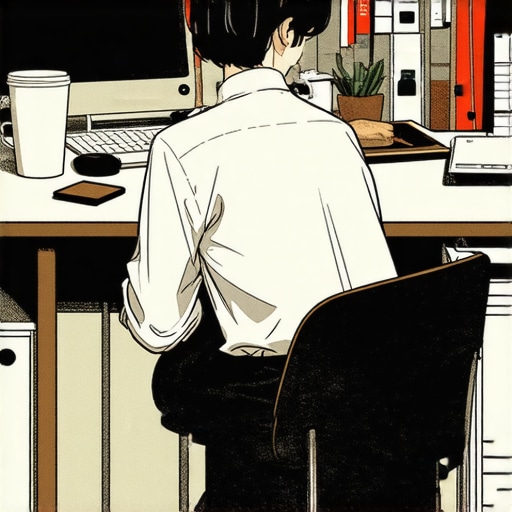
It was a Saturday afternoon when I finally realized why my back pain refused to budge. I was attempting a simple stretch—something I read about online—and suddenly, a sharp jolt shot down my spine. That moment was a wake-up call. I had been unknowingly sabotaging my recovery, repeating mistakes I never even recognized.
If you’re anything like I was, you might be frustrated, feeling trapped in a cycle of pain despite diligently following advice or trying new treatments. The good news? Recognizing and breaking free from these common pitfalls can dramatically change your healing journey.
Why Millions Are Stuck in Back Pain Loops, Even in 2026
Back pain isn’t just a minor inconvenience; it’s a persistent obstacle that can diminish your quality of life. According to recent studies, nearly 80% of adults experience back pain at some point, and a significant number find themselves caught in a frustrating cycle of temporary relief followed by recurrence. The question is—what’s keeping us from achieving lasting recovery?
One key reason is that many of us fall into predictable traps, despite having access to an abundance of information. I myself made a critical mistake early on: I believed more stretching was always better. Turns out, overdoing certain movements can worsen inflammation and nerve irritation, dragging out recovery instead of speeding it up. It’s a common misconception—one I hope to help you avoid.
Are you grappling with setbacks in your back pain recovery? You’re not alone. But understanding these mistakes is the first step toward lasting relief.
Want to learn how to sidestep the biggest recovery pitfalls? Keep reading. We’ll explore them together, backed by expert insights and practical tips, starting with a crucial understanding of how poor posture is secretly sabotaging your efforts. For a deeper dive into overcoming sciatica and reclaiming your mobility, check out this comprehensive guide on [overcoming sciatica with lifestyle changes](https://bodyrenewtherapy.com/overcoming-sciatica-top-lifestyle-changes-for-better-quality-of-life). Now, let’s get started on transforming your recovery into a sustainable success story.
Identify and Correct Posture Habits
Your daily posture acts like the foundation of a building; if it’s flawed, the structure becomes unstable. I vividly recall a morning when I noticed my frequent neck stiffness worsened after hours of hunching over my laptop. To fix this, I adjusted my workspace ergonomics, elevating my monitor to eye level, and set reminders to check my sitting position every 30 minutes. This simple change significantly reduced my discomfort. To deepen your understanding, explore this guide on posture and chronic pain.
Step-by-step Posture Awareness
- Set up your workspace at eye level, using stands or adjustable desks.
- Use ergonomic chairs that support your lower back.
- Occasionally perform quick posture resets, like shoulder rolling or gentle back extension.
Incorporate Targeted Mobility Exercises
Much like tuning a guitar, your spine needs regular adjustments to stay in harmony. I found that dedicating just five minutes daily to mobility exercises, like gentle spinal twists or hip openers, improved my range of motion and eased nerve pressure. For precise routines, visit this resource on mobility exercises. Remember, consistency matters more than intensity here.
Simple Exercise Routine
- Perform cat-cow stretches to mobilize your spine.
- Practice hip circles to loosen up the pelvic region.
- Try kneeling thoracic rotations to improve upper back flexibility.
Adjust Daily Activities for Less Strain
Imagine your back as a delicate bridge; every heavy step or twist can weaken its span. I once tried to lift a heavy box without proper form, and soon afterward, I felt sharp pain radiating down my leg. Since then, I adopted safe lifting techniques: bending at the hips and knees, keeping objects close, and engaging core muscles. Small but mindful changes in daily tasks prevent setbacks.
Practical Tips for Everyday Movements
- Use your legs, not your back, when lifting or carrying objects.
- Take frequent breaks during prolonged sitting or standing.
- Maintain a neutral spine posture during bending or reaching tasks.
Seek Professional Guidance When Needed
Sometimes, persistent pain indicates a more complex issue, much like a warning light on your car’s dashboard. I reached a point where self-care wasn’t enough. Consulting a specialized therapist helped me identify muscle imbalances and develop a tailored recovery plan. Resources like this contact page connect you with experts ready to assist. Do not hesitate to seek qualified help if pain worsens or persists beyond a few weeks.
When to Consider Professional Help
- Experiencing numbness or weakness in limbs.
- Pain that intensifies despite home remedies.
- Loss of bladder or bowel control.
Many people assume that addressing pain with generic stretching or exercises suffices for lasting relief. However, what most overlook is the importance of understanding the underlying causes and the nuanced approach required for true recovery. For instance, a common myth is that all sciatic nerve pain results solely from herniated discs; in reality, factors like pelvic misalignment and tight hip flexors often play a bigger role. Focusing only on symptom relief without addressing these nuances can lead to frustration and recurrent pain.
A crucial trap to avoid is the tendency to treat isolated symptoms rather than the root issues. This mistake can be particularly costly because it provides temporary relief but often neglects the complex interplay between posture, muscle imbalances, and nerve pathways. For example, relying solely on stretching tight hamstrings without considering pelvic stability and core strength may inadvertently worsen the problem.
Advanced understanding reveals that neuroplasticity—your nervous system’s ability to adapt—can be both an ally and a trap. If your pain became chronic due to maladaptive neural pathways, simply focusing on physical exercises might fall short. Incorporating strategies that retrain your nervous system, such as mindful movement and relaxation techniques, can accelerate recovery.
To optimize your progress, recognize the signs that your pain might be rooted deeper—like persistent numbness or weakness—which may require professional assessment. Visiting specialists who understand the stimulation of neuroplasticity and muscular imbalances can offer customized interventions. For example, chiropractic adjustments combined with targeted neuromuscular re-education have shown promising results in complex cases, as noted in recent clinical studies.
Thinking critically about your recovery plan is vital. Are you addressing just the surface symptoms, or are you tackling the deep-rooted causes? Do you recognize how advanced factors like nerve sensitization or fascia restrictions influence your pain?
Let’s dig deeper into this complex puzzle that most overlook. Have you ever fallen into this trap? Let me know in the comments! For more insights into overcoming stubborn back and neck pain, visit our cornerstone guide on [overcoming sciatica with lifestyle changes](https://bodyrenewtherapy.com/overcoming-sciatica-top-lifestyle-changes-for-better-quality-of-life). Remember, personalized strategies that consider these nuances can be game-changers on your path to lasting relief.Maintaining your spinal health over the long term requires intentional strategies and high-quality tools that support recovery and prevent setbacks. Investing in the right equipment and establishing a solid routine can make all the difference, especially as you progress in your healing journey. One of my go-to devices is a foam roller designed specifically for myofascial release. I prefer a dense, textured foam roller because it helps break up adhesions in the fascia and promotes better circulation, which is vital for keeping muscles flexible and assisting nerve function. I personally use the [TriggerPoint GRID Foam Roller](https://bodyrenewtherapy.com/stop-glute-foam-rolling-3-better-ways-to-calm-sciatica-in-2026), as its firmness and durability give me consistent relief after daily mobility exercises.
Similarly, resistance bands have become a staple in my routine. They provide gentle resistance, perfect for strengthening stabilizer muscles around the spine without risking overstretching or strain. My favorites are loop bands with varying tensions—light for warm-ups and heavier ones for targeted strengthening. Using these bands, I perform controlled, pain-free exercises that improve core stability, a key factor in preventing future back issues.
Beyond physical tools, maintaining progress also hinges on reliable software. I recommend using mobility tracking apps like PhysiApp or StandWell, which help monitor your daily movement routine. These apps send reminders and log your progress, making it easier to stay committed to consistent practice. Personally, I set daily goals using these tools, which keeps me accountable and ensures I don’t skip essential mobility sessions.
In the future, I predict wearable technology will play an even bigger role. Imagine smart sensors integrated into your clothing or braces that provide real-time feedback on your posture and movement quality—not just during formal exercises but throughout the day. This data-driven approach could enable personalized adjustments instantaneously, making prevention and maintenance far more precise.
How do I maintain long-term mobility and prevent setbacks?
Regularly scheduled check-ins with a professional are invaluable—whether through virtual consultations or in-person visits. I set quarterly assessments with a healthcare provider who specializes in musculoskeletal health, ensuring my exercises and tools continue to serve my evolving needs. Additionally, keeping up with ergonomic improvements, like adjusting my workspace, is crucial. Small tweaks—such as elevating my monitor or adding lumbar support—rely on a good ergonomic chair like the Herman Miller Aeron because it encourages proper posture all day.
Remember, consistency is your best friend in this process. Incorporating these tools into your daily routine, along with mindful movement practices, can sustain your progress and significantly reduce the likelihood of flare-ups. To deepen your understanding of how posture impacts your long-term health, check out this guide on [understanding the link between poor posture and chronic back pain](https://bodyrenewtherapy.com/understanding-the-link-between-poor-posture-and-chronic-back-pain).
As a challenge, I recommend trying a five-minute session with a foam roller right after your morning wake-up. Feel how releasing fascia early can set a positive tone for the day and keep your muscles more receptive to mobility exercises. By integrating the right tools and routines now, you’ll be well on your way to sustaining your recovery and enjoying ongoing mobility.
The Hardest Lesson I Learned About Chronic Back Pain
One pivotal moment for me was realizing that my quest for quick fixes was actually hindering my progress. I used to believe that the more I stretched, the faster I would heal, but I overlooked the importance of strength and posture. This misconception kept me trapped in a cycle of temporary relief, making me frustrated and discouraged.
Why Ignoring Postural Cues Can Cost You Dearly
I learned the hard way that small habits—like slouching at my desk—accumulate and become significant roadblocks. Regularly checking my workspace ergonomics and being mindful of my sitting habits made a transformative difference. Now, I educate myself continuously using trusted resources, such as this guide on posture and chronic pain, to stay ahead.
The Power of Consistent Movement, Not Intensity
Overloading my back with aggressive stretches only prolonged my recovery. Instead, slow, targeted mobility exercises, like spinal twists and gentle hip openers, proved far more effective. Discovering this with help from this resource on mobility exercises changed my perspective on healing.
Finally Embracing Professional Help
Sometimes, I needed expert guidance to navigate complex muscle imbalances. Consulting with a specialist unveiled underlying issues I couldn’t address alone, such as nerve irritations or fascia restrictions. Remember, seeking professional help—through resources like this contact page—is often the fastest route to lasting relief.
Embracing My Unique Path—A Personal Revelation
What truly accelerated my recovery was recognizing that every back pain journey is personal. Listening to my body, combining evidence-based practices, and trusting specialized guidance created a sustainable path forward. This approach isn’t just applicable to my story; it’s a reminder that yours can be uniquely effective too.
From Frustration to Freedom: Your Next Step
If you’re tired of feeling stuck, remember that understanding your own body’s signals and avoiding common pitfalls can lead to genuine healing. Stay curious, be patient, and don’t hesitate to explore holistic, personalized strategies. For a comprehensive start, check out this guide on overcoming sciatica with lifestyle changes.
I’d Love to Hear Your Story
Have you ever fallen into a trap that delayed your healing? Share your experience below—your insights might help someone else find their way out.



Reading this post really resonated with my own experience in trying to recover from chronic back pain. I used to believe that more stretching would lead to faster healing, but I learned the hard way that overdoing it can actually slow down recovery, especially if it aggravates inflammation. What I found helpful was focusing on targeted mobility exercises and integrating strength work into my routine, particularly core stability and posture awareness. I often wonder, how do others balance flexibility and strength without overstressing their back? It’s such a fine line, and I think listening to my body and seeking professional guidance when problems arise played a critical role for me. The importance of understanding the root causes rather than just symptoms really changed my approach. Has anyone else had success combining physical therapy with mindful movement strategies? I’d love to hear more personal stories or tips about what worked best in your recovery journey.