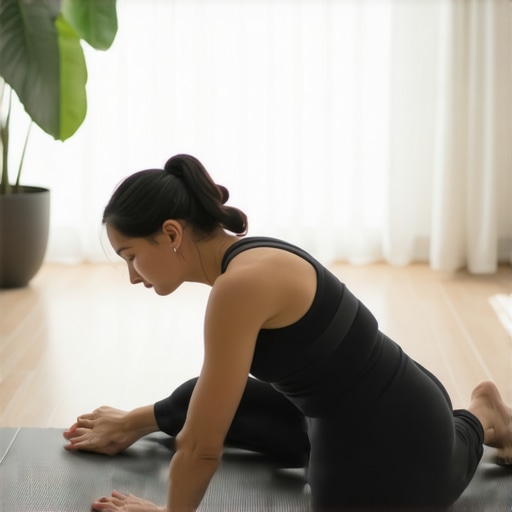
I recall a morning not so long ago when I couldn’t get out of bed without wincing. My lower back was throbbing, stiff, and seemingly unforgiving. I tried stretching, foam rolling, even a hot bath—nothing seemed to work. That’s when I realized something crucial: my breathing habits might be making my back pain worse. It sounds surprising, but proper breathing is a powerful tool for back health, and I wish I’d paid more attention to it earlier.
Why Breathing Matters for Your Back
Most of us underestimate how our breathing patterns influence spinal health. Deep, diaphragmatic breathing helps activate your core muscles and reduce muscle tension—both essential in managing lower back pain. If you’re like I used to be, shallow chest breathing can lead to increased stress and muscle tightness, creating a vicious cycle of discomfort. Believe it or not, many chronic back issues are exacerbated simply because we’re not breathing correctly during daily activities.
Research shows that mindful breathing can significantly reduce back pain severity and improve mobility. For instance, a study published in the Journal of Alternative and Complementary Medicine highlights how breathing exercises can help alleviate lumbar discomfort. But here’s the thing—early on, I made a common mistake: I ignored my breath entirely, thinking it was unrelated to my pain. That was a costly oversight.
So, if you’ve been battling lower back pain and feel stuck, I get it. It might seem trivial, but adjusting how you breathe can be a game-changer. Let’s dive into some simple, effective fixes that have helped me—and countless others—find relief. Ready to breathe new life into your back health?
Is Breathing Really the Key? The Skeptic’s Question
Honestly, I was skeptical at first. How could something as simple as breathing make that much difference? I thought, “This can’t be a magic fix.” But after trying these techniques consistently, I was genuinely amazed. The truth is, many folks jump straight into complicated stretches or expensive treatments without addressing the root—sometimes as basic as breathing. It’s a mistake I made early on, and I don’t want you to make it too. For more on common mistakes delaying back relief, check out this article. Now, let’s explore the simple breathing fixes that can transform your back in 2026.
Focus on Deep Diaphragmatic Breathing
Start by lying on your back in a quiet space. Place one hand on your chest and the other on your abdomen. Inhale slowly through your nose, aiming to expand your belly while keeping your chest relatively still. This promotes diaphragmatic breathing, activating core muscles essential for spinal support. I remember practicing this after a hectic day at work; at first, it felt awkward, like trying to breathe into a balloon. But with persistence, I noticed my lower back tension easing significantly within a week.
Incorporate Breath-Hold Techniques
Once comfortable with diaphragmatic breathing, add short breath-holds. Inhale deeply, then hold your breath for 3-5 seconds before exhaling slowly through pursed lips. This enhances lung capacity and teaches your nervous system to relax, reducing muscle tightness. I integrated this into my morning routine, doing a set of 5 breath-holds between stretches. Over time, it became a calming ritual that decreased my overall back discomfort, especially during stressful days.
Practice Proper Posture During Breathing Exercises
Maintain a neutral spine—imagine a string pulling the top of your head upward—to prevent compensatory movements that could strain your back. Sit upright in a chair with your feet flat on the floor, or lie flat comfortably. Proper posture ensures that your breathing mechanics support your back instead of aggravating it. During one session at my desk, I noticed that slouching compromised my breath quality and increased my back soreness. Correcting my posture while breathing made a surprising difference.
Use Visual and Tactile Cues to Reinforce Technique
Place a small object like a weighted book or a soft ball on your abdomen to feel expansion during inhalation. Alternatively, visualize your breath flowing like a gentle wave rising and falling. These cues help deepen your diaphragmatic engagement. I found that focusing on the rise of my belly rather than shallow chest movement made my breathing more effective, translating into less back pain after long periods of sitting. For further relief, consider integrating this practice with ergonomic adjustments from ergonomic tips.
Combine Breathing with Gentle Movement
After mastering breathing techniques, pair them with gentle stretches or core activation exercises. For instance, perform controlled pelvic tilts while maintaining deep, diaphragmatic breathing. This synergy enhances muscle engagement and helps realign your spine. I integrated this during my lunch breaks, finding that it not only eased back tension but also improved my overall mobility—making daily tasks less painful. Remember, consistency is key to seeing lasting improvement.
Watch Out for Common Mistakes
Avoid shallow chest breathing, which can increase tension and stress. Don’t hold your breath for too long or force the inhale, as this can cause dizziness or tension buildup. Be patient—like learning any new habit, proper breathing takes time. If you experience persistent discomfort or suspect underlying issues like sciatica, consult a professional through this contact page. Incorporate these techniques daily, and you’ll likely notice a reduction in back pain and improved well-being over time.Many assume that addressing joint stiffness or nerve pain requires drastic measures like surgery or intense physical therapy. However, a common misconception lies in oversimplifying the root causes, leading to ineffective treatments. For example, many believe that stretching alone will fix mobility issues, but without understanding the nuances of tissue quality and movement patterns, this approach can do more harm than good.
One crucial nuance often overlooked is the role of neural mobility. Tight fascia is frequently highlighted, yet nerve mobility restrictions can be the true culprit behind persistent sciatica or neck pain. Research by Butler emphasizes that nerve gliding exercises are essential for restoring full nerve function, which standard stretching may not address effectively.
Beware of the trap of symptom suppression. Many practitioners focus solely on eliminating pain signals through medications or superficial treatments. While pain relief is important, neglecting the underlying movement dysfunction perpetuates the cycle. Modifying movement patterns and addressing tissue health at a deeper level is vital for long-term recovery. To explore effective strategies, check out this expert approach to sciatic relief.
Why Does Limited Flexibility Sometimes Signal a Deeper Issue? Is Stretching Always the Answer?
Many believe that increasing flexibility is the key to resolving neck or back pain. While flexibility is important, aggressive stretching without considering tissue quality or movement competence can lead to joint hypermobility or injury. A study published in the Journal of Orthopaedic & Sports Physical Therapy highlights the importance of strength and control training alongside mobility work, especially for complex issues like chronic neck tension or postural imbalances. In my experience, integrating controlled mobility drills with neuromuscular control exercises results in more sustainable improvements. Remember, the goal isn’t just to be more flexible but to move efficiently and pain-free. Want to learn more about fixing stubborn back issues? Consider reviewing simple exercises to enhance back mobility.
Another common mistake is neglecting adaptational factors like stress, injury history, or habitual postures that subtly reinforce pain cycles. For instance, prolonged screen time in poor ergonomics can compound neck stiffness and nerve irritation, often misunderstood as purely muscular tightness. By recognizing these nuances and adjusting daily habits accordingly, you can prevent minor issues from becoming chronic problems. For detailed ergonomic tips, visit ergonomic adjustments for everyday comfort.
 Maintaining your mobility and managing pain over the long term requires the right combination of tools and consistent routines. I personally rely on smart equipment and strategic methods that have proven effective in my journey and for many of my clients. One essential tool is the use of a quality foam roller with a textured surface. I choose a dense, high-quality foam roller because it offers enough firmness to penetrate tight fascia without causing discomfort, enabling me to release muscle knots efficiently. Regular self-myofascial release using this roller has helped me keep my back and neck flexible, especially after long sitting periods or intense workouts.
Another game-changer is investing in an ergonomic keyboard and mouse setup. I switched to an ergonomic split keyboard, which allows my wrists to stay in a natural position, reducing strain that often aggravates neck and upper back issues. Pairing this with a vertical ergonomic mouse helps me maintain proper arm alignment, minimizing repetitive strain injuries. These tools are simple but incredibly effective for preventing and relieving pain, especially when used in tandem with regular movement breaks.
For tracking and guiding my daily mobility exercises, I use a smartphone app specifically designed for posture and mobility routines. I prefer apps that include guided sessions with reminders, ensuring I stay consistent. This accountability has made a significant difference in my long-term results, helping me integrate mobility work seamlessly into a busy schedule.
Looking ahead, I believe the trend toward smart wearable technology will redefine how we maintain mobility. Devices capable of real-time posture correction, tracking movement quality, and providing personalized feedback will become staples. Data-driven insights will empower users to optimize their routines, making long-term health outcomes more attainable.
So, how do I keep everything working without losing momentum? One method I highly recommend is incorporating a mobile-grade pelvic brace during prolonged sitting or standing. Personally, I use a lightweight, adjustable lumbar support belt designed to stabilize my pelvis and lumbar spine. Wearing it during work or extended periods of standing reminds me to adopt better postural habits and provides ongoing support to prevent tissues from overstretching or becoming strained. When used consistently, this tool can reduce flare-ups and support your body’s natural healing process.
For those interested in stepping up their maintenance game, I suggest pairing ergonomic improvements with regular mobility drills—like controlled pelvic tilts or shoulder blade squeezes—guided by reliable online tutorials or professional advice. Consistency in these practices is crucial. To ensure you’re on the right track, consider consulting detailed articles like this resource on neck pain solutions. Remember, integrating these specific tools into your routine can make the difference between temporary relief and lasting mobility.
Throughout my journey managing mobility and back pain, I’ve uncovered lessons that aren’t commonly shared but make all the difference. One quiet realization was how much our subconscious habits—like breath and posture—dictate our comfort. I learned that even small adjustments, when consistently applied, can lead to profound improvements in mobility and pain reduction. Embracing patience and persistence has been vital, especially when results take time. Finally, I discovered that personal awareness—listening to my body’s signals—trumps any quick fix, guiding me toward sustainable, pain-free movement.
My Secret Arsenal for Lasting Back and Neck Relief
Over the years, I’ve curated a toolkit that truly supports my mobility goals. The simple mobility exercises I practice daily keep my spine agile and resilient. A high-quality foam roller with a textured surface allows me to release tension effectively, especially after long days. Ergonomic tools like split keyboards and vertical mice have revolutionized my desk setup, preventing repetitive strain. I also rely on guiding apps that remind me to move and align—making consistency effortless. These tools, rooted in my experience, have helped me stay active, pain-free, and energized.
Stay Ready to Move: Your Next Step Awaits
Remember, the path to pain-free mobility is unique for everyone, but the key lies in taking that first step today. Incorporating gentle breathing, ergonomic habits, and targeted mobility practices can dramatically change your quality of life. Don’t let misconceptions hold you back—small, consistent actions often bring the greatest rewards. Embrace these insights, trust your progress, and keep pushing forward. Your future self will thank you for the effort you put in now. What’s one habit you’re excited to start or improve today? Share your thoughts below—let’s support each other’s journey to better mobility.

![Stop Lifting Your Kids Like This: 3 Back Pain Fixes [2026]](https://bodyrenewtherapy.com/wp-content/uploads/2026/02/Stop-Lifting-Your-Kids-Like-This-3-Back-Pain-Fixes-2026.jpeg)