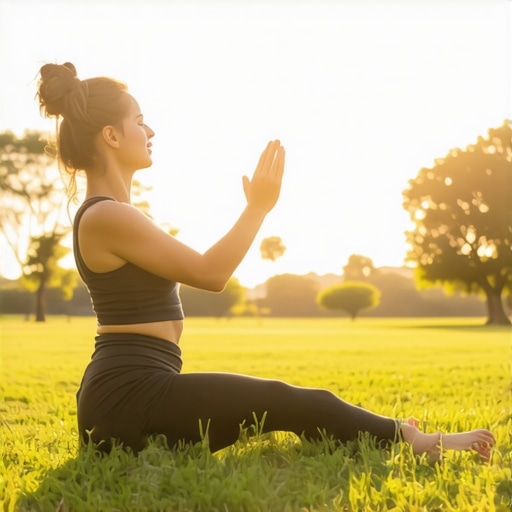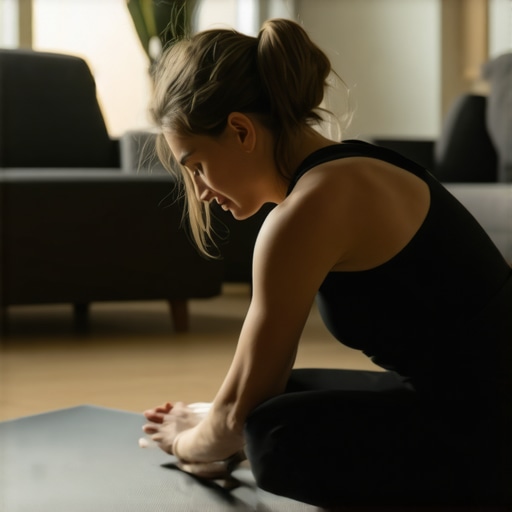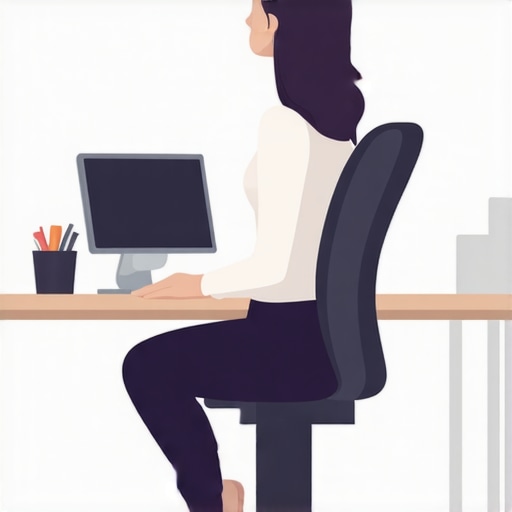
I vividly remember those afternoons at my desk when a dull ache would creep into my lower back, slowly intensifying until it became a tight, almost unbearable sensation. One day, during a particularly long work session, I tried to ignore it, only to find myself limping out of my home office, feeling frustrated and defeated. That moment was my lightbulb moment—realizing I couldn’t let back pain rule my daily life, especially when so much of what I do depends on sitting. It made me question: Why are we often ignoring simple, effective ways to fix this?
Why Sitting Too Long Is Kicking Our Back Troubles into Overdrive
Today, with more of us working remotely and glued to screens, lower back pain has become a silent epidemic. Sitting for extended periods compresses the lumbar discs and weakens the supportive muscles around our spine. Studies show that prolonged sitting increases the risk of chronic back pain, and if left unaddressed, this discomfort can turn into something more serious, like sciatic nerve issues or degenerative disc problems. Believe me, I’ve been there—early on, I made the mistake of believing that stretching was enough. Spoiler alert: it wasn’t. Instead, I learned that specific, targeted fixes could make a real difference. If you’re tired of that nagging lower back ache, I promise these seven quick fixes can change your experience.
Is the Fix Elsewhere or Just a Myth? Debunking Common Skepticism
A lot of folks, including myself early on, dismiss quick fixes as temporary Band-Aids—pointless tricks rather than real solutions. I used to think, “How much difference can a few stretches or posture tweaks really make?” Turns out, I was wrong. I’ve seen firsthand how small adjustments, when consistently applied, can dramatically alleviate discomfort and even prevent future issues. And yes, these methods are backed by credible research—like the proven link between poor posture and chronic pain, which you can learn more about here. Trust me, the key lies in understanding your body’s needs and acting on practical, science-backed advice.
Now that we’ve set the stage, it’s time to dive into the seven fast fixes that will help you sit smarter, move better, and ultimately, feel better. Ready to reclaim your back and boost your comfort? Let’s get started.
Stretch and Strengthen Your Core
One of the most effective ways to combat lower back pain is by strengthening your core muscles. I remember a day I decided to dedicate five minutes to gentle planks and pelvic tilts. Initially, it felt awkward and unsteady, but after a week, I noticed less discomfort and improved stability. Focus on exercises like bird dogs, bridges, and side planks—these target the muscles supporting your spine. Incorporate these routines daily to help distribute pressure evenly and reduce strain on your lower back.
Adjust Your Sitting Posture Like a Pro
Imagine your spine as a stack of blocks; keeping them aligned is crucial. I caught myself slouching during a long work session and felt the familiar ache creeping back. I switched to ergonomic seating, ensured my monitor was eye level, and kept my feet flat on the floor. Small tweaks like using a lumbar roll or sitting with hips slightly higher than knees can make a massive difference. Regularly check your posture—think of it as giving your spine a mini reset every hour. For more tips, see ergonomic strategies here.
Incorporate Movement Breaks Efficiently
Prolonged sitting is like leaving a car idle—eventually, it stalls. I learned to set a timer every 30 minutes, standing or walking around briefly. Simple movements like ankle circles, seated spinal twists, or walking in place stimulate blood flow and prevent stiffness. Think of movement as oiling a squeaky hinge—routine lubrication keeps everything running smoothly. Even a quick stretch or walk around your home or office can significantly alleviate tension and prepare your back to handle daily tasks better.
Use Heat or Cold Therapy Wisely
When I first experienced a sharp flare-up, applying a hot pack seemed counterintuitive—yet it worked wonders. Heat relaxes tense muscles, improving blood circulation, which expedites healing. Conversely, cold therapy reduces inflammation, numbing sharp pain. I recommend alternating between heat and cold based on your symptoms—apply heat for muscle relaxation and cold for swelling. A heating pad or an ice pack wrapped in a towel can be handy. This simple step can offer quick relief when pain strikes suddenly.
Practice Gentle Mobility Exercises
Mobility exercises are like giving your spine a gentle wake-up call. I started with slow pelvic tilts and cat-cow stretches, noticing immediate relief from stiffness. These movements gently mobilize different parts of your spine, improving flexibility without overstressing. Consistency is key—integrate these exercises into your morning routine to maintain ongoing mobility. For guided routines, check out simple mobility exercises here.
Manage Stress to Prevent Tension Build-Up
Stress tightens muscles, making back pain worse. I found that quick breathing exercises and mindfulness help relax both my mind and muscles. When I felt tense, a few minutes of deep diaphragmatic breathing eased the pain and improved my posture. Think of stress as a storm that makes everything more fragile—calmness stabilizes your foundation. Incorporate stress-reducing practices to prevent muscle tightening that can exacerbate back discomfort.
Tackle Sciatica and Persistent Issues Early
If pain persists or radiates down your leg, it’s essential to act promptly. I learned the hard way that ignoring persistent symptoms can lead to more serious issues. Visit a healthcare professional if you’re unsure whether your pain is simple muscle strain or something deeper. Reliable sources like this article can help you identify warning signs. Early intervention can prevent chronic problems and improve your quality of life.
Many individuals believe that simply stretching or avoiding certain movements is enough to resolve persistent back or neck pain. However, this oversimplification often leads to ineffective treatments or even further injury. A common misconception is that pain always indicates a need to rest or avoid activity altogether. In reality, movement is vital for healing, but not just any movement—specific, targeted exercises and proper mobility strategies are essential. For example, podiatrists and physical therapists emphasize that restoring functional mobility requires understanding the underlying causes of pain, rather than generic routines. Overlooking nuances like muscle imbalances, joint restrictions, and postural habits can cause treatments to fall flat.
Why Do So Many Fail to Address the Root Causes?
It’s tempting to seek quick fixes; however, many fall into the trap of focusing solely on symptom relief—like taking painkillers or doing generic stretches—without addressing deeper issues. This often results in the recurrence or worsening of symptoms. For instance, people often assume that intense stretching is always beneficial, but if done improperly or without considering individual joint mobility, it can exacerbate problems. The key is progressing from symptom management to comprehensive mobility assessments. Experts like Dr. Stuart McGill stress that understanding spinal and joint mechanics is crucial for customizing effective strategies, ensuring you’re not just chasing temporary relief but improving overall function. Failing to recognize these nuances means you might ignore vital signs that could indicate serious conditions—like nerve compression or joint degeneration—that require professional attention rather than self-directed exercises. For a clearer picture of how deeper causes influence your pain, explore signs indicating serious underlying issues.
Let’s dig into the finer points that can make or break your recovery journey. Maintain focus on targeted mobility work, correct postural habits, and understanding individual nuances. These elements transform a generic approach into a personalized strategy that addresses your unique needs. Remember, working with qualified professionals who understand biomechanics can prevent common pitfalls and guide you towards lasting relief. Have you ever fallen into this trap? Let me know in the comments.
Chasing Flexibility without Stability
One widespread mistake is prioritizing flexibility in hopes of alleviating back and neck pain, but neglecting the importance of stability. Flexibility exercises like hamstring stretches or neck bends can be counterproductive if your core muscles and stabilizers are weak. Without proper support, increased flexibility can lead to hypermobility, further destabilizing your spine or joints. Experts recommend integrating stability exercises, such as planks or controlled movements, to build a solid foundation for mobility. Getting this balance right prevents creating new problems while attempting to fix existing ones. For insights on strengthening your core and stabilizers, visit lifestyle strategies for sciatica relief.
Ignoring the Dynamic Nature of Nerve Sensitivity
Many believe that nerve pain, including sciatica or cervical radiculopathy, is static and unchangeable. But in reality, nerves are sensitive to movement, posture, and inflammation. Overlooking this nuance can lead to either overaggressive stretching that aggravates nerve irritation, or complete immobilization that causes stiffness and further aggravation. The key is to learn how to move within your pain threshold, gradually increasing mobility while managing inflammation. Techniques like gentle nerve gliding exercises can dramatically improve mobility when done correctly and at the right stage. For advanced guidance on nerve-specific mobility, see neuro-approaches for nerve mobility.
In conclusion, a nuanced understanding of mobility, pain, and nerve function is fundamental to effective treatment. Avoid the trap of generic routines that overlook individual mechanics and subtle signs of underlying issues. Instead, employ tailored strategies that respect the complexity of each condition. This approach not only accelerates recovery but also prevents future setbacks. Are you ready to challenge common myths and refine your approach? Let me know your experiences in the comments and start transforming your mobility today.
Keeping your back and neck mobility in optimal condition requires not just awareness but also the right tools and habits to sustain progress over the long term. One of my go-to investments is a set of ergonomic equipment tailored to my workspace. Investing in an adjustable sit-stand desk has transformed my daily routine by allowing seamless posture shifts, which significantly reduces strain and prevents stiffness. I personally prefer models that offer programmable height settings, ensuring consistency and comfort throughout the day, and I’ve found that incorporating a quality ergonomic chair with proper lumbar support complements this setup, further safeguarding my spinal health.
Alongside physical equipment, maintaining an effective mobility routine is crucial. I utilize a foam roller specifically designed for back and neck muscles—cue the 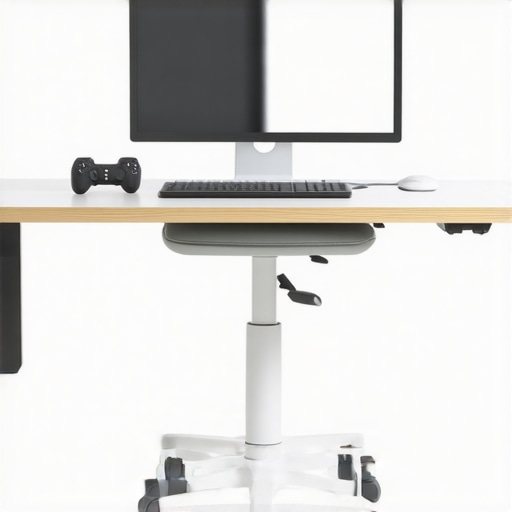 —which helps release myofascial tightness and improves tissue flexibility. This affordable yet powerful tool allows me to target trigger points and enhance circulation, making my mobility exercises more effective. Regular self-myofascial release has become an integral part of my routine, especially after long periods of sitting or intense workouts.
In addition, I rely on digital tools such as mobility tracking apps that encourage consistency. These apps monitor my daily movement patterns, remind me to take breaks, and provide tailored stretching routines. Through consistent use, I’ve learned to identify mobility dips and address them proactively. Experts suggest that integrating such digital solutions can significantly reduce the likelihood of developing chronic issues—see this resource for detailed strategies.
Looking ahead, the trend points toward smarter, sensor-enabled devices that can analyze your posture and movement in real-time. Wearable technology like posture trainers or smart insoles could provide personalized feedback, pushing you toward better habits without constant supervision. This predictive approach can help you correct compensations before they turn into pain, thus maintaining mobility effortlessly over years.
How do I keep my mobility routines sustainable in the long run?
Consistency is the secret sauce. Establishing a habit of periodically checking your workspace setup, engaging with digital reminder tools, and incorporating myofascial release techniques into your daily routine can make a massive difference. For example, dedicating just five minutes daily to foam rolling or stretching can prevent the buildup of adhesions and stiffness. And don’t forget the importance of listening to your body—if you notice persistent tightness or discomfort, it’s wise to consult a professional to tailor your approach further. For more comprehensive guidance, explore ergonomic and mobility strategies here. Try integrating these tools into your routine today, and watch your long-term mobility stay resilient.
The Hardest Lesson I Learned About Mobility and Pain
One of the most profound realizations was understanding that quick fixes only scratch the surface of true healing. I once believed that a single stretching session or an ergonomic adjustment would be enough, but I soon discovered that consistent, tailored routines grounded in body mechanics yield lasting results. Recognizing the importance of individualized strategies helped me prevent setbacks and empowered me to take control of my recovery journey.
Why Many Miss the Root Cause of Chronic Discomfort
It became clear to me that focusing solely on symptom relief often leads us astray. Ignoring underlying issues like muscle imbalances or joint restrictions means temporary comfort at best. Through professional assessments and deep body awareness, I learned that addressing the core problems—rather than just the pain—is essential for sustainable mobility improvements. This insight has transformed how I approach both my own health and advising others.
When Flexibility Becomes a Double-Edged Sword
I realized that increasing flexibility without building stability can inadvertently worsen problems. Hypermobile joints are more susceptible to injury if not supported by strong stabilizers. Incorporating stability exercises alongside flexibility routines has been a game-changer, teaching me that balance between mobility and support is vital for long-term back and neck health.
Where Expert Advice Shaped My Journey
From books like Dr. Stuart McGill’s works to trusted online resources, I found that credible guidance rooted in science saved me from common pitfalls. Learning about spinal mechanics and tailored mobility protocols gave me confidence and clarity in my recovery efforts. These resources continue to serve as my personal toolbox, and I highly recommend exploring them to deepen your understanding.
Embracing Small but Powerful Habits for Lasting Change
Daily routines, like mindful posture checks, micro-movements, and self-myofascial releases with tools such as foam rollers, have compounded to produce significant improvements. Patience and consistency turn these small actions into powerful agents of change, helping me maintain mobility and prevent discomfort from creeping back. Making these habits part of your lifestyle can lead to enduring relief and resilience.
Ready to Own Your Mobility Transformation?
Your journey toward pain-free, flexible neck and back movement starts today. Trust in the personalized strategies that address your unique body story, and remember—consistent effort leads to lasting change. If you’ve experienced setbacks or doubts, know that every step forward is progress. I encourage you to embrace the process and celebrate small victories along the way.
Have you ever fallen into the trap of overlooking the importance of stability when pursuing flexibility? Share your story below and let’s support each other’s growth in achieving healthier, happier mobility.
}#}#}#}#}#}#}#}#}#}#}#}#}#}#}#}#}#}#}#}#}#}#}#}#}#}#}#}#}#}#}#}#}#}#}#}#}#}#}#}#}#}#}#}#}#}#}#}#}#}#}#}#}#}#}#}#}#}#}#}#}#}#}#}#}#}#}#}#}#}#}#}#}#}#}#}#}#}#}#}#}#}#}#}#}#}#}#}#}#}#}#}#}#}#}#}#}#}#}#}#}#}#}#}#}#}#}#}#}#}#}#}#}#}#}#}#}#}#}#}#}#}#}#}#}#}#}#}#}#}#}#}#}#}#}#}#}#}#}#}#}#}#}#}#}#}#}#}#}#}#}#}#}#}#}#}#}#}#}#}#}#}#}#}#}#}#}#}#}#}#}#}#}#}#}#}#}#}#}#}#}#}#}#}#}#}#}#}#}#}#}#}#}#}#}#}#}#}#}#}#}#}#}#}#}#}#}#}#}#}#}#}#}#}#}#}#}#}#}#}#}#}#}#}#}#}#}#}#}#}#}#}#}#}#}#}#}#}#}#}#}#}#}#}#}#}#}#}#}#}#}#}#}#}#}#}#}#}#}#}#}#}#}#}#}#}#}#}#}#}#}#}#}#}#}#}#}#}#}#}#}#}#}#}#}#}#}#}#}#}#}#}#}#}#}#}#}#}#}#}#}#}#}#}#}#}#}#}#}#}#}#}#}#}#}#}#}#}#}#}#}#}#}#}#}#}#}#}#}#}#}#}#}#}#}#}#}#}#}#}#}#}#}#}#}#}#}#}#}#}#}#}#}#}#}#}#}#}#}#}#}#}#}#}#}#}#}#}#}#}#}#}#}#}#}#}#}#}#}#}#}#}#}#}#}#}#}#}#}#}#}#}#}#}#}#}#}#}#}#}#}#}#}#}#}#}#}#}#}#}#}#}#}#}#}#}#}#}#}#}#}#}#}#}#}#}#}#}#}#}#}#}#}#}#}#}#}#}#}#}#}#}#}#}#}#}#}#}#}#}#}#}#}#}#}#}#}#}#}#}#}#}#}#}#}#}#}#}#}#}#}#}#}#}#}#}#}#}#}#}#}#}#}#}#}#}#}#}#}#}#}#}#}#}#}#}#}#}#}#}#}#}#}#}#}#}#}#}#}#}#}#}#}#}#}#}#}#}#}#}#}#}#}#}#}#}#}#}#}#}#}#}#}#}#}#}#}#}#}#}#}#}#}#}#}#}#}#}#}#}#}#}#}#}#}#}#}#}#}#}#}#}#}#}#}#}#}#}#}#}#}#}#}#}#}#}#}#}#}#}#}#}#}#}#}#}#}#}#}#}#}#}#}#}#}#}#}#}#}#}#}#}#}#}#}#}#}#}#}#}#}#}#}#}#}#}#}#}#}#}#}#}#}#}#}#}#}#}#}#}#}#}#}#}#}#}#}#}#}#}#}#}#}#}#}#}#}#}#}#}#}#}#}#}#}#}#}#}#}#}#}#}#}#}#}#}#}#}#}#}#}#}#}#}#}#}#}#}#}#}#}#}#}#}#}#}#}#}#}#}#}#}#}#}#}#}#}#}#}#}#}#}#}#}#}#}#}#}#}#}#}#}#}#}#}#}#}#}#}#}#}#}#}#}#}#}#}#}#}#}#}#}#}#}#}#}#}#}#}#}#}#}#}#}#}#}#}#}#}#}#}#}#}#}#}#}#}#}#}#}#}#}#}#}#}#}#}#}#}#}#}#}#}#}#}#}#}#}#}#}#}#}#}#}#}#}#}#}#}#}#}#}#}#}#}#}#}#}#}#}#}#}#}#}#}#}#}#}#}#}#}#}#}#}#}#}#}#}#}#}#}#}#}#}#}#}#}#}#}#}#}#}#}#}#}#}#}#}#}#}#}#}#}#}#}#}#}#}#}#}#}#}#}#}#}#}#}#}#}#}#}#}#}#}#}#}#}#}#}#}#}#}#}#}#}#}#}#}#}#}#}#}#}#}#}#}#}#}#}#}#}#}#}#}#}#}#}#}#}#}#}#}#}#}#}#}#}#}#}#}#}#}#}#}#}#}#}#}#}#}#}#}#}#}#}#}#}#}#}#}#}#}#}#}#}#}#}#}#}#}#}#}#}#}#}#}#}#}#}#}#}#}#}#}#}#}#}#}#}#}#}#}#}#}#}#}#}#}#}#}#}#}#}#}#}#}#}#}#}#}#}#}#}#}#}#}#}#}#}#}#}#}#}#}#}#}#}#}#}#}#}#}#}#}#}#}#}#}#}#}#}#}#}#}#}#}#}#}#}#}#}#}#}#}#}#}#}#}#}#}#}#}#}#}#}#}#}#}#}#}#}#}#}#}#}#}#}#}#}#}#}#}#}#}#}#}#}#}#}#}#}#}#}#}#}#}#}#}#}#}#}#}#}#}#}#}#}#}#}#}#}#}#}#}#}#}#}#}#}#}#}#}#}#}#}#}#}#}#}#}#}#}#}#}#}#}#}#}#}#}#}#}#}#}#}#}#}#}#}#}#}#}#}#}#}#}#}#}#}#}#}#}#}#}#}#}#}#}#}#}#}#}#}#}#}#}#}#}#}#}#}#}#}#}#}#}#}#}#}#}#}#}#}#}#}#}#}#}#}#}#}#}#}#}#}#}#}#}#}#}#}#}#}#}#}#}#}#}#}#}#}#}#}#}#}#}#}#}#}#}#}#}#}#}#}#}#}#}#}#}#}#}#}#}#}#}#}#}#}#}#}#}#}#}#}#}#}#}#}#}#}#}#}#}#}#}#}#}#}#}#}#}#}#}#}#}#}#}#}#}#}#}#}#}#}#}#}#}#}#}#}#}#}#}#}#}#}#}#}#}#}#}#}#}#}#}#}#}#}#}#}#}#}#}#}#}#}#}#}#}#}#}#}#}#}#}#}#}#}#}#}#}#}#}#}#}#}#}#}#}#}#}#}#}#}#}#}#}#}#}#}#}#}#}#}#}#}#}#}#}#}#}#}#}#}#}#}#}#}#}#}#}#}#}#}#}#}#}#}#}#}#}#}#}#}#}#}#}#}#}#}#}#}#}#}#}#}#}#}#}#}#}#}#}#}#}#}#}#}#}#}#}#}#}#}#}#}#}#}#}#}#}#}#}#}#}#}#}#}#}#}#}#}#}#}#}#}#}#}#}#}#}#}#}#}#}#}#}#}#}#}#}#}#}#}#}#}#}#}#}#}#}#}#}#}#}#}#}#}#}#}#}#}#}#}#}#}#}#}#}#}#}#}#}#}#}#}#}#}#}#}#}#}#}#}#}#}#}#}#}#}#}#}#}#}#}#}#}#}#}#}#}#}#}#}#}#}#}#}#}#}#}#}#}#}#}#}#}#}#}#}#}#}#}#}#}#}#}#}#}#}#}#}#}#}#}#}#}#}#}#}#}#}#}#}#}#}#}#}#}#}#}#}#}#}#}#}#}#}#}#}#}#}#}#}#}#}#}#}#}#}#}#}#}#}#}#}#}#}#}#}#}#}#}#}#}#}#}#}#}#}#}#}#}#}#}#}#}#}#}#}#}#}#}#}#}#}#}#}#}#}#}#}#}#}#}#}#}#}#}#}#}#}#}#}#}#}#}#}#}#}#}#}#}#}#}#}#}#}#}#}#}#}#}#}#}#}#}#}#}#}#}#}#}#}#}#}#}#}#}#}#}#}#}#}#}#}#}#}#}#}#}#}#}#}#}#}#}#}#}#}#}#}#}#}#}#}#}#}#}#}#}#}#}#}#}#}#}#}#}#}#}#}#}#}#}#}#}#}#}#}#}#}#}#}#}#}#}#}#}#}#}#}#}#}#}#}#}#}#}#}#}#}#}#}#}#}#}#}#}#}#}#}#}#}#}#}#}#}#}#}#}#}#}#}#}#}#}#}#}#}#}#}#}#}#}#}#}#}#}#}#}#}#}#}#}#}#}#}#}#}#}#}#}#}#}#}#}#}#}#}#}#}#}#}#}#}#}#}#}#}#}#}#}#}#}#}#}#}#}#}#}#}#}#}#}#}#}#}#}#}#}#}#}#}#}#}#}#}#}#}#}#}#}#}#}#}#}#}#}#}#}#}#}#}#}#}#}#}#}#}#}#}#}#}#}#}#}#}#}#}#}#}#}#}#}#}#}#}#}#}#}#}#}#}#}#}#}#}#}#}#}#}#}#}#}#}#}#}#}#}#}#}#}#}#}#}#}#}#}#}#}#}#}#}#}#}#}#}#}#}#}#}#}#}#}#}#}#}#}#}#}#}#}#}#}#}#}#}#}#}#}#}#}#}#}#}#}#}#}#}#}#}#}#}#}#}#}#}#}#}#}#}#}#}#}#}#}#}#}#}#}#}#}#}#}#}#}#}#}#}#}#}#}#}#}#}#}#}#}#}#}#}#}#}#}#}#}#}#}#}#}#}#}#}#}#}#}#}#}#}#}#}#}#}#}#}#}#}#}#}#}#}#}#}#}#}#}#}#}#}#}#}#}#}#}#}#}#}#}#}#}#}#}#}#}#}#}#}#}#}#}#}#}#}#}#}#}#}#}#}#}#}#}#}#}#}#}#}#}#}#}#}#}#}#}#}#}#}#}#}#}#}#}#}#}#}#}#}#}#}#}#}#}#}#}#}#}#}#}#}#}#}#}#}#}#}#}#}#}#}#}#}#}#}#}#}#}#}#}#}#}#}#}#}#}#}#}#}#}#}#}#}#}#}#}#}#}#}#}#}#}#}#}#}#}#}#}#}#}#}#}#}#}#}#}#}#}#}#}#}#}#}#}#}#}#}#}#}#}#}#}#}#}#}#}#}#}#}#}#}#}#}#}#}#}#}#}#}#}#}#}#}#}#}#}#}#}#}#}#}#}#}#}#}#}#}#}#}#}#}#}#}#}#}#}#}#}#}#}#}#}#}#}#}#}#}#}#}#}#}#}#}#}#}#}#}#}#}#}#}#}#}#}#}#}#}#}#}#}#}#}#}#}#}#}#}#}#}#}#}#}#}#}#}#}#}#}#}#}#}#}#}#}#}#}#}#}#}#}#}#}#}#}#}#}#}#}#}#}#}#}#}#}#}#}#}#}#}#}#}#}#}#}#}#}#}#}#}#}#}#}#}#}#}#}#}#}#}#}#}#}#}#}#}#}#}#}#}#}#}#}#}#}#}#}#}#}#}#}#}#}#}#}#}#}#}#}#}#}#}#}#}#}#}#}#}#}#}#}#}#}#}#}#}#}#}#}#}#}#}#}#}#}#}#}#}#}#}#}#}#}#}#}#}#}#}#}#}#}#}#}#}#}#}#}#}#}#}#}#}#}#}#}#}#}#}#}#}#}#}#}#}#}#}#}#}#}#}#}#}#}#}#}#}#}#}#}#}#}#}#}#}#}#}#}#}#}#}#}#}#}#}#}#}#}#}#}#}#}#}#}#}#}#}#}#}#}#}#}#}#}#}#}#}#}#}#}#}#}#}#}#}#}#}#}#}#}#}#}#}#}#}#}#}#}#}#}#}#}#}#}#}#}#}#}#}#}#}#}#}#}#}#}#}#}#}#}#}#}#}#}#}#}#}#}#}#}#}#}#}#}#}#}#}#}#}#}#}#}#}#}#}#}#}#}#}#}#}#}#}#}#}#}#}#}#}#}#}#}#}#}#}#}#}#}#}#}#}#}#}#}#}#}#}#}#}#}#}#}#}#}#}#}#}#}#}#}#}#}#}#}#}#}#}#}#}#}#}#}#}#}#}#}#}#}#}#}#}#}#}#}#}#}#}#}#}#}#}#}#}#}#}#}#}#}#}#}#}#}#}#}#}#}#}#}#}#}#}#}#}#}#}#}#}#}#}#}#}#}#}#}#}#}#}#}#}#}#}#}#}#}#}#}#}#}#}#}#}#}#}#}#}#}#}#}#}#}#}#}#}#}#}#}#}#}#}#}#}#}#}#}#}#}#}#}#}#}#}#}#}#}#}#}#}#}#}#}#}#}#}#}#}#}#}#}#}#}#}#}#}#}#}#}#}#}#}#}#}#}#}#}#}#}#}#}#}#}#}#}#}#}#}#}#}#}#}#}#}#}#}#}#}#}#}#}#}#}#}#}#}#}#}#}#}#}#}#}#}#}#}#}#}#}#}#}#}#}#}#}#}#}#}#}#}#}#}#}#}#}#}#}#}#}#}#}#}#}#}#}#}#}#}#}#}#}#}#}#}#}#}#}#}#}#}#}#}#}#}#}#}#}#}#}#}#}#}#}#}#}#}#}#}#}#}#}#}#}#}#}#}#}#}#}#}#}#}#}#}#}#}#}#}#}#}#}#}#}#}#}#}#}#}#}#}#}#}#}#}#}#}#}#}#}#}#}#}#}#}#}#}#}#}#}#}#}#}#}#}#}#}#}#}#}#}#}#}#}#}#}#}#}#}#}#}#}#}#}#}#}#}#}#}#}#}#}#}#}#}#}#}#}#}#}#}#}#}#}#}#}#}#}#}#}#}#}#}#}#}#}#}#}#}#}#}#}#}#}#}#}#}#}#}#}#}#}#}#}#}#}#}#}#}#}#}#}#}#}#}#}#}#}#}#}#}#}#}#}#}#}#}#}#}#}#}#}#}#}#}#}#}#}#}#}#}#}#}#}#}#}#}#}#}#}#}#}#}#}#}#}#}#}#}#}#}#}#}#}#}#}#}#}#}#}#}#}#}#}#}#}#}#}#}#}#}#}#}#}#}#}#}#}#}#}#}#}#}#}#}#}#}#}#}#}#}#}#}#}#}#}#}#}#}#}#}#}#}#}#}#}#}#}#}#}#}#}#}#}#}#}#}#}#}#}#}#}#}#}#}#}#}#}#}#}#}#}#}#}#}#}#}#}#}#}#}#}#}#}#}#}#}#}#}#}#}#}#}#}#}#}#}#}#}#}#}#}#}#}#}#}#}#}#}#}#}#}#}#}#}#}#}#}#}#}#}#}#}#}#}#}#}#}#}#}#}#}#}#}#}#}#}#}#}#}#}#}#}#}#}#}#}#}#}#}#}#}#}#}#}#}#}#}#}#}#}#}#}#}#}#}#}#}#}#}#}#}#}#}#}#}#}#}#}#}#}#}#}#}#}#}#}#}#}#}#}#}#}#}#}#}#}#}#}#}#}#}#}#}#}#}#}#}#}#}#}#}#}#}#}#}#}#}#}#}#}#}#}#}#}#}#}#}#}#}#}#}#}#}#}#}#}#}#}#}#}#}#}#}#}#}#}#}#}#}#}#}#}#}#}#}#}#}#}#}#}#}#}#}#}#}#}#}#}#}#}#}#}#}#}#}#}#}#}#}#}#}#}#}#}#}#}#}#}#}#}#}#}#}#}#}#}#}#}#}#}#}#}#}#}#}#}#}#}#}#}#}#}#}#}#}#}#}#}#}#}#}#}#}#}#}#}#}#}#}#}#}#}#}#}#}#}#}#}#}#}#}#}#}#}#}#}#}#}#}#}#}#}#}#}#}#}#}#}#}#}#}#}#}#}#}#}#}#}#}#}#}#}#}#}#}#}#}#}#}#}#}#}#}#}#}#}#}#}#}#}#}#}#}#}#}#}#}#}#}#}#}#}#}#}#}#}#}#}#}#}#}#}#}#}#}#}#}#}#}#}#}#}#}#}#}#}#}#}#}#}#}#}#}#}#}#}#}#}#}#}#}#}#}#}#}#}#}#}#}#}#}#}#}#}#}#}#}#}#}#}#}#}#}#}#}#}#}#}#}#}#}#}#}#}#}#}#}#}#}#}#}#}#}#}#}#}#}#}#}#}#}#}#}#}#}#}#}#}#}#}#}#}#}#}#}#}#}#}#}#}#}#}#}#}#}#}#}#}#}#}#}#}#}#}#}#}#}#}#}#}#}#}#}#}#}#}#}#}#}#}#}#}#}#}#}#}#}#}#}#}#}#}#}#}#}#}#}#}#}#}#}#}#}#}#}#}#}#}#}#}#}#}#}#}#}#}#}#}#}#}#}#}#}#}#}#}#}#}#}#}#}#}#}#}#}#}#}#}#}#}#}#}#}#}#}#}#}#}#}#}#}#}#}#}#}#}#}#}#}#}#}#}#}#}#}#}#}#}#}#}#}#}#}#}#}#}#}#}#}#}#}#}#}#}#}#}#}#}#}#}#}#}#}#}#}#}#}#}#}#}#}#}#}#}#}#}#}#}#}#}#}#}#}#}#}#}#}#}#}#}#}#}#}#}#}#}#}#}#}#}#}#}#}#}#}#}#}#}#}#}#}#}#}#}#}#}#}#}#}#}#}#}#}#}#}#}#}#}#}#}#}#}#}#}#}#}#}#}#}#}#}#}#}#}#}#}#}#}#}#}#}#}#}#}#}#}#}#}#}#}#}#}#}#}#}#}#}#}#}#}#}#}#}#}#}#}#}#}#}#}#}#}#}#}#}#}#}#}#}#}#}#}#}#}#}#}#}#}#}#}#}#}#}#}#}#}#}#}#}#}#}#}#}#}#}#}#}#}#}#}#}#}#}#}#}#}#}#}#}#}#}#}#}#}#}#}#}#}#}#}#}#}#}#}#}#}#}#}#}#}#}#}#}#}#}#}#}#}#}#}#}#}#}#}#}#}#}#}#}#}#}#}#}#}#}#}#}#}#}#}#}#}#}#}#}#}#}#}#}#}#}#}#}#}#}#}#}#}#}#}#}#}#}#}#}#}#}#}#}#}#}#}#}#}#}#}#}#}#}#}#}#}#}#}#}#}#}#}#}#}#}#}#}#}#}#}#}#}#}#}#}#}#}#}#}#}#}#}#}#}#}#}#}#}#}#}#}#}#}#}#}#}#}#}#}#}#}#}#}#}#}#}#}#}#}#}#}#}#}#}#}#}#}#}#}#}#}#}#}#}#}#}#}#}#}#}#}#}#}#}#}#}#}#}#}#}#}#}#}#}#}#}#}#}#}#}#}#}#}#}#}#}#}#}#}#}#}#}#}#}#}#}#}#}#}#}#}#}#}#}#}#}#}#}#}#}#}#}#}#}#}#}#}#}#}#}#}#}#}#}#}#}#}#}#}#}#}#}#}#}#}#}#}#}#}#}#}#}#}#}#}#}#}#}#}#}#}#}#}#}#}#}#}#}#}#}#}#}#}#}#}#}#}#}#}#}#}#}#}#}#}#}#}#}#}#}#}#}#}#}#}#}#}#}#}#}#}#}#}#}#}#}#}#}#}#}#}#}#}#}#}#}#}#}#}#}#}#}#}#}#}#}#}#}#}#}#}#}#}#}#}#}#}#}#}#}#}#}#}#}#}#}#}#}#}#}#}#}#}#}#}#}#}#}#}#}#}#}#}#}#}#}#}#}#}#}#}#}#}#}#}#}#}#}#}#}#}#}#}#}#}#}#}#}#}#}#}#}#}#}#}#}#}#}#}#}#}#}#}#}#}#}#}#}#}#}#}#}#}#}#}#}#}#}#}#}#}#}#}#}#}#}#}#}#}#}#}#}#}#}#}#}#}#}#}#}#}#}#}#}#}#}#}#}#}#}#}#}#}#}#}#}#}#}#}#}#}#}#}#}#}#}#}#}#}#}#}#}#}#}#}#}#}#}#}#}#}#}#}#}#}#}#}#}#}#}#}#}#}#}#}#}#}#}#}#}#}#}#}#}#}#}#}#}#}#}#}#}#}#}#}#}#}#}#}#}#}#}#}#}#}#}#}#}#}#}#}#}#}#}#}#}#}#}#}#}#}#}#}#}#}#}#}#}#}#}#}#}#}#}#}#}#}#}#}#}#}#}#}#}#}#}#}#}#}#}#}#}#}#}#}#}#}#}#}#}#}#}#}#}#}#}#}#}#}#}#}#}#}#}#}#}#}#}#}#}#}#}#}#}#}#}#}#}#}#}#}#}#}#}#}#}#}#}#}#}#}#}#}#}#}#}#}#}#}#}#}#}#}#}#}#}#}#}#}#}#}#}#}#}#}#}#}#}#}#}#}#}#}#}#}#}#}#}#}#}#}#}#}#}#}#}#}#}#}#}#}#}#}#}#}#}#}#}#}#}#}#}#}#}#}#}#}#}#}#}#}#}#}#}#}#}#}#}#}#}#}#}#}#}#}#}#}#}#}#}#}#}#}#}#}#}#}#}#}#}#}#}#}#}#}#}#}#}#}#}#}#}#}#}#}#}#}#}#}#}#}#}#}#}#}#}#}#}#}#}#}#}#}#}#}#}#}#}#}#}#}#}#}#}#}#}#}#}#}#}#}#}#}#}#}#}#}#}#}#}#}#}#}#}#}#}#}#}#}#}#}#}#}#}#}#}#}#}#}#}#}#}#}#}#}#}#}#}#}#}#}#}#}#}#}#}#}#}#}#}#}#}#}#}#}#}#}#}#}#}#}#}#}#}#}#}#}#}#}#}#}#}#}#}#}#}#}#}#}#}#}#}#}#}#}#}#}#}#}#}#}#}#}#}#}#}#}#}#}#}#}#}#}