
The Hidden Connection Between Your Ankle Mobility and Back Health
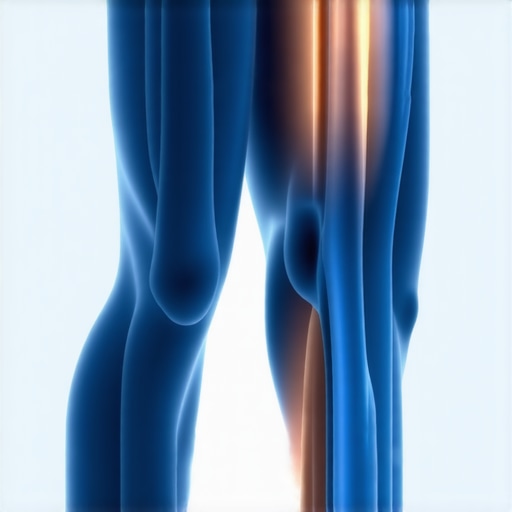
Have you ever experienced that sudden, sharp pain shooting down your leg after a long day of sitting or a strenuous workout? I sure have. There was a time I brushed it off as just another back ache, only to realize it was a sign of a deeper issue tied surprisingly close to my ankles. That lightbulb moment changed everything for me—and it might do the same for you.
Your Back’s Hidden Enemy Might Be Closer Than You Think
It turns out, your ankle mobility plays a crucial role in the health of your lower back. Think about it—when your ankles are stiff or limited, your body compensates by overworking other areas, often the lower back, which can lead to pain and nerve irritation. Early on, I made the mistake of solely focusing on my back and ignoring the importance of my feet and ankles. That approach only prolonged my discomfort. It wasn’t until I started paying attention to my ankle flexibility and mobility exercises that I noticed a real difference in my back health.
If you’re battling chronic back pain or sciatic nerve discomfort, it’s worth considering whether your ankle mobility might be part of the puzzle. Improving it could alleviate pressure and unlock a new level of relief you didn’t think was possible.
Is This All Just Overhyped Hype?
Honestly, I was skeptical at first. I thought, “How could such a small joint make such a big difference?” But I learned my lesson early on when I skipped ankle mobility drills and found myself back in pain within days. That mistake, a common one for many, reinforced just how vital it is to view our bodies as interconnected systems. So, if you’ve ever wondered whether ankle flexibility impacts your back pain, I encourage you to stay tuned. We’re going to explore simple, effective ways to improve your mobility and get you moving comfortably again.
Start with Gentle ankle mobilizations
My first breakthrough came when I incorporated ankle circles into my daily routine. I sat on the floor, lifted one foot, and slowly rotated my ankle in a controlled manner, making circles in both directions for about 30 seconds each side. This simple move mimics rolling a tiny steering wheel, helping loosen stiff joints. As I persevered weekly, the stiffness in my ankles diminished, which positively impacted my lower back by reducing the compensatory strains that cause pain.
Use the wall for ankle dorsiflexion improvement
Once comfortable, I progressed to the wall dorsiflexion stretch. Standing facing a wall, I placed my toes a foot away, then tried to push my knee forward over my toes without lifting the heel. Initially, I struggled to keep my heel flat and my knee aligned—like trying to move a stubborn car door. But I kept practicing daily, and within two weeks, my ankle’s range of motion improved significantly. This move is akin to giving your ankle a new hinge, easing the load on your lower back during walking or bending.
Incorporate functional mobility exercises
After improving my ankle flexibility, I added mobility drills that simulate real-life movements. One effective drill was the ‘ankle rock back’—plopping down on one knee, then shifting my weight forward over my toes, feeling the ankle stretch and activate. Think of it as priming a hinge before opening a heavy door; it prepares your joints for daily tasks. These exercises not only enhanced ankle function but also distributed movement patterns to the entire kinetic chain, reducing pressure on the lumbar spine.
Connect ankle mobility to posture and back health
I realized that tight ankles forced my pelvis into unnatural positions, similar to a crooked foundation causing a building to tilt. By freeing up my ankles, I corrected some of my posture flaws, which you can verify by doing a simple test: stand barefoot and observe if your heels stay flat or tend to roll outward or inward. Improving ankle dorsiflexion helped me maintain a more aligned pelvis and spine, easing sciatic irritation and back pain.
Stretch hamstrings and calves strategically
Next, I targeted my hamstrings and calves—muscles that often tighten when ankles are stiff. I performed gentle calf stretches against a wall, holding each for 30 seconds, reminiscent of stretching a rubber band gently before snapping it back. Over time, this reduced tension in my lower limbs, preventing tightness from pulling on my pelvis and lower back. Remember, stretching should be gentle and controlled—never forceful, as that can backfire and exacerbate pain.
Synchronize mobility with daily activities
To embed these practices into my routine, I integrated short mobility breaks into my day—especially during long periods of sitting. During work, I’d stand up, do ankle circles, or a quick calf stretch. Think of these as tuning your car’s engine regularly to keep it running smoothly; small, consistent adjustments make a difference over time. These habits help maintain ankle flexibility, which acts as a foundation for a healthy, pain-free back.
Many assume that pain relief comes solely from targeting the symptomatic area, like the back or neck, but this is a common misconception. Often, what people overlook is the critical role of movement patterns and body mechanics in either perpetuating or alleviating chronic pain. For instance, a prevalent myth is that stretching tight muscles is always beneficial; however, indiscriminate stretching can sometimes worsen symptoms, especially if underlying joint mobility issues are ignored. It’s essential to recognize that joints, muscles, and nervous system health are deeply interconnected, and treating symptoms in isolation may provide only temporary relief. Experts like Dr. Stuart McGill emphasize that movement dysfunctions often originate from compensatory habits that develop over years, leading to maladaptive patterns that fuel pain cycles. One common trap is focusing solely on strengthening muscles without addressing joint restrictions—like stiff ankles or hips—that limit movement and cause undue stress elsewhere. This oversight prevents uncovering the true root causes of discomfort and leads to wasted effort. For example, if ankle mobility isn’t optimal, the pelvis and lumbar spine compensate during walking or bending, increasing strain and risk of nerve impingement. Advanced analyses suggest that focusing on improving joint mobility, rather than just muscle flexibility, yields better outcomes.
Why do some mobility exercises backfire for chronic pain sufferers?
This is a nuanced issue many overlook. Overdoing certain stretches or mobility drills without understanding individual joint limitations can destabilize tissues, cause micro-injuries, or worsen alignment issues. For instance, aggressively stretching hamstrings when underlying hip or pelvis restrictions exist can pull the pelvis into an unnatural tilt, exacerbating back or sciatic pain. A study published in the Journal of Bodywork and Movement Therapies emphasizes that tailored mobility strategies, emphasizing joint health before stretching muscles, lead to more sustainable pain relief. Therefore, it’s crucial to assess and address specific joint restrictions through integrated approaches that combine mobility, stability, and posture correction. By doing so, you can avoid falling into the trap of over-stretching or strengthening in the wrong direction, which often prolongs recovery. To learn more about comprehensive strategies for overcoming these challenges, check out [overcoming sciatic discomfort](https://bodyrenewtherapy.com/overcoming-sciatica-top-lifestyle-changes-for-better-quality-of-life) and [unlocking lasting relief](https://bodyrenewtherapy.com/unlocking-sciatica-relief-expert-strategies-for-lasting-comfort). Remember, the goal is to restore harmony across your kinetic chain, rather than just targeting isolated tissues. Have you ever fallen into this trap? Let me know in the comments.
Maintaining a healthy spine, especially when dealing with sciatic discomfort, back pain, or neck tension, requires more than just occasional stretches or exercises. It involves the right tools, consistent routines, and savvy management to ensure your progress endures. Over the years, I’ve refined my toolkit with equipment and methods tailored specifically for sustained results, and I want to share these with you.
Invest in Quality Mobility Aids
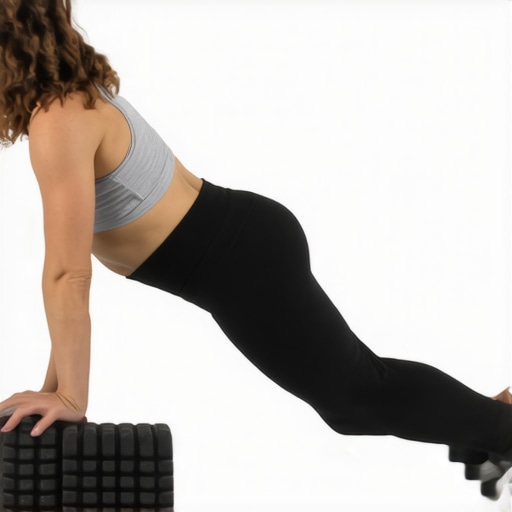
One of my go-to tools is a high-density foam roller designed for my back and legs. Unlike standard rollers, a dense model provides targeted pressure that helps release myofascial tightness without losing shape over time. I personally prefer a textured surface for deeper tissue massage, which complements my regular mobility drills. Incorporating a foam roller into daily self-care routines not only alleviates stiffness but also enhances overall circulation, setting the stage for more effective stretching and strengthening.
Why a Tension Release Tool Matters
Another essential item is a tennis ball or a specialized massage ball I use against my wall or on the floor. This tool allows me to perform trigger point therapy on stubborn knots in my lower back or hips, often responsible for sciatic flare-ups. The portability and simplicity of a ball make it perfect for quick relief during busy days, helping prevent chronic issues from taking hold. Regular use of this technique aligns with best practices recommended by physical therapists, such as those outlined in specialized literature on self-myofascial release.
Leverage Technology for Consistency
Modern software and apps have revolutionized how I track my mobility progress. I rely on *Mobility Master*, a dedicated app that guides me through tailored routines based on my recent stiffness levels and pain reports. By logging daily activities and pain triggers, I identify patterns and adapt my exercises proactively. This data-driven approach aligns with expert strategies found in clinical research, indicating that consistent monitoring fosters better adherence and outcomes.
In addition, wearable devices like the Oura Ring provide insights into my sleep quality, which directly impacts my recovery and pain levels. Prioritizing quality sleep is crucial, and these tools help me optimize my rest, ensuring my tissues repair effectively overnight and my pain management efforts stick.
How Do I Sustain My Improvements?
Sustaining results over the long haul hinges on integrating these tools into a manageable routine. I set aside ten minutes daily for mobility drills, regularly update my app with recent discomforts, and use my massage tools during breaks. Furthermore, I revisit *cornerstone content* like lifestyle modifications that complement physical tools, creating a comprehensive approach to health. As Dr. Stuart McGill emphasizes in his research, consistency in body mechanics and mobility practices ensures enduring relief and reduces the risk of recurrence.
What’s Next in Maintenance Tools?
The future of mobility and pain management appears poised to include AI-powered posture monitoring and personalized exercise algorithms that adapt in real-time. Imagine wearable sensors that detect subtle shifts in your spinal alignment and suggest immediate corrections—this is where the industry is heading. Embracing technology now and combining it with proven manual techniques offers the best shot at lasting freedom from back and neck pain.
If you’re serious about keeping your back and neck healthy long-term, I encourage you to implement one of these advanced tools, like the trigger point ball or a mobility app, into your daily routine. Small consistent steps, supported by the right equipment, can lead to profound, lasting change. For more detailed strategies, check out understanding posture’s impact on pain.
Throughout my journey with mobility and back pain, I discovered that the path to relief often involves more than just following popular routines. It’s about understanding the nuanced lessons that came from my own experiences, which might save you from some common pitfalls and guide you toward sustainable wellness.
Lessons That Changed How I Approach Movement
- The hardest lesson I learned about mobility and back pain was realizing that quick fixes rarely lasting. True progress requires patience and a focus on joint health before muscle flexibility. This insight prevented me from chasing fleeting relief and encouraged a more mindful, layered approach.
- Three myths about sciatic relief that held me back included the belief that stretching tight muscles alone would cure my pain, that rest was always the answer, and that more intensity meant better results. Recognizing these misconceptions shifted my strategy towards gentle, targeted mobility work and consistent practice.
- What experts often won’t tell you about neck pain is that unresolved posture habits and joint restrictions are often culprits, not just muscle strain. Addressing these root causes with proper assessments helped me regain stability and reduce recurrent discomfort.
- The lightbulb moment with ankle mobility was understanding how limited ankle dorsiflexion forces other joints into compensatory positions, leading to back issues. Improving ankle flexibility created a cascade of benefits, underlining the importance of holistic assessment.
- Body mechanics are interconnected: Focusing solely on the back misses the bigger picture. Regularly auditing my movement patterns ensured I kept my entire kinetic chain healthy, preventing pain before it started.
Tools That Made a Difference in My Journey
- My essential mobility toolkit includes a dense foam roller—its textured surface provides targeted release, which has been pivotal for my ongoing recovery. I trust it because of its durability and effectiveness, especially when combined with other drills.
- The magic of trigger point balls is undeniable. They’re portable, affordable, and potent for releasing stubborn knots that can trigger sciatic flare-ups. For me, integrating trigger point therapy into daily routines improved muscle balance and pain resilience.
- Harnessing technology for progress: Apps like *Mobility Master* help me track my exercises and pain levels, providing accountability and insights that keep my routine aligned with my goals. Wearables like the Oura Ring optimize my recovery by monitoring sleep, which is vital for tissue repair.
- Educational resources that guide me include comprehensive guides on posture correction and functional movement. They empower me to make informed adjustments rather than relying solely on passive treatments.
Invite Your Journey to Lasting Well-Being
Remember, the road to freedom from back and neck pain isn’t linear—it’s crafted through consistency, curiosity, and a willingness to explore beyond surface solutions. Your commitment to understanding your unique body mechanics and applying the right tools can lead to sustainable relief and a more confident movement experience. Whether it’s refining ankle mobility or integrating mindful stretching, small daily steps accumulate into profound long-term benefits.
What personal insight have you gained from your own mobility or pain management journey? Share your story below—I’d love to hear about your breakthroughs and continued progress.