
The Truth About Standing Desks and Your Persistent Leg Numbness
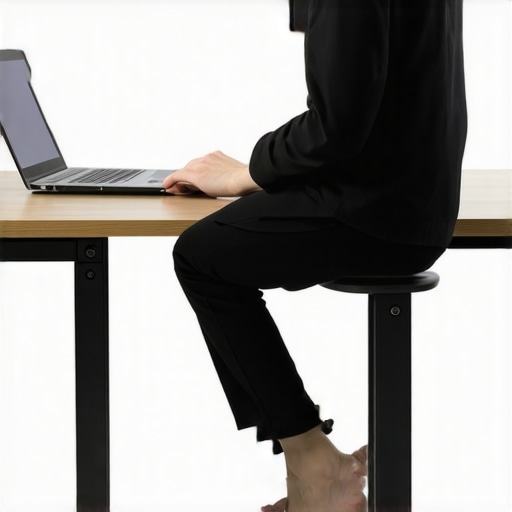
I remember the moment vividly. I had just set up my brand-new standing desk, excited to improve my posture and boost productivity. But within a few days, an odd numbness started creeping down my leg. At first, I brushed it off as nothing, thinking it was just fatigue or maybe a temporary pinched nerve. But as days turned into weeks, the sensation persisted, and I realized I was in way over my head. That lightbulb moment hit me hard: I was making assumptions about standing desks that could actually be harming me.
Why So Many of Us Fall Into the Sitting Trap — Even With Standing Desks
Standing desks are often touted as the cure-all for back pain and poor posture. And sure, they have their benefits. But here’s the thing: simply switching from sitting to standing isn’t the magic solution many people believe it is. In fact, I learned the hard way that improper setup or neglecting mobility can lead to new issues—like persistent leg numbness, back pain, or neck tension.
Early on, I made a common mistake: I assumed that just standing more would fix my posture. I didn’t pay attention to how my hips, knees, and ankles were aligned. I also ignored the importance of movement throughout the day. Turns out, static posture—whether sitting or standing—is a fast track to discomfort. The real key is continuous, mindful mobility and ergonomic awareness. For more tips on maintaining a healthy spine, check out mobility mastery tips.
Studies show that prolonged static postures, even standing ones, can reduce circulation and lead to nerve compression, which might explain my leg numbness. According to a 2020 report, people who switch between sitting, standing, and movement have better overall musculoskeletal health (source: Body Renew Therapy).
If you’ve been experiencing similar issues—whether it’s numbness, tingling, or persistent aching—don’t worry. You’re not alone, and there’s a path forward that involves smarter mobility and ergonomic adjustments. Over the next sections, I’ll share what I’ve learned from personal experience, guiding you to a more sustainable, pain-free workflow. So, have you faced that frustrating leg numbness or discomfort while working at a standing desk? Let’s figure out how to fix it together.
Prioritize Dynamic Movement Throughout the Day
One of the most crucial steps I took was integrating regular movement into my sitting and standing routines. Instead of staying static for long periods, I set a timer to remind myself every 15 minutes to stretch or walk around for a minute. For example, I once paused after 20 minutes at my desk to perform gentle lateral neck rolls and hip circles, which significantly reduced stiffness and nerve compression symptoms like numbness. Think of your body as a car engine; without regular oiling and movement, it starts to seize up. Incorporate simple mobility exercises like back and neck mobility drills, which can be done at your desk or during short breaks.
Adjust Your Ergonomic Setup for Better Alignment
Next, I focused on ergonomic refinement. I adjusted my monitor height so that the top of the screen was at eye level, preventing my neck from tilting downward. My keyboard and mouse were positioned so my elbows remained at 90 degrees, reducing shoulder strain. I also supported my lower back with an ergonomic cushion and kept my feet flat on the floor. Remember that a misaligned setup creates pain pathways—like a crooked pipe causing leaks. For insights on a proper workspace, explore ergonomic tips for everyday comfort. I learned that even slight adjustments, such as slightly raising my laptop with a stand, prevented unnecessary strain and improved circulation, which is vital for nerve health.
Implement Specific Mobility Drills to Release Tension
In my journey, targeted mobility exercises proved transformative. I dedicated 5 minutes daily to practicing back and neck mobility drills, focusing on gentle nerve glides and thoracic spine rotations. For instance, I performed shoulder blade squeezes and neck tilts while seated, which helped alleviate nerve impingements causing sciatica-like symptoms. Think of your nerves as flexible garden hoses—kinks restrict flow, leading to discomfort. Regularly ‘kinking’ them straight with nerve gliding exercises can restore function and reduce pain. Consistency here is key: I saw improvements when I incorporated these drills into my daily routine, especially after long periods of static posture.
Stretch and Strengthen with Precision
Over time, I added targeted stretches and strengthening moves to my routine. I avoided generic hamstring stretches, which often worsen lower back issues if performed incorrectly. Instead, I focused on specific hip flexor and psoas releases that help reduce pressure on the lower back (hip reset moves). I also incorporated core strengthening, such as planks and gentle pelvic tilts, to support spinal stability. Precise movements are vital—think of it as tuning a musical instrument. Improper stretching can tighten muscles further or cause nerve tension. Gradually building strength with exercises validated for spine health ensures sustained relief and resilience.
Use Mindful Breathing to Reduce Stress and Tension
Lastly, I learned that stress management plays an underestimated role in pain. Deep, diaphragmatic breathing routines helped me relax tense neck and shoulder muscles. Techniques from neck pain stress relief courses can be incorporated into short breaks. This method relaxes the nervous system, lowering muscle tension and improving blood flow. Think of your muscles as balloons: stress causes them to tighten and inflate, leading to discomfort. Controlled breathing deflates this tension, easing pain episodes. I found that even 2-minute breathing exercises between work intervals made a noticeable difference in overall comfort.
Many individuals believe that strengthening exercises alone are the key to resolving chronic neck and back pain. However, the real nuance lies in understanding the complexity of neural and fascial interactions within the musculoskeletal system. For example, focusing solely on superficial muscle strengthening without addressing neural mobility can lead to persistent issues, as highlighted by recent research from Dr. David Cassidy, an expert in neurodynamics. In my experience, rushing into aggressive stretching or strengthening without considering nerve gliding and fascia health is a common trap. These practices may temporarily relieve discomfort, but they often overlook the underlying neural restrictions that perpetuate pain and stiffness. It’s crucial to integrate advanced techniques, such as specific nerve gliding exercises and fascia mobilization, into your routine for lasting relief. For an in-depth look, check out proven techniques to regain your range of motion. Remember, addressing neural and fascial restrictions can be transformative, but beware of common pitfalls like over-stretching, which may worsen symptoms if done incorrectly. Always approach your mobility with a well-informed strategy. Have you ever fallen into this trap? Let me know in the comments.
How do I maintain my progress over time with effective tools?
Maintaining your spinal health and mobility requires more than just occasional stretching or ergonomic tweaks; it demands a set of reliable tools and consistent practices. Personally, I swear by specific equipment and software that keep my body in check, especially as my routine changes or my environment evolves. Among these, foam rollers stand out. I use a high-density foam roller daily to perform my myofascial release exercises aimed at releasing tension in my thoracolumbar fascia, which often gets tight from sitting or standing still for long stretches. It’s a simple, yet profoundly effective method that prevents chronic stiffness and nerve compression, reducing risks of sciatica flare-ups.
In addition, I incorporate portable massage balls to target specific trigger points along the hips, neck, and shoulders. They are especially handy for rapid relief during short breaks. On the digital side, I rely on mobility tracking apps like “MobilityWOD” to monitor my flexibility and joint range of motion over weeks and months. These tools help me identify deteriorations early, so I can tweak my mobility drills before discomfort becomes serious.
Looking ahead, the trend in maintenance involves integrating smart technology—wearables that monitor posture and movement in real-time. I believe future advancements will make these tools more intuitive and personalized, prompting preventive actions before pain manifests. Imagine a smart belt that gently vibrates when you slouch or a biometric sensor in your shoe that detects improper gait and recommends adjustments. Staying ahead of pain by leveraging such innovations will be vital for long-term health.
Furthermore, consistent routines like the guided ergonomic assessments and mobility drills assist in maintaining spinal alignment and nerve health. For example, regularly performing simple drills like thoracic extensions or hip hinges keeps muscles and fascia pliable, minimizing nerve impingement risks. Regular check-ins, either with a physiotherapist or through self-assessment tools, ensure your habits evolve with your body’s needs.
In summary, proactive maintenance is all about combining effective physical tools with smart tech and routine evaluations. My advice? Start by integrating a foam roller into your daily routine and set reminders via a mobility app. These small investments make a big difference and prepare you for the inevitable shifts in your activity levels or stressors. Remember, staying adaptable and vigilant about your body’s signals is crucial for long-term pain management.
What strategies help you keep your mobility and pain under control day after day?
The Sharp Realizations I Wish I Had Facing Pain
One of the most eye-opening lessons I learned was how crucial neural mobility is — far beyond just stretching muscles. I had spent months focusing on strengthening, only to realize nerves and fascia need equal attention. The lightbulb moment came when I experienced relief immediately after incorporating nerve gliding exercises. It showed me that pain isn’t always about tight muscles but often about nerve restrictions blocking movement and causing discomfort.
Another revelation was how static postures worsen long-term issues. Even with a standing desk, standing still for too long without movement aggravated my symptoms. I learned that dynamic movement is essential—moving, shifting, and mobilizing prevent the stagnation that leads to nerve compression. This understanding shifted my entire daily routine, pushing me toward frequent, mindful mobility rather than just ergonomic tweaks.
Also, I underestimated the power of mental relaxation. Stress tightens fascia and muscles, intensifying pain. Deep breathing and mindfulness routines became my allies, helping me release tension and rejuvenate neural pathways. It’s a holistic approach—body and mind working together—to maintain pain-free mobility over time.
Tools That Sustained My Journey Beyond Guesswork
Foam rollers became my go-to for fascia release, especially in stubborn areas like the thoracolumbar fascia. They’re simple but profoundly effective, helping me prevent stiffness and nerve compression — you can find more about targeted mobility here. Additionally, portable massage balls allowed me to address trigger points quickly, turning frustrating pain episodes into manageable moments.
I also rely on digital tools like mobility tracking apps to monitor progress and catch early signs of deterioration. These insights motivate me to stay consistent with my routines. Looking ahead, wearable posture monitors hold great promise—they’ll alert us before bad habits build into chronic pain. Staying proactive with these smart tools helps me sustain the improvements I’ve made.
But perhaps my most valuable resource is expert-guided exercises and consistent routines drawn from trusted sources. They ensure my approach is balanced, safe, and effective—a lesson I recommend to anyone serious about long-term relief. Regular check-ins and adaptions keep my journey aligned with my evolving needs, ensuring pain doesn’t return.
Why Acting Now Converts Pain Into Power
Your body is whispering—are you listening? Embedding mobility, mindful movement, and ergonomic awareness into your daily routine can transform pain from an inevitable burden into a manageable aspect of your life. The path isn’t quick fixes but consistent, informed actions—every small move, every mindful breath builds resilience.
Start today with simple exercises or ergonomic adjustments, and remember: you’re not alone in this journey. Many have faced the same struggles and discovered that change is possible—sometimes with just a single move or shift in perspective. Your mobility is a gift, and taking charge now can lead to a future free from persistent pain. So, what’s one small step you can take today to protect your neck and back for tomorrow? Let me know below!