
Why Squatting Instead of Bending Is Not Saving Your Spinal Discs
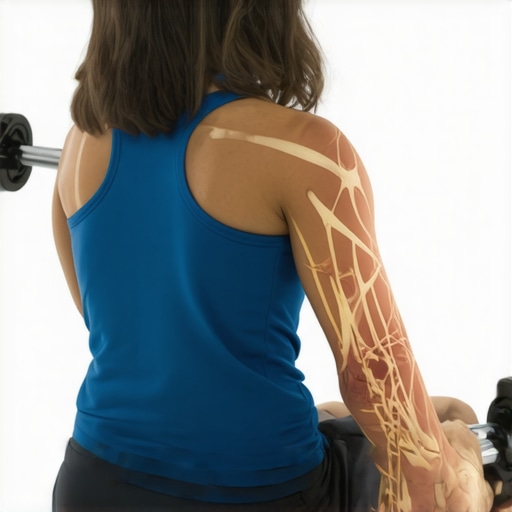
It was a morning like any other, and I found myself grimacing after bending down to tie my shoelaces. That familiar, stabbing pain shot up my lower back, making me question everything I thought I knew about ‘safe’ lifting techniques. I had been told for years that squatting properly would protect my spine, that it was a foolproof way to avoid disc injuries. But here I was, aching and frustrated, realizing I might have been barking up the wrong tree all along.
When what you think is helping is actually hurting
This realization hit me hard. Despite diligently practicing squat form, my back pain persisted, sometimes even worsened. I started digging into the science and talking to experts. What I discovered was eye-opening: the idea that squatting instead of bending is a surefire strategy to save your spinal discs isn’t entirely accurate. In fact, many of us might be under the false impression that adopting this technique automatically safeguards us, but the reality is far more nuanced. The key lies in understanding how our bodies move and how improper habits can still cause damage, even with the best intentions.
So, what does work? Well, today I want to share the insights I’ve gathered from personal experience and expert advice—things that genuinely help prevent back injuries and promote healthy, pain-free movement. If you’ve been wrestling with ongoing neck or back pain, or simply want to avoid these issues altogether, this post is for you.
What do I do if I’ve been doing it all wrong?
Admitting mistakes was a tough start. Early on, I made the mistake of ignoring my body’s signals, pushing through discomfort because I thought it was just part of ‘getting stronger.’ That hope turned into regret when I realized I was damaging my discs without even knowing it. This common mistake, which I now recognize as a critical lesson, emphasizes the importance of proper technique—and listening to what your pain is telling you. For more actionable tips, check out this guide on posture and pain.
Now, I want to take you through what actually works—beyond just squatting or bending—so you can move confidently, with less pain, and better protect your spine.
Build Foundations with Proper Posture and Movement
Start by assessing how you sit and stand throughout the day. Imagine your spine as a stack of building blocks; ensure each block is aligned and stable. For instance, during a personal experiment, I adjusted my desk height and sank into a more neutral seated position. The result: within days, my lower back discomfort decreased significantly. To dive deeper into posture fixes, visit this guide.
Incorporate Mobilization Exercises Daily
Start with Gentle Pelvic Tilts
Lie on your back with knees bent, feet flat. Gently tilt your pelvis upward, flattening your lower back into the floor, then tilt backward. Repeat for 10 reps. I began doing these mornings, and noticed my lumbar flexibility improved. Small, consistent movements like this prevent stiffness and promote resilience. Learn more about mobility exercises here.
Implement Spinal Rotations
Sit upright, cross one leg over the other, and twist your upper body toward the crossed leg. Hold for 20 seconds, switch sides. Initially, I was wary of twisting—fearing aggravation—but gentle, controlled rotations actually eased tightness. This action encourages disc nutrition and maintains disc space. For specific drills, see this article.
Adopt Nerve Glide Techniques for Sciatica Relief
When sciatica flares up, nerves can become pinched or irritated. Gentle nerve gliding helps free the nerve pathways. For example, I used a simple seated hamstring nerve glide: extend one leg, flex your ankle, and tilt your head away from the leg. Repeat 10 times per side. After a few days, I felt less tingling down my leg. These moves are essential for keeping the nerve tissue healthy and movement smooth. Explore nerve glide tips here.
Control Your Daily Habits that Impact Back Health
Small changes make a big difference. For example, I replaced my thick wallet in my back pocket with a front pocket carry, eliminating uneven pelvic tilt. Also, I set timers to remind me to stand and stretch every 30 minutes. Consistency is key; these habits help prevent daily cumulative stress on your spine. To optimize your routine, read ergonomic tips.
Utilize Simple Tools and Techniques at Home
A tennis ball became my go-to for releasing tight muscles along my lower back and hips. I placed it against a wall and rolled over it to target trigger points—an instant relief trick that I still do after long days. Incorporating self-massage tools like foam rollers or small balls aids in breaking up adhesions and restoring mobility. For detailed instructions, browse this resource.
Prioritize Stretching for Flexibility and Relief
Stretching hamstrings and hip flexors can paradoxically trigger pain if not done correctly. I learned to modify my routine—focusing on gentle, pain-free stretches—by avoiding overstretching and holding each stretch for just 15–20 seconds. Overtime, this approach enhanced my range of motion without exacerbating discomfort. Discover more about safe stretching here.
Many individuals believe they’ve grasped the essentials of managing neck pain, sciatica, and back stiffness, but beneath these common perceptions lie subtle inaccuracies that can hinder genuine progress. Most notably, a widespread myth is that discomfort always stems from muscle tightness or poor posture alone. While these factors play roles, an exclusive focus on superficial causes often leads to ineffective solutions. For instance, stretching the hamstrings blindly may seem logical, but excessive or wrong stretches can destabilize the spine further, especially if the underlying issue is nervous system irritation or joint misalignment, as highlighted in recent research on neuromuscular interactions.
Why do so many treatments miss the mark for advanced cases?
Actually, many treatments overlook the importance of neural pathways and fascia restrictions that aren’t visible on standard assessments. For example, nerve gliding exercises, if executed without proper understanding, can aggravate nerve sensitivity rather than alleviate it. Experts like Dr. Michael Rushton emphasize that addressing neural mobility requires precise, targeted approaches rather than generic stretches. Additionally, many are unaware of the trap of over-relying on passive modalities like foam rolling or massage, which can provide temporary relief but fail to resolve the root dysfunction. Over time, this pattern may cause adapted pain responses and altered movement patterns that become ingrained.
Furthermore, the nuance of individual variability is often underestimated. Each spine has a unique response to stressors, meaning that what works for one person might harm another. For example, some individuals with sciatic nerve irritation might benefit from nerve glides, while others could worsen their condition if they adopt aggressive mobility drills without clinician guidance. This highlights the importance of personalized assessment and intervention plans.
Have you ever fallen into this trap of oversimplifying your back or neck pain? Sharing your experience in the comments could help others recognize the importance of nuanced strategies. Remember, true progress comes from understanding the complex interaction between muscles, nerves, fascia, and joints. For a deeper dive into tailored solutions, check out this comprehensive guide or explore expert techniques for neural mobility and posture correction. Moving beyond basic stretching and common myths unlocks the potential for lasting relief and enhanced mobility.
Keep Your Progress Going with Trusted Tools
Maintaining a healthy back and neck over the long term requires more than just exercises; it involves utilizing specialized tools and adopting smart routines. Personally, I rely heavily on self-massage tools like foam rollers and tennis balls. I find that targeted myofascial release helps keep muscles pliable and prevents stiffness that can lead to pain. For instance, rolling out tight hips and lower back after a long day dissolves tension and supports mobility.
Another game-changer in my routine is adopting ergonomic accessories. Adjustable desks and monitor stands promote better posture—an aspect I often overlook when working long hours. Correct alignment minimizes strain, especially during extended periods of screen time. Regularly adjusting my workspace settings based on guidelines from this resource has prevented recurring discomfort.
Incorporating wearable technology has also been beneficial. I utilize posture correctors sparingly to retrain habits, ensuring I maintain spinal neutrality throughout the day. While not a permanent fix, these devices serve as reminders to adjust and stay mindful of my stance. Looking ahead, innovations like smart clothing with embedded sensors are likely to provide real-time feedback for posture correction, promising more personalized interventions in the future.
How do I maintain long-term mobility and neck health?
The key to sustained progress lies in establishing routines that are adaptable and sustainable. I schedule daily mobility drills, such as gentle spinal twists and pelvic tilts, to keep my joints moving freely. Using apps and timers helps me stay consistent, especially during busy weeks. For example, I set reminders every hour to stand, stretch, or perform quick neck mobility exercises, like controlled neck rotations. These small habits prevent stiffness and improve overall resilience.
It’s equally important to monitor how your body responds to different tools and techniques. Keep a journal to track what works and what doesn’t, adjusting your routine accordingly. Remember, no single method is a one-size-fits-all. Personalized assessment—possibly guided by a professional—ensures that your maintenance approach evolves with your needs.
Scaling Your Efforts for Lasting Results
As your mobility improves, consider integrating advanced methods like neural gliding or specialized strengthening exercises. For example, engaging in targeted nerve glide routines can be crucial if nerve-related pain persists. I personally incorporate neural mobility drills weekly to keep my sciatic nerve flexible, which has significantly reduced flare-ups.
Scaling up also involves strategic use of technology, such as wearable sensors or BIOMECHANIC-based training tools, which provide data-driven feedback to optimize movement patterns. Such innovations are becoming more accessible, offering personalized insights that can radically improve long-term outcomes. Predictably, the trend points toward AI-powered assessments and biofeedback devices becoming staples in both clinical and at-home settings.
Plan for the Future of Back and Neck Care
Looking ahead, the integration of AI and augmented reality (AR) into spine health management is poised to revolutionize how we prevent and treat pain. These technologies will enable real-time correction and customized programs based on individual biomechanics. Experts like Dr. Michael Rushton suggest that neural and fascia-focused approaches will complement traditional therapy, emphasizing the importance of addressing the body’s complex systems as a unified whole.
To embrace these advancements, I recommend trying innovative tools like nerve glide protocols combined with digital biofeedback. Starting small—incorporate a daily nerve glide using this guided routine—and observe how your symptoms respond. Consistent application will prepare you for future tech integrations and sustain your mobility gains.
Throughout my journey into understanding back and neck pain, I encountered countless lessons that stripped away misconceptions and revealed a deeper layer of complexity. Now, I want to share some of the most profound insights I’ve uncovered—lessons that transformed not only my approach but could also redefine your path to lasting relief.
The Hardest Lesson I Learned About Neck Pain, Sciatica, and Mobility
One personal revelation was realizing how often I overlooked the subtle cues my body was giving me. Persistent stiffness or tingling isn’t just minor discomfort—it’s a warning sign of underlying neural or fascial restrictions that simple stretches might not resolve. This taught me that addressing symptoms superficially can be a trap, and true healing involves diving into the core interconnected systems, like fascia and nervous pathways, with targeted strategies.
My Essential Toolkit for Long-Term Spinal Freedom
Over time, I curated a set of tools that genuinely support spine health—like nerve glide exercises I’ve detailed here. I trust these because they’ve consistently alleviated symptoms when traditional stretching failed. Additionally, ergonomic adjustments, as explained here, are game-changers, preventing new issues from creeping in during daily work routines. Lastly, self-massage tools like foam rollers or tennis balls—used judiciously—break up fascial adhesions and restore mobility, which I find invaluable for maintaining long-term resilience.
Your Journey Begins Now—Embrace the Change
If you’re ready to challenge myths and discover real solutions for neck pain, sciatica, and back stiffness, remember: progress is rooted in understanding your body’s unique interactions. Start small, stay consistent, and remember that every adjustment counts. For tailored advice, explore the comprehensive resources linked throughout this article or consult with a professional to craft a plan that respects your individual needs. Your spine’s health isn’t a final destination—it’s a lifelong journey.
Comments are closed.