
How Deep Breathing Can Actually Relieve That Sharp Lower Back Spasm

I remember the first time I was caught off guard by a sudden, searing sharpness in my lower back. I was midway through my morning routine when an unexpected jolt hit, leaving me hobbling and frustrated. The pain was so intense that even simple movements felt impossible. It was a moment of realization—how could something as basic as breathing, which I thought was just about oxygen, play a role in alleviating such a debilitating spasm?
Discovering the Power of Breath for Back Pain Relief
After countless visits to specialists and trying various treatments, I stumbled upon something surprisingly simple: deep, mindful breathing. Not just shallow inhales in stressful moments, but deliberate, controlled breaths that help calm the nervous system and relax the muscles. It’s like giving your spasm a gentle nudge to loosen its grip. Over time, I learned that this technique wasn’t just a temporary fix—it could actually help prevent those painful episodes from creeping up unexpectedly.
Today, I want to share how incorporating deep breathing into your routine might be the game-changer you’ve been searching for. If you’ve ever experienced that jarring lower back spasm, you’re probably wondering if this is just another fleeting gimmick or if it’s truly effective. Well, there’s scientific backing that supports this approach. Studies show that breathing exercises can activate the parasympathetic nervous system, which promotes relaxation and reduces muscle tightness, essential for easing back spasms (Learn more about back mobility solutions here). But more importantly, I’ll guide you through practical steps you can start today.
Is Deep Breathing Really Worth the Hype?
Early on, I made the mistake of dismissing breathing exercises as just another wellness trend—until I realized how stubborn my spasms were and how much control I could regain with a simple shift in mindset. It’s easy to overlook how powerful our breath is, especially when pain strikes. Now, I want to make this accessible for you, too. If you’re tired of helplessly watching pain take over, it’s time to give this a genuine shot.
So, do you have a moment when your lower back suddenly clenched up, leaving you on the edge of frustration? If yes, stick around. We’re about to dive into precise techniques that could help quiet that sharp spasm—powered by nothing more than your own breath.
Start with Controlled Breathing
Recall a moment when sudden back pain struck like a lightning bolt. I vividly remember one evening attempting to lift a heavy grocery bag, only to be halted by a sharp, searing pain radiating through my lower back. The immediate instinct was to tense up, but instead, I paused and focused on my breath. I took a slow, deep inhale through my nose, imagining filling my belly like a balloon. Then, I exhaled gently, releasing tension.
This simple act transformed my approach. To implement this technique, sit or lie comfortably. Place one hand on your chest and the other on your belly. Inhale deeply through your nose, ensuring your belly rises while your chest remains still. Exhale slowly through your mouth, letting your belly fall. Repeat this process for 5 minutes, concentrating solely on your breathing. This practice activates your parasympathetic nervous system, which helps calm muscle spasms and reduce pain. Practice this regularly, especially during early signs of tension, to build resilience against sudden spasms.
Synchronize Movement with Breath
During a particularly intense back spasm that left me immobilized, I learned that coordinating my movements with my breath could alleviate discomfort faster. Think of your muscles as cords that can be gently relaxed with the right rhythm. When you feel a spasm coming on, initiate slow, deliberate breathing and use it as a guide for gentle stretches or adjustments.
For example, if you’re trying to straighten your torso from a bent position, breathe in deeply, and as you exhale, slowly straighten your spine, engaging your core muscles gently. Avoid jerky or forceful movements; instead, focus on smooth, controlled motions. This approach minimizes the risk of further aggravating the injury while progressively easing muscle tightness.
Try this: standing with feet hip-width apart, inhale to prepare, then exhale as you slowly hinge forward from the hips, lowering your torso towards your legs. Hold the stretch, breathe steadily, and when you return to the starting position on the inhale, repeat as needed. This combination of mindful movement and breathing significantly reduces pain and prevents future spasms.
Incorporate Proper Posture and Support
Now that you’ve mastered breathing and gentle movement, supporting your back during daily activities becomes crucial. Imagine your spine as a stack of building blocks that need steady alignment to stay stable—any misalignment strains muscles and provokes spasms. Being mindful of your posture, especially when sitting for extended periods, can prevent the onset of pain.
When seated, ensure your hips are slightly above your knees, and your feet are flat on the ground. Use ergonomic supports or cushions if needed. During activities like driving, place a rolled towel behind your lower back to maintain natural curve and reduce strain. This simple support acts like a brace, giving your muscles less work to do and diminishing the likelihood of spasms.
Additionally, take regular breaks to stand, stretch, and reset your posture. Incorporate easy mobility exercises from this guide to keep your spine healthy. Consistent attention to posture combined with controlled breathing creates a resilient foundation that minimizes sudden back pain episodes.
Manage Stress to Prevent Tension
Stress often amplifies muscular tension, making spasms more frequent and intense. During my own journey, I noticed that periods of high stress sometimes triggered back stiffness, even if I wasn’t actively moving. Controlling breathing not only helps relax muscles but also reduces anxiety and emotional tension.
Practice diaphragmatic breathing daily, especially during stressful moments. Sit quietly, inhale deeply through your nose, allowing your stomach to expand, then exhale slowly through your mouth. Incorporate this into your routine by setting aside 5-10 minutes daily. Over time, you’ll notice a calmer mind and a more relaxed back, reducing the risk of spasms.
Combine Techniques for Lasting Relief
Remember, no single method is a silver bullet. Combining controlled breathing with gentle movement, posture awareness, and stress management creates a comprehensive approach to back health. For more detailed strategies, explore resources like this article on posture and pain or these sciatic relief techniques. Each step reinforces the other, building resilience and reducing the frequency and severity of spasms over time.When it comes to managing mobility issues, neck pain, or sciatica, many believe that simply stretching more or strengthening certain muscles will solve everything. However, this oversimplification can lead to counterproductive results. One common misconception is that pain always originates from the area where you feel it. In reality, pain often signals a complex interplay of factors beyond the immediate site, such as neural, postural, or even emotional influences. For example, poor posture may cause neck discomfort, but the root cause could be a dysfunctional thoracic or even pelvic alignment, which many overlook. \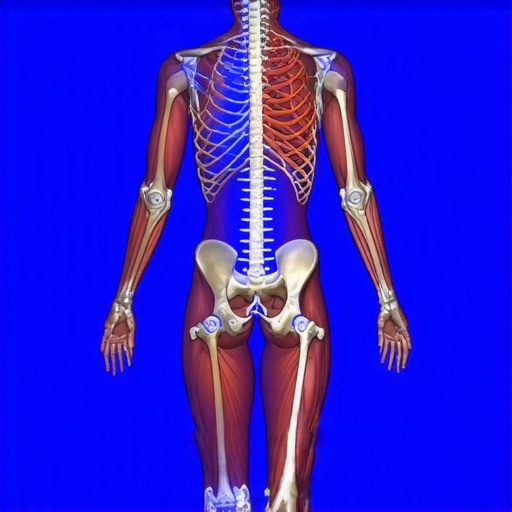 Recognizing the interconnectedness of our musculoskeletal system is crucial—focusing solely on isolated muscles without addressing underlying patterns can perpetuate pain cycles. Experts like Dr. Stuart McGill emphasize that movement dysfunctions and load management are more significant than isolated muscle training in resolving chronic back issues (learn more here).
Maintaining mobility and relieving chronic neck or back pain isn’t a one-and-done task; it requires the right tools and consistent effort. Over the years, I’ve curated a selection of equipment and methods that genuinely support long-term health and function. These tools are not just trendy gadgets but proven aids that integrate seamlessly into daily routines, helping prevent setbacks and scale your progress effectively.
Invest in a Quality Foam Roller and Massage Tools
My personal go-to is a high-density foam roller, specifically one with ridges designed for targeted muscle release. I use it daily to manage my spinal and shoulder tension, which are common culprits in neck and back pain. Regular self-myofascial release with a foam roller helps break down adhesions and improves circulation. Complement this with a set of massage balls—I’ve found the dual Lacrosse balls invaluable for pinpointing tight spots in the piriformis or thoracic region, which often influence overall spinal health. Integrating these tools into your routine can significantly reduce muscle tightness and improve flexibility over time.
Leverage Software for Posture and Movement Tracking
Digital tools have become a game changer. I rely on posture correction apps like Upright, which uses sensors to give real-time feedback on your sitting and standing habits. For muscle activation, I use smartphone apps that guide me through mobility exercises tailored to my pain spots. These apps help maintain an awareness of posture, ensuring you don’t slip back into poor alignment during work or leisure. As future tech advances, I predict a surge in AI-driven posture coaching that adapts dynamically to your specific movement patterns, creating a personalized long-term plan.
Use Supportive Equipment for Ergonomic Optimization
Ergonomics plays a crucial role. A well-designed lumbar support cushion and adjustable standing desk have become staples in my setup. The cushion relieves pressure on my lumbar spine during prolonged sitting, preventing the postural fatigue that often leads to pain. An adjustable desk allows me to alternate between sitting and standing, which keeps my spine responsive and reduces stiffness. Remember, these aren’t just accessories—they’re investments in your spinal health that pay off daily.
The Trend Ahead: Smarter, Personalized Care
Looking forward, I anticipate a shift toward smarter equipment—think AI-powered posture monitors or wearable sensors that analyze your movement and recommend adjustments in real-time. These innovations will make maintenance approachable and highly personalized, empowering you to take control of your health proactively rather than reactively.
How do I keep my tools effective over time?
The answer lies in routine. Regularly using foam rollers, tracking your posture with apps, and employing ergonomic supports must become habits. Scheduling weekly mobility sessions and adjusting your workspace as needed will reinforce gains and prevent regressions. Consistency is key—think of these tools as part of a lifestyle rather than quick fixes.
For targeted relief and deeper guidance, I recommend exploring resources like proven techniques for neck and back mobility. Incorporate one advanced tip today: try using a massage ball on your upper trapezius while consciously maintaining deep, diaphragmatic breathing. This combo can release tension that contributes to cervical discomfort.
Remember, staying proactive with the right tools—supported by consistent effort—will keep you moving freely and comfortably for years to come.
Over the years, my journey navigating chronic back and neck pain has taught me many lessons, but one stands out as truly game-changing: the profound impact of mindful breathing. I once believed pain was purely a structural issue requiring invasive treatments, but I discovered that the way I harnessed my breath could influence my body’s response more than any pill or therapy. This insight transformed my approach from reactive to proactive, and I believe it can do the same for you.
Lessons That Changed My Perspective on Mobility and Pain Management
- Hidden power in simple breaths: I realized that deliberate, deep breathing activates a relaxation response in the nervous system, reducing muscle tension and pain. It’s a tool accessible anytime, anywhere.
- Consistency beats complexity: Incorporating mindful breathing into daily routines is more effective than sporadic treatments. Small, regular practices create lasting change.
- Understanding the interconnected system: Focusing solely on muscles often overlooks the neural and postural factors influencing pain. A holistic view is essential for genuine relief.
Tools and Resources That Supported My Journey
- Proven mobility techniques: Guides like this mobility toolkit help maintain spine health daily and prevent setbacks.
- Effective therapeutic tools: Using foam rollers and massage balls, I target muscle adhesions and improve flexibility, a strategy I personally trust for sustainable relief.
- Tech-assisted posture tracking: Apps like Upright provide real-time feedback, allowing me to correct posture proactively, which reduces strain on my neck and back.
Let Your Action Inspire Others and Keep Moving Forward
The road to pain-free movement isn’t merely about avoiding discomfort; it’s about embracing habits that empower your body and mind. Your breath, a natural ally, holds the key to calming anatomical storms and fostering resilience. Take that first deep breath today—practice it, feel it, and let it remind you that healing often starts from within.
What small change are you willing to implement today that could make a difference in your mobility or pain management? Share your thoughts below and join a community committed to better movement and comfort.
}#}#}#}#}#}#}#}#}#}#}#}#}#}#}#}#}#}#}#}#}#}#}#}#}#}#}#}#}#}#}#}#}#}#}#}#}#}#}#}#}#}#}#}#}#}#}#}#}#}#}#}#}#}#}#}#}#}#}#}#}#}#}#}#}#}#}#}#}#}#}#}#}#}#}#}#}#}#}#}#}#}#}#}#}#}#}#}#}#}#}#}#}#}#}#}#}#}#}#}#}#}#}#}#}#}#}#}#}#}#}#}#}#}#}#}#}#}#}#}#}#}#}#}#}#}#}#}#}#}#}#}#}#}#}#}#}#}#}#}#}#}#}#}#}#}#}#}#}#}#}#}#}#}#}#}#}#}#}#}#}#}#}#}#}#}#}#}#}#}#}#}#}#}#}#}#}#}#}#}#}#}#}#}#}#}#}#}#}#}#}#}#}#}#}#}#}#}#}#}#}#}#}#}#}#}#}#}#}#}#}#}#}#}#}#}#}#}#}#}#}#}#}#}#}#}#}#}#}#}#}#}#}#}#}#}#}#}#}#}#}#}#}#}#}#}#}#}#}#}#}#}#}#}#}#}#}#}#}#}#}#}#}#}#}#}#}#}#}#}#}#}#}#}#}#}#}#}#}#}#}#}#}#}#}#}#}#}#}#}#}#}#}#}#}#}#}#}#}#}#}#}#}#}#}#}#}#}#}#}#}#}#}#}#}#}#}#}#}#}#}#}#}#}#}#}#}#}#}#}#}#}#}#}#}#}#}#}#}#}#}#}#}#}#}#}#}#}#}#}#}#}#}#}#}#}#}#}#}#}#}#}#}#}#}#}#}#}#}#}#}#}#}#}#}#}#}#}#}#}#}#}#}#}#}#}#}#}#}#}#}#}#}#}#}#}#}#}#}#}#}#}#}#}#}#}#}#}#}#}#}#}#}#}#}#}#}#}#}#}#}#}#}#}#}#}#}#}#}#}#}#}#}#}#}#}#}#}#}#}#}#}#}#}#}#}#}#}#}#}#}#}#}#}#}#}#}#}#}#}#}#}#}#}#}#}#}#}#}#}#}#}#}#}#}#}#}#}#}#}#}#}#}#}#}#}#}#}#}#}#}#}#}#}#}#}#}#}#}#}#}#}#}#}#}#}#}#}#}#}#}#}#}#}#}#}#}#}#}#}#}#}#}#}#}#}#}#}#}#}#}#}#}#}#}#}#}#}#}#}#}#}#}#}#}#}#}#}#}#}#}#}#}#}#}#}#}#}#}#}#}#}#}#}#}#}#}#}#}#}#}#}#}#}#}#}#}#}#}#}#}#}#}#}#}#}#}#}#}#}#}#}#}#}#}#}#}#}#}#}#}#}#}#}#}#}#}#}#}#}#}#}#}#}#}#}#}#}#}#}#}#}#}#}#}#}#}#}#}#}#}#}#}#}#}#}#}#}#}#}#}#}#}#}#}#}#}#}#}#}#}#}#}#}#}#}#}#}#}#}#}#}#}#}#}#}#}#}#}#}#}#}#}#}#}#}#}#}#}#}#}#}#}#}#}#}#}#}#}#}#}#}#}#}#}#}#}#}#}#}#}#}#}#}#}#}#}#}#}#}#}#}#}#}#}#}#}#}#}#}#}#}#}#}#}#}#}#}#}#}#}#}#}#}#}#}#}#}#}#}#}#}#}#}#}#}#}#}#}#}#}#}#}#}#}#}#}#}#}#}#}#}#}#}#}#}#}#}#}#}#}#}#}#}#}#}#}#}#}#}#}#}#}#}#}#}#}#}#}#}#}#}#}#}#}#}#}#}#}#}#}#}#}#}#}#}#}#}#}#}#}#}#}#}#}#}#}#}#}#}#}#}#}#}#}#}#}#}#}#}#}#}#}#}#}#}#}#}#}#}#}#}#}#}#}#}#}#}#}#}#}#}#}#}#}#}#}#}#}#}#}#}#}#}#}#}#}#}#}#}#}#}#}#}#}#}#}#}#}#}#}#}#}#}#}#}#}#}#}#}#}#}#}#}#}#}#}#}#}#}#}#}#}#}#}#}#}#}#}#}#}#}#}#}#}#}#}#}#}#}