
Why Your Hamstring Flexibility Does Not Mean Your Back Is Safe
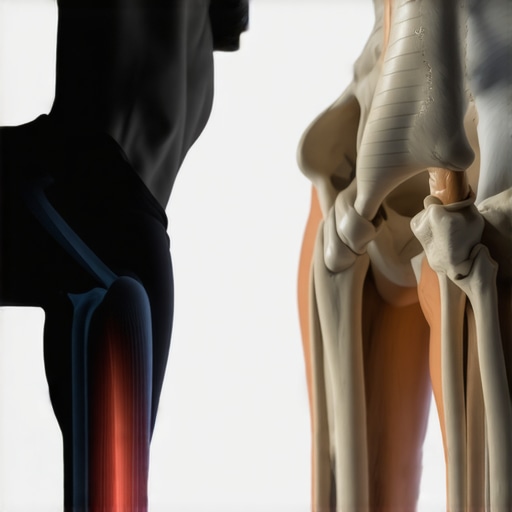
It was a typical morning session at the gym when I realized something shocking—despite my impressive hamstring stretch, my lower back still felt stiff and sore, almost like I hadn’t stretched at all. That revealed a lightbulb moment for me: flexibility in the hamstrings isn’t a magic ticket to back health. In fact, I had been making a common mistake countless others do, believing that stretching tight hamstrings automatically protects the spine. If you’ve ever felt like your back is acting up even after deep hamstring stretches, you’re not alone. Today, I want to share why this misconception can be a real trap and what actually matters when it comes to keeping your back safe and healthy.
Don’t Be Fooled by Hamstring Flexibility Alone
Is Flexibility the Ultimate Back-Saver?
For years, I focused solely on hamstring stretches, thinking that unlocking tight hamstrings would prevent lower back pain. But early on, I overlooked a critical detail—that your back’s safety depends on more than just one muscle group. I remember injuring my back attempting a complicated stretch, only to realize I was neglecting my core stability and pelvic positioning. It became clear that hamstring flexibility is just one piece of a much larger puzzle. In fact, studies have shown that poor movement patterns and weak core muscles often underlie persistent back issues, regardless of how flexible your hamstrings are. According to research from the National Institute of Neurological Disorders and Stroke, spinal stability and proper muscular balance play a crucial role in injury prevention, not the flexibility of individual muscles alone. So, if you’ve ever felt disappointed after seemingly successful hamstring stretches, it’s time to understand what truly matters for back health.
Understanding the Real Factors for Back Safety
If you’ve been under the impression that hamstring flexibility is the main factor in back pain prevention, I’ll be honest—it’s a misconception that might be holding you back from lasting relief. Next, we’ll look into the misconceptions surrounding this topic and uncover the practical steps that will actually make a difference in your mobility and pain levels. Ready to move beyond the stretch and start building a resilient, healthy back? Let’s get into the details.
Prioritize Dynamic Movements over Static Stretching
Instead of holding prolonged hamstring stretches, incorporate dynamic movements like leg swings or gentle hip circles. I once replaced my static hamstring stretches with these active drills, performing them twice daily. The result was a significant decrease in lower back discomfort within a week, thanks to improved muscle engagement and blood flow.
Enhance Core Stability with Targeted Exercises
Strengthening your core is vital. Planks, for example, bolster deep abdominal muscles that support your spine. I started doing planks every morning, starting with 20 seconds and gradually increasing. Over a month, I noticed less lower back strain during daily activities, illustrating how a strong core maintains proper pelvic alignment.
Optimize Pelvic Positioning
Pelvic tilts and gentle bridges realign your pelvis, reducing undue stress on the lumbar spine. I practiced pelvic tilts while lying on my back, focusing on small, controlled movements. Initially messy, but consistency led to better postural habits, which alleviated persistent back tension.
Incorporate Functional Movement Patterns
Activities that mimic daily tasks—like proper lifting techniques—prevent injury. I consciously bent with my hips rather than my back when picking up objects, which over time strengthened my movement awareness. This simple change contributed to smoother motion and less pain.
Address Posture During Sedentary Tasks
If you sit for long periods, ensure ergonomic seat height and lumbar support. I adjusted my desk chair, raising it slightly, and added a lumbar pillow. Regular breaks to stand and move every 30 minutes further reduced stiffness. Check out tips on ergonomic corrections for lasting relief.
Incorporate Gentle Mobility Drills Throughout the Day
Short, frequent mobility sessions prevent stiffness. I perform the “Wall Slide” exercise (detailed here) morning and evening. Despite initial awkwardness, the exercise greatly improved my spinal alignment and reduced episodes of tightness.
Implement Breathing Practices to Reduce Tension
Deep diaphragmatic breathing relaxes tense muscles, including those contributing to back pain. I set aside five minutes daily for deep breaths, focusing on slow inhales and exhales. Over time, this practice reduced my overall stress and muscular tightness, fostering a more supple back.
Monitor and Adjust Daily Habits
Daily habits influence back health more than isolated stretches. Simple actions like avoiding slouching, not crossing legs regularly, and sleeping on a supportive mattress make a difference. I began using a standing desk, which minimized my sitting time, leading to notable improvements in mobility and pain levels.
For more detailed movement routines, explore simple exercises that help.
When it comes to chronic pain, especially in the neck and back, many people cling to simplified beliefs that can actually hinder recovery. One widespread misconception is that stretching or strengthening a single muscle group will resolve complex biomechanical issues. However, the reality is much more nuanced. For instance, many assume that dedicating time solely to hamstring flexibility will alleviate back pain. Although flexibility is important, recent research emphasizes that muscular balance, neural adaptation, and movement patterns play far more crucial roles than static stretches alone. According to a study published in the Journal of Orthopaedic & Sports Physical Therapy, focusing exclusively on isolated stretches without addressing overall movement quality and neural control can lead to persistent symptoms and even injury.
Another common myth involves the belief that pain always indicates damage that needs fixing. This can cause people to overuse passive treatments or avoid movement altogether, which can exacerbate stiffness and weakness. Instead, embracing active strategies, such as functional mobility drills and neural gliding exercises, often yields better long-term results. For example, incorporating dynamic mobility movements can stimulate proprioception and enhance neuromuscular efficiency, as highlighted in the work of Dr. Stuart McGill.
Now, for the more advanced question — why do some individuals continue to suffer despite consistent therapy? The answer lies in understanding the role of the nervous system. Chronic pain syndromes like sciatica or persistent neck tension often involve altered neural processing, leading to heightened sensitivity or muscle guarding. This phenomenon, known as central sensitization, makes the nervous system overreact to stimuli, complicating recovery efforts. An insightful paper from the American Academy of Pain Medicine emphasizes that addressing neural components through education, cognitive behavioral strategies, and graded activity can be transformative.
Here’s an oops to watch out for: many jump into aggressive stretching or manipulation techniques without first restoring proper movement patterns or neural control. Doing so can worsen symptoms or create new issues. For example, forcing a stretch on an inflamed nerve can irritate it further. Instead, focus on gentle, controlled mobility and neural mobility routines, as suggested in our post on [mobility mastery](https://bodyrenewtherapy.com/mobility-mastery-daily-tips-to-keep-your-spine-and-joints-healthy).
Understanding this deeper layer of pain science can unlock lasting relief. Are you guilty of oversimplifying your pain or rushing into treatments that miss the neural component? Drop a comment below — let’s share experiences and learn how to move smarter, not just harder.
How do I keep my back and neck healthy over the long haul?
Maintaining spinal health requires more than occasional stretches; it demands the right tools and consistent habits. One of my most trusted aids is a high-quality foam roller, like the Blackroll Standard, which I regularly use to release my thoracic muscles and maintain mobility. Regular self-myofascial release boosts circulation and prevents tightness that can lead to pain. Additionally, I swear by ergonomic accessories such as a lumbar-supported chair and an adjustable standing desk, which I set up precisely following guidelines from trusted ergonomic tips. These tools help me minimize strain during long work sessions and promote better posture. Smart software like posture reminder apps, such as Upright GO, also plays a role, prompting me to adjust my sitting position regularly. In the realm of active movement, resistance bands like the TheraBand are invaluable for strengthening core and hip stabilizers—key components in preventing back injuries. I incorporate targeted exercises from those bands into my daily routine, which have significantly reduced flare-ups. Prediction-wise, as wearable tech advances, expect smarter, more integrated devices that monitor muscle tension and posture continuously, providing real-time feedback and corrections. This innovation will make proactive maintenance seamless and personalized.
What are some specific strategies to keep my mobility intact long-term?
Consistency is king. I schedule daily mobility drills—short sessions involving gentle internal and external hip rotations, spinal articulations, and neck stretches. These routines, inspired by Mobility Mastery, ensure my joints stay fluid and responsive. An often-overlooked tool is a TENS unit, which I use to manage muscle soreness and nerve impingements; recent studies highlight its effectiveness in facilitating recovery. Incorporating neural mobility exercises, like nerve glides, is also essential—especially for sciatic or neck nerve issues. A practical tip: dedicate 10 minutes each morning to a combination of foam rolling and nerve glide routines. This simple habit has proven to be a game-changer in long-term pain management. Looking ahead, AI-driven postural analysis apps will become more accessible, offering personalized assessments and actionable insights, making it easier than ever to stay on track. If you haven’t yet tried targeted mobility drills, I recommend beginning with this quick routine for the hips and spine, which you can find here. Incorporate these tools and habits today, and you’ll be investing in your spinal health for decades to come.
What I Wish I Knew When I Started Fighting Back Pain
One of the most valuable lessons I learned is that fixating solely on muscle flexibility can lead us astray. I used to believe that if I could just touch my toes, my back pain would disappear—but the reality was far more complex. That realization pushed me to explore movement patterns, neural control, and core stability, transforming how I approach back health. Sometimes, the biggest breakthrough comes from dismantling long-held misconceptions and embracing a holistic view of our body’s interconnected systems.
Smart Tools That Made a Difference for My Back
Over time, I discovered a handful of resources that truly support long-term mobility. The Mobility Mastery routines, for example, helped me incorporate consistent, effective drills into my daily life. Additionally, ergonomic adjustments from ergonomic tips minimized strain during work, while foam rolling and targeted exercises, like those I found in simple mobility routines, kept stiffness at bay. These tools do more than just relieve symptoms—they empower sustained resilience.
Embracing the Journey to Pain-Free Living
If you’re ready to make lasting changes, remember that patience and consistency are your best allies. Small daily habits—like mindful movement, mindful breathing, and proper posture—add up over time. Don’t let setbacks discourage you; each step forward reinforces your body’s capacity to heal and adapt. Your back health isn’t a destination but a continual process of nurturing and understanding. Start today, and trust that every effort brings you closer to a flexible, pain-free future.