
The Simple Wall Drill That Reverses Your Rounded Shoulders
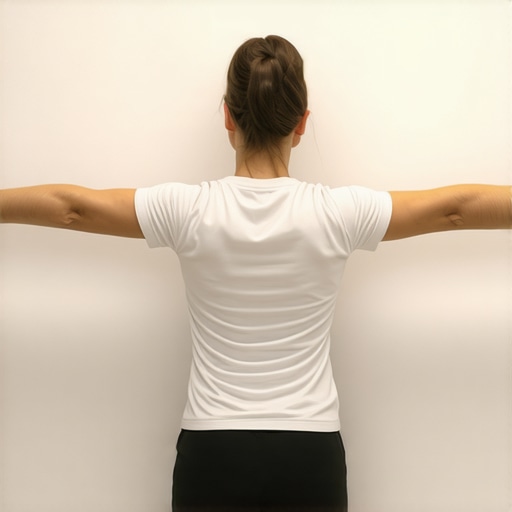
I remember the exact moment I realized my shoulders had become a permanent rounding curve, making me look like I was forever leaning into a breeze that wasn’t there. It was during a routine work-from-home day when I caught my reflection. I looked exhausted, and my posture? Well, let’s just say it was far from the confident stance I once had. ThatDay, I felt the dull ache creeping into my neck and upper back—small at first, but persistent. That’s when I knew something had to change.
The Power of a Simple Wall to Change Your Posture
Apart from the obvious discomfort, I started to understand how this posture was silently sabotaging my mobility and energy levels. The instant relief I longed for seemed impossible—until I discovered a surprisingly straightforward tool: the wall. It may sound too good to be true, but that wall became my secret weapon. I began practicing a little drill each day, leaning into the wall, aligning my shoulders, and retraining my muscles to hold themselves properly. And let me tell you—within just a few weeks, I saw a real difference. My shoulders relaxed, and I moved with newfound ease.
Could something this simple really reverse my rounded shoulders?
The truth is, many folks dismiss these tiny movements as mere stretches or quick fixes. But what I learned early on was that I had been making a crucial mistake—neglecting consistent, targeted exercises that rebuild muscle memory. That moment of neglect caused my shoulders to settle into a hunched, forward position. Over time, this not only affected my appearance but also brought headaches, neck pain, and even affected my breathing.
I promise, that’s a common story. And it’s exactly why I want to share this approach. The same drill has the potential to undo years of poor posture—one small step at a time. As I continued practicing, I also educated myself on the link between posture and overall health, diving into resources like [this article](https://bodyrenewtherapy.com/understanding-the-link-between-poor-posture-and-chronic-back-pain). It’s astonishing how much a tiny, consistent effort can do to turn the tide against pain and stiffness.
If you’ve ever caught yourself slouching at your desk, tired of the nagging ache that follows, keep reading. We’re going to explore how a straightforward wall-based exercise can become your ultimate posture reset, giving you relief and confidence you thought was lost. Ready to get started? Let’s dive into the mechanics behind this simple, yet powerful, movement.
How to Correct Your Posture Using a Wall
Start by standing with your back flat against a sturdy wall, ensuring your heels touch the base. Imagine pressing your shoulder blades, lower back, and head lightly into the wall as if trying to create contact points. This initial position helps become aware of your natural alignment and prepares muscles for retraining.
Engage Your Shoulder Blades
Slowly squeeze your shoulder blades together, pinching them gently as if holding a small ball between them. Hold that contraction for 3-5 seconds, then release. During my first attempt, I found it messy—grabbing my shoulders tightly and then relaxing—but over time, I learned to refine this movement for better muscle activation.
Advance with Wall Slides
Place your arms against the wall in a goalpost position, elbows bent at 90°, forearms resting flat. Slowly raise your arms overhead, sliding along the wall while maintaining contact with your elbows and wrists. Lower back down with control. This mimics natural shoulder movements and can help rebuild mobility, much like how I improved my shoulder range after a few consistent days.
Focus on Neck and Head Position
Keep your chin tucked slightly to avoid hyperextension, aligning your head with the rest of your spine. Think of it as creating a ‘double chin’ gently—this prevents forward head posture, which often accompanies rounded shoulders. Practicing this regularly can undo the habit of jutting your chin forward, as I experience when I neglected proper alignment.
Incorporate Micro-Movements into Daily Routine
During a typical workday, pause for 2-3 minutes every hour to perform these wall drills. Consistency is critical; even if your muscles shake or feel uncomfortable initially, gradually you’ll notice improved muscle memory and posture stability. As I applied these steps, my shoulders became less tense, and I felt more energized throughout the day.
Integrate Additional Resources for Faster Relief
If you experience persistent neck pain or tightness, learn proven techniques to regain your range of motion by visiting this resource. For sciatic discomfort linked to posture, quick home remedies can provide immediate relief, detailed here. These complementary practices enhance the effectiveness of your wall exercises, accelerating your journey toward pain-free mobility.Many people believe that back pain, neck pain, and sciatic issues stem purely from muscle strains or improper posture. While these factors are indeed common culprits, the reality is far more nuanced. One widespread myth is that pain always indicates a structural problem that requires aggressive intervention. In truth, chronic pain often results from complex neural and biomechanical interactions that are ignored when we focus solely on muscles or bones. For example, irritations in nerve pathways can perpetuate pain long after tissue healing, a fact highlighted in recent studies emphasizing neurogenic components of chronic discomfort.
Are you overlooking nerve sensitivities that sustain your pain?
Many assume that stretching or strengthening exercises alone will resolve nerve-related issues, but this can be counterproductive if neural mobility problems are involved. For instance, nerve gliding techniques have proven effective in rather stubborn cases of sciatic pain, but they must be applied with an understanding of nerve tension and orientation. Rushing into exercises without this knowledge can aggravate symptoms, turning minor discomfort into persistent agony. A study in the Journal of Orthopaedic & Sports Physical Therapy underscores the importance of integrating nerve mobility assessments into treatment plans rather than just focusing on muscular imbalances.
Another common misconception is that all back or neck pain signals something urgent or dangerous. While alarming pain warrants medical attention, many discomforts are benign and stem from nerve sensitivity or muscular fatigue. Over-investigation or unnecessary imaging can lead to anxiety and overtreatment. To distinguish between serious and minor causes, consider monitoring for key symptoms like weakness, numbness, or bladder dysfunction, which require prompt medical review. Otherwise, adopting targeted mobility routines and posture adjustments can alleviate symptoms effectively. For example, incorporating simple mobility drills from this resource can improve joint function and neural flexibility.
Why neglecting the neuro-mechanical connection could prolong your suffering?
Recognizing the brain and nerve system’s role in pain perception and muscle control is crucial for advanced recovery. The misconception that pain equals damage often leads sufferers to avoid movement, which worsens stiffness and neural hypersensitivity. Instead, controlled, specific movements—like nerve gliding or posture retraining—can desensitize neural pathways and restore proper function. As compiled in this article, understanding the intricate neural-biofeedback mechanisms offers a smarter approach than traditional static stretching or solely structural fixes.
In summary, the real sophistication of back and neck pain management lies in acknowledging the neuro-biomechanical interplay. Don’t fall for the myth that pain is always a straightforward sign of structural damage. Instead, embrace a holistic view that considers nerve sensitivities, neural mobility, and the importance of active movement. Have you ever fallen into this trap of oversimplifying your pain? Let me know in the comments. For deeper insights, explore resources like this guide on neck pain and learn how nuanced adjustments can accelerate your road to relief.
Keeping It Working with the Right Tools
Maintaining your progress in alleviating back, neck, or sciatica pain requires more than just occasional exercises. It demands reliable tools and consistent routines. Personally, I swear by using massage balls, especially the smaller, firmer varieties, to target stubborn nerve knots. I keep a pair nearby; they help release trigger points that often cause lingering discomfort. Incorporating the link between posture and pain.
Wrapping It Up
Incorporating these specialized tools and habits into your routine is the best way to sustain relief. But beyond tools, it’s about mindful movement and consistent care. Stay proactive, and your body will thank you. If you’re eager to enhance your mobility further, I recommend trying my favorite advanced tip: use a tennis ball to target specific nerve trigger points in your glutes and lower back. This simple move can dramatically improve neural glide and reduce sciatic discomfort. Always remember, tiny adjustments made regularly yield the most durable results. Ready to take your long-term relief seriously? Explore more at this resource and start building habits that keep you pain-free.
What I Wish I Knew About Posture Before It Was Too Late
One of the biggest lessons I learned is that immediate fixes often mask deeper issues. Addressing only the symptoms without understanding the root causes can lead to temporary relief but seldom results in long-term change. I realized that patience and consistency, combined with targeted exercises like wall drills, are the only reliable paths to lasting posture improvements.
Another insight was recognizing the power of neural mobility. I used to underestimate how nerve sensitivities could perpetuate pain, but now I see that gentle nerve gliding techniques are essential. They’re like unlocking a hidden highway in your nervous system, allowing your body to move freely and without pain.
Perhaps most surprisingly, I discovered that my daily habits — from sitting positions to sleep setups — play a critical role. Small ergonomic adjustments, such as elevating my monitor or switching to supportive pillows, compounded into significant gains over time. This holistic view helped me understand that managing back and neck pain isn’t about quick fixes but about building a sustainable environment for health.