
The Real Reason Your Neck Hurts More After a Massage
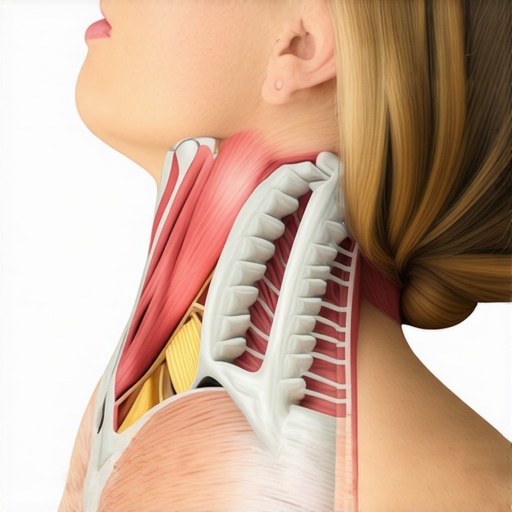
I remember the moment vividly. I had just finished a soothing massage, expecting relief, but instead, I left feeling worse—more tension, a dull ache that radiated into my shoulders. That lightbulb moment made me realize I wasn’t alone. So many of us chase that relaxing feeling, only to find our necks more stubborn than before. It’s frustrating, isn’t it? One minute, you’re on cloud nine, and the next, you’re stuck in a cycle of discomfort.
The Unexpected Reason Your Neck Gets Worse After a Massage
Many people, including myself at the start, assume massage is a quick fix for neck pain. But what if I told you that a common mistake during or after massage might actually intensify your discomfort? The truth is, massage can sometimes *uncover* underlying issues or temporarily undo the progress you’ve made through rigorous self-care. If you’ve ever felt that post-massage soreness, you’re not imagining it. This phenomenon is more common than you’d think and tied to how your muscles and nerves respond.
Did you know that over-relaxing your muscles without addressing the root causes can sometimes lead to an increase in pain? It’s akin to squeezing a too-tight sponge, only to find it leaking more water. That’s why understanding what’s really going on is essential.
The good news? With the right approach, you can turn this around. I will walk you through how to identify the hidden culprits behind your heightened neck pain and explain why certain techniques might be making things worse, not better. We’ll explore proven strategies to restore comfort and mobility, helping you to escape the cycle of worsening discomfort.
Are you tired of just living with neck pain or feeling disappointed after each massage? If so, stay with me. We’re about to delve into what might be causing your increased pain and how you can effectively address it. But first, let’s tackle one of the biggest skeptics’ questions—**is massage really worth it?**
Identify the Root Cause of Your Discomfort
Begin by observing when and how your pain worsens after a massage. Are certain movements triggering more discomfort? Tavelling back to the times I experienced increased neck stiffness, I realized it was often linked to overlooking underlying postural issues. To get clarity, consider noting your pain patterns and behaviors that precede flare-ups.
Choose the Right Techniques for Self-Care
Not all massage or stretching methods suit everyone. Instead of blindly applying generic stretches, tailor your approach based on your specific problem. For tight neck muscles, gentle nerve glides can be effective. For back stiffness, mobility exercises like those described in these ergonomic tips can restore movement.
Implement Targeted Mobility Exercises
Consistently performing targeted mobility drills helps prevent tightness. For example, the simple exercises can loosen stiff joints and muscles. My experience showed that dedicating five minutes daily to such routines significantly reduced post-massage soreness and improved overall neck and back resilience.
Practice Proper Posture Throughout the Day
Poor posture often undermines your recovery efforts. Simple adjustments, like elevating your computer screen or adjusting chair height, can make a big difference. For instance, I traced my neck tension back to months of hunching over a laptop without ergonomic support. Regularly reviewing your workstation setup can help.
Incorporate Breathing and Relaxation Techniques
Stress exacerbates muscle tension. Deep breathing exercises, such as diaphragmatic breathing, help calm nervous activity and prevent tensing. My own attempts with deep breathing during work breaks notably decreased muscle tightness and improved breath support, complementing physical routines.
Avoid Overdoing It and Recognize Warning Signs
While self-care is valuable, pushing through pain can be counterproductive. If your pain intensifies or persists beyond a few days, it may indicate an underlying issue needing professional attention. At one point, ignoring recurring pain led me to consult specialists, highlighting the importance of listening to your body.
Monitor and Adjust Your Routine Regularly
Your body’s response to exercises and posture changes can vary. Keep a pain journal, noting what works and what doesn’t. I found that shifting my mobility exercises slightly every few weeks helped sustain progress and prevented plateauing.
Remember, integrating these steps consistently fosters long-term relief. If your pain persists or worsens, exploring professional solutions can provide targeted relief—consider consulting experts who focus on neck pain solutions.
Many individuals believe that pain relief comes from simple stretches or quick fixes, but the real nuances often go unnoticed. Contrary to popular myths, pushing through pain or solely focusing on superficial treatments can worsen the condition. For example, the misconception that any pain immediately warrants rest ignores the complexity of muscular and nerve interactions. Sometimes, pain can be a sign of underlying issues that require targeted interventions rather than general movements.
One common trap to avoid is treating symptoms without understanding their root causes—like assuming all sciatic pain stems from compressed discs when often, tight hip flexors or poor posture play significant roles.
Is stretching always the answer if it feels tight?
Expert insights reveal that aggressive or poorly chosen stretches can exacerbate issues, especially if the tightness is due to nerve sensitization or joint restrictions, rather than muscle shortening. For instance, repeatedly stretching tight hamstrings without addressing lumbar or hip mobility can lead to increased discomfort over time. A study published in the Journal of Orthopaedic & Sports Physical Therapy emphasizes that personalized mobility programs outperform generic stretching routines, highlighting the importance of tailored approaches.
Another nuance is the misconception that mobility exercises are only for athletes or the young. In truth, maintaining joint health through specific techniques is vital at any age to prevent degenerative changes—see our mobility masterclass for practical tips.
Often overlooked is the impact of posture over time. Sitting in suboptimal positions repeatedly can cause muscle imbalances, which then reinforce pain cycles. The idea that standing desks or ergonomic chairs alone can fix long-term issues ignores the importance of active movement and strength stabilization. Regularly integrating core and stabilization exercises is essential; explore our posture and back health guide for deeper insights.
In terms of advanced mistakes, many neglect nerve mobilizations. These are nuanced techniques designed to reduce nerve tension and facilitate movement, yet they are often confused with general stretching. Proper nerve sliding exercises can dramatically reduce sciatic or neck-related nerve symptoms when performed correctly—learn more about methods that make a difference in our nerve glide exercises.
Understanding these subtleties allows you to craft more effective, personalized routines. Instead of blindly applying techniques, focus on what the body truly needs—whether it’s joint mobilization, nerve tension reduction, or correcting postural habits. Remember, the goal is sustainable relief, not temporary masks. Have you ever fallen into this trap? Let me know in the comments.When it comes to maintaining your progress against back pain, sciatica, or neck stiffness, having the right tools can make a significant difference. Personally, I rely on a combination of ergonomic equipment, targeted mobility aids, and smart software to keep my body in check. Investing in quality gear not only accelerates recovery but also prevents setbacks.
How do I keep my recovery sustainable over time?
A key strategy is incorporating specific tools that support daily habits and trigger point release. For instance, I use a foam roller with a textured surface, which I personally find more effective than smooth variants for breaking up muscular knots, especially around the thoracic spine. Regular self-myofascial release using a foam roller helps maintain soft tissue health and prevents trigger points from reforming. Additionally, I utilize a tennis ball to target hard-to-reach spots like the hips and glutes, which are often overlooked but crucial for pelvic alignment and lumbar stability.
Smart technology keeps me on track
Mobile apps that track posture and remind me to stretch are game-changers. I recommend trying [this posture correction app](https://bodyrenewtherapy.com/neck-pain-solutions-proven-techniques-to-regain-your-range-of-motion) that offers tailored exercises and alerts when my posture deviates. These digital tools empower you to embed good habits seamlessly into your day. Looking ahead, I believe the future of maintenance tools will be more personalized and AI-driven, adapting in real-time to your body’s signals for optimal relief. Think of a smart device that monitors muscle tension and recommends specific activations or relaxations accordingly. This could revolutionize how we manage chronic discomfort.
Prevent setbacks with effective daily routines
Consistency is critical. Incorporate mobility aids like resistance bands for gentle stretches or joint oscillation tools to promote proprioception—your body’s awareness of position. I integrate a resistance band during my morning routines to facilitate cervical and shoulder mobility, which have eradicated lingering stiffness. Remember, choosing the right tool is only part of the equation. Personalizing your approach based on your specific issues ensures sustainable results. For example, if nerve irritation is your concern, nerve gliding devices or techniques can be particularly effective. Discover how targeted nerve mobilizations can reduce sciatic pain, as detailed in our article on [expert strategies for lasting comfort](https://bodyrenewtherapy.com/unlocking-sciatica-relief-expert-strategies-for-lasting-comfort). To try a potent technique, I suggest integrating a simple, targeted nerve glide with a tennis ball on your hip—this can help release tension that aggravates nerve pain and improve mobility quickly. Being proactive with the right tools makes the journey to recovery smoother and more sustainable. Interested in further customization? Reach out through our [contact page](https://bodyrenewtherapy.com/contact-us) and let’s develop a tailored maintenance plan together.
Over the years, I’ve realized that recovering from neck and back pain isn’t a straightforward path. One of the most profound lessons I’ve learned is that quick fixes often conceal deeper issues, leading to frustration and setbacks. The time I spent chasing after immediate relief taught me to look beyond surface symptoms and focus on personalized, mindful strategies that truly address the root cause. Patience and consistency emerge as vital ingredients—the real game-changers in sustained pain relief.
What I Wish I Knew About Long-Term Back and Neck Healing
- Listening to Your Body Matters More Than Quick Fixes: I used to push through discomfort, thinking rest was a sign of weakness. But understanding when to pause and when to challenge my pain was pivotal for progress.
- Customized Approaches Trump Generic Routines: Not every stretch or exercise suits everyone. Tailoring movements based on personal patterns and professional advice accelerated my recovery journey.
- Small Daily Habits Shape Your Future Comfort: Simple actions like maintaining proper posture, incorporating targeted mobility exercises, and managing stress significantly reduced flare-ups over time.
- Patience Outweighs Urgency: I learned that consistent effort over weeks and months produces sustainable relief, unlike quick fixes that fade quickly.
Tools That Became My Essential Allies
- Neck mobility programs provided clarity on safe, effective movements that addressed nerve tension and joint restrictions.
- Ergonomic gadgets helped me reconfigure my workspace, reducing strain and promoting better posture during daily tasks.
- Mobility tools like resistance bands and foam rollers became part of my routine, ensuring constant progress.
- Lifestyle tweaks—such as mindful movement and stress management—had a profound impact on my resilience.
Step Into Your Healing Journey Today
Remember, your path to pain relief is uniquely yours. Embrace patience, seek personalized advice, and build daily habits that support your body’s natural healing capacity. The road might be long, but with consistent action and the right tools, lasting relief is within reach. Are you ready to take that first step toward a healthier, more mobility-rich life? Share your experiences or ask questions below—I’m here to support your journey to wellness.