
4 Ways to Sit on the Floor Without Hurting Your Lower Back
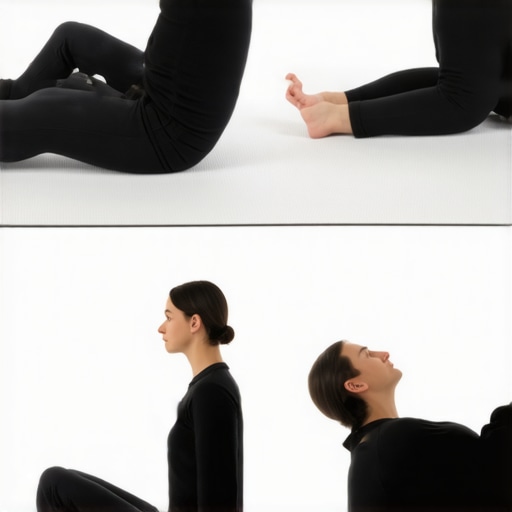
I remember the first time I tried to sit comfortably on the floor after years of relying on chairs. It was a family gathering, and I thought joining everyone on the tatami would be a simple, relaxing change. Instead, minutes in, I felt that familiar ache creeping into my lower back, stiff and unyielding. Frustration powered by a sudden realization—my back’s pain wasn’t just a random annoyance; it was a warning sign that I’d been neglecting my body’s signals for too long.
The Hidden Cost of Ignoring Your Back During Floor Sitting
This experience was a lightbulb moment for me. I learned that sitting on the floor isn’t inherently harmful—that’s a myth I used to believe—but poor positioning spreads discomfort like wildfire. If your lower back aches after a few minutes, you’re not alone. Many people, myself included, suffer silently because they think pain is inevitable or only relevant if it’s severe. But discomfort during floor sitting can develop into chronic issues, degenerative disc problems, or exacerbate existing conditions like sciatica.
What really opened my eyes was discovering that the way we sit matters just as much as whether we sit on the floor at all. Small adjustments can make a significant difference, transforming a painful experience into a nourishing one for your spine. That’s why I’m committed to sharing practical, easy-to-implement methods that allow you to enjoy floor sitting—whether for meditation, yoga, or simple relaxation—without the next-day pain.
Why This Matters Now More Than Ever
With more of us working from home or engaging in more wellness routines, floor sitting has surged back into popularity. It’s not just trendy; many are seeking healthier ways to stay comfortable while staying active or mindful. But here’s the catch—if you’re unprepared, you could be doing more harm than good. According to recent studies, poor seated posture is one of the leading contributors to chronic lower back pain, affecting up to 80% of adults at some point in their lives.
Early mistakes, like sitting too long without support or neglecting your body’s signals, can lead to long-term damage. I made this mistake early on—sitting cross-legged for hours without adjusting my posture—and paid the price with lingering soreness. That’s why I want to help you avoid similar pitfalls by showing you proven strategies to sit safely and comfortably on the floor.
Are you tired of that stubborn lower back pain that flares up after a few minutes of floor sitting? Do you wonder if there’s a better way? If so, stay tuned. We’re about to dive into four effective methods curated from personal trial, expert advice, and science—so you can sit on the floor without hurting your back again.
Is Constant Back Pain Just a Part of Aging?
Many believe that lower back pain is an unavoidable part of aging, but I’ve learned that it isn’t. In fact, I once thought that my grimace on the floor was just my age catching up—the reality is that most of this pain comes from how we position ourselves and neglect essential mobility practices. Early on, I also made the mistake of ignoring the importance of proper support, thinking any cushion would do. This simple oversight worsened my discomfort and made me skeptical about ever sitting comfortably again. If you’ve faced similar doubts, rest assured—there are effective solutions that don’t require costly treatment or invasive procedures, and I’m eager to share them with you.
Start with Proper Alignment
Before settling into any sitting position, ensure your pelvis is level and balanced. As I did during my first messy attempt—squirming around to find comfort—I learned that a slight tilt can alleviate pressure on your lumbar spine. Place a small cushion or folded towel under your sit bones if your pelvis tilts backward, causing discomfort. Think of your pelvis as the foundation of a house; a stable, level base prevents the whole structure from wobbling.
Use Support Strategically
Adding support is crucial. I once tried sitting cross-legged for a long stretch without padding, and my lower back paid the price. Incorporate cushions, meditation pillows, or even rolled-up blankets to elevate your hips and knees, reducing strain. This approach is similar to adjusting the height of a work desk—finding the sweet spot supports healthy posture. For more ergonomic tips, visit Enhance Your Back Mobility.
Modify Your Legs for Comfort and Support
Positioning your legs impacts spinal load significantly. Sitting with your knees higher than your hips, like in an Indian style, may cause tilting of the pelvis, increasing lower back stress. Instead, experiment with a seated position that maintains knees at or below hip level, which aligns your pelvis neutrally. When I adjusted my crossed-leg stance to a more supported kneeling pose, I noticed immediate reduction in back tension. Think of your legs as the legs of a table—if they’re uneven or wobbly, the whole structure is destabilized. For specific leg strategies, see Why Squatting Isn’t Saving Your Discs.
Engage Your Core to Stabilize
Strengthening and activating your core muscles provides essential support during floor sitting. I recall a session where I consciously tightened my abdominal muscles—like pulling a belt tight—to prevent my lower back from sagging. This engagement acts like a corset that shields your spine from undue stress. To develop this habit, practice gentle isometric holds while sitting, focusing on keeping your stomach slightly tight and chest open. Regular core activation trains your muscles to bear some of the load, reducing the burden on your back. Discover more core exercises at Simple Exercises to Boost Your Back Mobility.
Incorporate Micro-Movements and Breaks
Remaining static for too long increases stiffness and discomfort. During a session, I set a timer every 15 minutes to shift positions or stand briefly—like repositioning a chair to prevent squeaks. Gentle micro-movements, such as tilting your pelvis side to side or rolling your shoulders back, help distribute forces evenly. Think of your spine like a garden hose; continuous pressure can cause kinks, but gentle movements keep water flowing smoothly. This approach also encourages blood flow, aiding recovery and flexibility. For targeted mobility tips, refer to Hamstring Flexibility and Back Safety.
Practice Consistency and Mindfulness
Building good habits takes time. I found that maintaining awareness of my posture—using cues like mindfulness or reminders—made a significant difference. Schedule brief checks for your alignment and support throughout the day. Over time, these adjustments become second nature, and discomfort diminishes. Remember, your body is a dynamic system; small, sustained changes outperform sporadic efforts. For more mindfulness techniques related to movement, visit Break the Neck Pain and Stress Cycle.
Many individuals believe that stretching or moving more automatically leads to pain relief, but there’s a hidden nuance often overlooked. A common myth is that stiffness equals lack of mobility, which encourages pushing harder without understanding the underlying causes. In reality, aggressive stretching without proper assessment can exacerbate issues, especially if the root problem involves joint stability or neuromuscular control. Expert insights, such as those from Dr. Stuart McGill, emphasize that strengthening surrounding muscles and improving motor control often have a more profound impact than mere flexibility exercises. For example, attempting to ‘stretch out’ tight hamstrings might temporarily increase flexibility but could also weaken pelvic stability if done improperly, leading to worsening back or sciatic symptoms. Discovering this nuance can be life-changing—it’s about quality over quantity and targeted action rather than broad, unspecific routines. An often-overlooked trap is treating all pain with the same approach. For instance, using deep tissue massage or foam rolling without addressing the core issues might provide temporary relief but doesn’t resolve underlying dysfunctions responsible for recurring neck or back pain. A holistic approach that considers neuromuscular control, joint stability, and movement patterns is essential for long-term relief. Interestingly, recent research shows that nerve glides and specific motor control exercises outperform traditional stretching in managing sciatic pain and related conditions, as supported by clinical trials in physical therapy literature. Before jumping into complex routines, ask yourself: Am I focusing on stabilizing my joints and improving movement quality rather than just increasing flexibility? Sometimes, less is more when it comes to effective pain management. For a tailored approach, consider exploring detailed mobility mastery routines that incorporate assessments and targeted exercises—these address the real causes behind stubborn pain. Remember, avoiding the mistake of ignoring neuromuscular factors can accelerate your progress and prevent setbacks. Want to dive deeper? Check out targeted strategies tailored for sciatic relief and back health at [Mobility Mastery](https://bodyrenewtherapy.com/mobility-mastery-daily-tips-to-keep-your-spine-and-joints-healthy) or explore understanding the link between posture and pain.Maintaining your mobility and alleviating pain over time requires more than just temporary fixes; it demands reliable tools and consistent habits. From ergonomic supports to smart tech, I personally rely on a set of carefully chosen resources that have proven effective in my journey toward a pain-free life. One essential device I swear by is a high-quality posture correction brace, like the MuTu Multi-Level Posture Support. It provides gentle reminders to keep your pelvis aligned and prevents slouching, especially during long periods of desk work. I recommend incorporating it into your daily routine to reinforce proper positioning and to avoid the common mistake of going back to poor habits.
Another game-changer has been using specific mobility apps such as “MobilityWOD”. As I discovered, structured guided exercises help track progress and ensure I don’t neglect those crucial mobility drills. The app offers tailored routines for back, neck, and sciatic relief, which simplifies maintaining a consistent practice. Plus, integrating these digital tools makes it easier to embrace micro-movements and regular breaks—both vital for long-term health.
For those with persistent neck pain, I’ve found that a portable cervical traction device offers substantial relief. It gently decompresses the cervical spine, reducing nerve irritation. Like the [expert recommendation](https://bodyrenewtherapy.com/neck-pain-and-stress-how-to-break-the-cycle-for-good), I advise applying this traction for 10-15 minutes daily to see noticeable improvement.
Looking forward, I predict that wearable technology will become even more personalized, offering real-time posture feedback with minimal effort. Devices that use biofeedback sensors may soon seamlessly guide users toward optimal alignment, making it easier to sustain good habits without conscious effort.
How do I maintain mobility and prevent pain over the years? The key is consistency—steady integration of ergonomic tools, mobility exercises, and mindfulness in posture corrections. Set reminders to check your support devices, invest in quality support gear, and regularly revisit your mobility routines to adapt as your body changes. These practices not only prevent setbacks but also empower you to take control of your spinal health.
For advanced strategies, I encourage trying the Mobility Mastery routines. They incorporate assessments and targeted exercises designed uniquely for your body, ensuring long-term results. Remember, tools like these aren’t just gadgets—they’re investments in your future comfort and mobility. So, why not start today? Pick one, integrate it into your daily routine, and notice the difference over time.
Throughout my journey to healthier mobility, I discovered that mastering the art of comfortable, pain-free floor sitting is less about quick fixes and more about understanding your body’s subtle signals. One profound lesson was realizing that my body’s responses—those telltale aches and persistent stiffness—were not mere inconveniences but vital signs guiding me toward better habits. Embracing patience and keen awareness transformed my approach to back health, turning every discomfort into an opportunity for growth.
The Little Secrets That Changed My Perspective on Back Comfort
- Listening to Your Body Matters More Than You Think: I learned that paying attention to slight discomfort allows early adjustments, preventing chronic pain. Ignoring these cues only prolongs suffering and complicates recovery.
- The Power of Consistency Over Intensity: Small, daily posture tweaks and mobility routines compound over time, creating lasting change. I stopped chasing quick fixes and focused on sustainable habits, which made all the difference.
- Posture Isn’t Just About Aesthetics: Proper alignment during floor sitting supports your spine’s natural curves, reducing strain and pain. This wasn’t obvious at first, but understanding it was a game-changer.
- Support and Positioning Are Allies, Not Obstacles: Using cushions and support tools strategically can dramatically ease discomfort, making sitting on the floor both enjoyable and beneficial.
- Mindful Movement Keeps Pain at Bay: Incorporating micro-movements and regular breaks fosters circulation and flexibility. I found that staying attentive to these small gestures prevented stiffness from creeping back.
Tools That Elevate My Daily Practice
- Mobility WOD App: Guided routines and progress tracking kept me accountable and ensured I targeted key areas for back health. It’s a resource I trust deeply for its practical insights.
- MuTu Posture Support: This gentle brace reminded me to maintain proper pelvic alignment during long sitting periods, reducing strain and enhancing comfort.
- Neck and Back Nerve Glide Resources: Learning specific nerve mobilizations from trusted sources helped me manage sporadic flare-ups and avoid unnecessary setbacks.
- Educational Books and Expert Advice: I turned to authoritative materials that demystified complex concepts, empowering me to make informed decisions about my mobility routines.
Step Into Your Healing Power Today
Remember, the journey to a pain-free back on the floor is uniquely yours—built through patience, consistency, and smart strategies. Small adjustments today pave the way for a more mobile, comfortable tomorrow. Don’t wait for pain to dictate your movements; take empowered steps now to support your back’s resilience. Your body deserves this care, and the rewards are worth every effort—more freedom, less discomfort, and renewed confidence in your mobility.
Have you experienced a breakthrough in your back health by tweaking your sitting habits? Share your story below—I’d love to hear how small changes made a big difference for you.