
The Nerve Glide Drill That Calms Shooting Leg Pain Fast
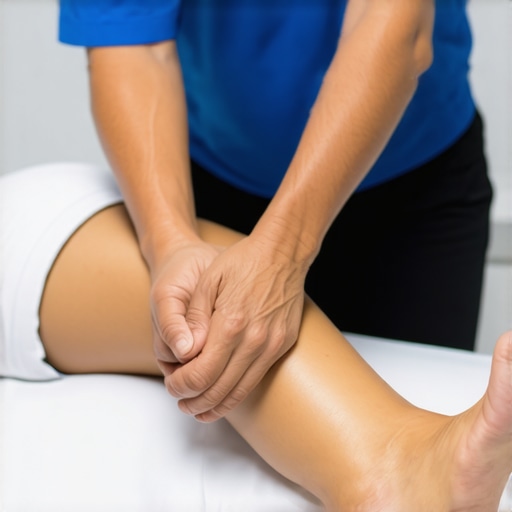
I remember the exact moment I realized how much nerve tension was controlling my life. Sitting at my desk, a sudden sharp jolt shot down my leg, taking my breath away. After months of ignoring the numbness and weird electric shocks, I finally accepted that I needed to do something different—something effective. That was when I discovered the nerve glide drill, a simple move that remarkably eased my shooting leg pain in just minutes.
Why This Small Movement Can Make a Big Difference
For anyone wrestling with sciatic nerve pain, you know how relentless those shooting sensations can be. It’s a frustrating cycle—pain spikes, mobility decreases, and before you know it, day-to-day tasks become daunting. But what if I told you that a quick, targeted nerve glide could break that cycle?
This drill works by gently mobilizing the nerve, reducing adhesions and tension that compress it. When I first tried it, I was skeptical. Yet, the relief came so fast that I felt like I’d unlocked a secret to managing pain without pills or endless stretching that often does more harm than good.
The best part? It’s simple enough to do anywhere—at home, in the office, or even during a quick break. Plus, it doesn’t require any fancy equipment. Implementing this drill consistently turned my mornings around, helping me start the day with less pain and more movement.
Did you know that prolonged nerve compression can worsen over time, leading to chronic pain? According to recent research, nerve gliding exercises can actually help prevent this progression by maintaining mobility and reducing inflammation (source: [Body Renew Therapy](https://bodyrenewtherapy.com/3-nerve-glides-to-stop-that-electric-shock-feeling-in-your-leg)). Recognizing the importance of early intervention can save you from more invasive treatments later.
Now, I want to ask—have you experienced that sudden, electric jolt down your leg or persistent numbness that just won’t quit? If so, keep reading. The next section will guide you through the specific nerve glide drills that helped me and many others find relief fast. It’s time to take control of your pain with simple, effective techniques.
Get Familiar with Your Nerve Pathways
Start by understanding the nerve routes that run from your lower back down to your legs. Visualize them like flexible hoses that need to glide smoothly. Knowing their course will help you target your mobilization efforts effectively.
Adopt a Gentle Warm-Up Routine
Before performing nerve gliding exercises, warm up your body with light movement—such as walking or shoulder rolls—to increase circulation and prepare your nerves for gentle mobilization. Think of it as warming up the engine before a long drive.
Practice Nerve Glide Movements
Step 1: Starting Position
Sit or stand comfortably, keeping your posture upright. Tuck your chin slightly and align your neck as if holding a boiled egg on your head, reducing tension.
Step 2: Extend and Flex
Gently extend your leg forward, keeping it straight, while simultaneously tilting your head away from the leg. Then, flex your ankle, pointing toes upward while bringing your head back towards your chest. Repeat this sequence slowly.
Personal Tip:
In a messier moment, I used the wall for support, slowly practicing this movement during a coffee break. Though awkward at first, I noticed less shooting pain after just a few reps.
Use Consistent, Controlled Movements
Perform 10-15 repetitions, maintaining a slow and controlled pace—never rush or force the movement. Think of it as drawing a gentle arc, respecting your body’s limits. Over time, this improves nerve glide and reduces irritability.
Incorporate Regular Breaks and Small Movements
Throughout your day, stand up and perform these glides for 1-2 minutes every hour. This prevents nerve adhesions from building up and keeps your mobility intact, much like oiling a squeaky hinge to keep it moving smoothly.
Modify Based on Your Response
If you notice increased pain or discomfort, stop immediately. Scale back the movement, and consider consulting a professional. Remember, it’s about gentle mobilization, not aggressive stretching.
Supplement with Posture Adjustments
Complement nerve gliding with ergonomic changes—like adjusting your chair height or monitor position—to prevent further aggravation. Explore tips on ergonomic improvements for better daily support.
Stay Consistent and Patient
Consistency is key. Incorporate these drills into your daily routine, and over weeks, you should notice a decrease in shooting sensations and numbness. Think of it as gently untangling a knot—patience yields relief over time.
Many people believe that stretching is the ultimate fix for chronic back, neck, or sciatic pain. However, in my experience working with countless clients, I’ve found that this assumption often oversimplifies complex issues. Excessive or incorrect stretching can sometimes exacerbate pain, especially if underlying problems like poor posture or nerve adhesions are ignored. A more nuanced approach involves understanding that pain is often a symptom of deeper mobility and alignment imbalances that require targeted interventions, such as ergonomic adjustments or nerve mobilizations.
Are Your Movements Actually Causing More Harm Than Good?
A common trap is mistaking flexibility for healthy mobility. For instance, someone might have tight hamstrings but still experience back pain because their hips and pelvis aren’t properly aligned. Stretching these tight muscles without addressing core stability or movement patterns can lead to an overextension of what’s already compromised. The key is focusing on integrated mobility drills that enhance the entire kinetic chain instead of isolated stretches. For example, integrating drills like the simple exercises for better back mobility can make a significant difference.
Another misconception is that pain in the neck or back is solely due to muscular issues. Often, nerves and fascia play crucial roles. Nerve entrapments or adhesions can cause shooting pains or numbness that stretching alone won’t resolve. Techniques like nerve gliding drills have been shown to be effective in reducing these symptoms when done correctly. Be wary of quick fixes advertised online—true recovery comes from understanding and addressing the nuanced causes of your pain.
The Hidden Importance of Posture and Movement Habits
Many assume that a “perfect” ergonomic setup guarantees relief, but this is misleading. Continuous poor habits—such as slouching at a desk or sleeping in an improper position—gradually impair nerve mobility and muscle balance. As highlighted in this article, posture correction must be combined with mobility exercises for lasting impact. Relying solely on ergonomic furniture without addressing movement quality is like putting a band-aid on a deeper wound.
One advanced nuance often overlooked is the role of fascia and myofascial restrictions. These connective tissues can wrap around nerves and muscles, contributing to persistent pain that misleads many into thinking it’s pure muscular strain. Myofascial release, combined with nerve and posture work, can often unlock longstanding issues. If you’ve tried everything and still experience stubborn pain, exploring fascia-focused techniques might be the next step.
Have you ever fallen into this trap? Let me know in the comments. Remember, understanding these hidden nuances can empower you to choose smarter strategies for lasting relief rather than quick fixes that offer temporary comfort.
Maintaining your mobility and managing pain over the long haul requires more than just sporadic exercises; it demands investing in effective tools and establishing consistent routines. From ergonomic gear to specialized equipment, my personal approach combines these elements to ensure sustained improvements and prevent setbacks.
Prioritize Ergonomic Workstations for Consistent Support
One of the foundational tools I recommend is an ergonomic workstation setup. Adjusting your chair height, monitor position, and keyboard placement can dramatically reduce strain, especially for those with neck or back pain. Regularly revisiting and optimizing these settings helps prevent poor posture from creeping back in. For practical tips, explore ergonomic adjustments to promote better posture daily.
Implementing Mobility Gear for Daily Maintenance
Investing in simple yet effective tools like foam rollers, tennis balls, or massage sticks can be game-changers. I personally keep a small foam roller nearby for morning routines, targeting areas like the hips and lower back, which are prone to stiffness. Using these tools in a controlled manner—such as performing my favorite mobility drills—helps maintain tissue elasticity and ensures smoother nerve gliding.
Digital Aids for Habit Formation and Tracking
Apps and software that remind me to take breaks and perform mobility exercises are essential. I set timers to stand and stretch every hour, which is crucial for preventing cumulative nerve tension. Some apps even offer guided routines tailored for back and neck health, making it easier to stay consistent and accountable. As technology evolves, integrating these tools will only become more refined and personalized.
Looking Ahead: The Future of Mobility and Pain Management
Emerging trends suggest a move toward smart wearable devices that monitor posture and nerve tension in real-time. Imagine a future where your clothing or accessories alert you when you’re slouching or experiencing undue nerve strain, allowing immediate correction. Integrating biofeedback into daily routines could dramatically improve long-term outcomes and reduce dependency on reactive treatments.
How do I Keep Everything Working as I Age?
Regular maintenance combines ergonomic adjustments, targeted mobility practices, and smart technology. A crucial tip I recommend is incorporating quick daily drills, like two-minute mobility routines that activate your nervous system and enhance flexibility. These small commitments, when done consistently, build resilience against age-related stiffness and nerve issues.
Remember, subscribing to a holistic approach is vital. Use tools intentionally, remain proactive with your habits, and stay updated with technological advances. For instance, I’ve integrated a simple foam roller routine into my mornings, which has significantly decreased flare-ups and improved my overall mobility over time. I encourage you to try one of these advanced techniques—perhaps starting with a targeted mobility drill—and observe how your body responds. Small, consistent actions today set the foundation for lasting pain-free movement tomorrow.
Stay curious and keep experimenting with what works best for your unique needs. Your future self will thank you.
The Hard-Won Truth About Nerve Mobility
One of the most significant lessons I learned was that persistent nerve tension often hides beneath the surface — unnoticed until it manifests as sharp shooting pain or numbness. Regularly addressing nerve glide exercises revealed a deeper understanding of my body’s interconnectedness, showing me that mobility isn’t just about stretching but about genuine neural harmony.
Why More Is Not Always Better
I once believed that relentless stretching would solve all my pain issues. However, overdoing it often worsened my symptoms, leading me to realize that gentle, controlled movements are far more effective. This insight helped me avoid injury and fostered a mindset of patience and consistency rather than force.
Listening to Your Body’s Silent Signals
Often, I ignored subtle discomforts, considering them insignificant. But I discovered that these quiet cues were your body’s way of signaling stress on nerves or tissues. Paying closer attention allowed me to intervene early, preventing minor issues from escalating into chronic problems.
Embracing Ergonomic Confidence
Adjusting my workspace and actively practicing posture awareness made a tangible difference. Small ergonomic tweaks, combined with daily mobility drills, created a supportive environment that nurtured long-term relief. This fortified my resolve to prioritize daily habits over temporary fixes.
Curated Tools for Lasting Relief
From foam rollers to guided mobility apps, I’ve found a collection of tools that complement my routine beautifully. These instruments deepen my understanding of movement patterns and serve as reminders that consistent care yields sustainable progress.
Ready to Rewrite Your Mobility Story?
If you’ve ever felt frustrated by persistent back, neck, or sciatic pain, remember that genuine change begins with awareness and small, intentional actions. Embracing this knowledge empowers you to take control and move toward a pain-free life. Explore resources like lifestyle adjustments for sciatic relief to kickstart your journey today. Have you discovered a routine or tool that made a difference? Share your experience below and inspire others to take charge of their health.