
The Desk Height Rule for Eliminating Mid-Day Shoulder Tension
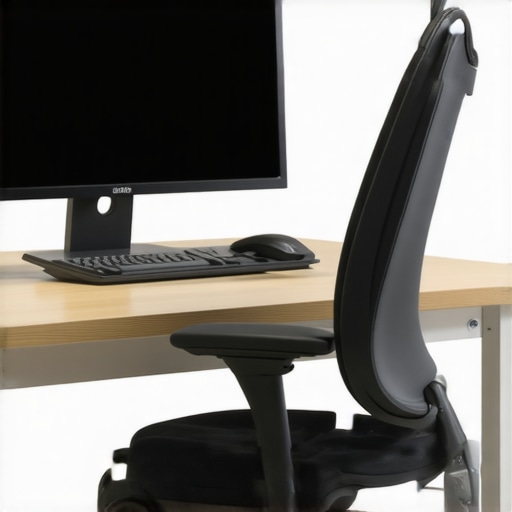
It was one of those days where I felt that dreaded tightness creeping up my shoulders again—right around midday, when I was deep into my work. I clenched my jaw, shifted uncomfortably, and wondered why my body was betraying me after just a few hours at my desk. One afternoon, during a rare moment of frustration, I had a lightbulb moment that changed everything: the way I set my desk height was secretly sabotaging my comfort and health.
The Hidden Culprit Behind Shoulder Tension and How Small Changes Make Big Differences
If you’ve ever experienced that sharp, burning soreness in your shoulders or the persistent ache that won’t quit, you’re not alone. I used to dismiss it as normal fatigue until I realized it was often linked to something surprisingly simple: my desk’s height. Early on, I made a common mistake—forgetting that ergonomics isn’t just about choosing an adjustable chair but also about aligning your workspace properly. I learned that a tiny adjustment in desk height—bringing the surface to a level where my forearms were roughly parallel to the floor—made an immediate difference.
Research supports this; according to a study shared by Body Renew Therapy, poor desk ergonomics can lead to increased muscle strain and chronic discomfort. Little did I know, my keyboard and mouse position played a significant role in my tension, but the biggest factor was the desk height itself. When I finally adjusted my workspace and paid attention to my posture, that midday shoulder pain started to fade away.
But I didn’t stop there. My journey to comfort led me to discover more tips and tricks that transform how we work and sit—simple tweaks that could help anyone currently battling similar issues. Are you tired of that persistent shoulder ache? Have you noticed your own discomfort creeping up during long work sessions? If so, stick around. In the next section, I’ll share practical, proven strategies to set up your workspace in a way that keeps your shoulders and neck happy all day long.
Adjust Your Desk Height for Better Posture
Start by setting your desk so that your forearms are parallel to the floor when typing. Use a sturdy adjustable desk or a stack of books underneath if necessary. I once used a stack of sturdy boxes to elevate my laptop, and within days, my shoulder tension decreased significantly. This simple fix aligns your spine and reduces strain on your shoulders and neck.
Position Your Monitor and Keyboard Correctly
Place your monitor at eye level, roughly an inch above your line of sight, and about an arm’s length away. Keep your keyboard close enough so your elbows stay relaxed at about 90 degrees. I experimented by raising my monitor on a stack of books until my neck no longer felt strained after long hours. Proper positioning prevents forward head posture and minimizes neck pain.
Optimize Your Chair and Sitting Habits
Choose a chair that supports your lower back’s natural curve, and sit back fully into it. Use lumbar support if needed. Avoid crossing your legs for long periods; instead, keep your feet flat on the floor. I adjusted my chair height so my feet rested comfortably, and I noticed immediate relief in lower back discomfort. Regularly shifting your position also promotes circulation and reduces stiffness.
Incorporate Movement and Micro-Breaks
Set a timer to stand or stretch every 30 minutes. Simple shoulder rolls, neck tilts, and torso twists can drastically reduce muscle tension. I began doing quick stretches between tasks, which prevented my shoulders from locking up. These brief movements keep your muscles active and blood flowing, combating the effects of prolonged sitting.
Utilize Ergonomic Accessories
If possible, invest in an ergonomic keyboard and mouse designed to reduce wrist and shoulder strain. Use a footrest if your feet are not flat on the ground. I found that a cushioned mouse pad eased wrist tension, and a footrest improved my sitting posture. Small ergonomic upgrades can make a significant difference over time.
Practice Nerve and Mobility Exercises
Engage in targeted exercises like nerve glides or hip mobility drills to alleviate sciatic and lower back discomfort. For example, the link between poor posture and back pain is well established. I incorporated daily mobility routines, such as the quick hip resets and nerve stretches, which significantly decreased sciatic symptoms and improved overall movement.
Evaluate and Come Back to Your Routine Often
Regularly assess your workspace setup and comfort level. Small adjustments, like changing your monitor angle or adding a cushion, can prevent pain from creeping back. Keep a posture journal to identify patterns and make iterative improvements. Continuous attention ensures sustained relief and prevents future injury.
Myth of Flexibility: Stretching Always Helps
Many believe that the more we stretch, the better our mobility, but this isn’t always true. Over-stretching or aggressive stretching can exacerbate issues, especially if your muscles are already inflamed or your fascia is tight. Instead, targeted mobility exercises that focus on joint health and neuromuscular control, like simple mobility drills, tend to yield better, long-lasting results. Understand that stiffness often stems from joint restriction or nerve tension, not just tight muscles—so focus on movement patterns, not just muscles.
The Trap of Solely Focusing on Muscles
A common mistake is to think that muscles are the root cause of all pain, neglecting the importance of joint integrity, fascia, and proprioception. For example, *scapular stability* isn’t just about strengthening muscles; it involves restoring proper joint alignment and nerve function. Ignoring these aspects can lead to persistent pain, even after targeted muscle strengthening. Investigate deeper links, such as how poor nerve mobility influences posture and pain, with insights from this article.
Why Most People Misjudge Sciatica’s Cause
Many assume sciatica is solely about a herniated disc or nerve compression, but the reality is more nuanced. Nerve inflammation and irritation can persist despite the absence of structural damage. Oftentimes, it’s about how movement patterns, muscle imbalances, and fascia restrictions channel stress into nerve pathways. Techniques that focus on restoring mobility and nerve gliding can drastically improve symptoms—even when imaging shows minimal abnormalities. Remember, pain isn’t always a sign of damage; it can be a warning sign of disfunction.
Advanced Hint: Why Your Daily Habits Matter More Than You Think
Repeated positions and habits often secretly sabotage your relief efforts. Sitting asymmetrically, wearing improper footwear, or even how you hold your phone can create micro-imbalances that lead to chronic pain. For instance, sitting on a wallet or consistently tilting your head forward alters spinal alignment, contributing to neck and back issues. A proper ergonomic setup combined with conscious movement breaks can prevent this accumulation of stress. Have you ever fallen into this trap? Let me know in the comments.
Understanding these nuances helps move beyond superficial fixes and addresses the root causes of discomfort. Prioritize joint health, nerve mobility, and habit awareness for lasting relief. For more advanced insights, check out this article on hamstring tightness.
Keep Your Progress Alive with the Right Tools
Maintaining improvements in mobility and pain relief requires more than just adopting a few strategies; it involves integrating reliable tools and consistent routines into your daily life. One of my go-to pieces of equipment is an ergonomic balance ball chair, which I use during longer work sessions. It forces active engagement of core muscles and encourages better posture, helping prevent the slump and tension that often creep in after hours at a desk. Unlike traditional chairs, this tool emphasizes dynamic sitting, which aligns with research highlighting the benefits of movement for spinal health.
Additionally, I swear by a high-quality foam roller. But not just any foam roller—I’ve refined my choice to a firm, textured variant that targets my fascia and muscle knots effectively. Regularly rolling with it has shown significant improvements in my nerve gliding and muscle flexibility, reducing sciatic discomfort as recommended in this article. Consistency is key; incorporating daily rolling sessions helps me maintain mobility and keep pain at bay, especially when I notice the early signs of stiffness.
Leverage Software to Track and Guide Your Routine
For long-term upkeep, I rely on a simple yet powerful app called Mobility Minder. It prompts me with daily movement routines, stretches, and nerve glides tailored to my specific issues. This accountability tool helps me stay consistent, which is crucial given how easy it is to slip back into old habits. By documenting my sessions, I can identify patterns—like increased neck tension after certain work hours—and adjust accordingly, ensuring my improvements are sustained over time.
Where Is This All Heading? The Future of Pain Management Tools
Looking ahead, I predict a growing integration of wearable tech—like smart posture sensors and nerve health monitors—that will give instant feedback and personalized recommendations. These innovations could revolutionize how we maintain health, moving from reactive treatments to proactive, real-time adjustments. Embracing these advancements now allows you to stay ahead, ensuring your mobility benefits endure.
How Do I Keep Up with Long-Term Maintenance?
The secret is embedding habits that are easy, sustainable, and effective. Regularly revisiting and fine-tuning your workspace setup, investing in targeted tools like a mobility ball or foam roller, and leveraging apps for tracking progress create a comprehensive system. Remember, the key isn’t perfection but consistency. If you’re ready, challenge yourself to incorporate one new tool or routine this week—perhaps a quick nerve glide or a posture check with your app—to reinforce your progress and keep pain from returning.
The Hardest Lesson I Learned About Mobility and Pain Management
One of the most profound realizations was recognizing that quick fixes and isolated stretches rarely addressed the root causes of pain. Genuine relief came when I focused on the interconnectedness of joint health, nerve mobility, and habitual patterns. This understanding pushed me to look beyond surface symptoms and adopt holistic strategies, including proprioception exercises and posture evaluations, which yielded more sustainable results.
How Small Changes Can Transform Your Daily Comfort
I discovered that tweaking my workspace ergonomics, even slightly, led to significant shifts in my pain levels. For instance, elevating my monitor a few inches or adjusting seat height helped realign my posture effortlessly. These minor adjustments serve as daily reminders that comfort often resides in the details most overlook. Embracing consistent micro-movements and posture corrections created lasting improvements, making pain management less of a chore and more of a lifestyle.
Embracing a Learning Mindset Just Keeps Revealing New Insights
My journey is a continuous process of exploration. Every time I thought I had ‘fixed’ my issues, a new aspect emerged—muscle imbalances, fascial restrictions, or nervous system sensitivities. This taught me patience and humility, emphasizing that understanding mobility and pain is a layered puzzle. Staying curious and open to new techniques—like nerve glides or fascia releases—ensured I kept progressing, not just temporarily but for the long haul.