
The Bruegger’s Relief Position for Instant Desk-Hunch Relief
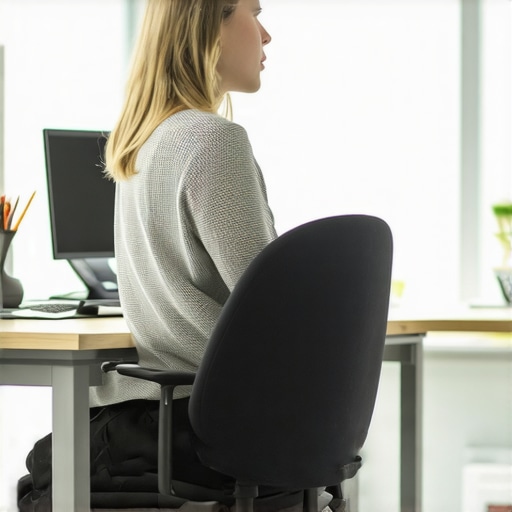
One afternoon, I leaned into my computer screen, shoulders rounding, neck stiffening, and a familiar ache creeping up my spine. It hit me like a ton of bricks — my daily desk routine was slowly turning me into a perpetually stiff, aching mess. Sound familiar? That dull, nagging back pain or the sudden neck discomfort that just won’t quit? I’ve been there, constantly battling that tense, hunched-over feeling that seems to sneak in during long workdays. And honestly, it was exhausting.
Why You Can’t Ignore Posture Problems Any Longer
After countless hours of research and trial-and-error, I stumbled upon a surprisingly simple technique — the Bruegger’s Relief Position — designed specifically for instant relief from desk-related posture woes. It’s not a magic fix, but it transformed my approach to sitting, helping me feel less stiff and more mobile in minutes. If you’ve ever spent hours at your desk only to feel that creeping discomfort, then you’re in good company. The good news? There’s a way to break free from that persistent tension and regain control over your comfort.
But is this technique actually worth trying? Many skeptics ask whether a simple repositioning can truly offer lasting relief. Here’s the thing: early on, I made a mistake by thinking I needed complex stretches or expensive ergonomic chairs. What truly made a difference was understanding how to position myself correctly, a trick I learned from other experts that you can find here. This approach focuses on aligning your spine and relieving nerve pressure almost instantly.
So, if you’re tired of feeling sluggish and sore after hours at your desk, and want a practical, proven method to feel better fast, you’re in the right place. In the next sections, I’ll guide you step-by-step through this relief position and how to integrate it into your daily routine for continued comfort. Ready to feel a real difference? Let’s dive in and reclaim your mobility — because you deserve to work without pain.
What if this relief technique is just a gimmick?
Trust me, I was skeptical too. I tried so many remedies that promised quick fixes but delivered little. That’s why I want to be upfront: like any technique, it works best when combined with good habits and proper ergonomics. Early on, I made the mistake of neglecting my overall posture, thinking one trick could fix everything. Learning to support my spine correctly, as I detail here, has been essential in maintaining the relief long-term.
Stay with me, because the next few minutes could lead to a noticeable shift in how you feel during your workday. Are you ready to try something that’s changed my life and might change yours too? Let’s get started.
.
Position Yourself Correctly from the Start
One key step I took was adjusting my chair height so my feet flat on the ground and knees at a right angle, which instantly reduced pressure on my lower back. Think of this like setting up a stable foundation for a house; if the base is off, the entire structure suffers. I also made sure my monitor was at eye level—about an inch above my line of sight—so I wouldn’t tilt my head down all day, which can cause neck strain. Remember, this initial step is vital for preventing worsened discomfort over time. For more detailed ergonomic tips, check out this guide.
Implement the Bruegger’s Relief Position
The core of my relief strategy was adopting the Bruegger’s position. To do this correctly, I sat forward slightly, placed my arms on my desk with elbows at 90 degrees, gently leaned back, and extended my neck slightly, tucking my chin to elongate the cervical spine. I remember trying this during a particularly stiff afternoon; at first, it felt awkward, like stretching a tight rubber band. But within a minute, the tension in my neck and shoulders eased significantly. This position helps decompress your cervical spine—imagine gently opening a jar lid—releasing pressure on the nerves and reducing pain. To deepen this technique, explore this detailed walkthrough.
Take Breaks with Mobility Exercises
Resting your muscles is crucial, but moving regularly is even more effective. I set a timer to remind me to stand and perform simple mobility drills every 30 minutes. One move that worked wonders was the “cat-cow” stretch, which I did standing at my desk: arch your back while inhaling, then round it as you exhale. It’s similar to a gentle wave along your spine—think of a wave cresting and receding—helping to keep your vertebrae flexible. I also incorporated hip swings to combat tight hips that can pull on your lower back. These micro-movements are like oiling a noisy machine—they keep your spine running smoothly. For a full routine, see this collection of mobility exercises.
Stretch for Long-Term Flexibility
After a few weeks of regular movement, stretching became part of my routine. I focused on targeted stretches like the hamstring and hip flexor stretches, which are often tight for desk workers. I vividly recall one morning doing a simple hamstring stretch with my leg elevated on a chair; it felt intense at first, like pulling a tight rubber band, but as I held it, relief began to set in. These stretches improve your muscle elasticity, reducing strain on the lower back and hips. Consistent stretching is like tending to a garden—you need to nurture it regularly to see results. For effective routines, check out this guide.
Maintain Awareness and Adjust as Needed
Finally, I learned to listen to my body—if a position or movement caused discomfort, I adjusted immediately. It’s like tuning a musical instrument; small tweaks make a big difference. Over time, I noticed that my posture became more natural, and pain episodes decreased. Remember, mobility and pain relief are ongoing processes; staying aware and proactive ensures lasting benefits. If you want to explore more ways to optimize your spine health, visit this resource.
Chasing Flexibility Doesn’t Solve Underlying Issues
Many believe that increasing flexibility through endless stretching is the key to eliminating neck, back, or sciatic pain. While flexibility is important, this approach can be misleading. Overemphasizing stretching without addressing posture and movement habits often leads to temporary relief at best. The real nuance is understanding that mobility isn’t just about lengthening muscles but improving the function of joints and neural pathways. For instance, focusing solely on hamstring stretching can sometimes worsen lower back problems if the underlying issue is pelvic alignment or nerve tension. To make sustainable progress, integrate mobility practices with lifestyle modifications, as outlined here.
Beware of the ‘More Is Better’ Myth
One common mistake is thinking that more frequent or intense exercise will accelerate healing. In reality, overdoing mobility drills or stretches can increase inflammation or cause microtears, especially if done incorrectly. Your nervous system needs time to adapt; pushing too hard may trigger guarding responses, making your pain worse. Optimal progress hinges on quality over quantity. A balanced routine that respects your body’s signals, combined with targeted exercises like nerve glides, can lead to lasting relief. For specific techniques, see this guide.
Advanced Insights: Why Mobility Isn’t Just a Physical Issue
At an expert level, it’s crucial to recognize the neuroplastic nature of pain. Chronic discomfort often persists because the nervous system has learned to remain in a heightened state of alert, not because the tissues are inherently damaged. Enhancing mobility involves retraining the nervous system to relax, which can be achieved through gentle movements, breathing exercises, and mindful awareness. This approach moves beyond mere physical stretches and targets the root cause of persistent pain patterns. As noted in the study here, addressing neural sensitization is essential for long-term recovery. Have you ever fallen into this trap? Let me know in the comments.Maintaining your spinal health over time requires the right tools and consistent routines. Personally, I rely on a combination of ergonomic accessories, mobile apps, and targeted exercises to keep my mobility agile and pain-free. One essential tool I swear by is a high-quality adjustable standing desk. It allows me to alternate between sitting and standing effortlessly, which is crucial for reducing stiffness and preventing sciatic flare-ups. I set reminders on my smartphone using apps like Habitica or Todoist to prompt regular movement and stretching intervals throughout my workday, ensuring I don’t fall into prolonged static positions that can exacerbate neck and back pain. Additionally, foam rollers and massage balls form part of my weekly self-care regimen, facilitating myofascial release and reducing muscle tension—these are invaluable for maintaining long-term flexibility and soreness management.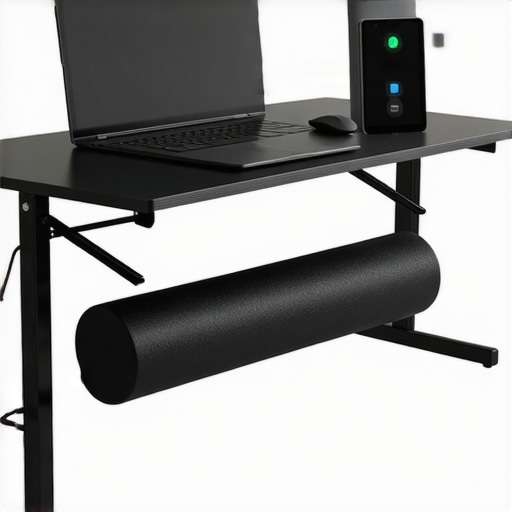
When it comes to software, I recommend the PhysiApp platform, which guides you through personalized mobility routines and tracks your progress. This kind of structured approach helps reinforce good habits and provides accountability, which is vital for sustainable results. As I dive deeper into the future of spinal care, I believe integrating wearable tech—like smart posture sensors—will become standard. These devices can offer real-time feedback, alerting you when your posture deteriorates, enabling immediate correction.
**How do I maintain mobility and prevent setbacks over time?** The key lies in consistent application of simple yet effective tools. Incorporating daily mobility drills, using ergonomic gear consciously, and leveraging technology to monitor your posture creates an ecosystem that supports spinal health. For example, regularly practicing nerve glides or pelvic tilts can keep neural and musculoskeletal systems responsive, reducing the risk of chronic issues like sciatica. For a detailed guide on implementing these habits, visit this article.
Ready to bolster your long-term health? I suggest starting with a simple yet powerful move: the 30-second nerve glide drilled — it’s a game-changer for calming down shooting leg pain and enhancing neural mobility. Incorporate it into your daily routine and experience the benefits firsthand. Remember, combining the right tools with consistent effort is what truly makes a difference.
Six Hidden Truths I Discovered About Mobility and Pain
- Patience is Unmatched: I realized that lasting relief doesn’t come from quick fixes but from consistent, mindful practice of proper posture and movement routines.
- Listening to Your Body Matters More Than You Think: Small discomfort signals can guide you to correct habits before they turn into chronic issues, an insight I took to heart after ignoring early warning signs.
- The Mind-Body Connection Is Real: Recognizing that neural and emotional stress can manifest as physical pain changed my entire perspective, leading me to incorporate breathing and mindfulness exercises into my routine.
- Quality Over Quantity: Instead of overdoing stretches or exercises, I learned that targeted, gentle movements produce better, sustainable results than aggressive routines—an approach supported by research here.
- Ergonomics Is Fundamental: Making simple adjustments—like monitor height or chair positioning—crafted a supportive environment that significantly alleviated my discomfort over time.
- Holistic Approaches Win: Combining posture correction, mobility exercises, stress management, and smart technology created a comprehensive regimen that transformed my pain management strategy.
Tools That Truly Made a Difference
- PhysiApp Platform: Personalized routines and progress tracking kept me motivated and accountable on my journey to better spinal health.
- Foam Rollers and Massage Balls: Regular self-myofascial release eased muscle tension and maintained my flexibility, preventing setbacks.
- Adjustable Standing Desk: Alternating between sitting and standing minimized static pressure on my back and neck, saving me from stiffness and soreness.
- Wearable Posture Sensors: Instant feedback helped me become more conscious of my alignment during daily activities, reinforcing healthier habits.
Embrace Your Power to Change
Your journey toward pain-free mobility is uniquely yours, filled with small victories and ongoing learning. Remember, the strategies that helped me may serve as a foundation for your own improvement, but listening to your body and practicing patience are key. Every step you take—including embracing informed tools and concepts—brings you closer to a lifestyle free from chronic discomfort. If you’re ready to begin, start today by integrating one new habit or tool into your routine and notice the positive ripple effect.
What’s one simple change you’re willing to try this week to improve your mobility or reduce neck and back pain? Share below — I’d love to hear your story!