
The Nerve Glide Exercise Every Sciatica Sufferer Should Know
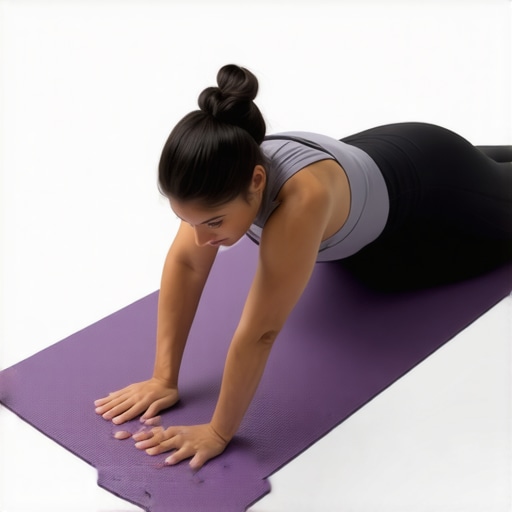
I remember the moment I realized I couldn’t walk without that searing shock shooting down my leg. It was a frustrating, almost humiliating wake-up call—one that made me feel like my body was betraying me. If you’ve ever experienced that sudden, electric jolt of sciatica pain, you know exactly what I mean. It’s as if your nerve is protesting after years of neglect and poor posture. I spent months trying different stretches, treatments, and even medications, but nothing truly stuck. That was until I stumbled upon a simple yet powerful technique: the nerve glide exercise.
The Lightbulb Moment: Why Nerve Glides Matter
What changed everything for me was discovering that nerve mobility plays a crucial role in managing sciatica. Unlike typical stretches that focus solely on muscles, nerve glides focus on the nerves themselves—allowing them to move freely within their tunnels. Early on, I made a mistake common among many: I thought stretching my hamstrings and back would fix everything. But I ignored the fact that sometimes, the nerve itself needs gentle mobilization to ease pain and restore function. Experts confirm this approach, noting that nerve glides can significantly reduce nerve entrapment and inflammation (source: Body Renew Therapy).
So today, I want to share with you how this simple exercise can make a tangible difference, especially if you’re tired of temporary fixes and want a sustainable solution. If you’ve been battling that persistent sciatic pain, keep reading—you might just find the relief you’ve been searching for.
Is It Really Worth the Hype? Common Skepticism
I remember my own hesitation when I first heard about nerve glides. Was this just another trendy technique that wouldn’t deliver? I was wary because I’d been disappointed too many times before. But the truth is, I initially tried to force my body into painful stretches that only worsened my irritation. Early on, I learned that pushing through the pain only made my sciatic symptoms more stubborn. The key is gentle, controlled movements that respect your body’s limits.
If you’re skeptical, that’s totally normal. It’s important to approach new methods with a critical eye—and to consult with a healthcare professional before starting any new exercise routine. For more insights on safe and effective back mobility exercises, visit this resource.
In the upcoming sections, I’ll walk you through the nerve glide exercise that helped me reclaim my mobility and banish those electric shocks for good. Because, trust me, relief is possible—and it starts with understanding how your nerves move.
Performing Nerve Glides Step by Step
Start by sitting comfortably on a chair with your feet flat on the floor. Extend one leg straight out, keeping your heel on the ground. Gently lift your toes upward, aiming to feel a mild stretch behind your thigh without pain. As you do this, slowly tilt your head away from the extended leg, as if trying to touch your chin to your chest. This movement gently mobilizes the sciatic nerve along its pathway. Repeat this cycle for 10 repetitions, alternating legs. During my first session, I was hesitant—fumbled the timing and even forgot to coordinate my head movement—but after the third try, I noticed a significant decrease in nerve tension, making me more confident in the technique.
Link Your Movements with Breathing
As you perform the nerve glide, synchronize each movement with slow, deep breaths. Inhale as you prepare for the glide, and exhale to deepen the stretch slightly—never force it. This practice calms your nervous system and allows the nerve to glide more freely. I found that focusing on my breath helped prevent me from overextending, which can worsen sciatic symptoms. Over time, consistent practice of this coordination has contributed to reduced nerve irritation.
Adjust the Range of Motion Carefully
Remember, the goal isn’t to stretch hard but to facilitate gentle nerve movement. If you feel sharp pain or increased numbness, ease off immediately. Start with small movements and gradually increase as your mobility improves. Early on, I pushed a little too hard on my first attempts, which temporarily worsened my symptoms. Learning to listen to my body and stop before discomfort escalated was vital. Once I mastered this control, I experienced less flare-ups and more relief.
Incorporate Consistency for Lasting Results
Perform these nerve glides daily, ideally twice a day. Integrate them into your morning routine to set a positive tone for the day and again in the evening to relax tight nerves accumulated throughout the day. I made a simple schedule—morning and evening sessions—and within a week, noticed a tangible reduction in nerve sharpness and tingling episodes. My advice: stay patient and persistent, as nerve mobility improvements take time but are well worth the effort.
Combine with Posture Awareness
Alongside nerve glides, paying attention to posture is crucial. Poor habits like slouching or crossing legs can re-compress irritated nerves. This is why I also reviewed resources on poor posture and back pain, which emphasized maintaining a neutral spine during daily activities. Simple adjustments—like adjusting your chair height or avoiding prolonged sitting—amplify the benefits of nerve mobilization and expedite healing.
Many individuals believe that all back pain and sciatica stem solely from muscle strains or slipped discs, but this oversimplification ignores the nuanced role of nerve mobility and posture in chronic discomfort. One common myth is that stretching aggressively or strengthening always alleviates pain; however, overdoing certain exercises can intensify nerve entrapment, especially if performed without proper guidance. Experts like Dr. Stuart McGill emphasize the importance of understanding facet joint mechanics and nerve pathways, which are often overlooked in mainstream approaches.
Why Do Many Myths About Back Pain Persist Despite Evidence?
This misconception persists partly because quick fixes promise instant relief, but in reality, issues like nerve tension, poor ergonomics, and habitual postures contribute subtly but significantly to chronic pain. For example, prolonged sitting in a slouched position increases pressure on the sciatic nerve, worsening symptoms over time. Incorporating ergonomic awareness—such as adjusting your chair height or practicing mobility exercises like those detailed on this page—can prevent many of these pitfalls.
Common Mistake: Ignoring the Nervous System’s Mobility Needs
Many people focus solely on muscle stretching or strengthening and neglect how nerves themselves require gentle mobilization. For instance, nerve glides or nerve flossing techniques are often underused, despite evidence supporting their effectiveness in restoring nerve function (source: Body Renew Therapy). If performed poorly, these exercises might lead to nerve irritation rather than relief. It’s crucial to perform them with proper form, control, and awareness of pain thresholds, avoiding the trap of pushing through sharp discomfort. Engage in gentle, controlled movements that facilitate nerve mobility without overstretching or compressing the nerve structures.
Proper posture habits, combined with targeted nerve mobilization, can drastically reduce episodes of sciatica or lingering back stiffness. Remember, the goal isn’t just temporary relief but cultivating resilience within your nervous system and musculoskeletal framework. Before jumping into new routines, consulting with a healthcare professional with expertise in spinal health can save you from counterproductive moves and help tailor a program suited to your needs. Interested in learning more about ergonomic adjustments? Visit this resource for actionable tips. Have you ever fallen into this trap of oversimplification? Let me know in the comments.
Keeping It Working with the Right Tools
Once you’ve experienced relief from nerve mobilization exercises, maintaining that progress is crucial. I personally rely on a combination of targeted equipment and smart routines to ensure long-term results. A foam roller, for instance, has become an indispensable part of my daily mobility exercises. Specifically, I use a softer foam roller to gently release tension in my glutes and lower back without risking overstimulation of nerves. Regular rolling helps prevent scar tissue formation and keeps my tissues pliable, reducing the chances of sciatica flare-ups. Here’s why the right foam roller matters.
Alongside physical tools, I use a simple stretching app that guides me through daily mobility routines tailored to nerve health. Apps like PocketPT or PhysioAdvisor provide visual cues and progress tracking, making it easier to stay consistent. Personally, I prefer routines that combine gentle nerve gliding, hamstring mobilization, and posture checks—these create a comprehensive package that addresses multiple causes of back pain.
Combat the Long-Term Effects with Strengthening Devices
While mobility exercises are fundamental, strengthening core muscles provides the stability that helps keep nerves free from compression over time. I found resistance band exercises to be highly effective. They are affordable, portable, and versatile. For example, using a resistance band for gentle pelvic tilts or bird-dog variations targets deep abdominal and back muscles essential for spinal support. I recommend focusing on proper form, so consider consulting online tutorials or a physical therapist to learn safe execution. Incorporating these tools into your routine can significantly diminish the risk of recurring issues.
Predicting Future Challenges: What’s Next?
Looking ahead, I believe the trend will shift towards integrated smart devices that monitor nerve activity and posture in real-time. Wearables like posture sensors or biofeedback devices could provide immediate alerts when you’re deviating from safe positions, allowing you to correct habits before pain begins. Advances in app-based neurofeedback may also become more common, helping individuals retrain their nervous systems for better resilience and quicker recovery.
How do I maintain nerves and mobility as I age?
Prioritizing consistent movement, ergonomic adjustments, and proactive exercise regimens is key. For instance, regularly reviewing your workspace setup—like ensuring your monitor is at eye level and your chair supports a neutral spine—can prevent subtle re-compression of nerves. Incorporating daily mobility drills from this resource also keeps your tissues supple and your nervous system alert. Remember, small, consistent actions build a resilient foundation that supports long-term back health.
To truly solidify your progress, I suggest implementing a simple but effective routine: dedicate five minutes daily to gentle nerve glides combined with posture reminders. This proactive approach can serve as a preventive measure, reducing the chances of flare-ups and maintaining your mobility over years. Try integrating a nerve glide drill with the added focus on deep, controlled breathing—it’s a game changer. Want personalized guidance? Reach out through this contact page.
Lessons Hidden in My Journey with Sciatica
One of the toughest realizations I had was understanding that permanent change requires more than just stretching muscles—it demands addressing the nerves themselves. I learned early that pushing through pain only deepened my discomfort, highlighting the importance of gentle, controlled movements like nerve glides. My lightbulb moment was discovering that restoring nerve mobility was the key to breaking free from the cycle of flare-ups. Over time, I realized that addressing postural habits and integrating mobility routines transformed my pain management from frustration to empowerment.
The Tools That Completely Changed My Approach
There are a few resources I trust deeply for managing back and sciatic pain. The first is the comprehensive guidance found at Understanding Posture and Back Pain, which underscores how foundational proper alignment is. I also highly recommend specific nerve glide techniques; they were pivotal in my recovery. For ergonomic tips, this practical guide is invaluable. Lastly, a quality foam roller tailored for gentle tissue release became my daily companion in maintaining mobility and preventing flare-ups.
Your Next Step Toward Lasting Relief
Embarking on a journey to manage sciatica and back pain through nerve mobility might seem daunting at first, but every small effort counts. Consistency, patience, and a willingness to learn your body’s signals will empower you to take control. Remember, healing isn’t a race—it’s a careful process of honoring your body’s needs and building resilience over time. If you’re ready to transform your understanding of back health and embrace a proactive routine, start today. Your future self will thank you for the commitment.
What has been your biggest challenge in managing sciatic pain? Share your experience below, and let’s support each other on this journey toward lasting relief.