
Why Your Core Routine Needs to Focus on Stability Over Crunches

I remember the moment vividly. I was stumbling out of bed, wincing from a dull ache that had crept up my lower back over the past few days. It wasn’t sharp pain, but enough to make me reconsider every movement—bending, twisting, even sitting. After trying various quick fixes—stretching, foam rolling, even ignoring it—something inside me clicked. I realized I’d been chasing symptoms instead of addressing the root cause.
This was my lightbulb moment: I had been doing countless core exercises, mostly crunches, thinking stronger abs meant better support. Yet, the pain persisted. That’s when I discovered that stability—especially around my core—was the missing piece. Focusing on core stability instead of just crunches dramatically changed my experience, my movement, and my pain levels.
The Key to True Back Support Starts with Stability
If your core routine feels like it’s missing the mark or you’re stuck in an endless cycle of pain and prevention, you’re not alone. Many of us fall into the trap of thinking that more crunches, sit-ups, or abdominal exercises will automatically protect our backs. The truth is, those movements often neglect the deeper muscles that truly stabilize your spine. I learned this the hard way early on and paid the price in discomfort and frustration.
Research supports this approach. Studies show that improving core stability—by activating muscles like the transverse abdominis and multifidus—provides long-lasting relief and protects against future injuries (see this article for more insights).
Now, I want to help you avoid the same pitfalls I faced. We’ll explore why stability matters more than crunches, how to target those essential muscles, and most importantly, how to incorporate safe, effective practices into your routine. But first, have you ever experienced that familiar ache after a workout or a long day, questioning whether your core exercises are even helping? Drop your experience in the comments—I’d love to hear!
Is Strengthening Your Core Actually Making Things Worse?
Once I started focusing on stability, I realized one critical mistake I’d made—doing exercises that might have been strengthening my abs superficially but neglecting the deeper muscles needed for true support. Many common routines emphasize visible muscle tone rather than functional stability. This oversight can cause your back to compensate, leading to more pain or even injury over time. For example, trying to fix back pain with crunches can sometimes increase pressure on injured discs or irritated nerves. It’s a bit counterintuitive, but strengthening the wrong muscles can worsen your condition.
Activate Deep Core Muscles First
Start with the transverse abdominis, the deep abdominal muscle that acts like a corset around your spine. ToEngage it, lie on your back with knees bent, place your fingers just inside your hip bones, and gently draw in your belly without moving your pelvis or chest. I did this during a morning routine, and within days, I noticed less lower back discomfort. This exercise forms the foundation for core stability.
Implement Gentle Nerve Glide Exercises
To address nerve irritation that often accompanies back pain, incorporating nerve glides can be transformative. For sciatica relief, try the seated nerve glide: sit upright, gently tilt your head away from the affected side, and extend your leg slightly while flexing the foot. This method helps reduce nerve tension, as I learned from a recent online clinic, and quickens recovery times. For detailed techniques, visit this resource.
Incorporate Stability-Focused Movements
Replace traditional crunches with exercises that emphasize muscle activation in all planes. The dead bug, for example, involves lying on your back and extending opposite arm and leg while keeping your back flat. Focus on slow, controlled movements, engaging your core without strain. I integrated dead bugs into my nightly routine, resulting in a noticeable reduction in back tightness. Consistency is key to building resilient support around your spine.
Optimize Posture During Daily Activities
Pay attention to how you sit, stand, and move. Use ergonomic setups, such as adjustable chairs and desks, to make sure your spine remains in proper alignment. When washing dishes, for instance, keep your back straight and avoid twisting. Implementing small but frequent posture corrections helped me reduce neck tension and back strain. For tailored tips, explore ergonomic adjustments.
Progress with Functional Stability Drills
Practicing movements like the bridging exercise strengthens glutes and stabilizers, directly supporting your lower back. Lie on your back, keep knees bent, and lift your hips towards the ceiling, squeezing your glutes. I added this to my workout, and within a week, I felt my pelvis stabilize more during daily tasks. Remember, mastery of basic drills like this lays the groundwork for more advanced stability routines.
Practice Regularly and Mindfully
Consistency transforms temporary relief into lasting change. Schedule short daily sessions focusing on these core and stability exercises, gradually increasing intensity as your strength improves. Mindfulness during movement ensures correct form, reducing injury risk. Over time, these habits reshape your movement patterns, decreasing reliance on superficial exercises that do little to support your back. For ongoing guidance, consider exploring mobility mastery tips.
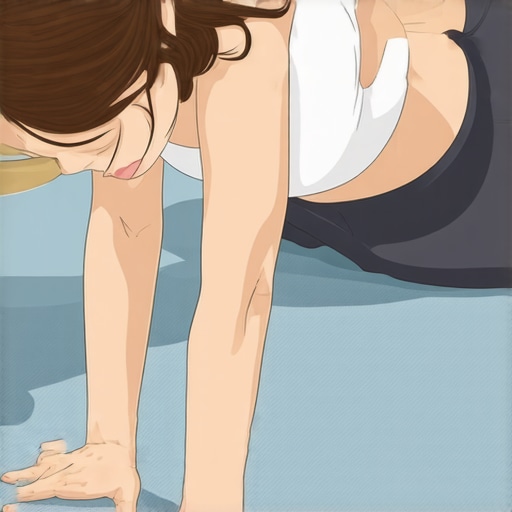
Many individuals believe that increasing flexibility or mobility is solely about stretching muscles or loosening joints. However, this conventional wisdom overlooks a critical nuance: mobility isn’t just about moving freely; it’s about controlled, functional movement that stabilizes your spine and joints during everyday activities. Focusing only on ‘stretching’ often leads to short-term gains that vanish quickly, and in some cases, can even exacerbate underlying issues. For example, trying to ‘stretch out’ tight hips without addressing core stability might temporarily improve range but compromise support, risking further back or hip pain. Simple mobility exercises that emphasize control and stability are far more effective in the long run, especially for those suffering from sciatica or neck pain.
Why does pure flexibility sometimes worsen back pain or sciatica?
It’s counterintuitive, but excessively flexible muscles—especially when they lack strength or control—can make your joints less stable. This instability often causes your nervous system to compensate, leading to pain, inflammation, or nerve irritation. A study published in the Journal of Orthopaedic & Sports Physical Therapy highlights that mobility gains without concurrent strength training can increase injury risk, particularly in the lumbar region. So, the key isn’t just stretching your hamstrings or hip flexors but integrating stability-focused movements that teach your muscles to control motion smoothly. Poor posture often compounds this problem by disrupting optimal movement patterns, fostering a cycle of pain and stiffness.
What advanced strategy can break through persistent mobility roadblocks?
Incorporating proprioceptive training—meaning exercises that enhance your body’s ability to sense joint position—can revolutionize your mobility. Such training improves neuromuscular coordination, making movements safer and more efficient. For example, single-leg stands, balance drills, or slow controlled movements like the wall slide refine your body’s awareness and control, directly addressing issues related to chronic back, neck, or sciatic pain. Remember, it’s not about pushing your joints to move further but teaching your nervous system to stabilize during motion. Achieving this level of control often involves mindful practice, deliberate slow movements, and conditions that challenge your stability progressively. If you’ve struggled with stubborn mobility issues that hamper recovery or daily function, consider consulting with a professional who can design a personalized plan. For more holistic strategies, explore mobility mastery tips.
Have you ever fallen into this trap? Let me know in the comments—your experience could help others avoid common pitfalls and achieve true, lasting mobility improvements.
 Maintaining the progress you’ve made in overcoming back pain, sciatica, or neck discomfort requires thoughtful tools and consistent habits. Personally, I rely heavily on a combination of ergonomic equipment, targeted exercises, and digital resources to ensure lasting results. An adjustable sit-stand desk, for example, allows me to switch positions throughout the day, reducing strain and promoting mobility—something I learned from studying ergonomic best practices at this article. Additionally, I highly recommend using a balance pad under your feet when standing; it encourages subtle muscle activation and improves posture, which helps prevent recurring issues. For nerve health, incorporating nerve glide techniques into your daily routine, such as the seated sciatic nerve stretch, can dramatically reduce nerve tension and pain.
On the digital side, a mobility app tailored to your needs can serve as a daily reminder and guide for your exercises, ensuring consistency without overwhelming you. These apps often feature videos and progress trackers, increasing accountability. As for maintenance, regular check-ins with a knowledgeable physical therapist or chiropractor can help identify early signs of imbalance or deterioration, allowing proactive adjustments to your routine.
Looking to future-proof your mobility and pain management? Tools like wearable sensors that monitor posture are gaining popularity, providing real-time feedback and making it easier to develop better habits. According to recent studies in biomechanics, consistent feedback loops significantly improve postural stability over time. I predict that as technology advances, integrating smart devices with personalized exercise programs will become the norm, enhancing long-term outcomes.
**How do I keep my mobility and nerve health maintained over time?** The key is combining ergonomic tools, targeted exercises, and digital tracking to create a comprehensive system. Start by adjusting your workspace with ergonomic equipment and dedicate a few minutes daily to nerve gliding exercises. Use a mobility app to stay accountable, and schedule periodic evaluations with a health professional. Implementing one or two of these tools consistently will build resilience into your movement patterns and help prevent setbacks.
If you’re ready for a practical step, try integrating the seated nerve glide exercise from this resource. It’s simple, effective, and can be done during a quick break. For more advanced strategies and tools, explore additional articles on mobility maintenance and stay proactive in your healing journey.
One of the most eye-opening realizations I had was that quick fixes and superficial exercises often mask deeper issues. For example, I used to believe that doing endless crunches would significantly support my lower back, but the pain persisted. It took a setback—a period of increased discomfort—to push me to dig deeper into the actual causes and solutions. That epiphany changed everything, leading me to prioritize stability over sheer strength.
Another lesson I learned was the importance of listening to my body’s signals. Sometimes, what feels like a simple stretch or movement might actually be aggravating underlying problems. Instead of ignoring discomfort, I started tuning into how different exercises affected my spine and nerves, choosing movements that promote control and stability. This shift helped me avoid the trap of over-exercising superficial muscles while neglecting essential stabilizers.
Lastly, I realized that consistency and mindful practice trump sporadic effort. Incorporating daily, targeted routines—like activating my deep core muscles or practicing nerve glides—made a lasting difference. The journey taught me that sustainable relief comes not just from what you do once, but from how thoughtfully you integrate movement and posture habits into your routine every day.