
Why Your Shoulder Pain Is Actually Coming From Your Upper Neck
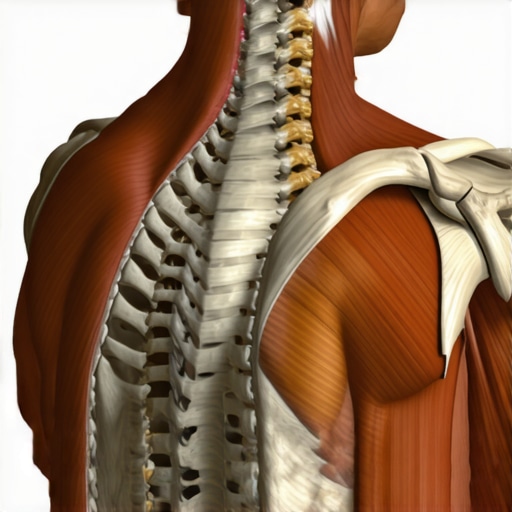
Have you ever felt that familiar dull ache or sharp twinge in your shoulder, only to find that your neck feels perfectly fine? It’s a frustrating mystery, isn’t it? I remember countless mornings where I’d wake up, shoulder throbbing, yet when I checked my neck, nothing seemed out of the ordinary. It wasn’t until I dug deeper that I discovered the surprising culprit behind that persistent pain—my upper neck.
Uncovering the Hidden Connection Between Your Neck and Shoulder Pain
It turns out, our bodies are remarkably interconnected, often in ways we don’t realize until discomfort forces us to pay attention. Shoulder pain isn’t always sent directly from the shoulder itself; more often than not, it originates from the upper neck. Imagine your nerves as a complex web—when there’s tension or misalignment in your upper cervical spine, the signals can misfire or amplify pain in your shoulders, leading you to believe the issue is localized elsewhere. I’ve learned this through personal experience and countless client sessions, where addressing the neck has provided relief in places I least expected.
So, if your shoulder aches persist despite traditional treatments, it’s worth considering the health of your upper neck. Improving mobility and alignment here can be a game-changer, helping you break free from the endless cycle of shoulder discomfort. To start, let’s explore why this connection exists and how you can leverage this knowledge for lasting relief.
Is This Neurological Link Actually Worth the Hype?
At first, I was skeptical too. I bought into the idea that neck issues could cause shoulder pain—sounds a bit far-fetched, right? But then I made a critical mistake early on: ignoring the neck entirely and focusing solely on the shoulder. That oversight prolonged my pain and delayed recovery. It wasn’t until I learned about the nerve pathways linking the upper cervical spine to the shoulder area that I finally understood the deeper root of the problem. For more insights on how to prevent such issues, check out this resource.
Now, if you’re nodding along, wondering whether your shoulder pain might really be a symptom of neck tension, you’re not alone. Recognizing this connection is the first step toward meaningful relief. From here, we’ll dive into practical strategies to reset and restore your neck’s health, ultimately easing the pain that’s been bothering you for too long.
Mobilize Your Upper Neck for Lasting Relief
Start by gently tilting your head side to side, holding each position for 10 seconds. Imagine your neck as a rubber band; gentle stretches help loosen tightness and restore flexibility. I remember practicing this after a long day of computer work—initially awkward, but gradually easier—and it significantly reduced my afternoon tension. Incorporate slow, controlled movements to avoid over-straining.
Focus on Controlled Nerve Flossing
Next, perform nerve gliding exercises to free up neural pathways. Lie on your back, gently nod your head while extending your arm overhead, then switch sides. Think of it as unknotting a tangled string; smooth movement prevents nerve irritation causing shoulder pain. When I added these movements daily, I noticed a decrease in numbness along my arm, confirming the technique’s effectiveness.
Enhance Mobility with Strategic Posture Adjustments
Evaluate your workstation setup—ensure your monitor is at eye level and your chair supports your lower back. Consider the analogy of an overloaded truck: uneven weight distribution causes strain; similarly, poor posture shifts forces unfairly onto your neck and shoulders. I adjusted my desk height and used ergonomic supports, which made an immediate difference. Regularly practicing good posture habits can prevent future pain cycles.
Implement Daily Stretching Routines
Perform targeted stretches such as the doorway chest opener and the neck retraction. Picture your shoulders as hinges—you want to keep them well-lubricated. One morning, I dedicated five minutes to these routines, feeling both invigorated and more aligned by noon. Consistency amplifies the benefits, transforming mobility from a chore into a habit.
Incorporate Movement into Your Day
Break long periods of sitting with simple motions like shoulder rolls or torso twists. Your body is like a machine; regular lubrication prevents friction. I set reminders every hour to stand, stretch, and move—this routine played a key role in reducing my chronic neck stiffness. Over time, these micro-movements accumulate into significant relief.
Tailor Your Approach for Persistent Tensions
If tension persists, consider integrating gentle yoga or tai chi to enhance overall mobility and stress relief. Think of these practices as resetting your body’s internal compass. I experimented with short sessions during stressful weeks, noticing improved range of motion and decreased pain triggers. Combining movements with mindful breathing amplifies relaxation.
Applying these concrete steps creates a foundation for sustained neck and shoulder health. Regular practice and mindful adjustments are your best tools for breaking pain cycles and regaining mobility. For more detailed techniques, explore resources like this guide.

Many people believe that back, neck, and sciatica pain stem solely from structural issues like disc bulges or nerve pinches. However, this perspective often oversimplifies a complex network of neuromuscular factors. For instance, countless individuals focus only on pain relief through superficial stretches or quick fixes, unaware that such approaches might be missing the root cause—poor movement patterns and muscular imbalances ingrained over years.
A common misconception is that pain is a sign of damage that needs complete rest or immobilization. In reality, excessive rest can lead to further stiffness and weaken supporting muscles, perpetuating the cycle. Instead, a nuanced approach emphasizes controlled mobility and strength training tailored to individual movement deficits. For example, engaging in targeted mobility routines like those discussed in mobility mastery helps restore optimal movement patterns, reducing pain in roots and branches alike.
Beware of the trap that some stretch or yoga routines—especially those focusing solely on flexibility—can sometimes exacerbate underlying instabilities if performed without proper activation and stabilization. This can be particularly damaging if you’re unknowingly compensating with faulty movement habits. An advanced mistake I see often is neglecting the importance of core stability before increasing flexibility, leading to overextension and injury risk. Studies such as those published in the Journal of Orthopaedic & Sports Physical Therapy highlight that: “Adequate stabilization is fundamental before progressing to more advanced mobility exercises.” Prioritize stability first to prevent setbacks.
Why do some mobility exercises worsen back pain?
This is an insightful question. Overly aggressive or misapplied mobility work—like deep stretches or invasive manipulations—can sometimes destabilize segments that are already compromised. For example, forcing a hyperflexion movement in the lumbar spine without proper control can trigger acute flare-ups or chronic deterioration. It’s essential to match exercises to your unique muscular and neurological picture, often requiring professional guidance. Remember, the goal of mobility training is not just more flexibility but sustainable movement quality. If you’re unsure, consulting experts can help craft a personalized, safe progression plan. To explore proven strategies beyond the basics, check out this comprehensive guide.
So, if you’ve been underestimating the importance of stability, balance, and neuromuscular control, it’s time to reframe your approach. Proper assessment and targeted interventions could be the missing link between persistent pain and lasting freedom of movement. Have you ever fallen into this trap? Let me know in the comments.
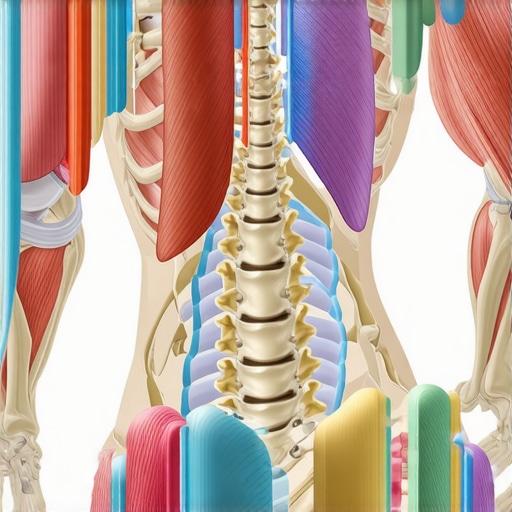 Maintaining your spinal health requires more than occasional stretches; it demands the right tools and consistent upkeep. Personally, I rely on a combination of ergonomic equipment, targeted exercises, and digital resources to ensure I stay pain-free and mobile. One essential tool I swear by is a high-quality foam roller. Unlike generic models, my preferred foam roller is dense yet supple, allowing me to release my lower back knots effectively without risking overstretching. Regular use, especially after long sitting periods, helps me maintain tissue elasticity and prevents chronic tightness.
Alongside physical tools, investing in apps like a posture correction software has been transformative. I use a program that tracks my ergonomic habits throughout the day, nudging me to adjust my workstation or stand up for micro-movements. This proactive approach saves me from falling back into poor habits that cause pain or stiffness.
For stretching, I recommend incorporating guided routines from reputable YouTube channels or websites like
Mobility Mastery. These routines are designed to enhance flexibility safely, focusing on areas like the hips, thoracic spine, and neck, which often contribute to back and neck pain when neglected.
In my practice, consistent use of these tools regularly pays dividends, preventing setbacks and promoting lasting mobility. Predicting future trends, I believe smart wearable technology—like posture sensors embedded in clothing—will become standard, providing real-time feedback to keep us mindful about our alignment.
To sustain your progress, establish a maintenance routine that integrates these tools seamlessly into your daily schedule. For example, set a reminder to perform a five-minute foam rolling and stretching session each morning or evening. Over time, this becomes a habit that fortifies your body against flare-ups.
**How do I maintain my back and neck health over time?** One key aspect is addressing ergonomic habits. Adjusting your workspace to support natural spinal curves and avoiding prolonged static positions can dramatically reduce strain. For instance, ensuring your monitor is at eye level and your chair provides lumbar support can prevent unnecessary tension.
In addition, I recommend periodic professional assessments—like consultations with a physiotherapist or chiropractor—to fine-tune your posture and movement patterns. These check-ins can catch issues early, allowing adjustments before pain escalates.
Finally, stay educated about your body. Dive into resources like ergonomic tips or expert guides to deepen your understanding. Implementing small, consistent modifications based on credible advice ensures your spine remains resilient for years to come. If you’re ready to push your mobility further, try integrating a daily foam rolling routine with some of the targeted stretches we’ve discussed—your back and neck will thank you.
Lessons That Changed My Approach to Pain Relief
- One of the hardest truths I faced was realizing that pushing through pain often worsens the problem. Embracing gentle, controlled movements rather than aggressive stretching proved vital for lasting relief in my neck and shoulders.
- Understanding that muscular imbalances and poor posture are entwined with neural tension opened my eyes to holistic healing. Addressing these root causes, instead of just symptoms, transformed my recovery process.
- Patience became my greatest ally; I learned that consistent daily habits outperform sporadic efforts. Small, mindful adjustments accumulated into significant improvements over time.
- Collaborating with knowledgeable practitioners taught me the importance of personalized strategies. No single routine fits all—listening to your body’s unique signals guides smarter, safer progress.
- Finally, I discovered that stress management and proper sleep are foundational. Without these, even the best mobility exercises can fall short, emphasizing the need for a balanced, whole-body approach.
Tools That Brighten My Path to Mobility
- Body Renew Therapy’s Guided Programs: Their comprehensive resources, like Mobility Mastery, have helped me develop a sustainable routine focusing on safe, effective exercises.
- Ergonomic Supports: Investing in high-quality chairs with lumbar support and adjustable desks has been transformative, reducing strain during long workdays.
- Foam Rollers and Self-Myofascial Tools: Regular use of targeted tools, especially my trusted dense foam roller, keeps tissues pliable and prevents chronic tightness.
- Sleep and Posture Devices: From memory foam pillows to posture correction apps, these devices serve as gentle reminders to maintain alignment throughout the day and night.
- Educational Resources: Trusted sites like this guide keep me informed about safe practices, ensuring I avoid common pitfalls.
Your Next Step Might Be the Most Powerfully Simple
Remember, sustainable change often begins with a single conscious decision to prioritize your body’s signals. Incorporating mindful movement, ergonomic tweaks, and stress management into your daily routine can unlock newfound mobility and relief. The journey toward a healthier neck and shoulders is not a sprint but a steady dance—embrace each small victory along the way. Ready to start your transformation today? Your body has been waiting for this moment. What small adjustment will you try first? Share your thoughts below!