
Why Your Sitting Habits Are Causing Your Pelvis to Tilt Forward
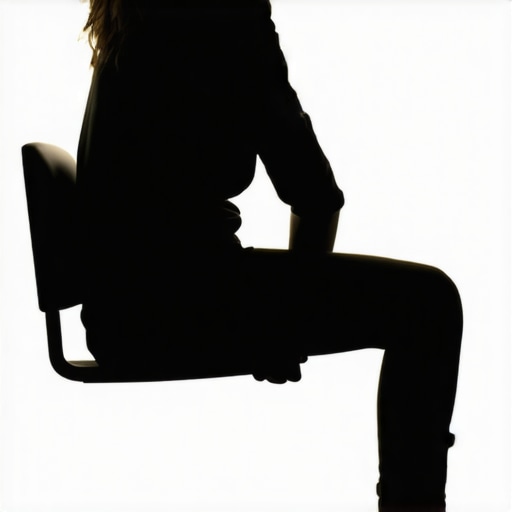
It was a morning just like any other. I settled into my usual chair, laptop open, ready to tackle the day. But within minutes, an all-too-familiar ache crept into my lower back. I shifted, adjusted my posture, yet the discomfort lingered. That lightbulb moment hit me hard—my sitting habits might be quietly sabotaging my pelvis alignment. Have you ever experienced that sudden, sharp twinge after hours at your desk, feeling like your pelvis is tilting forward? If so, you’re not alone, and there’s good reason to pay attention to this sneaky posture pitfall.
The Hidden Culprit: How Your Sitting Style Tilted Your Pelvis
I used to brush off those aches as everyday inconveniences, but realizing they were signs of a deeper issue changed everything. When I examined my habits, I uncovered a common mistake: slouching and leaning forward during prolonged sitting. This habit causes your pelvis to tilt anteriorly—that’s a fancy way of saying it tilts forward—and can lead to a chain reaction of pain, tightness, and misalignment. This is no minor matter. Chronic incorrect sitting posture can even contribute to nerve compression and muscle imbalances. For a detailed look into how poor posture impacts long-term back health, you can check out this article. Recognizing the problem is the first step toward restoring comfort and healthy movement.
The Skeptic’s Concern: Is Posture Fixing Really Worth It?
I know what you’re thinking: “Does fixing my sitting habits truly make a difference?” I was skeptical at first, too. Early on, I made the mistake of ignoring simple adjustments, thinking they wouldn’t impact my pain or posture. But those small changes are powerful, especially when addressed consistently. Realigning your pelvis and correcting seated habits can dramatically reduce discomfort and prevent long-term damage. Trust me—I’ve learned this the hard way, and now I make posture correction a daily priority. If you’re curious about practical strategies, start by exploring ergonomic tips for everyday comfort. The journey to a pain-free pelvis begins with awareness—and action.
Adjust Your Sitting Posture for Immediate Relief
Start by sitting upright with your back supported. Sit all the way back in your chair, ensuring your hips are level and your feet are flat on the ground. Avoid slouching or leaning forward. Think of your pelvis as a bowl that you want to keep balanced—if it tilts forward, you’re likely to develop discomfort.
Incorporate Regular Movement Breaks
Set a timer to remind yourself to stand up and stretch every 30 minutes. When I first implemented this, I used a simple alarm and took quick walks around my office, which surprisingly reduced my lower back ache after a week. During these breaks, do gentle hip rolls and spinal twists to loosen tight muscles and reset your pelvis alignment.
Utilize Pelvic Tilts to Strengthen Core Muscles
Perform Basic Pelvic Tilt Exercises
Lie on your back with knees bent and feet flat. Gently tilt your pelvis backward to flatten your lower back against the floor, then tilt forward to create a slight arch. Repeat this movement slowly 10 times. This exercise trains your muscles to maintain proper pelvis positioning during daily activities.
Progress to Standing Pelvic Tilts
Stand with feet shoulder-width apart. Tuck your pelvis under as if trying to stop a fart mid-stream, then gently tilt it forward. This action activates your abdominal and back muscles, promoting a neutral pelvis. When I added this to my morning routine, I noticed reduced stiffness in my hips and lower back by the second week. For more effective techniques, explore simple exercises to boost your back mobility.
Strengthen Supporting Muscles
Focus on exercises that fortify your glutes, abs, and back muscles. For example, bridges, planks, and bird-dogs are excellent. I integrated a 10-minute routine into my mornings, which transformed my posture over a month. Building strength in these areas helps hold your pelvis in alignment and reduces strain.
Optimize Your Desk and Work Environment
Adjust your workstation: the top of your computer monitor should be at eye level, and your keyboard at a height that keeps your elbows at 90 degrees. Use a lumbar support pillow if needed. Proper ergonomics prevents excessive tilt and strain, maintaining pelvic stability throughout the day. Check out ergonomic tips for everyday comfort for tailored adjustments.
Practice Nerve and Muscle Flossing
Incorporate nerve gliding exercises to release tension. For instance, gentle sciatic nerve flossing can be done by slowly extending your leg while flexing and extending your ankle. Doing these daily helped me reduce my sciatic symptoms significantly. Learn more about quick relief techniques from relief methods for sciatica.
Remember, consistent practice of these steps is key. Combining posture corrections, targeted exercises, ergonomic adjustments, and regular movement creates a holistic approach that restores pelvis balance and alleviates back pain effectively.
,Many assume that simple stretching is the ultimate fix for mobility issues or chronic pain, but the reality is far more nuanced. For instance, popular stretching routines often target the affected area directly, yet neglect underlying movement patterns or posture habits that perpetuate pain. This oversight can lead to temporary relief but not long-term correction. Research by Dr. Stuart McGill emphasizes that assessing and correcting movement strategies is critical for sustainable back health instead of relying solely on flexibility exercises.
A common myth is that pain is always indicative of tissue damage that needs immediate stretching or rest. However, pain often signals nerve sensitivity or muscle guarding rather than actual injury, especially in cases of sciatic or neck discomfort. Over-stretching or aggressive foam rolling without understanding this can exacerbate symptoms or create new issues. Instead, focusing on nerve mobility and proper load management—like nerve flossing techniques—proves more effective for persistent nerve pain relief.
Another trap many fall into involves the mistaken belief that strengthening alone solves all postural problems. While core stability is vital, overlooking how habitual movements and ergonomic factors influence joint positioning can render strength training less effective. For example, if your workstation encourages forward head posture, no amount of neck strengthening will rectify the misalignment unless ergonomic adjustments are addressed.
For more advanced insights, consider how fine-tuning movement variability and integrating mobility drills that promote joint refreshment can prevent degenerative changes. A study published in the journal “Physical Therapy” highlights that incorporating variability in movement patterns helps maintain joint health and prevents compensatory patterns that lead to pain.
Beware of the oversight in many rehabilitation approaches: ignoring specific lifestyle and daily activity nuances. For example, frequent long sitting, repetitive tasks, or improper ergonomics silently promote poor movement habits that undermine exercise gains. Small adjustments like proper sitting posture or regular micro-movements during the day can significantly improve outcomes.
Are you falling into any of these misconceptions? Recognize that effective pain management and mobility enhancement are about understanding the complex interplay of posture, movement patterns, and lifestyle habits. A holistic approach—combining ergonomic optimization, nerve mobility, strength, and mindful movement—yields the best results. For tailored strategies, my recommended resource is this guide on long-term back health. Remember, quick fixes rarely deliver lasting relief; it’s the nuanced, informed practices that truly make a difference.
Equip Yourself for Lasting Results
Achieving and maintaining optimal mobility, especially when dealing with sciatica, neck pain, or back issues, requires more than just occasional stretches. It demands the right tools and consistent techniques that fit smoothly into your lifestyle. One of my favorite investments is a high-quality foam roller. Unlike generic versions, I prefer a dense, textured foam roller, like the EPP foam roller, because it effectively releases hamstring and lower back tension without causing discomfort. Regular use of such tools helps prevent muscle knots from reappearing and enhances blood flow, crucial for long-term recovery.
My Personal Favorite: The Soft Tissue Release Device
Besides foam rollers, I swear by massage balls—specifically, a lacrosse ball. I use it to target stubborn knots in the piriformis and calves, which I discovered are often culprits in sciatica flare-ups. Applying precise pressure helps break down adhesions and improves nerve mobility, which is especially important if you suspect nerve irritation. For more effective nerve mobilization, I recommend integrating nerve flossing techniques with a small rubber ball, as outlined in this resource. These simple tools deliver powerful results when used consistently.
Embrace Technology for Accurate Self-Assessment
Digital apps can be game-changers. For instance, I utilize posture-tracking software like Upright Pose, which uses your phone’s camera to give real-time feedback on your alignment. Tracking progress visually keeps me motivated and ensures that I stay aligned throughout the day. Additionally, wearable devices such as PostureCorrector sensors remind me to avoid slouching after long periods of sitting. These devices connect to my smartphone and provide gentle vibrations when I drift into poor habits, making self-correction effortless. As research from the Body Renew Therapy points out, consistent feedback and small adjustments are hugely effective for long-term posture improvements.
Upcoming Trends in Mobility Maintenance
Looking ahead, the integration of AI-driven movement analysis and virtual coaching is poised to revolutionize how we approach posture and pain management. Imagine having an app that not only detects your movement flaws but also adapts your exercises in real-time, much like a personal trainer. This personalized approach will help automate habit correction, making maintenance easier and more effective. The key will be combining advanced diagnostics with accessible tools tailored to individual needs, much like the emerging back mobility routines I recommend for daily practice.
How Do I Keep My Mobility Routine Effective Over Time?
The secret lies in consistency and progression. Start by incorporating a dedicated mobility tool session at least three times per week, focusing on areas where you feel tightness or discomfort. Gradually increase the intensity or duration as your muscles adapt. Remember, no single tool or technique will sustain results alone. Combining manual tools with ergonomic adjustments and mindful movement creates a comprehensive buffer against regressions. Don’t forget to track your progress periodically—whether through apps or self-assessment—to identify when it’s time to escalate your routine. For advanced tips on maintaining spinal health, check out this comprehensive guide. And if you’re ready, try incorporating a lacrosse ball release into your daily routine—sometimes, a small step can significantly elevate your long-term mobility.
In my own journey to conquer persistent back pain and sciatica, I uncovered truths that transformed my approach and results. The most profound lesson was realizing that quick fixes and generic stretches only scratch the surface. Instead, sustainable relief stems from understanding the nuanced connection between proper posture, movement habits, and lifestyle choices. These lightbulb moments shifted my entire perspective—from viewing mobility as isolated exercises to seeing it as a holistic, daily practice tailored to my body’s unique needs. If you’re tired of temporary relief, embracing these deeper insights might be the game-changer you need.
What I Wish I Knew About Pelvic Balance and Long-Term Comfort
- Consistent habits outweigh quick fixes. My most enduring improvements came from daily mindful movement, not sporadic stretches.
- Ergonomic tweaks are fundamental. Simple adjustments at your workspace can prevent runaway misalignments that cause pain.
- Pain often signals a deeper story. Recognizing nerve sensitivity and muscle guarding moved me away from pushing through discomfort blindly.
- Strength is just part of the puzzle. Strengthening muscles without addressing habitual movement patterns can leave issues unresolved.
- Monitoring progress keeps you motivated. Using tools like posture feedback apps made my journey tangible and manageable.
My Favorite Tools for Lasting Mobility
- High-density foam rollers — Their effectiveness in releasing tight muscles and promoting blood flow has been indispensable, especially when I use them consistently after workouts or long sitting periods.
- TheraCane massage sticks — Targeting stubborn knots in piriformis and hip muscles helped me reduce nerve compression symptoms significantly.
- Posture-tracking apps like Upright Pose — Real-time feedback keeps me aware and aligned during daily activities, preventing habits from creeping back.
- Quality ergonomic accessories — From lumbar supports to adjustable desks, these simple tweaks make a remarkable difference in maintaining pelvis and spine health.
Keep Moving and Stay Inspired
Remember, the journey to mobility mastery isn’t a sprint but a marathon. Embrace the small, consistent adjustments, trust in your progress, and stay open to learning from your body’s signals. Each mindful movement and ergonomic tweak is a step toward a pain-free, vibrant life. If you’re ready to deepen your understanding, I recommend exploring this insightful resource that unpacks the intricate link between posture and long-term back health. Your best posture and mobility are within reach—start today.
What has been your biggest revelation in improving your pelvic alignment or mobility? Share your story below—I’d love to hear!
}#}#}#}#}#}#}#}#}#}#}#}#}#}#}#}#}#}#}#}#}#}#}#}#}#}#}#}#}#}#}#}#}#}#}#}#}#}#}#}#}#}#}#}#}#}#}#}#}#}#}#}#}#}#}#}#}#}#}#}#}#}#}#}#}#}#}#}#}#}#}#}#}#}#}#}#}#}#}#}#}#}#}#}#}#}#}#}#}#}#}#}#}#}#}#}#}#}#}#}#}#}#}#}#}#}#}#}#}#}#}#}#}#}#}#}#}#}#}#}#}#}#}#}#}#}#}#}#}#}#}#}#}#}#}#}#}#}#}#}#}#}#}#}#}#}#}#}#}#}#}#}#}#}#}#}#}#}#}#}#}#}#}#}#}#}#}#}#}#}#}#}#}#}#}#}#}#}#}#}#}#}#}#}#}#}#}#}#}#}#}#}#}#}#}#}#}#}#}#}#}#}#}#}#}#}#}#}#}#}#}#}#}#}#}#}#}#}#}#}#}#}#}#}#}#}#}#}#}#}#}#}#}#}#}#}#}#}#}#}#}#}#}#}#}#}#}#}#}#}#}#}#}#}#}#}#}#}#}#}#}#}#}#}#}#}#}#}#}#}#}#}#}#}#}#}#}#}#}#}#}#}#}#}#}#}#}#}#}#}#}#}#}#}#}#}#}#}#}#}#}#}#}#}#}#}#}#}#}#}#}#}#}#}#}#}#}#}#}#}#}#}#}#}#}#}#}#}#}#}#}#}#}#}#}#}#}#}#}#}#}#}#}#}#}#}#}#}#}#}#}#}#}#}#}#}#}#}#}#}#}#}#}#}#}#}#}#}#}#}#}#}#}#}#}#}#}#}#}#}#}#}#}#}#}#}#}#}#}#}#}#}#}#}#}#}#}#}#}#}#}#}#}#}#}#}#}#}#}#}#}#}#}#}#}#}#}#}#}#}#}#}#}#}#}#}#}#}#}#}#}#}#}#}#}#}#}#}#}#}#}#}#}#}#}#}#}#}#}#}#}#}#}#}#}#}#}#}#}#}#}#}#}#}#}#}#}#}#}#}#}#}#}#}#}#}#}#}#}#}#}#}#}#}#}#}#}#}#}#}#}#}#}#}#}#}#}#}#}#}#}#}#}#}#}#}#}#}#}#}#}#}#}#}#}#}#}#}#}#}#}#}#}#}#}#}#}#}#}#}#}#}#}#}#}#}#}#}#}#}#}#}#}#}#}#}#}#}#}#}#}#}#}#}#}#}#}#}#}#}#}#}#}#}#}#}#}#}#}#}#}#}#}#}#}#}#}#}#}#}#}#}#}#}#}#}#}#}#}#}#}#}#}#}#}#}#}#}#}#}#}#}#}#}#}#}#}#}#}#}#}#}#}#}#}#}#}#}#}#}#}#}#}#}#}#}#}#}#}#}#}#}#}#}#}#}#}#}#}#}#}#}#}#}#}#}#}#}#}#}#}#}#}#}#}#}#}#}#}#}#}#}#}#}#}#}#}#}#}#}#}#}#}#}#}#}#}#}#}#}#}#}#}#}#}#}#}#}#}#}#}#}#}#}#}#}#}#}#}#}#}#}#}#}#}#}#}#}#}#}#}#}#}#}#}#}#}#}#}#}#}#}#}#}#}#}#}#}#}#}#}#}#}#}#}#}#}#}#}#}#}#}#}#}#}#}#}#}#}#}#}#}#}#}#}#}#}#}#}#}#}#}#}#}#}#}#}#}#}#}#}#}#}#}#}#}#}#}#}#}#}#}#}#}#}#}#}#}#}#}#}#}#}#}#}#}#}#}#}#}#}#}#}#}#}#}#}#}#}#}#}#}#}#}#}#}#}#}#}#}#}#}#}#}#}#}#}#}#}#}#}#}#}#}#}#}#}#}#}#}#}#}#}#}#}#}#}#}#}#}#}#}#}#}#}#}#}#}#}#}#}#}#}#}#}#}#}#}#}#}#}#}#}#}#}#}#}#}#}#}#}#}#}#}#}#}#}#}#}#}#}#}#}#}#}#}#}#}#}#}#}#}#}#}#}#}#}#}#}#}#}#}#}#}#}#}#}#}#}#}#}#}#}#}#}#}#}#}#}#}#}#}#}#}#}#}#}#}#}#}#}#}#}#}#}#}#}#}#}#}#}#}#}#}#}#}#}#}#}#}#}#}#}#}#}#}#}#}#}#}#}#}#}#}#}#}#}#}#}#}#}#}#}#}#}#}#}#}#}#}#}#}#}#}#}#}#}#}#}#}#}#}#}#}#}#}#}#}#}#}#}#}#}#}#}#}#}#}#}#}#}#}#}#}#}#}#}#}#}#}#}#}#}#}#}#}#}#}#}#}#}#}#}#}#}#}#}#}#}#}#}#}#}#}#}#}#}#}#}#}#}#}#}#}#}#}#}#}#}#}#}#}#}#}#}#}#}#}#}#}#}#}#}#}#}#}#}#}#}#}#}#}#}#}#}#}#}#}#}#}#}#}#}#}#}#}#}#}#}#}#}#}#}#}#}#}#}#}#}#}#}#}#}#}#}#}#}#}#}#}#}#}#}#}#}#}#}#}#}#}#}#}#}#}#}#}#}#}#}#}#}#}#}#}#}#}#}#}#}#}#}#}#}#}#}#}#}#}#}#}#}#}#}#}#}#}#}#}#}#}#}#}#}#}#}#}#}#}#}#}#}#}#}#}#}#}#}#}#}#}#}#}#}#}#}#}#}#}#}#}#}#}#}#}#}#}#}#}#}#}#}#}#}#}#}#}#}#}#}#}#}#}#}#}#}#}#}#}#}#}#}#}#}#}#}#}#}#}#}#}#}#}#}#}#}#}#}#}#}#}#}#}#}#}#}#}#}#}#}#}#}#}#}#}#}#}#}#}#}#}#}#}#}#}#}#}#}#}#}#}#}#}#}#}#}#}#}#}#}#}#}#}#}#}#}#}#}#}#}#}#}#}#}#}#}#}#}#}#}#}#}#}#}#}#}#}#}#}#}#}#}#}#}#}#}#}#}#}#}#}#}#}#}#}#}#}#}#}#}#}#}#}#}#}#}#}#}#}#}#}#}#}#}#}#}#}#}#}#}#}#}#}#}#}#}#}#}#}#}#}#}#}#}#}#}#}#}#}#}#}#}#}#}#}#}#}#}#}#}#}#}#}#}#}#}#}#}#}#}#}#}#}#}#}#}#}#}#}#}#}#}#}#}#}#}#}#}#}#}#}#}#}#}#}#}#}#}#}#}#}#}#}#}#}#}#}#}#}#}#}#}#}#}#}#}#}#}#}#}#}#}#}#}#}#}#}#}#}#}#}#}#}#}#}#}#}#}#}#}#}#}#}#}#}#}#}#}#}#}#}#}#}#}#}#}#}#}#}#}#}#}#}#}#}#}#}#}#}#}#}#}#}#}#}#}#}#}#}#}#}#}#}#}#}#}#}#}#}#}#}#}#}#}#}#}#}#}#}#}#}#}#}#}#}#}#}#}#}#}#}#}#}#}#}#}#}#}#}#}#}#}#}#}#}#}#}#}#}#}#}#}#}#}#}#}#}#}#}#}#}#}#}#}#}#}#}#}#}#}#}#}#}#}#}#}#}#}#}#}#}#}#}#}#}#}#}#}#}#}#}#}#}#}#}#}#}#}#}#}#}#}#}#}#}#}#}#}#}#}#}#}#}#}#}#}#}#}#}#}#}#}#}#}#}#}#}#}#}#}#}#}#}#}#}#}#}#}#}#}#}#}#}#}#}#}#}#}#}#}#}#}#}#}#}#}#}#}#}#}#}#}#}#}#}#}#}#}#}#}#}#}#}#}#}#}#}#}#}#}#}#}#}#}#}#}#}#}#}#}#}#}#}#}#}#}#}#}#}#}#}#}#}#}#}#}#}#}#}#}#}#}#}#}#}#}#}#}#}#}#}#}#}#}#}#}#}#}#}#}#}#}#}#}#}#}#}#}#}#}#}#}#}#}#}#}#}#}#}#}#}#}#}#}#}#}#}#}#}#}#}#}#}#}#}#}#}#}#}#}#}#}#}#}#}#}#}#}#}#}#}#}#}#}#}#}#}#}#}#}#}#}#}#}#}#}#}#}#}#}#}#}#}#}#}#}#}#}#}#}#}#}#}#}#}#}#}#}#}#}#}#}#}#}#}#}#}#}#}#}#}#}#}#}#}#}#}#}#}#}#}#}#}#}#}#}#}#}#}#}#}#}#}#}#}#}#}#}#}#}#}#}#}#}#}#}#}#}#}#}#}#}#}#}#}#}#}#}#}#}#}#}#}#}#}#}#}#}#}#}#}#}#}#}#}#}#}#}#}#}#}#}#}#}#}#}#}#}#}#}#}#}#}#}#}#}#}#}#}#}#}#}#}#}#}#}#}#}#}#}#}#}#}#}#}#}#}#}#}#}#}#}#}#}#}#}#}#}#}#}#}#}#}#}#}#}#}#}#}#}#}#}#}#}#}#}#}#}#}#}#}#}#}#}#}#}#}#}#}#}#}#}#}#}#}#}#}#}#}#}#}#}#}#}#}#}#}#}#}#}#}#}#}#}#}#}#}#}#}#}#}#}#}#}#}#}#}#}#}#}#}#}#}#}#}#}#}#}#}#}#}#}#}#}#}#}#}#}#}#}#}#}#}#}#}#}#}#}#}#}#}#}#}#}#}#}#}#}#}#}#}#}#}#}#}#}#}#}#}#}#}#}#}#}#}#}#}#}#}#}#}#}#}#}#}#}#}#}#}#}#}#}#}#}#}#}#}#}#}#}#}#}#}#}#}#}#}#}#}#}#}#}#}#}#}#}#}#}#}#}#}#}#}#}#}#}#}#}#}#}#}#}#}#}#}#}#}#}#}#}#}#}#}#}#}#}#}#}#}#}#}#}#}#}#}#}#}#}#}#}#}#}#}#}#}#}#}#}#}#}#}#}#}#}#}#}#}#}#}#}#}#}#}#}#}#}#}#}#}#}#}#}#}#}#}#}#}#}#}#}#}#}#}#}#}#}#}#}#}#}#}#}#}#}#}#}#}#}#}#}#}#}#}#}#}#}#}#}#}#}#}#}#}#}#}#}#}#}#}#}#}#}#}#}#}#}#}#}#}#}#}#}#}#}#}#}#}#}#}#}#}#}#}#}#}#}#}#}#}#}#}#}#}#}#}#}#}#}#}#}#}#}#}#}#}#}#}#}#}#}#}#}#}#}#}#}#}#}#}#}#}#}#}#}#}#}#}#}#}#}#}#}#}#}#}#}#}#}#}#}#}#}#}#}#}#}#}#}#}#}#}#}#}#}#}#}#}#}#}#}#}#}#}#}#}#}#}#}#}#}#}#}#}#}#}#}#}#}#}#}#}#}#}#}#}#}#}#}#}#}#}#}#}#}#}#}#}#}#}#}#}#}#}#}#}#}#}#}#}#}#}#}#}#}#}#}#}#}#}#}#}#}#}#}#}#}#}#}#}#}#}#}#}#}#}#}#}#}#}#}#}#}#}#}#}#}#}#}#}#}#}#}#}#}#}#}#}#}#}#}#}#}#}#}#}#}#}#}#}#}#}#}#}#}#}#}#}#}#}#}#}#}#}#}#}#}#}#}#}#}#}#}#}#}#}#}#}#}#}#}#}#}#}#}#}#}#}#}#}#}#}#}#}#}#}#}#}#}#}#}#}#}#}#}#}#}#}#}#}#}#}#}#}#}#}#}#}#}#}#}#}#}#}#}#}#}#}#}#}#}#}#}#}#}#}#}#}#}#}#}#}#}#}#}#}#}#}#}#}#}#}#}#}#}#}#}#}#}#}#}#}#}#}#}#}#}#}#}#}#}#}#}#}#}#}#}#}#}#}#}#}#}#}#}#}#}#}#}#}#}#}#}#}#}#}#}#}#}#}#}#}#}#}#}#}#}#}#}#}#}#}#}#}#}#}#}#}#}#}#}#}#}#}#}#}#}#}#}#}#}#}#}#}#}#}#}#}#}#}#}#}#}#}#}#}#}#}#}#}#}#}#}#}#}#}#}#}#}#}#}#}#}#}#}#}#}#}#}#}#}#}#}#}#}#}#}#}#}#}#}#}#}#}#}#}#}#}#}#}#}#}#}#}#}#}#}#}#}#}#}#}#}#}#}#}#}#}#}#}#}#}#}#}#}#}#}#}#}#}#}#}#}#}#}#}#}#}#}#}#}#}#}#}#}#}#}#}#}#}#}#}#}#}#}#}#}#}#}#}#}#}#}#}#}#}#}#}#}#}#}#}#}#}#}#}#}#}#}#}#}#}#}#}#}#}#}#}#}#}#}#}#}#}#}#}#}#}#}#}#}#}#}#}#}#}#}#}#}#}#}#}#}#}#}#}#}#}#}#}#}#}#}#}#}#}#}#}#}#}#}#}#}#}#}#}#}#}#}#}#}#}#}#}#}#}#}#}#}#}#}#}#}#}#}#}#}#}#}#}#}#}#}#}#}#}#}#}#}#}#}#}#}#}#}#}#}#}#}#}#}#}#}#}#}#}#}#}#}#}#}#}#}#}#}#}#}#}#}#}#}#}#}#}#}#}#}#}#}#}#}#}#}#}#}#}#}#}#}#}#}#}#}#}#}#}#}#}#}#}#}#}#}#}#}#}#}#}#}#}#}#}#}#}#}#}#}#}#}#}#}#}#}#}#}#}#}#}#}#}#}#}#}#}#}#}#}#}#}#}#}#}#}#}#}#}#}#}#}#}#}#}#}#}#}#}#}#}#}#}#}#}#}#}#}#}#}#}#}#}#}#}#}#}#}#}#}#}#}#}#}#}#}#}#}#}#}#}#}#}#}#}#}#}#}#}#}#}#}#}#}#}#}#}#}#}#}#}#}#}#}#}#}#}#}#}#}#}#}#}#}#}#}#}#}#}#}#}#}#}#}#}#}#}#}#}#}#}#}#}#}#}#}#}#}#}#}#}#}#}#}#}#}#}#}#}#}#}#}#}#}#}#}#}#}#}#}#}#}#}#}#}#}#}#}#}#}#}#}#}#}#}#}#}#}#}#}#}#}#}#}#}#}#}#}#}#}#}#}#}#}#}#}#}#}#}#}#}#}#}#}#}#}#}#}#}#}#}#}#}#}#}#}#}#}#}#}#}#}#}#}#}#}#}#}#}#}#}#}#}#}#}#}#}#}#}#}#}#}#}#}#}#}#}#}#}#}#}#}#}#}#}#}#}#}#}#}#}#}#}#}#}#}#}#}#}#}#}#}#}#}#}#}#}#}#}#}#}#}#}#}#}#}#}#}#}#}#}#}#}#}#}#}#}#}#}#}#}#}#}#}#}#}#}#}#}#}#}#}#}#}#}#}#}#}#}#}#}#}#}#}#}#}#}#}#}#}#}#}#}#}#}#}#}#}#}#}#}#}#}#}#}#}#}#}#}#}#}#}#}#}#}#}#}#}#}#}#}#}#}#}#}#}#}#}#}#}#}#}#}#}#}#}#}#}#}#}#}#}#}#}#}#}#}#}#}#}#}#}#}#}#}#}#}#}#}#}#}#}#}#}#}#}#}#}#}#}#}#}#}#}#}#}#}#}#}#}#}#}#}#}#}#}#}#}#}#}#}#}#}#}#}#}#}#}#}#}#}#}#}#}#}#}#}#}#}#}#}#}#}#}#}#}#}#}#}#}#}#}#}#}#}#}#}#}#}#}#}#}#}#}#}#}#}#}#}#}#}#}#}#}#}#}#}#}#}#}#}#}#}#}#}#}#}#}#}#}#}#}#}#}#}#}#}#}#}#}#}#}#}#}#}#}#}#}#}#}#}#}#}#}#}#}#}#}#}#}#}#}#}#}#}#}#}#}#}#}#}#}#}#}#}#}#}#}#}#}#}#}#}#}#}#}#}#}#}#}#}#}#}#}#}#}#}#}#}#}#}#}#}#}#}#}#}#}#}#}#}#}#}#}#}#}#}#}#}#}#}#}#}#}#}#}#}#}#}#}#}#}#}#}#}#}#}#}#}#}#}#}#}#}#}#}#}#}#}#}#}#}#}#}#}#}#}#}#}#}#}#}#}#}#}#}#}#}#}#}#}#}#}#}#}#}#}#}#}#}#}#}#}#}#}#}#}#}#}#}#}#}#}#}#}#}#}#}#}#}#}#}#}#}#}#}#}#}#}#}#}#}#}#}#}#}#}#}#}#}#}#}#}#}#}#}#}#}#}#}#}#}#}#}#}#}#}#}#}#}#}#}#}#}#}#}#}#}#}#}#}#}#}#}#}#}#}#}#}#}#}#}#}#}#}#}#}#}#}#}#}#}#}#}#}#}#}#}#}#}#}#}#}#}#}#}#}#}#}#}#}#}#}#}#}#}#}#}#}#}#}#}#}#}#}#}#}#}#}#}#}#}#}#}#}#}#}#}#}#}#}#}#}#}#}#}#}#}#}#}#}#}#}#}#}#}#}#}#}#}#}#}#}#}#}#}#}#}#}#}#}#}#}#}#}#}#}#}#}#}#}#}#}#}#}#}#}#}#}#}#}#}#}#}#}#}#}#}#}#}#}#}#}#}#}#}#}#}#}#}#}#}#}#}#}#}#}#}#}#}#}#}#}#}#}#}#}#}#}#}#}#}#}#}#}#}#}#}#}#}#}#}#}#}#}#}#}#}#}#}#}#}#}#}#}#}#}#}#}#}#}#}#}#}#}#}#}#}#}#}#}#}#}#}#}#}#}#}#}#}#}#}#}#}#}#}#}#}#}#}#}#}#}#}#}#}#}#}#}#}#}#}#}#}#}#}#}#}#}#}#}#}#}#}#}#}#}#}#}#}#}#}#}#}#}#}#}#}#}#}#}#}#}#}#}#}#}#}#}#}#}#}#}#}#}#}#}#}#}#}#}#}#}#}#}#}#}#}#}#}#}#}#}#}#}#}#}#}#}#}#}#}#}#}#}#}#}#}#}#}#}#}#}#}#}#}#}#}#}#}#}#}#}#}#}#}#}#}#}#}#}#}#}#}#}#}#}#}#}#}#}#}#}#}#}#}#}#}#}#}#}#}#}#}#}#}#}#}#}#}#}#}#}#}#}#}#}#}#}#}#}#}#}#}#}#}#}#}#}#}#}#}#}#}#}#}#}#}#}#}#}#}#}#}#}#}#}#}#}#}#}#}#}#}#}#}#}#}#}#}#}#}#}#}#}#}#}#}#}#}#}#}#}#}#}#}#}#}#}#}#}#}#}#}#}#}#}#}#}#}#}#}#}#}#}#}#}#}#}#}#}#}#}#}#}#}#}#}#}#}#}#}#}#}#}#}#}#}#}#}#}#}#}#}#}#}#}#}#}#}#}#}#}#}#}#}#}#}#}#}#}#}#}#}#}#}#}#}#}#}#}#}#}#}#}#}#}#}#}#}#}#}#}#}#}#}#}#}#}#}#}#}#}#}#}#}#}#}#}#}#}#}#}#}#}#}#}#}#}#}#}#}#}#}#}#}#}#}#}#}#}#}#}#}#}#}#}#}#}#}#}#}#}#}#}#}#}#}#}#}#}#}#}#}#}#}#}#}#}#}#}#}#}#}#}#}#}#}#}#}#}#}#}#}#}#}#}#}#}#}#}#}#}#}#}#}#}#}#}#}#}#}#}#}#}#}#}#}#}#}#}#}#}#}#}#}#}#}#}#}#}#}#}#}#}#}#}#}#}#}#}#}#}#}#}#}#}#}#}#}#}#}#}#}#}#}#}#}#}#}#}#}#}#}#}#}#}#}#}#}#}#}#}#}#}#}#}#}#}#}#}#}#}#}#}#}#}#}#}#}#}#}#}#}#}#}#}#}#}#}#}#}#}#}#}#}#}#}#}#}#}#}#}#}#}#}#}#}#}#}#}#}#}#}#}#}#}#}#}#}#}#}#}#}#}#}#}#}#}#}#}#}#}#}#}#}#}#}#}#}#}#}#}#}#}#}#}#}#}#}#}#}#}#}#}#}#}#}#}#}#}#}#}#}#}#}#}#}#}#}#}#}#}#}#}#}#}#}#}#}#}#}#}#}#}#}#}#}#}#}#}#}#}#}#}#}#}#}#}#}#}#}#}#}#}#}#}#}#}#}#}#}#}#}#}#}#}#}#}#}#}#}#}#}#}#}#}#}#}#}#}#}#}#}#}#}#}#}#}#}#}#}#}#}#}#}#}#}#}#}#}#}#}#}#}#}#}#}#}#}#}#}#}#}#}#}#}#}#}#}#}#}#}#}#}#}#}#}#}#}#}#}#}#}#}#}#}#}#}#}#}#}#}#}#}#}#}#}#}#}#}#}#}#}#}#}#}#}#}#}#}#}#}#}#}#}#}#}#}#}#}#}#}#}#}#}#}#}#}#}#}#}#}#}#}#}#}#}#}#}#}#}#}#}#}#}#}#}#}#}#}#}#}#}#}#}#}#}#}#}#}#}#}#}#}#}#}#}#}#}#}#}#}#}#}#}#}#}#}#}#}#}#}#}#}#}#}#}#}#}#}#}#}#}#}#}#}#}#}#}#}#}#}#}#}#}#}#}#}#}#}#}#}#}#}#}#}#}#}#}#}#}#}#}#}#}#}#}#}#}#}#}#}#}#}#}#}#}#}#}#}#}#}#}#}#}#}#}#}#}#}#}#}#}#}#}#}#}#}#}#}#}#}#}#}#}#}#}#}#}#}#}#}#}#}#}#}#}#}#}#}#}#}#}#}#}#}#}#}#}#}#}#}#}#}#}#}#}#}#}#}#}#}#}#}#}#}#}#}#}#}#}#}#}#}#}#}#}#}#}#}#}#}#}#}#}#}#}#}#}#}#}#}#}#}#}#}#}#}#}#}#}#}#}#}#}#}#}#}#}#}#}#}#}#}#}#}#}#}#}#}#}#}#}#}#}#}#}#}#}#}#}#}#}#}#}#}#}#}#}#}#}#}#}#}#}#}#}#}#}#}#}#}#}#}#}#}#}#}#}#}#}#}#}#}#}#}#}#}#}#}#}#}#}#}#}#}#}#}#}#}#}#}#}#}#}#}#}#}#}#}#}#}#}#}#}#}#}#}#}#}#}#}#}#}#}#}#}#}#}#}#}#}#}#}#}#}#}#}#}#}#}#}#}#}#}#}#}#}#}#}#}#}#}#}#}#}#}#}#}#}#}#}#}#}#}#}#}#}#}#}#}#}#}#}#}#}#}#}#}#}#}#}#}#}#}#}#}#}#}#}#}#}#}#}#}#}#}#}#}#}#}#}#}#}#}#}#}#}#}#}#}#}#}#}#}#}#}#}#}#}#}#}#}#}#}#}#}#}#}#}#}#}#}#}#}#}#}#}#}#}#}#}#}#}#}#}#}#}#}#}#}#}#}#}#}#}#}#}#}#}#}#}#}#}#}#}#}#}#}#}#}#}#}#}#}#}#}#}#}#}#}#}#}#}#}#}#}#}#}#}#}#}#}#}#}#}#}#}#}#}#}#}#}#}#}#}#}#}#}#}#}#}#}#}#}#}#}#}#}#}#}#}#}#}#}#}#}#}#}#}#}#}#}#}#}#}#}#}#}#}#}#}#}#}#}#}#}#}#}#}#}#}#}#}#}#}#}#}#}#}#}#}#}#}#}#}#}#}#}#}#}#}#}#}#}#}#}#}#}#}#}#}#}#}#}#}#}#}#}#}#}#}#}#}#}#}#}#}#}#}#}#}#}#}#}#}#}#}#}#}#}#}#}#}#}#}#}#}#}#}#}#}#}#}#}#}#}#}#}#}#}#}#}#}#}#}#}#}#}#}#}#}#}#}#}#}#}#}#}#}#}#}
#{