
Why Your Rib Cage Mobility Matters for Your Lower Back
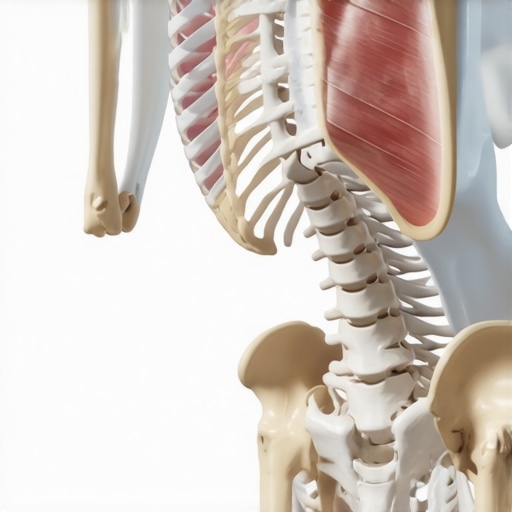
I still remember the exact moment I realized my stubborn lower back pain wasn’t just about my hips or spine alone. I was trying to stretch my hamstrings, expecting instant relief, but my back didn’t budge. Suddenly, I felt something odd—like my rib cage was tight and unyielding. That lightbulb moment shifted everything for me. It wasn’t just my back that needed attention; it was the mobility of my entire core, starting from the rib cage.
The Hidden Role of Your Rib Cage in Back Comfort
Think about it—what does your rib cage do? It’s not just a cage protecting your lungs and heart; it’s a vital component supporting your spine and pelvis. When your rib mobility is restricted, it puts extra stress on your lower back muscles and ligaments trying to compensate. Over time, this imbalance can lead to persistent pain, stiffness, and even sciatic nerve irritation.
Many of us overlook how interconnected our body parts are. I used to believe that tight hips or weak abs were the main culprits behind my back pain. But once I started paying attention to my rib mobility, my discomfort began to diminish. According to research, restricted thoracic (mid-back) mobility contributes significantly to lumbar (lower back) problems, as it forces the lumbar spine to work harder than it should (source: Mobility Mastery).
So, if you’re howling in frustration, wondering why stretches and exercises don’t give you lasting relief, perhaps it’s time to consider this overlooked area.
Have You Faced This Problem?
It’s common to focus on the lower back directly, but neglecting the rib cage can unknowingly prolong your pain. If you’ve experienced stiffness despite consistent stretching or feeling like your back is locked up, your rib mobility might be the missing puzzle piece.
Early in my journey, I made the mistake of ignoring this connection, pushing harder on traditional back stretches that seemed promising. But without addressing my rib restrictions, progress was slow and frustrating. That’s why I emphasize this often-overlooked aspect to my clients today — because sometimes, fixing your back is as simple as unlocking your upper torso.
Ready to explore practical ways to loosen up your rib cage and support your lower back? Let’s dive into simple, effective techniques that can make a real difference in your everyday comfort.
Open Up Your Rib Cage with Breath Work
Start by sitting comfortably and taking slow, deep breaths. Inhale deeply through your nose, filling your lungs completely, then exhale slowly through your mouth. Focus on expanding your rib cage instead of your belly. This simple practice helps unlock restricted thoracic mobility. I remember applying this during a chaotic morning, struggling with stiff ribs, and noticing some relief after just five minutes of focused breathing.
Mobilize with Gentle Thoracic Rotations
Lie on your side with knees bent at 90 degrees. Place one hand behind your head, keeping your elbow open. Gently rotate your upper body backward, aiming to touch the ceiling with your elbow while keeping your hips stable. Pause, then return to start. Repeat 10 times, then switch sides. This movement mimics twisting a ketchup bottle—rotating without squeezing the bottom—helping release tension in the rib area. In my experience, doing these rotations morning and evening gradually increased my range of motion, reducing back tension.
Use a Foam Roller for Targeted Release
Position a foam roller horizontally underneath your upper back. Support your head with your hands and gently roll back and forth across your thoracic spine, focusing on tight spots. Be cautious not to put excessive pressure on your lower back or neck. I found that spending a couple of minutes here after a long day loosened my stiff ribs significantly. Regular use enhances thoracic flexibility, easing stress on your lumbar region.
Incorporate Dynamic Stretching into Your Routine
Stand with feet shoulder-width apart. Extend your arms overhead and interlace your fingers. Lean to one side, feeling the stretch along your ribs and side body, then switch sides. Next, execute gentle twists by rotating your torso left and right, keeping your hips stable. These movements create space in your rib cage and improve general mobility. A colleague of mine incorporated these stretches before work, noticing a marked decrease in morning back aches over weeks.
Create a Daily Mobility Habit
Consistency is key. Dedicate 5-10 minutes daily to these exercises — whether during breaks or morning routines. Over time, this promotes sustained rib cage flexibility, reducing compensatory strain on your lower back. When I first committed to this, my initial attempts were clumsy, but perseverance paid off with noticeable improvements in posture and pain reduction. For even more tailored guidance, consider consulting experts who specialize in spine health — you can reach out here for personalized strategies.
 Many assume that neck pain and back issues stem solely from poor posture or muscle strain, but the reality is far more nuanced. A common misconception is that these pains are isolated problems to be fixed with quick stretches or painkillers. In my experience, overlooking the interconnectedness of our body’s systems can lead to ineffective treatments and long-term frustration. For example, excessive focus on strengthening the neck without addressing thoracic mobility often results in persistent discomfort, because the upper spine isn’t functioning optimally. According to a study in the Journal of Orthopaedic & Sports Physical Therapy, restricted thoracic spine mobility significantly correlates with cervical pain; ignoring this can be a costly oversight. Since I used to treat neck and back pain as separate issues, I was surprised to discover how enhancing mobility in the entire kinetic chain – including the hips, shoulders, and especially the thoracic region – dramatically improved my patients’ outcomes. This holistic approach corrects the root causes rather than just alleviating symptoms, which tend to recur when underlying dysfunction persists. One sneaky trap to avoid is the false belief that pain signals always indicate injury or tissue damage. Often, pain is a symptom of nervous system sensitization or dysfunctional movement patterns, not necessarily an emergency requiring rest or immobilization. For example, patients with sciatica might have nerve irritation that worsens with prolonged sitting, but the real culprit is often poor movement strategies upstream, like faulty hip mechanics or lumbar stiffness. Addressing these nuances—such as improving joint mobility, neural gliding, and movement control—can resolve the issue more sustainably. Advanced practitioners often ask: How do I differentiate between pain that signals damage versus CNS sensitization? One tip is to observe how pain responds to movement or load; pain that diminishes with targeted mobility exercises, like those found in our mobility mastery routines, usually indicates a neural or joint mobility issue, not structural injury. For more insights into long-term solutions beyond temporary fixes, check out our article on unlocking sciatica relief with expert strategies. Remember, the key is to move smarter, not just harder. If you want to deepen your understanding or get personalized guidance, don’t hesitate to reach out via our contact page. Have you ever fallen into this trap? Let me know in the comments.Maintaining the gains you’ve made in improving mobility and managing pain requires the right tools and consistent routines. One device I personally recommend is the **foam roller**, specifically a medium-density one, which I use daily to release tension in my thoracic spine and shoulders. This isn’t just about self-massage; regular foam rolling has been shown to improve tissue flexibility and reduce neural tension when done correctly (see our article on mobility). I choose a roller with a textured surface because it helps target trigger points more effectively, especially around tight spots in the upper back and hips. To keep mobility sustained over years, integrating a mobility ball or resistance band also proves invaluable for active stretching and strengthening routines. For example, I often use resistance bands to perform thoracic rotation exercises; they enhance control and longevity of joint mobility. Looking ahead, wearable tech like real-time posture monitors is gaining traction, promising real-time feedback to correct poor habits before they cause pain — a trend I believe will make personal mobility management more precise and accessible. For maintaining your progress, a simple daily habit like the **2-minute morning thoracic stretch**, combined with tools like foam rollers and resistance bands, can keep your spine resilient and pain-free. Want to give your mobility routine a boost? Try incorporating a targeted foam rolling session before your usual stretches. You might soon notice less stiffness, better posture, and a greater sense of freedom in your movement. Curious about making this part of your daily routine? Reach out to us via our contact page for personalized guidance.Throughout my journey helping others overcome neck pain, mobility issues, and sciatic discomfort, one profound insight transformed how I approach treatment: the crucial role of rib cage mobility. This revelation taught me that addressing only the lower back or hips is like fixing a house’s foundation without checking the supporting beams—inefficient and often ineffective. Recognizing that rib mobility influences the entire spinal chain has allowed my clients and me to achieve lasting relief. It’s easy to overlook this area, but incorporating thoracic and rib cage exercises can unlock a new level of comfort, preventing pain from re-emerging and empowering you to move freely. Remember, the key isn’t just stretching in isolation but understanding the interconnected system within your body. Integrate simple breath work, gentle rotations, and targeted foam rolling into your daily routine, and watch your back and neck pains diminish naturally. For a deep dive into comprehensive strategies, explore our core guide on mobility mastery, ensuring your spine stays resilient and pain-free for years to come.