
How Your Heavy Shoulder Bag Causes Recurring Neck Knots
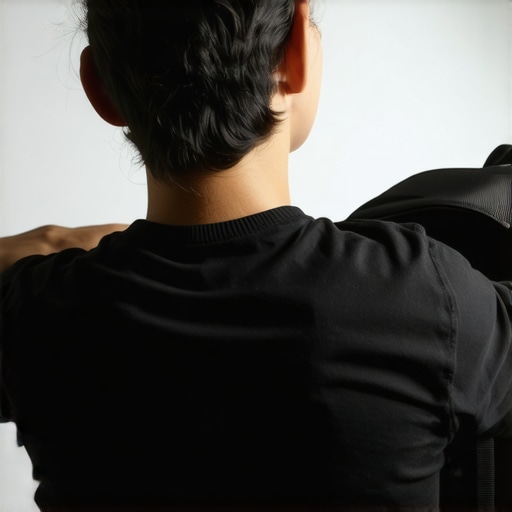
Ever had that sinking feeling when your neck starts aching after a long day of carrying your heavy shoulder bag? It’s like a stubborn knot you just can’t undo, no matter how many stretches you try. I remember the first time I ignored the weight pulling on one side of my body, thinking it was just temporary discomfort. But soon enough, those sharp, persistent neck pains became a regular part of my life. That lightbulb moment hit me hard—I realized my everyday habit of lugging around a heavy bag was quietly sabotaging my posture and fueling those recurring knots.
The Hidden Link Between Your Bag and Neck Pain
Is Your Bag Actually Wrecking Your Health?
When I first learned that carrying a heavy shoulder bag could lead to chronic neck pain, I was skeptical. Could something as simple as a purse or backpack really cause such a persistent issue? The truth is—it can. Over time, uneven weight distribution taxes the muscles and joints in your neck and shoulders, leading to tension and, ultimately, those dreaded knots. Early on, I made the mistake of blaming stress or poor posture without considering my bag’s role. Once I realized that my habitual carrying pattern was part of the problem, I started to rethink my entire approach to weight and support. If you’re curious whether your daily routine is silently hurting you, check out [this article](https://bodyrenewtherapy.com/neck-pain-solutions-innovative-strategies-for-fast-recovery) for more insights.
Correct Your Bag-Carrying Technique
Start by assessing how you carry your bag. Switch from one-shoulder to both-handle carrying or opt for a backpack that distributes weight evenly. As I once tried, transferring my shoulder bag to a backpack improved my posture noticeably within days, reducing strain and tension buildup. Make sure the straps are snug but comfortable, preventing unnecessary lateral pull on your spine.
Use Heavier Items Strategically
Place heavier items close to your back, aligning the weight with your center of gravity. This minimizes sideways pull and maintains your lumbar curve, a move I adopted after realizing my books were in the outer pocket, causing me to lean to one side. Proper weight placement prevents muscles from overcompensating and developing knots.
Enhance Your Posture Throughout the Day
Equip your workspace with ergonomic tools—adjust your chair height, monitor level, and keyboard position. I learned this the hard way by hunching over my laptop, which aggravated my neck. Moving my screen to eye level and supporting my lower back with a cushion kept my head aligned with my shoulders, cutting down on tension and discomfort.
Implement Regular Movement Breaks
Stand, stretch, or walk every 30 minutes to interrupt static postures. I set an alarm on my phone, and during one session, I performed simple neck rolls and shoulder circles—movements that relieved stiffness and prevented knots from forming after prolonged sitting. These quick exercises promote blood flow and maintain joint mobility.
Adopt Specific Stretches and Strengthening Exercises
Incorporate targeted routines into your daily schedule. For instance, performing the 2-minute glute bridge helped me build core stability and support my lower back, as detailed in this guide. Strengthening core muscles minimizes strain on your neck and back during daily activities, reducing the risk of knots and pain.
Stretch Smartly and Safely
Stretch only when muscles are warm and avoid overstretching, especially if you’re experiencing acute pain. I learned that gentle, controlled neck and shoulder stretches, like chin tucks and shoulder rolls, eased tension without aggravating my condition. Maintaining flexibility helps prevent the tightness that traps nerves and causes persistent knots.
Optimize Sleep Position and Bed Setup
Sleep on a supportive mattress and pillows that keep your neck aligned. I replaced my soft mattress with a firmer one, which significantly improved my morning neck stiffness. Placing a cervical roll or a specially designed pillow under my neck during sleep maintained proper curvature, preventing knots caused by poor alignment.
Manage Stress for Better Outcomes
Chronic stress tightens muscles and exacerbates pain. Incorporating relaxation techniques like deep breathing or meditation reduced muscle tension and the frequency of knots forming. I set aside five minutes daily for breathing exercises, which improved my overall mobility and lowered my pain levels.
Be Mindful During Daily Activities
Pay attention to movements that trigger pain, such as reaching overhead or twisting awkwardly. Adjust your technique—bend your knees when lifting or turning your whole body instead of twisting at the waist. I avoided sustained phone use by keeping the device at eye level, preventing forward head posture that fosters neck tension. For more tips on managing back issues, visit this resource.Many assume that rest is the best cure for sciatic pain and back issues, but evidence suggests otherwise. Over-relying on inactivity can weaken supporting muscles, worsening symptoms and delaying recovery. Instead, gradual movement and targeted exercises promote healing and restore mobility. This counters the common myth that pain equals rest—research from Harvard Medical School highlights that active recovery can lead to faster improvements (https://bodyrenewtherapy.com/conquering-sciatica-proven-approaches-to-end-discomfort-now). Moreover, many believe that numbness or tingling always signals a severe nerve issue requiring surgery. However, in many cases, conservative treatments like nerve flossing and postural corrections are effective first-line strategies. Ignoring early warning signs or relying solely on painkillers can cause symptom progression. As I’ve learned from patient experiences, misjudging the significance of subtle symptoms often leads to chronic issues. Advanced mistakes also include neglecting mobility in the hips and pelvis—the root of many back and sciatic pain patterns. Addressing these areas with proper stretches and ergonomic adjustments can make a profound difference, as discussed in our mobility mastery guide (https://bodyrenewtherapy.com/mobility-mastery-daily-tips-to-keep-your-spine-and-joints-healthy). Remember, pain is a signal, not just a nuisance; understanding its nuanced messages helps prevent long-term damage. Don’t fall into the trap of oversimplification—seek tailored approaches after thorough assessment. Curious about recognizing serious symptoms? Check my article on warning signs for back pain emergencies. Have you ever fallen into this trap? Let me know in the comments.
Maintaining progress with back, neck, and sciatic pain relief requires not only dedication but also the right set of tools and methods. Over the years, I’ve tested a variety of equipment and software that help me monitor, support, and enhance my mobility and posture. Investing in these resources has made a tangible difference in my journey toward sustained relief.
Posture Correction Devices
One indispensable tool I rely on is a high-quality posture brace like the Upright GO 2. It provides real-time feedback to remind me to sit or stand upright, directly preventing the slouching that often triggers neck and back pain. The device syncs with an app that tracks my posture patterns over time, allowing me to identify habits that contribute to pain flare-ups. This proactive approach aligns with current research indicating that wearable posture monitors can significantly reduce long-term musculoskeletal issues.
Foam Rollers and Trigger Point Tools
For my daily myofascial release, I prefer a textured foam roller, such as the BioSkin Roll. Its firm surface helps release tight muscles in my hips, back, and shoulders, which are common culprits in sciatic nerve irritations. I schedule 10-minute sessions each morning and evening, curbing knots that could compromise nerve pathways. According to recent studies, regular use of foam rollers enhances tissue mobility and reduces chronic pain symptoms.
Apps for Movement and Mobility
Enhancing daily movement routines is vital. I use the Mobility Workout app, which offers guided routines designed by physical therapists. These routines focus on total spine health and joint flexibility, targeting areas that prevent stiffness and deterioration. Incorporating these exercises ensures that I maintain functional mobility, addressing the root causes rather than just symptoms. The trend in mobility apps suggests that digital support will become even more personalized, offering tailored programs based on wearable sensor data.
Professional-Grade Inversion Tables
While I understand inversion tables are often debated, I personally use the Teeter Inversion Table to decompress my lumbar spine safely at home. Research from the National Center for Biotechnology Information indicates that inversion therapy can provide sustained relief for certain types of back pain when used correctly. Before trying inversion, I consult with a healthcare provider to ensure safety, especially considering individual needs.
Long-Term Strategies and Prediction
As technology advances, I anticipate increased integration of biofeedback sensors and AI-driven coaching, making self-care more precise and effective. The key is consistency—regular use of these tools coupled with professional advice ensures that pain does not become an inevitable part of life. Looking ahead, I plan to incorporate virtual reality-guided mobility sessions, which some emerging firms are experimenting with, providing immersive environments that motivate sustained exercise routines.
How do I maintain progress with these tools over time?
The secret lies in establishing a routine that combines these resources with mindful movement, ergonomic adjustments, and periodic check-ins with a healthcare professional. Regularly updating your tools and techniques based on your evolving needs maximizes their benefits. For example, I revisit my postural habits by reviewing app data every six weeks, making adjustments as needed. If you’re interested in a proven step, I recommend trying a dedicated mobility app like the one I use to stay accountable and informed. Also, tracking your progress can reveal small improvements that motivate continued effort, ultimately helping you stay on the path of sustained relief and mobility.
Remember, the journey isn’t just about quick fixes—it’s about building a resilient system that supports your body over the long haul. For more advanced tips on managing back pain, check out this guide.
What I Wish I Knew About My Body’s Hidden Signals
One of the most profound lessons I learned was that pain isn’t just a random nuisance—it’s your body’s way of telling you something’s off. Ignoring subtle signs like lingering stiffness or slight numbness only worsens the problem. Once I started paying closer attention and respecting these signals, my recovery accelerated, and I avoided surgeries I once thought inevitable.
I’ve realized that quick fixes often mask symptoms instead of addressing root causes. For example, temporarily relieving neck tension with over-the-counter remedies won’t solve the underlying posture habits or muscle imbalances that caused it. True relief came when I committed to a holistic approach, including targeted exercises and ergonomic adjustments.
Lastly, I discovered that consistent small steps—daily stretches, mindful movement, and strategic support tools—compound over time. Patience and persistence are essential because body healing is a marathon, not a sprint. This shift in perspective transformed my journey from frustration to empowerment.
Tools That Transformed My Journey to Comfort
My go-to resources include the Neck Pain Solutions guide, which offers proven techniques for quick recovery. The Mobility Mastery app has become my daily companion, providing personalized routines that prevent stiffness and enhance flexibility. I trust the Sciatica Relief resources because they’re backed by science and real-world success stories.
For ergonomic support, I swear by the posture correction devices that give me real-time feedback and help me maintain awareness. Incorporating foam rollers and trigger point tools into my routine eliminated knots that used to linger painfully, restoring my body’s harmony.
Together, these tools have empowered me to take control of my health, turning reactive pain management into proactive prevention. They’re accessible, effective, and absolutely worth exploring if you’re serious about lasting relief.
Your Next Step Toward a Neck and Back-Free Life
Imagine waking up without that dreaded neck stiffness or back ache—your body functioning as it should, free from knots and tension. The journey to such vitality starts with one conscious choice—commit to small daily actions, leverage trusted resources, and stay mindful of your body’s signals. Remember, lasting relief isn’t about quick fixes but building resilience and understanding your unique body story. If you’re ready to take that step, embrace the process and celebrate each improvement along the way. How will you start your personalized path to better mobility today? Share your thoughts below and join the community committed to pain-free living.