
The Hidden Reason Your Sciatica Flares Up While Sitting
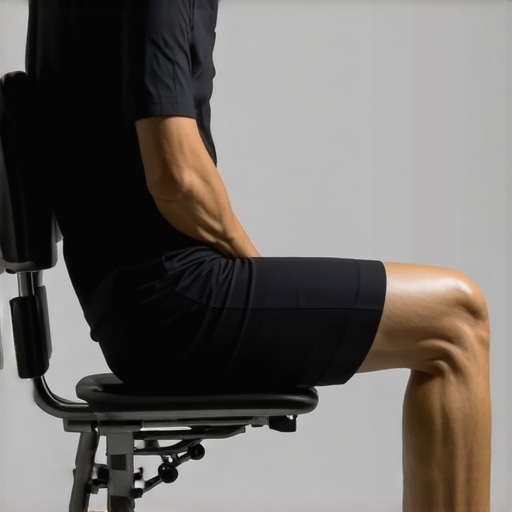
Have you ever been comfortably seated, perhaps at your desk or in your favorite chair, only to feel that sudden, stabbing pain shoot down your leg? It’s like your body’s way of reminding you that sitting isn’t always the friend we think it is. I’d been there myself—believing that stretching or some quick fix would do the trick, only to be knocked back by that relentless sciatic pain just when I thought I’d finally found relief.
Why Sitting Triggers Sciatica—Even When You Think You’re Careful
For years, I struggled with those unpredictable flare-ups, and it wasn’t until I started paying closer attention that I uncovered a hidden reason behind my pain. It wasn’t just about the seat or my posture; it was a deeper issue rooted in how I was sitting and, more importantly, how I wasn’t aware of the subtle ways my body was compensating.
Research shows that poor seated posture can increase pressure on the sciatic nerve, leading to inflammation and flare-ups. And here’s the kicker: even small habits, like crossing your legs or slouching, can gradually tighten muscles and compress nerves in ways we don’t notice until pain strikes. I made the mistake early on of ignoring these signals, thinking it was just temporary stiffness. That was a mistake I paid for with painful nights and frustrating days. If you’ve ever experienced similar frustrations, you’re not alone—and there are real, practical solutions.
Could the way you’re sitting be silently sabotaging your back?
In this journey, I found that understanding the connection between posture and back health was a game-changer. For instance, learning to recognize the signs of poor alignment can help you prevent those flare-ups before they start. Curious to see how small adjustments can make a big difference? I’ll guide you through proven strategies that have worked wonders for me—and can do the same for you.
Before we dive into the practical steps, consider this: are you currently ignoring some of the subtle signs your body gives when seated? Recognizing these early warnings can save you from pain and help restore your mobility quickly.
Next, we’ll explore the fascinating link between posture and nerve health, and how simple changes at your workstation can lead to lasting relief. Ready to take control of your sitting habits? Let’s get started!
.
Position Yourself for Relief
Start by evaluating your sitting posture. Sit back fully into your chair so that your lower back is supported. Use a lumbar roll or a small pillow to maintain the natural curve of your spine. Adjust your chair height so your feet are flat on the ground, and your knees are at a 90-degree angle. This alignment reduces pressure on your sciatic nerve and prevents muscle tightening that can cause pain. Remember, during my early attempts, I often neglected sitting height, which made my pain worse. It was messy, but once I corrected my seating position, I noticed immediate relief.
Incorporate Micro-Movements
Set a Timer for Regular Breaks
Every 30 minutes, stand up and move around. Simple ankle circles, gentle leg lifts, or hip circles can loosen stiff muscles. These micro-movements act like tiny oil changes for your joints, preventing stiffness that can aggravate sciatic nerve compression. I used to ignore these signals, but implementing even brief pauses made a marked difference in my day’s comfort.
Engage in Gentle Stretching Posture
Stretching your hamstrings and piriformis muscles can relieve nerve pressure. For example, lie on your back and pull one knee toward your chest, holding for 20 seconds. Repeat with the other leg. Alternatively, do a seated forward bend, reaching toward your toes while keeping your back straight. Avoid aggressive stretching when pain flares; gentle, controlled movements are key. I remember doing these stretches after work, feeling my hips open up and pain diminish gradually.
Strengthen Supporting Muscles
Focus on core exercises that build stability around your spine. Planks, bridge lifts, or dead bugs strengthen the muscles that keep your pelvis aligned, reducing strain on your sciatic nerve. Start with 10-second holds and gradually increase duration. Consistent core training has been a game-changer for me, eliminating many flare-ups. A simple exercise like the glute bridge helped stabilize my pelvis, preventing unnecessary nerve compression. If you’re unsure where to start or worry about technique, consult a professional or check proven strategies on [bodyrenewtherapy.com](https://bodyrenewtherapy.com/boost-your-back-mobility-simple-exercises-that-make-a-difference).
Optimize Your Workspace
Adjust your monitor to eye level, keep your keyboard and mouse close to avoid reaching, and position your hips slightly higher than your knees. Use an ergonomic chair or add cushions if necessary. Proper workstation setup can prevent the forward tilting and slouching that cause muscle imbalances and nerve compression. I once ignored my posture at work until persistent pain forced me to re-evaluate; a few ergonomic tweaks later, my symptoms lessened significantly. For more detailed tips, see [enhance-your-back-mobility](https://bodyrenewtherapy.com/enhance-your-back-mobility-ergonomic-tips-for-everyday-comfort).
Practice Nerve Mobilization Techniques
Nerve flossing exercises gently glide the sciatic nerve, reducing adhesions and inflammation. One effective method involves lying on your back, lifting one leg with a straight knee, then flexing and extending your ankle in a controlled manner. Repeat 10 times per leg, slowly and smoothly. This process re-educates the nerve to glide freely through its pathway. I incorporated nerve flossing into my daily routine, which noticeably lessened the tingling sensations down my leg. For step-by-step guidance, visit [how-this-nerve-flossing-technique-ends-that-annoying-leg-tingling](https://bodyrenewtherapy.com/how-this-nerve-flossing-technique-ends-that-annoying-leg-tingling).
Stay Consistent and Monitor Progress
Implement these steps daily, and keep track of pain levels and mobility improvements. Over time, these habits strengthen your body’s resilience, reducing the frequency and severity of sciatic flare-ups. Remember, even messy attempts at change can lead to positive results if maintained persistently. My approach was trial and error, but experiences like mine underline the importance of consistency. Adjust your routines as needed, and consider consulting a specialist if pain persists. For comprehensive help, [contact us](https://bodyrenewtherapy.com/contact-us) or explore [managing-back-pain](https://bodyrenewtherapy.com/unlocking-mobility-expert-tips-on-managing-back-pain-in-2025) for further expert advice.
Many individuals assume that sciatic pain, back issues, or neck discomfort stem from straightforward causes like muscle strain or poor posture. However, beneath the surface lie misconceptions and overlooked nuances that can hinder effective relief. For instance, a common myth is that stretching is universally beneficial. In reality, aggressive or inappropriate stretches often exacerbate the problem, especially if underlying issues like nerve entrapment or joint misalignments exist. Recognizing these subtleties prevents the trap of applying generic solutions that might do more harm than good.
Are You Falling for the Biggest Myth About Back Pain?
One prevalent misconception is that rest is the best cure. While resting might seem intuitive, prolonged inactivity can lead to muscle deconditioning, worsening mobility, and increasing pain recurrence. Contrarily, controlled movement and targeted mobility exercises stimulate blood flow, promote healing, and restore function. Experts emphasize that active rehabilitation tailored to individual needs often yields faster and more sustainable results than passive rest. For example, according to a study in the Journal of Orthopaedic & Sports Physical Therapy, early gentle movement significantly improves recovery outcomes compared to prolonged immobilization.
Another nuanced aspect involves understanding the relationship between posture and nerve health. Many mistakenly believe that poor posture causes nerve pinching directly. However, research indicates that posture influences muscle tension and joint mobility, which can indirectly contribute to nerve irritation. Improving overall mobility and decreasing muscle tightness often alleviates nerve compression more effectively than merely correcting static postures. For practical strategies, exploring how poor posture links to chronic back pain can provide insights into this complex interplay.
It’s important to identify and avoid common pitfalls that delay recovery. A significant one is ignoring subtle warning signs, like tingling or mild discomfort, which may be precursors to more severe nerve issues. Waiting until pain becomes debilitating makes management more challenging. Recognize early symptoms and consult professionals who can implement precise interventions, such as nerve mobilization techniques discussed here.
For those seeking to improve long-term outcomes, understanding the difference between temporary relief and sustainable health is crucial. Regular mobility exercises, posture adjustments, and addressing stress levels can create a resilient spine and nervous system. Remember, complex issues often require more than quick fixes; they demand an in-depth understanding of the body’s interconnected systems. If you want to dive deeper into how lifestyle changes impact sciatica, visit this article for comprehensive tips.
Have you ever fallen into this trap of oversimplifying your pain or relying solely on quick fixes? Let me know in the comments—sharing your experience might help others avoid these common pitfalls.
Staying consistent with your mobility and pain management routines requires the right tools and methods. From ergonomic equipment to digital aids, I’ve found that investing in quality gear makes a significant difference in maintaining your progress over time.
Invest in a High-Quality Ergonomic Office Setup
When it comes to preventing lingering pain, your workspace layout plays a crucial role. I personally recommend a height-adjustable standing desk, which allows me to alternate between sitting and standing throughout the day. This flexibility reduces static load on your spine and encourages better posture. Pair it with an anti-fatigue mat (like the ones used by physical therapists) to foster better blood flow and reduce foot fatigue. Additionally, using an ergonomic chair with adjustable lumbar support helps maintain the natural curve of your lower back. I’ve noticed that these adjustments help me stay pain-free longer and keep my mobility sharp, especially when working long hours.
Utilize Smart Posture Devices
Technology can be a game-changer. Devices such as posture trainers or wearables — like the Upright GO — vibrate gently when you slouch, bringing your awareness back to proper alignment. I personally use this daily; it’s a simple yet effective reminder to check my posture. These tools help cultivate good habits without constant conscious effort and ensure you don’t slip back into poor habits during busy days. Over time, this sustained awareness translates into better spinal health and reduced neck and back strain.
Complement with Targeted Mobility Apps
Mobility isn’t just about gym routines; it’s about consistent, guided practice. I rely on apps like these mobility exercises to integrate gentle stretches and strengthening routines into my daily schedule. These apps often feature tailored programs that adapt as your flexibility improves, ensuring sustained progress. Combining technology and physical practice has helped me maintain long-term back and neck health, especially when I can’t get to a physiotherapist regularly.
Embrace Nerve Mobility Techniques
One advanced method I highly recommend is nerve flossing, which keeps nerves like the sciatic nerve moving freely, preventing adhesions that cause flare-ups. This technique involves specific, controlled movements—such as gentle leg slides while lying down—that promote nerve glide. A trusted resource like neurodynamics research emphasizes its importance in long-term nerve health. I urge you to try the simple leg movement exercises regularly—they can dramatically reduce numbness or tingling sensations over time.
How do I keep my back and neck healthy over the years?
To sustain these benefits, consistency is key. Set reminders to adjust your workspace frequently, incorporate daily mobility routines, and leverage wearable tech for awareness. Regular check-ins with a professional can also help tweak your routines and address emerging issues early. As research shows, proactive maintenance—like ongoing nerve mobilization—prevents chronic problems from developing and ensures you keep your mobility and pain-free days intact.
The Lessons I Wish I Knew Sooner About Sciatica and Mobility
- One of the toughest realizations was recognizing that pain isn’t just about muscle strain—it’s often about nerve health. Ignoring subtle signs like tingling or slight numbness delayed my recovery, making me wish I understood early that nerve mobilization is critical.
- Another lightbulb moment was seeing how small habits, like passive sitting for hours or neglecting posture adjustments, silently sabotaged my progress. These micro habits compounded over time, and I learned that daily mindful movement could make or break my mobility.
- Lastly, I learned that professional guidance and awareness tools are game-changers. Personal experience taught me that combining ergonomic setups, nerve flossing, and expert advice accelerated my healing far beyond informal stretches or quick fixes.
My Go-To Resources for Back and Neck Mastery
- Body Renew Therapy’s guided exercises provided me with practical, well-structured routines tailored specifically for sciatic relief and neck tension, helping me regain confidence in my daily movements.
- Books like ‘Treat Your Own Neck’ by Robin McKenzie opened my eyes to sustainable self-care techniques rooted in proven science—an asset I keep returning to for empowerment and understanding.
- Ergonomic gadgets such as posture trainers made my awareness sharper and habits more habitual. Their real-time feedback keeps me mindful, which I consider essential for long-term wellness.
- Professional consultations helped me address structural issues I couldn’t self-diagnose, reinforcing the importance of expert guidance in complex cases.
Your Turn to Transform How You Manage Sciatic Pain and Mobility
Embracing these insights and resources can genuinely transform your daily experience. Remember, small consistent changes often lead to profound, lasting improvements—your future self will thank you for taking action now. If you’re ready to build resilience and reclaim comfort, start with one new habit today and keep moving forward!