
The 10-Second Drill for Better Posture at Your Computer
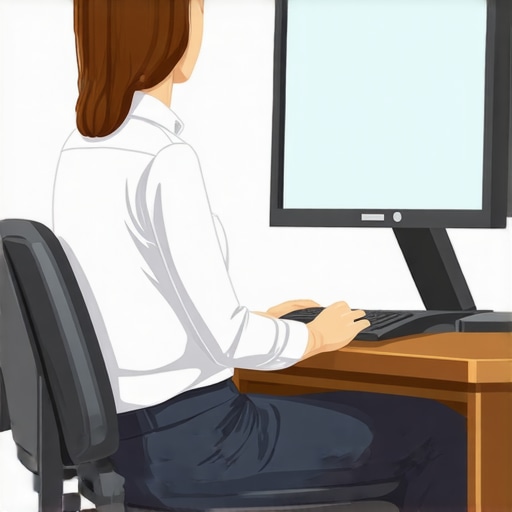
It was a typical Tuesday afternoon when I felt that sharp, stabbing pain shoot up my neck as I reached for my coffee mug. The kind of pain that makes you freeze for a second, then realize you’ve been hunched over your desk for hours without even noticing. If you’ve ever experienced that creeping tension or the dull ache that slowly turns into a full-blown headache, you’re not alone. I used to brush it off as normal, just part of working long hours at a computer. Until I had that lightbulb moment that led me to discover a simple, yet powerful habit: the 10-Second Drill for Better Posture. This small change turned my days from discomfort into clarity and energy.
The Power of a Tiny Habit in a World of Big Problems
When you’re sitting at your desk, lost in work, it’s easy to ignore what’s happening in your body. I know I did. I kept telling myself, “It’s just stress,” or “I’ll stretch later,” but later rarely came. That’s when I realized how often I was unknowingly compounding my issues through neglect of tiny daily habits. The truth is, poor posture isn’t just about looking slouched—it’s about how it impacts your health, your mood, and your productivity.
Imagine for a moment: all those hours hunched over, muscles tight and joints sluggish, quietly setting the stage for chronic pain or even nerve issues like sciatica. Research suggests that posture-related discomfort affects up to 80% of adults at some point in their lives—an alarming number that motivated me to find something simple and sustainable. And that’s exactly what I found in the form of the 10-Second Drill, a quick movement you can do at your desk to reset your body and restore alignment.
But before we get into how this tiny habit works, let me share a mistake I made early on that almost derailed my progress—it’s a common trap many fall into. I thought fixing posture required complicated exercises, expensive gadgets, or hours in therapy. The truth? Most of the time, simple is better. More on that soon. First, let’s explore whether a quick daily habit really makes a difference—because skepticism is natural, especially when it comes to health hacks. Ready? Let’s dive into why this 10-second move is worth your attention.
Start with Awareness of Your Body Position
Recall a time I caught myself slouching at my desk, shoulders rounded forward, neck jutting out. I paused and paid attention to my natural posture — this simple awareness was the first step toward change. You can do this during your work breaks or even while waiting in line. Noticing how you hold your body sets the foundation for effective correction.
Engage Your Core Before Adjusting Your Posture
Think of your core muscles as the stabilizers for your spine. Before making any posture correction, activate these muscles by gently pulling your belly button inward for about 3 seconds. Doing this primes your body to hold proper alignment. This step acts like tightening the straps on a backpack, stabilizing everything for better support. My own experience was messy at first, often forgetting to engage, but with persistence, I noticed my back felt less strained and more supported.
Perform the 10-Second Reset Movement
This is where the magic happens. Sit upright, roll your shoulders back and down, and gently tuck your chin slightly inward, aligning your head above your shoulders. Hold this position for 10 seconds, breathing deeply. This quick movement reassigns your body to an optimal position. I find it helpful to set a timer or reminder. When I started applying this during my workday, the tension in my neck diminished noticeably, creating a ripple effect of comfort.
Use Micro-Stretches to Maintain Alignment
After the reset, incorporate light stretches like neck rotations or shoulder rolls. These micro-movements prevent muscles from tightening again. For example, gently turn your head side to side, feeling the stretch without forcing it. These tiny habits, repeated throughout the day, act like regular oiling of a machine, ensuring smooth operation. I added a few during my breaks, and within a week, I experienced less stiffness and headaches.
Set Up Your Workspace Ergonomically
Optimize your environment to support good posture continuously. Position your monitor at eye level, keep your feet flat on the ground, and support your lower back with a cushion. Consider ergonomic accessories that promote alignment, such as adjustable stands or lumbar supports. Implementing these changes turned my workspace from a posture enemy into an ally. For detailed tips on ergonomic setups, check out these practical strategies.
By consistently practicing these steps, you’ll create a resilient posture foundation that reduces neck and back pain over time. Remember, small, intentional movements compound into lasting change, much like setting a small stone in motion. The key is regularity and mindfulness in each action.
Many people believe that stretching is the primary solution for neck, back, or sciatica pain, but in reality, most common approaches overlook critical nuances. For instance, a widespread myth is that aggressive stretching can always improve mobility; however, studies show that overstretching or stretching too aggressively, especially without proper assessment, may worsen symptoms or cause micro-injuries, further delaying recovery. My experience and recent research suggest that tailored, gentle movement strategies often outperform generic routines, emphasizing the importance of precise diagnosis before jumping into exercises.
Why is it that some traditional mobility exercises might backfire for chronic pain sufferers?
Well, many exercises aim to increase flexibility but neglect restoring proper joint mechanics or muscle balance. For example, focusing solely on hamstring stretches without addressing pelvic alignment can lead to compensatory movements, perpetuating pain rather than resolving it. According to a 2022 review by physiotherapists, addressing underlying movement patterns and joint restrictions should be prioritized over generic stretching routines. Moreover, common mistakes like ignoring subtle signs of inflammation or joint instability can cause long-term issues. For instance, trying to force a mobility increase in a joint with underlying cartilage degeneration can accelerate wear and tear. This is why understanding the nuanced differences in individual cases is crucial—some symptoms require stabilization instead of flexibility. Don’t fall into the trap of oversimplification; instead, consider comprehensive assessments or consult experts who consider the complexity of your body’s biomechanics. Remember, achieving lasting mobility isn’t just about stretching more but moving smarter. Check out my article on breaking the pain cycle for detailed insights. Have you ever fallen into this trap? Let me know in the comments.Maintaining optimal mobility and preventing setbacks from neck, back pain, or sciatica requires more than just habits; it calls for the right tools and ongoing care. Personally, I rely on a few key pieces of equipment to support my progress and ensure long-term results. One of my favorites is a **foam roller**. I use it regularly to release fascia adhesions and reduce muscle tension, especially in the thoracic and lower back regions. A dense, quality foam roller allows me to perform self-myofascial release at home, which complements my daily micro-movements and helps avoid stiffness. For precision, I prefer a textured roller, as it provides better trigger point targeting without risking overpressure.
Another essential tool is a **lumbar support cushion**. I use a firm, memory foam cushion when sitting for extended periods, particularly during travel or long workdays. This keeps my lumbar spine in a neutral position, preventing the habitual slouching that leads to chronic discomfort. Ergonomic devices like adjustable laptop stands are also invaluable—they elevate my screen to eye level, reducing neck strain and encouraging better posture.
In terms of software, I swear by posture reminder apps. These applications send gentle nudges at intervals to remind me to straighten my back and engage my core. Over time, I’ve found that consistent cues help me turn good posture into an ingrained habit, especially during those inevitable days of distraction.
Looking ahead, I believe technology will continue to advance in this realm. Wearable posture monitors that provide real-time feedback are becoming more sophisticated, enabling proactive corrections before discomfort even begins. Integration with AI could personalize exercises based on real-time data, creating a seamless, adaptive approach to mobility maintenance.
## How do I keep my back and neck healthy over time?
The key is regular, intentional maintenance. In addition to physical tools, I schedule periodic sessions with a physical therapist for deep assessments—this helps identify emerging issues early. Incorporating mobility routines like daily **glute bridges** or the *10-Second Drill* ensures I maintain strength and flexibility, reducing the risk of flare-ups. Remember, consistency is vital; even the best tools won’t help if neglected.
If you’re serious about sustaining your mobility and staying pain-free, I recommend trying a comprehensive approach—combine self-myofascial release with ergonomic adjustments and intelligent reminders. For detailed strategies on maintaining neck and back health, check out this article on daily tips for spine health. Staying proactive now pays off in long-term relief.
Regularly evaluate your setup and habits, and don’t hesitate to incorporate new technology as it develops. In the future, I predict even more integrated solutions that will empower you to take charge of your spinal health seamlessly from home. Start by selecting a quality foam roller and a lumbar cushion—you’ll be surprised how these simple tools can make a significant difference over time.
Lessons the Body Taught Me That No Guide Will Share
One of the most profound realizations I had was that consistent small adjustments create a ripple effect of recovery. I used to think I needed drastic measures, but the truth is, patience with tiny habits like the 10-Second Drill is what truly transformed my mobility.
Understanding the significance of posture awareness was a game-changer. Recognizing how I held my neck and back throughout the day helped me catch bad habits before they became ingrained patterns. This mindfulness was more powerful than any quick fix.
Another lightbulb moment was learning the importance of stabilization rather than mere stretching. Targeted, gentle movements to support joint health proved far more effective than aggressive routines I used to follow. This shift in approach saved me from unnecessary frustration and setbacks.
Tools and Resources That Elevated My Journey
A favorite for maintaining spinal health has been the foam roller. Its ability to release fascia and ease muscle tightness makes it an essential part of my routine. I personally trust textured rollers for better trigger point targeting, which I incorporated after discovering their benefits from trusted mobility strategies.
Supporting my posture with ergonomic accessories like lumbar cushions and adjustable stands has been a game-changer. These tools helped me maintain proper alignment at work, reducing strain and preventing pain before it starts. I rely on products that blend simplicity with effectiveness, ensuring consistency on busy days.
Lastly, posture reminder apps have been surprisingly effective. Gentle nudges keep me accountable, turning mindful movements into a daily habit. As technology evolves, I look forward to wearables that provide real-time feedback, making posture correction seamless and even more personalized.
Embrace Change and Build Confidence First
Healing from neck and back pain isn’t just about exercises or tools; it’s about believing in your capacity to improve slowly and steadily. Remember, progress may appear subtle at first, but each mindful motion lays a stronger foundation for lasting relief. Trust that every small step compounds over time, empowering you to regain control of your mobility and reduce discomfort.
Have you ever experienced a breakthrough with tiny habits that seemed insignificant at first? Share your story below—I’d love to hear how small changes made a big difference for your neck or back pain.