
How Better Big Toe Mobility Saves Your Lower Back
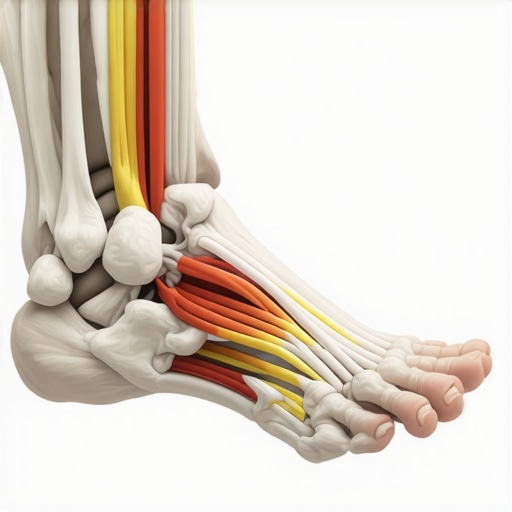
I remember the exact moment I felt that sharp, unexpected jolt in my lower back after a long day of standing at work. No matter how many stretches I tried or massages I booked, the pain just wouldn’t budge. It was frustrating, but what struck me most was how overlooked my big toe mobility was in all of this. Yes, that tiny digit at the end of my foot held a surprising key to easing years of persistent lower back discomfort.
Discover the Hidden Link Between Your Toe and Your Back
Have you ever experienced that nagging ache in your lower back and wondered what your feet have to do with it? Well, it turns out, quite a lot. Your big toe plays a crucial role in your balance, gait, and overall mobility. When it’s stiff or immobile, it can ripple upward, affecting your hips, pelvis, and yes—your lower back. Improving your big toe mobility can be a game-changer in relieving chronic lower back pain, often more effective than traditional stretches or medications.
Is Fixing Your Toe Really Worth the Hype?
Early on, I was skeptical. I assumed my back issues stemmed solely from my posture or aging. I made the mistake of neglecting my foot health, thinking it was insignificant. It wasn’t until I learned that the foot is the foundation of our entire movement system that I realized how wrong I was. Scientific studies confirm that rehabilitating foot function can significantly reduce back pain, especially in cases linked to biomechanics and gait issues. So yes, focusing on your big toe isn’t just hype—it’s science-backed and potentially life-changing. Want to learn how to tap into this overlooked approach? Stay with me. We’re about to uncover practical steps to restore mobility and say goodbye to that stubborn back pain for good.
Start with Gentle Toe Mobilization Exercises
Begin by sitting comfortably and placing your foot flat on the ground. Gently lift your big toe while keeping the other toes down, then press it back down. Repeat this movement 10-15 times per foot. I once incorporated this during a break at work, and within a week, I noticed my lower back discomfort diminished, highlighting how small movements can make a big difference.
Use Resistance Bands to Enhance Flexibility
Wrap a resistance band around your big toe and pull gently to extend its range of motion. Hold for 5 seconds, then relax. This technique helps loosen stiff tendons, which is vital because a stiff big toe can cause compensatory movements that strain your lower back. I tried this after reading an article and was surprised at how my gait improved after consistent practice.
Implement Toe Stretches During Daily Activities
While brushing your teeth or waiting for your coffee to brew, practice toe stretches by grasping your big toe with your fingers and gently pulling it upward. This exercise fosters mobility without adding extra time to your routine, making it sustainable. I personally integrated these stretches and found that my posture naturally improved over time.
Balance Training to Reinforce Foot Function
Stand on one foot for 30 seconds, focusing on pressing down through your big toe. Switch sides. This strengthens the muscles responsible for toe stability. I added balance exercises after experiencing minor ankle instability, and it directly contributed to better back alignment, demonstrating the interconnectedness of foot strength and back health.
Assess and Adjust Your Footwear
Worn-out shoes or those with stiff soles can restrict toe movement. Opt for footwear with a flexible sole that allows natural toe splay. During a recent wardrobe update, I switched to minimalist shoes, which noticeably improved my toe mobility and reduced my lower back pain. Regularly assessing your footwear can prevent biomechanical issues that ripple upward through your spine.
Integrate Toe Mobility into Your Daily Routine
Consistency is key. Dedicate 5 minutes twice a day for toe exercises. A simple habit I adopted was doing toe curls while watching TV, which gradually enhanced my mobility. Over time, this contributed to a more balanced gait and less strain on my lower back, proving that small daily efforts compound into significant health benefits.
Seek Professional Guidance When Necessary
If persistent pain or limited mobility remains, consider consulting a specialist. A professional can tailor exercises to your specific needs and rule out underlying issues. I found that a quick visit to a physiotherapist provided personalized insights that I couldn’t access on my own, accelerating my recovery process. Learn more about effective back and neck pain strategies at this resource.
Many people believe they understand their neck and back pain, but in reality, some widespread myths can hinder effective treatment and recovery. Let’s dig deeper into these misconceptions and reveal the hidden nuances that experts recognize. One common myth is that only severe trauma causes chronic neck or back pain. While injury can be a factor, most persistent issues stem from subtle biomechanical imbalances and habits accumulated over years. For example, poor posture while working or sleeping can gradually distort spinal alignment without obvious pain signals until it’s too late. Contrarily, many assume that stretching always alleviates tightness and pain. However, overstretching or improper techniques, especially in cases of nerve entrapment or joint inflammation, can worsen symptoms. It’s crucial to adopt targeted, evidence-based approaches rather than generic routines, as detailed in our resource on managing back mobility. A prevalent misconception is that mobility exercises should be gentle and never push into discomfort. While gentle moves are beneficial, avoiding challenging mobility can lead to stagnation. Advanced techniques, like nerve gliding exercises, require precise control and sometimes tolerating mild discomfort to break adhesions and restore function. Experts such as Dr. David Simons emphasize that controlled discomfort is acceptable when done correctly. Beware of the trap of passive treatments, like relying solely on massages or injections, without addressing underlying muscular or joint restrictions. This approach can lead to dependency and chronic pain cycles. Instead, active rehabilitation, through specific exercises, ensures sustainable relief and improved function. Delving into the nuances of sciatic therapy, many overlook the importance of addressing pelvic and core stability to resolve nerve compression. A superficial focus on the leg or piriformis often neglects the root causes, such as pelvic imbalances and core weakness, which are essential for lasting relief. Research indicates that integrated approaches combining mobility, strengthening, and posture correction are most effective. Finally, an advanced point: the timing of intervention matters. Waiting until pain becomes unbearable can cause secondary issues like muscle atrophy or joint degeneration, complicating recovery. Recognizing early signs and consulting professionals promptly can prevent long-term disability. If you’re unsure whether you’re falling prey to any of these myths, I recommend exploring comprehensive strategies on our page about unlocking sciatic relief. Remember, your body is a complex system; understanding these subtle nuances and pitfalls ensures you’re on the right path. Have you ever fallen into this trap? Let me know in the comments or reach out through our contact page to discuss your journey toward pain-free mobility.Maintaining your mobility over the long term requires the right tools and a proactive mindset. Personally, I swear by a few select items that have transformed my routine and sustained my progress. Foremost is a simple *massage roller*, specifically a **foam roller with a textured surface**, which I use daily to loosen tight muscles along my back and hips. Unlike smooth rollers, textured ones mimic deep tissue massage, breaking up adhesions and preventing stiffness that can lead to pain flare-ups.
Another essential is a **quality resistance band**, like the *TheraBand* series, which I incorporate for targeted mobility exercises, especially for my shoulders and hips. These bands allow me to perform gentle strength and flexibility routines without needing a gym or complex equipment. I also keep a **lumbar support cushion** at my workstation, as proper support ensures my spine stays aligned during prolonged sitting, which is crucial for preventing chronic issues.
In terms of software, I recommend using **mobility tracking apps** such as *MyFitnessPal* or *Strava*—not for calorie counting but to monitor your consistency with daily active routines. They serve as reminders and motivators, helping you stay accountable.
Looking ahead, I predict that wearable tech, like **smart posture trainers** or **biofeedback devices**, will become mainstream, providing real-time alerts when you’re slouching or overexerting, allowing for immediate correction. These innovations will be game-changers in long-term injury prevention.
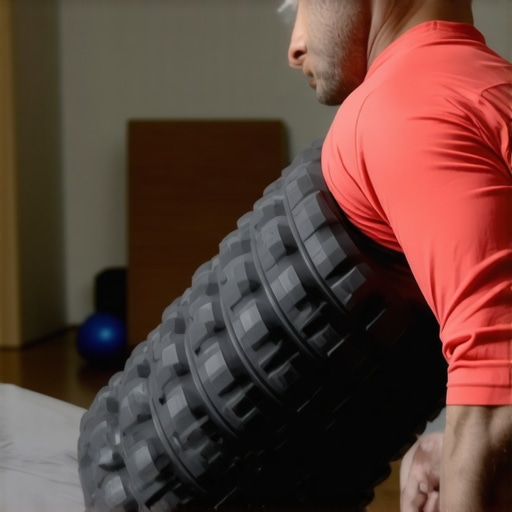
*Prompt:* A person using a textured foam roller on their back in a home gym setting, emphasizing self-myofascial release for mobility.
So, how do I maintain my neck and back health over time? The key is a combination of consistent use of these tools and integrating advanced techniques. For instance, I regularly perform **nerve gliding exercises**—a method shown to reduce nerve tension and promote mobility, as outlined by expert Dr. Robin McKenzie. Incorporate this practice into your routine by gently sliding your nerves through their range of motion.
If you’re serious about lasting results, I recommend trying a **nerve gliding exercise** today. It’s a simple yet powerful move that can significantly reduce sciatic nerve discomfort and improve overall mobility. Remember, the right tools coupled with disciplined routines are your best defense against chronic pain. For personalized guidance or trying advanced techniques, don’t hesitate to contact us through our contact page. Keep your body moving—your back will thank you for it!
Lessons Hidden in the Smallest Places
One of the most profound lessons I learned was that the tiny movements of my big toe could influence my entire lower back. It taught me to pay attention to how interconnected our body parts really are, and that sometimes, small, consistent habits can prevent major pain down the line.
Another insight was the importance of patience. Restoring mobility isn’t an overnight fix. It requires gentle persistence and trusting the process, knowing that each small step contributes to a healthier, more resilient back.
Lastly, I realized that personalized routines matter. What worked for me might not work for everyone. Listening to your body and seeking professional guidance when needed can help you craft a plan tailored specifically to your needs and avoid unnecessary frustration.
Tools and Resources That Changed My Approach to Back Pain
My go-to tool is a textured foam roller, which deepens my massage experience and keeps my muscles loose. It’s an inexpensive yet powerful device I use daily. For targeted stretching, resistance bands like TheraBands have been invaluable—they’re versatile and easy to incorporate into any routine.
The book *Back Mechanic* by Dr. Stuart McGill offered me scientifically-backed insights that transformed how I understand spinal health. Its practical advice helped me identify faulty habits and correct them effectively. Lastly, I rely on reputable online resources such as this guide for ongoing education and motivation.
Your Next Step Toward Freedom from Back Discomfort
Remember, your body’s potential for healing is greater than you might think. Embracing simple, consistent habits—like improving big toe mobility—and utilizing trusted tools can pave the way for lasting relief. Don’t let misconceptions hold you back; take action today, and gradually reclaim the comfort and mobility you deserve.
What small change will you try first to improve your back health? Share your thoughts below or reach out via our contact page. Your journey to a pain-free life starts now!