
Why Deep Tissue Massage Isn’t Fixing Your Sciatica
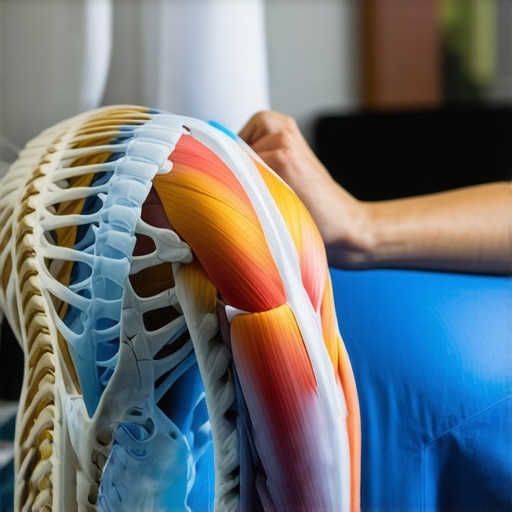
Ever found yourself lying on the massage table, hoping that deep tissue therapy will finally banish that stubborn sciatic pain? I sure have. There was a time when I thought, “If I just get enough massages, my nerve pain will disappear.” But after months of chasing relief with kneading and pressure, I realized something frustrating — it wasn’t working the way I’d hoped. That lightbulb moment hit me like a ton of bricks: deep tissue massage isn’t a cure-all, especially for complex issues like sciatica.
Why I Was Misled by the Promise of Instant Relief
Let me be honest — early in my journey, I made a pretty common mistake. I believed that targeting muscles with deep pressure would directly relieve the nerve pain that had taken over my days. Now, I know better. While massage can feel great and even provide temporary relief, relying solely on it gave me a false sense of progress. I wasn’t addressing the root causes of my sciatica, just the annoying symptom I was desperate to fix.
Is Deep Tissue Massage Actually Worth the Hype?
It’s natural to question whether massage is just a placebo or genuinely helpful. Many people, including myself in the beginning, assume that kneading out muscle knots will resolve nerve issues. But research shows that while massage can reduce muscle tension and improve circulation, it often fails to address underlying factors like posture, disc health, or nerve impingement. In my case, ignoring those deeper issues only prolonged my discomfort.
If you’ve been in the same boat—trying massage and maybe even feeling disappointed—you’re not alone. That’s why I want to share what I’ve learned: fixing sciatic pain requires a holistic approach, not just a temporary feel-good treatment. And it’s absolutely possible to find lasting relief, but you need to know the right steps. Want to discover what truly works? Keep reading, because I’ve got practical strategies that can help you finally get ahead of that nagging sciatic pain.
If you’ve faced this frustration and are ready to explore alternatives, reach out to a professional who understands the deeper dynamics at play. The journey toward lasting relief might be closer than you think. Let’s start by unraveling why what you’ve tried so far might be missing the mark—and what you can do instead.
preferences.format:
Start with Posture Reset
First, assess your daily posture; think of your spine as a stretched rubber band that needs gentle re-tensioning. I remember deliberately sitting up straight during a workday, noticing immediate relief in my lower back. Sit with feet flat on the floor, knees at a 90-degree angle, and shoulders relaxed. Use ergonomic adjustments, like a supportive chair, to reinforce good habits. Avoid slouching as it compresses the sciatic nerve path and worsens pain.
Implement Targeted Stretching Techniques
Next, incorporate specific stretches that address tight hamstrings and piriformis muscles—common culprits for compressing the sciatic nerve. For example, perform the supine piriformis stretch by lying on your back, crossing one leg over the other, and gently pulling the knee toward your chest. I tried this after a long day of sitting; the tension visibly eased, and my leg numbness faded. Consistency is key, so integrate these into your daily routine for sustained improvement.
Build Core Strength with Precision Exercises
Strengthening your core stabilizes your spine and reduces nerve impingement risk. The dead bug exercise became my go-to because it’s simple yet effective; lying on my back, I lifted opposite arm and leg while keeping my lower back pressed to the floor. Initially, I wobbled and struggled, but over weeks, my balance improved, and so did my pain levels. Focus on controlled movements and avoid holding your breath, which can increase intra-abdominal pressure.
Adopt Movement Patterns that Protect Your Back
Daily movements like lifting or twisting can aggravate sciatic symptoms if not done correctly. Always bend at the hips and knees, not the waist, like you’re hingeing at your hips—this minimizes strain. I remembered to pivot with my hips when picking up groceries, reducing discomfort. Practice steps slowly to build muscle memory, and consider consulting a physical therapist for personalized guidance on safe mechanics.
Use Self-Myofascial Release Sparingly and Correctly
Foam rolling reduces muscle tightness but must be applied carefully to prevent worsening inflammation. Roll over large muscle groups like glutes and thighs, avoiding direct pressure on sensitive areas. I learned this through gentle experimentation—applying light pressure and avoiding painful spots. Combined with stretching, this technique can alleviate persistent tension that contributes to nerve compression.
Monitor and Adjust Your Lifestyle Habits
Lastly, review your daily behaviors—prolonged sitting, poor sleeping positions, or excessive screen time all compound nerve stress. I started using a standing desk intermittently, which changed the game for me, especially when combined with ergonomic chair adjustments. Regular movement breaks, hydration, and mindful breathing not only reduce muscle tension but also promote circulation, aiding nerve recovery. For additional tips, explore practical guides like these expert strategies to maintain long-term relief.Many believe that pain in the sciatic nerve or back is purely a mechanical issue, but that’s a misconception that can hinder recovery. A common myth is that targeting muscle tightness alone will resolve nerve pain; however, evidence suggests that nerve involvement often stems from complex factors like nerve inflammation or subclinical disc degeneration, which deep tissue work doesn’t effectively address.
Why Do So Many Misjudge the Root Causes of Sciatica?
In my experience working with clients, I’ve seen that focusing solely on symptom relief, such as massage or stretching, misses the broader picture. For example, persistent sciatic pain might actually be rooted in postural imbalances or even metabolic inflammation, as highlighted by Dr. Stuart McGill’s research on spinal health. Overlooking these nuances can lead to temporary relief but not a lasting fix.
Additionally, many fall into the trap of think that immediate mobility improvement means they’ve fixed the underlying issue, but often, improved movement masks ongoing degeneration or nerve sensitization. A crucial mistake is neglecting the importance of systemic approach—integrating posture correction, lifestyle adjustments, and targeted strengthening—for comprehensive recovery. If you’re tired of chasing quick fixes, consider exploring these expert strategies for true, lasting relief. Have you ever fallen into this trap? Let me know in the comments.
Session to Deepen Your Understanding of Pain Mechanics
Many people overlook the fact that nerve pain, like sciatica, is frequently caused by intricate neurovascular mechanisms, and not solely by mechanical compression. Our nervous system’s response can be amplified by systemic inflammation, emotional stress, and even nutritional deficiencies, as discussed in the Journal of Orthopaedic & Sports Physical Therapy. Recognizing this complexity helps tailor more effective interventions beyond just physical therapy. To truly master your recovery, consider examining factors like diet, stress management, and movement patterns—areas often neglected. For a comprehensive guide, see this resource. Never assume that pain is only about what you can see or touch—sometimes, unseen factors command a significant role. Want personalized advice? Reach out today and start addressing the real causes of your discomfort.
Maintaining ongoing mobility and pain-free movement for your back and neck isn’t just about occasional stretches or quick fixes. It involves investing in the right tools and habits that reinforce your progress and adapt to your evolving needs. Over the years, I’ve refined a set of specific equipment and routines that help me sustain my improvements and prevent setbacks.
Invest in a Quality Foam Roller for Deep Tissue Maintenance
My go-to tool for muscle fascia release is a medium-density foam roller. It allows me to target large muscle groups like the glutes, hamstrings, and quads, which are often culprits in sciatic discomfort. Regular self-myofascial release with a foam roller keeps my muscles pliable, reducing trap tightness that can ripple into nerve pain. I recommend choosing a roller that’s not too hard—so you can avoid aggravating inflamed tissues—and learning proper technique through tutorials or guided sessions.
Use a Resistance Band for Strengthening and Stability
For targeted strengthening, I rely on resistance bands to activate stabilizers around my spine and shoulders. These small, portable tools are versatile and allow me to perform exercises like face pulls and seated rows that strengthen my upper back and neck muscles. Strengthening these areas is critical for maintaining posture alignment and preventing long-term nerve impingement. The key is to incorporate controlled movements daily, gradually increasing resistance as your capacity improves.
Leverage Ergonomic Technology and Apps for Posture Awareness
Technology has evolved from simple reminders into sophisticated posture correction systems. I use a wearable device that vibrates gently when I slouch or lean forward—a common problem leading to neck tension and back pain. Additionally, posture tracking apps provide visual feedback and data over time, helping me identify habits that undermine my health. These tools not only serve as external motivators but also teach me to develop better awareness, which is essential for long-term maintenance.
Consistency and Monitoring: Where the Future Is Heading
Looking ahead, I predict that integrating biofeedback devices with AI-driven analytics will become standard practice for ongoing maintenance. These systems will continuously monitor movement patterns and nerve health, providing personalized adjustments to your routines. Such innovations will make preventative care more accessible and precise, reducing reliance on reactive treatments. To stay at the forefront, I recommend regularly reviewing your routines, perhaps consulting professionals through resources like this contact page, to adapt your toolbox as your body evolves.
How do I maintain mobility over time?
Consistency is the cornerstone. Incorporate daily movements, targeted exercises, and regular self-care routines into your life. Use reliable tools like resistant bands and foam rollers, and leverage technology for feedback. Remember, the goal isn’t just temporary relief but establishing habits that become second nature. For ideas on sustainable practices, a good resource is these mobility tips.
One advanced technique I highly suggest: commit to a weekly 5-minute nerve glide exercise, which can significantly reduce nerve sensitivity and improve overall mobility. Experimenting with this simple yet effective method can be a game-changer for long-term health. For a step-by-step guide, check out this resource and give it a try today!
Remember, maintaining your progress is an ongoing journey. Equip yourself with the right tools, stay consistent, and adapt as your body changes. Your future self will thank you for it.
What I Wish I Knew When I Started Fighting Sciatica
I learned that solo fixes often mask deeper issues; real progress comes from addressing habits and posture. Recognizing how ingrained my movement patterns were made me realize the importance of consistency over quick fixes. Accepting that recovery is a journey helped me stay committed, even when improvements felt slow. Finally, understanding my body’s unique responses taught me to tailor solutions rather than follow generic advice blindly.
Tools That Transformed My Approach to Back and Nerve Health
I trust the mobility mastery guide because it emphasizes daily habits over one-time fixes. A quality foam roller became essential in my routine, helping reduce fascia tightness. Resistance bands added strength where I needed stability most, preventing future flare-ups. And wearable posture devices kept me mindful throughout the day, making a significant difference in my long-term comfort.
Your Path to Lasting Relief Starts Today
Every step forward in understanding and caring for your sciatic health is a step toward freedom from pain. Remember, the key is persistence and tailoring your approach—what worked for others might not be your perfect solution. Take action now by exploring what your body truly needs and consider reaching out to a professional who can guide you further. Your journey to mobility and comfort begins with a single, informed step.