
How to Spot a Real Herniated Disc Versus Simple Muscle Spasms
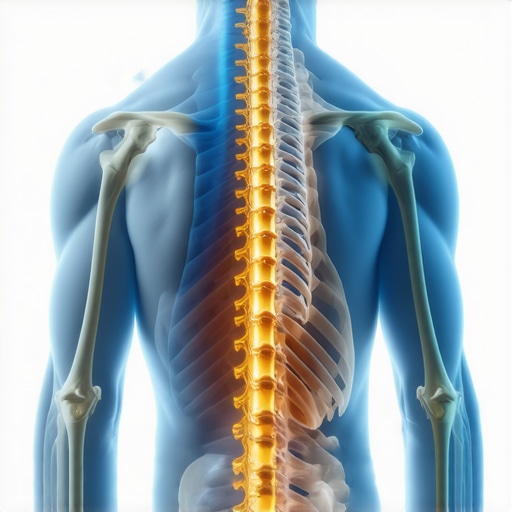
Ever woken up with a sudden, sharp pain in your lower back that made you question whether it was a minor muscle tweak or something more serious? I remember the shock of that moment vividly—thinking, “Is this just a spasm, or am I facing a herniated disc that could change my life?” That confusion can be overwhelming, especially when every movement feels like walking a tightrope.
Why Recognizing the Difference Matters
Understanding whether you’re dealing with a simple muscle spasm or a herniated disc isn’t just about satisfying curiosity; it’s about your health and mobility. Misdiagnosing can lead to unnecessary treatments or, worse, neglecting a condition that needs urgent attention. As I learned early on, mistaking a herniated disc for a muscle spasm was my first mistake—one I don’t want you to repeat. According to studies, up to 80% of adults will experience back pain at some point, but identifying the root cause makes all the difference in recovery outcomes.1
Is It Really Worth the Hype? Common Fears About Self-Diagnosing
Initially, I was skeptical about trying to figure it out myself. Could I really tell a disc problem from a muscle knot? Honestly, I’d been there before—searching online, reading conflicting advice, and feeling more confused. That’s why I want to share the approach I developed after making several errors. The key is learning the telltale signs and recognizing early warning cues that differentiate a herniated disc from a benign muscle spasm.
If you’ve experienced sudden back pain that just won’t quit or if you’ve wondered whether your pain is something more serious, keep reading. We’ll explore how to distinguish between these conditions and how to take the right steps to protect your health. Ready to get clarity and regain your mobility? Let’s dive into the details that could save you from unnecessary suffering and help you make informed decisions about your back health.
Assess Your Pain How to pinpoint what’s really going on
Start by noting when and how your pain manifests. For example, I once woke up with a stiff, throbbing lower back after a night of poor posture at my desk. To analyze, I kept a pain journal, recording activities, positions, and sensations. This helps determine if pain worsens after sitting, lifting, or resting, pointing to specific causes. Recognize if the pain is sharp, dull, constant, or intermittent, as these clues steer your next steps. Remember, persistent pain that alters your daily life warrants professional attention; however, initial self-assessment can screen whether it’s a spasm, disc issue, or nerve involvement.
Differentiate Between Muscle Spasms and Disc Problems
Visualize your back as a flexible garden hose. A spasm is like a kink that temporarily blocks flow, usually tender and relieved with gentle movement. A herniated disc is akin to a bulge pressing into the hose’s wall, causing radiating pain or numbness along your leg—sciatica. To distinguish, perform simple self-tests: gentle movement and observe if pain increases or radiates; if pain stays localized or feels like a muscle knot, it’s more probably a spasm. If pain shoots down your leg or includes numbness, suspect nerve involvement. Learning to spot these signs saves you from unnecessary treatments and guides proper care, like ergonomic improvements or targeted exercises.
Apply Targeted Movement Exercises for Relief
Lie on your back, knees bent, feet flat on the floor. Gently tilt your pelvis by flattening your lower back against the floor—similar to pressing your lower back into the bed. Hold for a few seconds, then release. This exercise stabilizes your core, takes pressure off herniated discs, and restores mobility. I came across this technique during a consultation for back pain, and after just a few days, my stiffness decreased. Incorporate daily routines like the 90-90 hip drill to reduce lower back tension quickly. Consistent movement prevents muscles from tightening excessively, which can exacerbate pain. For more advanced routines, explore safe stretches that align with your specific issue; for example, simple exercises that make a difference to keep your spine healthy.
Optimize Your Environment to Support Back Health
Evaluate your workspace: is your chair supportive? Is your monitor at eye level? Slight adjustments in your ergonomic setup can prevent or diminish pain. I experimented with raising my monitor and using a lumbar support pillow, which made sitting more comfortable and reduced my muscle tension. Proper positioning minimizes strain on your discs and muscles over time. Practicing good posture consistently, like avoiding slouching, is essential. Sometimes, small tweaks—as simple as adjusting your seat height—can have a significant impact on preventing recurring pain. For detailed guides, see ergonomic tips for everyday comfort.
Incorporate Lifestyle Changes to Support Recovery
Beyond exercises, lifestyle habits matter. Incorporate regular walking into your day—think of it as giving your back a gentle massage with each step. I started wearing supportive footwear and avoided prolonged sitting, which noticeably improved my symptoms. Also, managing stress through breathing techniques or mindfulness reduces muscle tension linked to neck and back pain, as outlined here. Staying active, maintaining healthy weight, and practicing proper lifting techniques—like bending knees and engaging core muscles—are vital. For specific tips, see lifestyle changes for better living.
Know When to Seek Professional Help
If pain persists beyond a week, worsens, or is accompanied by numbness, weakness, or loss of bladder control, it’s crucial to consult a healthcare provider promptly. Self-care and exercises aren’t substitutes for professional diagnosis when serious issues are at hand. A thorough assessment guides targeted treatments, whether physical therapy, medications, or in some cases, imaging or surgery. Remember, acting early safeguards your long-term mobility and prevents minor problems from becoming chronic conditions. To understand more about symptoms indicating serious issues, visit key symptoms to watch.
Many individuals believe that back and neck pain are straightforward issues caused solely by poor posture or injury, but the truth runs much deeper. A common misconception is that pain always correlates directly with the severity of the underlying problem. For example, some think that if their pain isn’t constant or severe, it’s not serious enough to warrant professional attention. However, advanced cases often present with subtle signs that many overlook, such as intermittent numbness or slight weakness, which can be early indicators of nerve involvement. Recognizing these nuanced symptoms can be the difference between timely intervention and long-term disability. Moreover, there’s a widespread myth that stretching or doing specific exercises always alleviates pain. While movement is generally beneficial, blindly following generic routines without understanding the underlying cause can exacerbate issues—especially if misdiagnosed conditions like herniated discs or nerve impingements are involved. For instance, aggressive stretching of a disc herniation might worsen inflammation and delay healing. It’s vital to distinguish between common muscular tightness and more complex, structural problems that require targeted treatment. One critical mistake many make is underestimating the importance of comprehensive assessment. Routine self-diagnosis based on internet advice might lead to overlooking serious warning signs such as radiating pain or neurological deficits. Consulting healthcare providers and getting appropriate imaging can uncover hidden issues that aren’t apparent through symptoms alone.
Why the Choice of Movement Matters More Than You Think
An advanced insight is that the type, timing, and intensity of movement can significantly influence recovery. For example, research indicates that improper loading patterns can lead to chronic pain even after initial injuries seem healed. Engaging in high-impact activities prematurely, or neglecting core stabilization, often results in recurrent problems. Learning to apply *smart movement patterns*—like the correct way to perform hip hinge exercises or avoid compensatory postures—can prevent the cycle of pain. For further guidance on optimizing your movement strategies, check out this expert tips.
Another nuance is the significance of lifestyle factors such as sleep quality, footwear choices, and desk ergonomics. These elements subtly influence spinal health and can cause pain cycles that are difficult to break without a comprehensive approach. For example, wearing unsupportive shoes may strain your lumbar region during daily activities, but many dismiss this as trivial. Conversely, thoughtful adjustments like ergonomic assessment of your workspace or supportive footbeds can markedly improve outcomes. It’s essential not to fall into the trap of symptom suppression through short-term fixes like medication or hot packs while neglecting underlying lifestyle contributors. Consulting a specialist who understands the complex interplay of musculoskeletal health can reveal hidden causes and effective, nuanced solutions. Remember, persistent pain is often a red flag signaling incomplete recovery or misdiagnosis. If you want to ensure you aren’t missing important signs, review key symptoms to watch.
Finally, adopting a holistic view that considers emotional stress, diet, and movement habits leads to more sustainable relief. Chronic tension headaches, neck tightness, or recurring back pain often stem from stress-related muscle tension, which many ignore. Incorporating stress management techniques can therefore be as crucial as physical therapy. If you’re interested in deepening your understanding of these complex factors, explore this comprehensive guide.
Have you ever fallen into this trap of oversimplifying your pain or underestimating subtle warning signs? Let me know in the comments—your experience might just help someone else avoid the same mistakes.
How Do I Maintain Mobility and Pain-Free Living Over Time?
Maintaining your back and neck health isn’t a one-time fix; it requires consistent effort and the right tools. Over the years, I’ve identified specific equipment and methods that truly make a difference in preserving mobility and preventing relapses. One game-changer for me has been investing in a high-quality lumbar support pillow. Unlike generic cushions, this support adapts to my natural curves, providing targeted relief during long work sessions and travel. I personally use the Everlasting Comfort Lumbar Support Pillow because its memory foam conforms precisely to my lumbar region, reducing muscle strain and promoting proper posture. Additionally, incorporating a foam roller like the TriggerPoint GRID Foam Roller into my routine has been invaluable for my myofascial release. It’s not just about stretching; it’s about actively breaking down knots and restoring tissue flexibility. I find that a few minutes daily with this roller dramatically reduce stiffness and improve circulation, aiding long-term recovery. Another tool I rely on is a posture-correcting device that vibrates gently if I slouch—this immediate feedback trains my body to maintain proper alignment naturally. Over time, this has reinforced good habits without constant conscious effort.
How do I keep my tools effective and my results sustainable?
Regularly updating and maintaining your equipment ensures sustained benefits. For example, foam rollers should be replaced every 6-12 months to avoid degradation of material. Also, revisiting ergonomic setups is essential; what worked a year ago may need adjustment as your body changes or your work environment evolves. I schedule periodic ergonomic assessments, especially when I notice new pain patterns. Combining these physical tools with consistent movement routines—such as the minimal yet effective exercises—is key to long-term success. In the future, I predict that smart wearable devices equipped with biofeedback and posture analytics will revolutionize how we maintain spinal health, offering personalized guidance and accountability.
What Are the Best Strategies for Scaling Your Back and Neck Care?
As you progress, scalability becomes vital. Once you’ve established a good routine, consider integrating more advanced tools like standing desks with dynamic features, adjustable to promote movement throughout the day. Using a core strengthening program that adapts over time helps build resilience. I also recommend scheduling periodic check-ins with a physiotherapist who can fine-tune your regimen and address emerging issues before they become chronic. Remember, consistency is the secret—tools alone won’t help if neglected. Focus on building sustainable habits, such as daily mobility exercises, ergonomic awareness, and listening to your body’s signals. For comprehensive strategies, explore this resource.
What Is the Best Way to Sustain Your Gains for a Lifelong Benefit?
Developing a personalized maintenance routine is crucial. I recommend integrating a mix of targeted exercises, ergonomic adjustments, and regular self-assessments. For instance, incorporating the 90-90 hip drill daily keeps my hips mobile, indirectly supporting my lumbar health. Tracking your progress with simple metrics like pain levels, range of motion, and posture quality can help identify when adjustments are needed. Most importantly, stay informed—new research continuously refines our understanding of back health, as detailed in this emerging expert guidance. Ultimately, making preventive care a habit will help you enjoy a pain-free, active life for the long haul. Give one of these tools or routines a try today, and see how small continuous efforts can make a significant impact on your overall wellbeing.
3 Surprising Insights That Shaped My Back Journey
One of the biggest lessons I learned is that pain often whispers before it shouts—initial discomfort might seem minor, but ignoring early signs can lead to long-term issues. I realized that consistent movement, even gentle routines, can rebuild strength and resilience, preventing future setbacks. Moreover, understanding my body’s unique triggers—like certain postures or habits—empowered me to tailor solutions rather than rely solely on generic advice. Finally, I discovered that small ergonomic adjustments, like perfecting my workspace setup, have a magnified impact over time, transforming my daily comfort and mobility.
Tools That Became My Back Allies
Over the years, I’ve curated a toolkit that genuinely supports my back and neck health. The foam roller is indispensable for my muscle release, helping me maintain flexibility. I trust the ergonomic chair adjustments I adopted, which prevent strain during long workdays. For guided routines, expert-backed exercises have kept me proactive. Lastly, wearable posture reminders serve as gentle nudges to stay aligned—these tools combine to create a sustainable approach to back health.
One Step You Can Take Today
Remember, the journey to pain-free movement is ongoing and personalized. Start by assessing your posture: is your workspace set up to support your spine? Incorporate a simple daily routine, like the 90-90 hip drill, to boost mobility and prevent stiffness. If you notice persistent symptoms, don’t hesitate to consult a professional for tailored guidance. Every small, positive action today compounds into greater long-term health. So, what is one habit or tool you can adapt now to take charge of your back and neck well-being? I’d love to hear your plans—share below and let’s support each other in this journey!