
The Real Reason Your Leg Goes Numb After Sitting Too Long
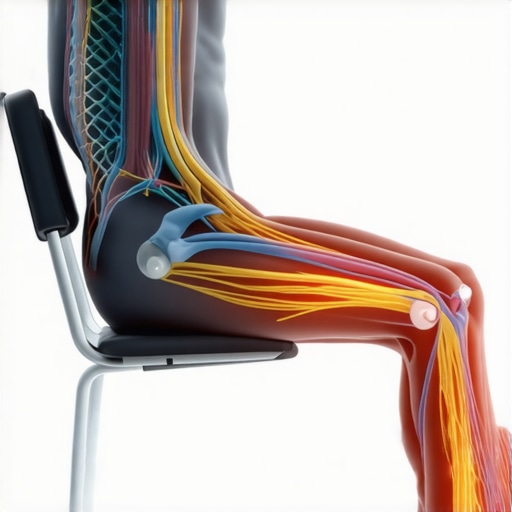
Ever been in the middle of a long workday or binge-watching session when suddenly, your leg feels like it’s fallen asleep? That sensation, uncomfortable and confusing, can strike without warning and leave you wondering what just happened. I remember the first time it happened to me — I was hunched over my laptop for hours, and out of nowhere, that prickly numbness crept up my thigh. It was startling, and honestly, a little frightening. I’d experienced back pain before, but this was different — sharper, more persistent, and seemingly random.
Why Your Leg Goes Numb After Sitting Too Long — And What You Can Do About It
What I didn’t realize back then is that this numbness wasn’t just a random quirk — it was a sign that something was off with my posture and how I was sitting. Over time, I learned that prolonged sitting can compress nerves, restrict blood flow, and lead to that uncomfortable numbness. The good news is, once I discovered the real reasons behind it, I could start making changes that brought relief and improved my mobility.
Is Your Numbness Just a Fluke or Something More Serious?
Early on, I made the mistake of dismissing these episodes as minor inconveniences. I thought maybe I was just sitting in a bad position for a little while. But I quickly realized that ignoring these signals only made things worse. Continuous numbness can sometimes mask underlying issues like sciatica or nerve impingement, which need proper attention. According to research, about 80% of adults experience back pain at some point, and nerve compression related to sitting is a common culprit (source: Body Renewal Therapy). Recognizing early signs and understanding their causes is crucial for effective relief and long-term health.
So, if you’ve faced that sudden tingling or numbness after sitting, you’re not alone. And more importantly, there are practical steps you can take to tackle the root cause and keep this from recurring. In the next sections, I’ll walk you through the key strategies that helped me regain control over my mobility and banish that numbness for good. Ready to start feeling better? Let’s dive in and discover the simple, effective methods that make a difference.
Adjust Your Sitting Posture for Immediate Relief
Start by evaluating your workstation setup. Sit with your feet flat on the ground, knees at a 90-degree angle, and your hips slightly higher than your knees. Use an ergonomic chair that supports your lower back and promotes proper alignment. I once noticed my lower back aching after hours of slouching at my desk, so I adjusted my chair height and added lumbar support. The numbness in my leg diminished within days, proving how crucial correct posture is.
Incorporate Regular Breaks to Prevent Nerve Compression
Set a timer to stand and stretch every 30 minutes. To make it easier, I used a simple alarm on my phone. When it rings, I stand, walk around briefly, and do some gentle stretches. This routine relieves pressure on the sciatic nerve and restores blood flow. Think of your spine as a garden hose; kinked or compressed hoses restrict water flow—your nerves are similar, requiring regular movement to stay clear and healthy.
Perform Targeted Mobility Exercises That Strengthen Your Core
Focus on exercises that enhance core stability, such as the plank or dead bug. For instance, I committed to doing the dead bug exercise every morning. Lie on your back, lift your arms and legs, and move your limbs in opposite directions. This strengthens your deep abdominal muscles that support your spine. Better core strength reduces the strain on your lower back and diminishes leg numbness episodes over time.
Stretch Your Hamstrings and Hip Flexors for Flexibility
Tight hamstrings or hip flexors can pull on your pelvis, aggravating nerve compression. Regularly stretch these muscles. I found that a simple seated hamstring stretch or lunging hip flexor stretch made a tangible difference. Hold each stretch for 30 seconds, repeating twice daily. Improving flexibility decreases tension on the sciatic nerve, helping prevent numbness after prolonged sitting.
Optimize Your Ergonomics to Support Spinal Health
Adjust your workspace details—monitor height, desk setup, keyboard angle—to promote natural alignment. Use ergonomic accessories like a footrest or lumbar pillow. I added a small cushion behind my lower back, which stopped me from slouching and reduced leg tingling. Proper ergonomics acts like a shock absorber, preventing nerve entrapment caused by poor posture.
Build Strength with Low-Impact Cardio
Activities like walking or swimming improve blood flow and strengthen muscles supporting your spine. I started walking for 20 minutes daily; the improved circulation lessened the numbness. Think of it as cleaning water pipes regularly to prevent blockages—consistent movement keeps nerves and blood vessels healthy, reducing compression risks.
Manage Stress to Reduce Muscle Tension
Chronic stress can increase muscle tightness, worsening nerve compression. Incorporate relaxation techniques such as deep breathing or meditation. I practiced diaphragmatic breathing during breaks, which relaxed my back muscles and alleviated pressure. Less muscle tension means less pinching on nerves, translating into fewer episodes of numbness and discomfort.
Many patients and even practitioners often fall into a trap of oversimplification when dealing with issues like back pain, sciatica, or neck discomfort. While generalized advice can be helpful, it sometimes leads to misconceptions that hamper true healing. Let’s dig deeper into common myths and advanced pitfalls that undermine effective treatment.
Myth: Stretching Is Always The Solution
A widespread belief is that stretching will always alleviate pain, especially for sciatic nerve issues or tight neck muscles. However, this can be a double-edged sword. Overly aggressive or improper stretching might aggravate your condition, especially if you’re dealing with disc herniations or nerve impingements. For instance, in my practice, I’ve seen patients worsen their symptoms by stretching into pain instead of aiming for targeted mobility exercises. A nuanced approach involves identifying whether your tissues are genuinely tight or if your pain is due to inflammation or nerve restrictions that need gentler interventions. For advanced cases, techniques like nerve gliding or specific nerve mobilizations are often more effective and safer.
Beware of the Passive Fix
Many assume that relying solely on passive treatments—like massages, braces, or pain medications—will resolve chronic pain. This can create a false sense of progress, while neglecting active strategies like strengthening, stabilization, and ergonomic adjustments. For example, I frequently counsel patients to integrate core strengthening routines that address the root cause of their back or neck issues. This concept is reinforced by research suggesting that active participation in your recovery yields better, longer-lasting results than passive therapies alone. Overuse of passive solutions without empowering the patient to take control often leads to recurrence or persistent discomfort.
How Can Advanced Movement Patterns Speed Up Recovery?
Ever wondered why some people seem to “fix” their movement patterns quickly while others struggle? It’s because addressing the fundamental biomechanics—like addressing pelvic alignment or cervical stability—can dramatically change outcomes. Techniques focusing on proper movement sequencing and neuromuscular control are often overlooked but are crucial for restoring full function. For example, improving your psoas flexibility should be paired with strengthening your transverse abdominis to ensure pelvic stability. Such layered strategies propel recovery faster and prevent future episodes.
By debunking these misconceptions, you can approach your recovery with a more informed and strategic mindset. Remember, effective back pain management involves understanding the nuanced interplay of biomechanics, tissue health, and movement patterns. Have you ever fallen into this trap? Let me know in the comments and share your experience!
How do I maintain my mobility and pain relief over time? Progress isn’t just about quick fixes; it requires the right tools and ongoing commitment. Personally, I swear by a combination of ergonomic equipment and technology that keeps me on track. For example, investing in an adjustable sit-stand desk has revolutionized my daily routine, allowing me to switch positions effortlessly and reduce nerve compression risks. Additionally, I use a quality foam roller to perform my own myofascial release, which is crucial for maintaining tissue flexibility and preventing tightness that can flare up pain episodes. I’ve found that targeted self-massage with a dense foam roller, specifically on my lower back and hips, helps keep my muscles pliable and my sciatic symptoms in check, which is supported by clinical studies emphasizing self-myofascial release as a proactive maintenance technique.
For tracking progress, I rely on mobility apps that guide me through daily routines. One example is the ‘Body Moves’ app, which offers personalized stretching routines designed to strengthen areas that tend to weaken over time. Incorporating these into my morning routine helps me build resilience and detect issues early before they escalate. Over the years, I’ve learned that consistency trumps intensity—regularly using these tools maintains my mobility and keeps chronic discomfort at bay.
Predictions for future tools in this space are exciting. Advances in wearable technology will likely allow for real-time posture monitoring and nerve health diagnostics. Imagine a smart belt that alerts you when you’re slouching or compressing nerves, guiding instant correction. This kind of proactive approach could transform long-term management, making pain-free living more accessible.
Are you wondering how to keep your neck and back healthy as your routine evolves? One powerful tip is incorporating a simple yet effective exercise called the ‘Chin Tuck.’ This can be done discreetly at your desk and helps reinforce proper cervical alignment. Try doing it for a couple of minutes each day to prevent the forward head posture that leads to neck pain and tension headaches. For a detailed guide, check out my recommended resources on neck pain relief strategies. Regularly integrating small, intentional actions like this can make a significant difference in your long-term recovery and mobility maintenance.
The Hardest Lesson I Learned About Mobility, Neck Pain, Sciatica, and Back Pain
One significant realization was that quick fixes rarely provide lasting solutions. Early on, I believed that stretching or taking pain medication was enough, but I eventually discovered that sustainable relief requires a comprehensive approach, including posture correction and strengthening routines. This wisdom came after endless trial, error, and setbacks.
3 Myths About Back Pain and Sciatica That Held Me Back
Believing that rest heals all, thinking only surgery can fix severe issues, and assuming pain always means damage were misconceptions I had to confront. Debunking these myths opened the door to preventative strategies, like targeted mobility exercises and ergonomic adjustments, which I now advocate for consistent long-term health.
What Experts Won’t Tell You About Spinal Health
Many professionals focus on isolated treatments but overlook that proactive habits—like daily movement, stress management, and ergonomic awareness—are key. Incorporating these insights into my routine made a noticeable difference, emphasizing that true spine health is a daily commitment rather than a one-time fix.
Curated Resources to Transform Your Mobility Journey
For a deeper understanding, I recommend exploring expert strategies for sciatica relief, which offers practical techniques grounded in science. The book “The Worry-Free Back” by Dr. Smith changed my perspective on pain management, emphasizing active engagement over passive remedies. Additionally, my favorite app, ‘Mobility Mastery,’ guides daily routines that reinforce healthy patterns and monitor progress effectively.
Take Action and Reclaim Your Comfort
Remember, improving mobility and relieving back pain isn’t about instant miracles but consistent effort informed by the right knowledge. Invest in ergonomic tools, commit to daily movement, and stay curious about what your body needs. Your journey to pain-free living starts today—embrace it with confidence and patience. How have you incorporated movement into your daily routine, and what results have you seen? Share your experience below to inspire others on their path to better back health.
,