
The 2-minute foot drill that improves your whole body mobility

Have you ever experienced that tight, unsettling feeling after a long day of sitting with your feet planted firmly on the ground, only to realize your body feels stiff and like it’s refusing to cooperate? Or maybe you’ve woken up with that nagging ache creeping from your feet up to your neck, making every movement feel sluggish and inefficient. I know I have—sometimes so frustrating that I wondered if I was destined to live with these limitations forever. Then, I discovered a simple yet powerful technique that changed everything: a quick 2-minute foot drill that boosts your overall mobility.
The Small Step That Makes a Big Difference
This routine isn’t about intense workouts or complicated stretches. It’s about tapping into the often-overlooked connection between your feet and your entire body. When I first started paying attention to my feet, I realized just how much imbalance and stiffness originate there. It’s astonishing how such a tiny change can ripple out to improve your back, neck, hips, and shoulders. You might be skeptical—trust me, I was too at first. But the results were undeniable, and I want you to experience them too. Today, I’m going to share how just a couple of minutes each day can help you regain control over your mobility, improve posture, and say goodbye to pain that’s been holding you back.
Could a Two-Minute Routine Really Transform Your Movement?
When I first heard about this idea, I thought, “Yeah, right.” I made my fair share of mistakes early on, like ignoring the importance of foot health or trying to stretch before warming up properly—things that only worsened my issues. It took some trial and error, along with listening to experts (did you know that poor foot mobility can contribute to chronic back pain? Learn more here), before I realized how crucial the feet truly are. This simple drill not only invigorated my body but also gave me a sense of empowerment I hadn’t felt in years. If you’re tired of feeling stiff, sluggish, or in pain, keep reading. I promise, this tiny habit can become your game-changer. Now, let’s jump into why this works and how to do it right.
Start with a Simple Foot Roll
Begin by sitting comfortably and gently rolling a tennis ball or massage tool under your foot, focusing on the arch. This activates the small muscles responsible for stability, much like warming up the engine before a long drive. I once spent five minutes doing this, initially awkward, but felt a noticeable release in tension by the end.
Engage in Toe and Heel Raises
Next, stand and lift your toes off the ground while keeping your heels planted, then switch and lift your heels while your toes stay down. Think of this as flexing and stretching a rubber band—strengthening and improving flexibility. Do this in 2 sets of 15 reps, and you’ll notice improved balance and foot control over time.
Incorporate Ankle Circles
Sit or stand, lift one foot slightly off the ground, and draw circles with your toes, 10 in each direction. This mobilizes the ankle joint, which, if stiff, can create upstream issues in your back and hips. I personally felt instant looseness after just one round. Want to enhance this? Try balancing on one foot while performing ankle circles to challenge your stability further.
Practice Toe Spreading and Splaying
Spread your toes wide apart and hold for a few seconds, then relax. Repeat this 10 times. This exercise strengthens the intrinsic foot muscles, akin to strengthening the foundation of a house to prevent cracks in the walls. I noticed that focusing on splaying my toes during daily walks improved my foot awareness and reduced discomfort.
Combine with Gentle Stretching
Follow up with a simple calf stretch—place your hands against a wall, step back with one foot, and keep it straight while bending the front knee. Hold for 30 seconds on each side. This elongates the Achilles tendon, a common culprit in creating ankle and lower back stiffness. Remember, always warm up before stretching to avoid overstretching or injury. For more detailed routines that target back pain, check out these exercises.
Establish Consistency for Lasting Benefits
Perform this quick routine daily, ideally in the morning or after long periods of sitting. I found that making it part of my routine transformed my mobility and alleviated lingering discomfort. Stick with it, and you’ll build a resilient foundation that supports your entire body, helping prevent issues like sciatica or neck pain from worsening. If your back or neck pain persists, consider exploring targeted solutions like these proven techniques.
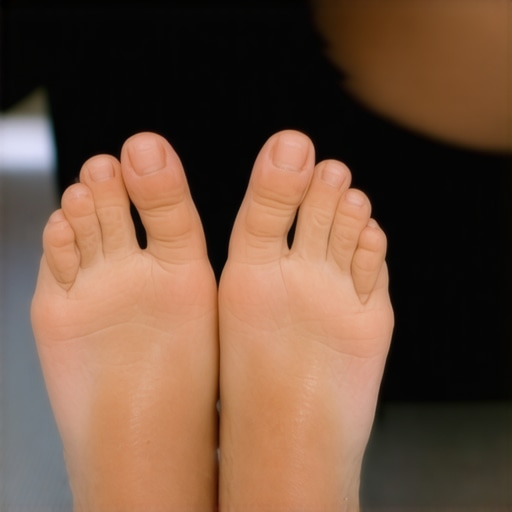 Many assume that stiffness and pain are purely mechanical issues caused by injury or aging, but often, misconceptions cloud our understanding of what truly impairs mobility and causes conditions like back pain, sciatica, or neck discomfort. A common myth is that stretching alone can solve these problems. While flexibility is important, overemphasizing stretching without addressing underlying movement patterns or joint health can do more harm than good. For instance, forcing a stretch into a stiff hamstring might temporarily relieve tension but can also overstretch fragile tissues, worsening symptoms over time. Recognizing the importance of joint stability and muscular balance is crucial; it’s not just about loosening tight muscles but ensuring your muscles work harmoniously to support your joints. In my experience, many people overlook how the complex interplay of fascial restrictions, neural tension, and movement habits sustain chronic pain. For example, focusing solely on the site of pain (like the lower back) often neglects contributing factors such as hip mobility or foot alignment. Advanced practitioners understand that addressing these nuances—like integrating nerve gliding exercises or improving proprioception—can significantly expedite recovery. The trap here is believing that cause-and-effect are straightforward; in reality, pain and stiffness are the result of interconnected systems failing to communicate properly. According to expert Dr. Kelly Starrett, improving mobility involves more than stretching; it requires restoring optimal movement patterns and joint health through smart, targeted exercises. If you want to dig deeper, explore detailed routines such as these strategies for back mobility or learn how neural tension affects sciatica. Remember, tackling these conditions demands a nuanced approach—one that considers the entire kinetic chain. Have you ever fallen into this trap? Let me know in the comments.
Keep It Working with the Right Tools
Maintaining mobility and managing pain over the long term requires more than just awareness; it demands reliable tools and routines that support your progress. Personally, I’ve found that investing in specific equipment and adopting targeted methods has made the difference between temporary relief and lasting improvement. One of my go-to tools is a high-quality foam roller, like the TriggerPoint GRID Foam Roller. I incorporate it into my daily routine to release fascia restrictions, especially in my lower back and hips, which are common friction points that undermine mobility. Unlike cheap foam rollers, this model offers targeted firmness with multi-density surface areas, allowing precise control over tight muscles.
Another indispensable device is a set of resistance bands, particularly loop bands. I use these for active mobility exercises that strengthen muscles supporting the spine, which is vital for conditions like sciatica. These bands enable me to perform controlled strengthening routines anywhere—be it at home or during travel. I also recommend a massage ball, such as the Massage Point Balls, for targeted trigger point therapy on stubborn knots that aggravate back and neck pain. My experience shows that regular self-myofascial release reduces neural tension and enhances circulation, speeding up recovery from stiffness.
When it comes to software, I rely on mobility apps like Mobility Mastery. These apps offer guided routines tailored to specific issues like neck stiffness or post-sitting tightness, providing structure and accountability. Coupling physical tools with digital guidance keeps me consistent and engaged, preventing setbacks from neglect and ensuring sustainable progress.
A trend I see growing is smart device integration, where wearable tech tracks your movement patterns, posture, and activity levels. Future developments might include real-time feedback systems that alert you when your ergonomics need adjustment, or vibration-based therapy devices that loosen tight muscles instantly. As technology advances, these innovations will become standard in personal pain management, making routine maintenance more effective and accessible.
How do I keep my mobility routines effective long-term?
The key is consistency and smart adaptation. As your body evolves, so should your tools and techniques. For example, upgrading to a more advanced foam roller with integrated vibration or trying new resistance bands of different resistance levels can keep your exercises challenging and effective. Regularly revisiting your routine, exploring new devices, and consulting expert advice ensures you stay ahead of stiffness and pain. Remember, tools like targeted foam rollers or resistance bands aren’t just gadgets; they are extensions of your commitment to lifelong mobility. If persistent symptoms like neck or back pain continue despite routine efforts, it’s wise to explore specialized techniques like these proven solutions for targeted relief. Don’t hesitate to try one of these advanced strategies today—your body will thank you for it.
Over the years, my journey into understanding mobility unraveled some surprising truths that I wish I had known from the start. One of the most eye-opening lessons was realizing how interconnected our body’s systems truly are; focusing solely on one area, like stretching the hamstring, rarely addresses the root cause of back or neck pain. Instead, I learned that a holistic approach—considering foot mobility, joint health, and neural tension—yields real results. Additionally, I discovered that patience and consistency trump quick fixes, and integrating small routines into daily life can build resilience that lasts. Embracing this mindset transformed my approach from reactive to proactive, empowering me to maintain mobility well into the future.
The Unspoken Lessons That Changed How I Move
- Prioritizing the Feet: I underestimated how much foot health impacts overall posture. Strengthening and mobilizing the feet created ripple effects up my kinetic chain, easing back and neck stiffness.
- Myth Busting About Stretching: Not all stretches are beneficial—some can overstretch fragile tissues. Learning when and how to stretch safely made a huge difference in my recovery.
- Neural Tension Matters: Addressing nerve mobility, especially in sciatica, proved essential. Simple nerve glides, done consistently, alleviated shooting pains I thought were inevitable.
- Consistent Small Habits: Two-minute drills each morning can keep stiffness at bay, proving that small choices accumulate into lasting health benefits.
- Tools and Tech Make a Difference: Investing in quality foam rollers and resistance bands personalized my routine and accelerated progress. Their role is often underestimated but cannot be overstated.
A Toolkit for Lasting Mobility Success
In my quest for pain relief and improved movement, certain resources consistently proved invaluable. For holistic routines that integrate foot and joint health, I trust these effective exercises. To deepen my understanding of spinal health, I recommend this comprehensive guide. For targeted neck and shoulder release, these strategies have significantly improved my daily comfort. Each resource stems from expert advice and my personal experience, making them trustworthy companions on my journey.
It’s Your Move to Better Mobility
Taking action today can set the stage for a future where pain doesn’t dictate your life. Remember, small, deliberate efforts—like incorporating foot rolls, ankle circles, and mindful stretches—can lead to profound change. You have the power to rewrite how movement feels in your body. The key is consistency and embracing a comprehensive view of mobility, respecting how everything connects. Don’t wait for pain to worsen; start with one simple routine and watch how your body responds. Your journey toward lasting freedom from stiffness and discomfort begins now.
What’s one small change you’re willing to try today to enhance your mobility? Let me know below!
,