
How to fix a pinched nerve in your shoulder at home
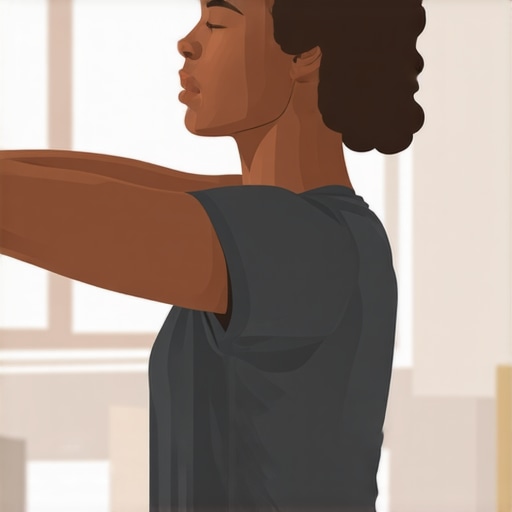
It was a morning just like any other when I reached for my coffee, only to be halted by a sudden, sharp sting shooting down my shoulder. The kind that makes you freeze mid-reach, questioning whether this pain is temporary or something more serious. That lightbulb moment—realizing I couldn’t go on living with this nagging discomfort—propelled me into a journey of self-discovery and healing. If you’ve ever experienced that fiery, stabbing sensation in your shoulder, you know exactly what I mean.
Why Shoulder Pain Can Take Over Your Life—and Why Fixing It at Home Matters
Dealing with a pinched nerve in your shoulder isn’t just about avoiding pain; it’s about reclaiming your everyday mobility and comfort. Many folks brush off shoulder discomfort, thinking it’s just a sign of fatigue or bad posture, but neglected nerve impingements can lead to chronic issues, even affecting your arm strength and daily tasks.
Early in my own struggles, I made the mistake of ignoring subtle warning signs, which only worsened my condition. That misstep taught me how crucial it is to identify and address nerve issues promptly. Fortunately, I discovered that many pinched nerves can be eased at home with the right techniques—no expensive therapies required. If you’re tired of living with persistent shoulder discomfort or fear that rest alone won’t fix this, you’re in the right place.
For a more in-depth understanding of nerve relocation and relief strategies, check out [this guide on unlocking sciatic relief](https://bodyrenewtherapy.com/unlocking-sciatica-relief-expert-strategies-for-lasting-comfort). But before jumping into solutions, let me share a common question I hear from many struggling with this very problem—”Is fixing a pinched nerve in my shoulder at home actually possible?” Believe me, with patience and proper techniques, you can make a significant difference.
Let’s explore how to approach this challenge safely and effectively, starting with understanding the root causes of shoulder pinched nerves and then moving into practical, doable remedies that I personally vouch for.
Targeted Stretching to Ease Nerve Compression
Start with gentle neck and shoulder stretches, such as the doorway stretch, which helps open up the chest and reduce tension around the nerves. I recall incorporating this stretch after a long day of desk work, and noticing immediate relief in my shoulder pressure. To perform, stand in a doorway, place your arms on the frame, and gently lean forward to stretch the chest. Avoid overstretching to prevent further irritation.
Implement Mobility Drills to Restore Movement
Engage in daily mobility exercises like scapular retractions—sit or stand with your back straight and squeeze your shoulder blades together, holding for a few seconds before releasing. I added this to my routine after realizing that poor scapular mobility worsened my discomfort. Consistency is key—perform 10 repetitions several times a day to see tangible improvements.
Practice Nerve Gliding Exercises for Relief
Nerve gliding techniques gently mobilize the nerve, reducing adhesion and compression. An example is the median nerve glide, which involves extending your arm and moving your wrist and fingers while maintaining shoulder position. I experimented with these exercises during a particularly painful week and found that daily practice significantly lessened my symptoms. Be cautious to avoid any movements that cause pain beyond mild discomfort.
Adjust Your Posture and Ergonomics
Ensure your workspace supports proper alignment—use an ergonomic chair, keep your monitor at eye level, and hold your phone at eye height to prevent forward head posture. I once lowered my laptop screen and adjusted my chair, which immediately alleviated some shoulder tension. Small changes like these can prevent further nerve irritation and promote better healing.
Apply Cold and Heat Therapy Strategically
Use ice packs for 15-20 minutes to reduce inflammation in the initial stages, then switch to heat before activity to relax muscles. I kept a cold pack handy and experienced quicker relief after applying it during flare-ups. Remember, never apply ice directly to skin—wrap it in a cloth to avoid frostbite.
Build Core Strength to Support Your Shoulders
A strong core stabilizes your spine and reduces undue stress on shoulder nerves. Exercises like planks and dead bugs can be effective. I incorporated core work into my routine gradually; over time, I noticed less shoulder strain during daily activities. Proper core engagement is essential—avoid holding your breath or overextending your back.
Tackle Underlying Causes to Prevent Recurrent Pain
Assess and improve habits contributing to nerve compression, such as prolonged sitting or carrying heavy bags. Replace your regular bag with a backpack that distributes weight evenly. I made this switch after noticing my shoulder pain worsened with a heavy purse, and the improvement was remarkable. Regularly review your posture and make ergonomic adjustments to maintain long-term relief.
 Many people believe that back, neck pain, and issues like sciatica are straightforward problems best solved with quick fixes or generic stretches. However, as an expert in this field, I can tell you that this mindset often leads many into misconceptions and common pitfalls. One widespread myth is that pain always stems from structural damage that requires invasive intervention. In reality, poor movement patterns, muscle imbalances, and nerve misalignments often play more significant roles than most realize, underscoring the importance of addressing functional issues rather than just symptoms. Moreover, a frequent mistake is assuming that stretching is universally beneficial. While flexibility work is valuable, overdoing it or applying the wrong stretches can exacerbate inflammation—especially if the pain is nerve-related, such as with sciatica, where nerve gliding exercises are more appropriate than conventional static stretches. This nuanced understanding is critical for long-term relief. Additionally, many overlook the importance of lifestyle modifications. Small daily habits like prolonged sitting, improper ergonomics, or carrying loads unevenly significantly contribute to nerve impingements and joint stress, yet they are often dismissed as insignificant. Recognizing and correcting these habits can prevent recurrent pain episodes. What’s more advanced is appreciating the complex interplay between posture, movement patterns, and neural health. For instance, improper cervical positioning can not only cause neck pain but also trigger referred pain into the arms and shoulders, complicating diagnosis and treatment. Consulting resources like this guide on sciatic relief can illuminate effective strategies that go beyond generic advice. Beware of falling into the trap of oversimplification—pain is rarely just a structural issue; often, it reflects a dysfunctional system that needs a comprehensive approach. Repetitive misalignments reinforce bad habits, leading to chronic conditions if uncorrected. Have you ever fallen into this trap? Let me know in the comments. Prioritizing functional movement, correcting posture, and understanding the true causes of pain can make all the difference in your recovery journey.Maintaining your back, neck, and overall mobility requires more than just quick fixes; it demands the right tools and consistent habits. Over the years, I’ve found that investing in quality equipment and using specialized techniques can dramatically enhance your progress and prevent setbacks. One essential tool I personally rely on is a foam roller, specifically the larger, dense types designed for deep tissue work. Using a foam roller correctly, like the one explained in [this guide](https://bodyrenewtherapy.com/the-deep-core-secret-to-ending-chronic-recurrent-back-pain), helps release muscle tension and improve tissue elasticity, which is crucial for long-term relief from sciatica and other nerve impingements.
The Hardest Lesson I Learned About back pain,neck pain,mobility,sciatica
The most profound lesson I uncovered was that quick fixes rarely lead to long-term relief. Patience and consistent effort, combined with a deep understanding of my own movement patterns, proved essential in overcoming persistent pain. I realized that addressing root causes—posture, muscle imbalances, and nerve health—was more effective than temporary band-aids.
3 Myths About back pain,neck pain,mobility,sciatica That Held Me Back
One false belief was that stretching alone could fix all my issues. In reality, overstretching or improper techniques could worsen nerve irritation. Another misconception was that rest always aids recovery—I learned that controlled movement and specific exercises accelerate healing. Lastly, I thought surgery was the only definitive solution—yet, many problems respond well to targeted home therapies and lifestyle adjustments.
What Experts Won’t Tell You About back pain,neck pain,mobility,sciatica
Many professionals overlook the significance of daily habits that contribute to nerve compression. Small shifts—like ergonomic tweaks and mindful movement—play a massive role in prevention. Additionally, understanding that pain often results from dysfunctional movement patterns rather than structural damage allowed me to focus on active solutions, such as nerve gliding and mobility drills, instead of passive treatments.
Curated Resources to Deepen Your Healing Journey
For a comprehensive approach, I recommend exploring this expert guide on sciatic relief, which delves into effective techniques beyond generic stretching. Lifestyle changes that make a real difference have transformed my recovery, emphasizing sustainable habits. To understand the importance of movement, daily mobility tips became a cornerstone of my routine. Lastly, if you’re interested in practical tools, a quality foam roller (see this guide) has been invaluable in my journey toward long-term relief.
Your Next Step Toward Freedom from Pain
Healing is a personal journey that rewards persistence and patience. By decoding the myths and embracing effective, targeted strategies, you set yourself on a path to more vibrant movement and less discomfort. Remember, your body responds beautifully to consistent care and mindful habits. Take that first step today—your future self will thank you.