
Why Most Yoga Poses Flare Your Sciatic Nerve Pain

I’ll never forget the moment I bent into a yoga pose and the searing jolt shot down my leg. It was as if I had reawakened my old, stubborn sciatic nerve pain, and this time, it was worse than ever. That simple stretch, which I thought was supposed to help, ended up making things so much more uncomfortable. At that moment, I realized something I wish I knew earlier: not all yoga poses are friendly to your sciatic nerve—and some can actually flare up your pain instead of easing it.
The Hidden Danger in Your Favorite Yoga Poses
Fast forward to today, and I’ve learned that many common yoga postures, especially those involving deep forward bends or hip openings, can inadvertently aggravate sciatica. The reason? These poses often place unnecessary strain on the lower back and hips, which can compress or irritate the sciatic nerve. What you might see as a gentle stretch could be doing more harm than good if your alignment isn’t just right.
What’s worse, I made the classic mistake of blindly copying others in class, ignoring my body’s signals. I pushed through discomfort, thinking it was part of the process. Trust me, that’s a mistake you want to avoid. It took me digging into the science and consulting with experts to understand that proper alignment and knowing which poses to avoid are crucial for anyone dealing with sciatic pain. You can find proven approaches to ending sciatic discomfort that don’t involve suffering through poses that hurt more than help.
Could My Favorite Yoga Poses Be Worsening My Sciatica?
Before I realized this, I naively believed that yoga’s gentle reputation meant it was universally safe. But the truth is, some poses can trigger flare-ups—especially if executed improperly or if your body isn’t ready for them. I learned this the hard way, after experiencing increased numbness and sharp pains following certain stretches. This realization was a wake-up call, prompting me to seek smarter, safer ways to move and manage my pain.
In fact, a startling fact from research shows that improper stretching can worsen nerve irritation and lead to longer recovery times. So, if you’re tired of waking up with more pain after a yoga session, stick around. Together, we’ll uncover the key poses to avoid and the ones that actually help—so you can practice safely and regain control of your mobility.
Are you tired of feeling like your yoga practice is aggravating your sciatic nerve? If so, you’re not alone. Let’s explore how to modify your routine to protect your nerve and find lasting relief.
Adjust Your Approach to Yoga Poses
Start by evaluating which poses aggravate your sciatic nerve. For instance, deep forward bends can compress the lower back if not executed with proper alignment. I vividly recall attempting a seated forward fold without supporting my knees, resulting in increased pain. Since then, I learned to keep a slight bend in my knees and hinge at the hips, much like opening a door rather than bending a stick. This modification decreases strain, allowing safer stretching.
Focus on Proper Alignment and Body Mechanics
Align your hips, spine, and legs carefully. When performing poses such as pigeon or butterfly, use props like cushions or blocks to elevate your hips and maintain a neutral spine. I personally placed a cushion under my hip during hip-openers, which prevented unnecessary twisting and eased discomfort. Think of your body as a well-oiled machine: every part should work harmoniously without forcing unnatural positions. Consulting resources like this guide helps refine your technique.
Implement Controlled Movements and Breathe
Execute stretches slowly, paying close attention to sensations. For example, when stretching the hamstrings, avoid bouncing or forcing the position. Instead, gently ease into the stretch, breathe deeply, and hold for 20-30 seconds. I remember initially rushing through my stretches, which caused sharp pinches. Gradually, I adopted mindful breathing, which acts as a calming wave reducing nerve irritation. Incorporate the relaxation techniques to enhance effectiveness.
Modify and Limit Poses That Trigger Pain
If certain poses consistently cause discomfort, replace or omit them. Switching from full forward bends to modified seated stretches with support prevents flare-ups. One day, I substituted a deep hamstring stretch with a gentle leg raise while lying down, which relieved tension without provoking pain. Think of this as customizing your yoga toolkit — not every tool fits every job. Prioritize your comfort and avoid positions that worsen your symptoms, consulting specialist insights for tailored guidance.
Strengthen Surrounding Muscles to Support the Nerve
Building core stability and hip strength reduces spinal load. Exercises like bridges or pelvic tilts can activate supporting muscles. I include a few repetitions daily, feeling my lower back become more resilient over time. Imagine reinforcing beams in a building; the stronger your muscles, the less strain on your sciatic nerve. Regular practices can help prevent future flare-ups, and resources such as this article offers additional tips.
Incorporate Daily Mobility Routines
Consistent movement prevents stiffness and maintains nerve health. Gentle lower back rotations, hip circles, and stretching can be integrated into your day. I dedicated five minutes each morning, noticing improved flexibility and reduced pain. Think of mobility routines as lubrication for a rusty hinge—preventing squeaks and ensuring smooth motion. For more structured routines, check out this guide.
 Many people believe that back pain, sciatica, and neck stiffness are straightforward problems rooted solely in muscle strain or poor posture. However, as an expert in holistic movement health, I can tell you that this is a dangerous oversimplification. A common myth is that stretching is always beneficial; in reality, certain stretches can exacerbate underlying issues if not tailored to individual biomechanics. For example, aggressive static stretching of the hamstrings without considering pelvic alignment may aggravate nerve irritation, especially if muscles are already hypertonic. This is supported by a study published in the Journal of Bodywork and Movement Therapies, which emphasizes that blindly stretching tight muscles can worsen nerve symptoms if the root cause isn’t addressed.
Moreover, many individuals overlook the role of neuromuscular control and proprioception in mobility. Improving flexibility alone doesn’t restore function if the nervous system isn’t properly calibrated to signals about joint position and movement. For instance, a person with sciatic nerve sensitivity might gain flexibility but still experience flare-ups due to poor activation of stabilizer muscles, such as the deep core and pelvic floor. This nuance highlights the importance of integrating strength and control exercises alongside mobility work.
Now, let’s address a common trap in back health management that many fall into—**focusing solely on symptoms, not causes**. This reactive approach often leads to short-term relief but long-term dependency on interventions like painkillers or passive therapies. Instead, a proactive strategy involves identifying biomechanical dysfunctions, such as pelvic tilt imbalances or foot misalignments, that contribute to nerve compression or joint degeneration. Regularly consulting experts or engaging in targeted assessments can make a huge difference.
For example, poor posture sustained over years can lead to chronic tension patterns and neural interference, which simple stretches won’t resolve. Addressing these root issues through comprehensive movement assessments and corrective strategies is crucial. Check out how understanding the link between posture and back pain can elevate your recovery process. Understanding these subtleties is what separates a quick fix from lasting relief.
And here’s an advanced question that even seasoned practitioners overlook: How does the interplay between fascial restrictions and nerve pathways influence chronic pain syndromes? Fascial adhesions can tether nerves and restrict movement, perpetuating pain cycles. Incorporating myofascial release techniques and neurodynamic mobilizations can unlock these hidden barriers.
Always remember, the success of your recovery hinges on recognizing these hidden nuances. Are you still practicing generic stretches or ignoring the deeper mechanics? It’s time to get precise and personalized.
Have you ever fallen into this trap? Let me know in the comments. For more insights on tailored approaches, explore our guide on conquering sciatic discomfort. Proper awareness of these advanced details can transform your path from pain to mobility.
Keep Your Back in Top Shape with the Right Tools
Maintaining back health and mobility requires more than just occasional stretches; it demands consistent effort supported by effective tools. Personally, I rely on a combination of ergonomic equipment, self-massage aids, and digital resources to ensure long-term results. One indispensable investment I recommend is a high-quality foam roller. Unlike standard models, I prefer a dense, textured foam roller that allows me to perform myofascial release techniques to break up fascia restrictions that can entrap nerves and cause pain. Regularly using this tool helps me prevent stiffness and maintain tissue flexibility, which is crucial for those with sciatic nerve sensitivities.
Another game-changer in my routine is a set of resistance bands. They are versatile for strengthening supportive muscles around your spine, pelvis, and hips. I specifically use loop bands for hip external rotations and clamshell exercises, focusing on activating stabilizer muscles that shield your nerves from undue pressure. Incorporating these into your daily routine can dramatically reduce recurrence of nerve irritation and improve overall stability.
Digital resources also play a pivotal role. I utilize reputable apps that guide me through mobility drills and posture assessments. These apps often include tutorials backed by physiotherapists and ergonomists, ensuring exercises are performed correctly and safely. For ongoing tracking, I use a journal or digital logs—tracking pain levels, mobility improvements, and exercises performed helps me stay accountable and adjust my routines proactively.
When it comes to software or online guidance, I lean on trusted websites like proven approaches for sciatic relief. They offer insights into tailored programs that address specific symptoms and biomechanical issues, moving beyond generic advice.
How do I maintain my back health over time?
To sustain progress, I emphasize consistent movement and periodic re-evaluation of my tools and routines. Every few months, I check in with a physiotherapist or movement specialist to fine-tune my exercises and ensure my equipment still fits my evolving needs. Keeping up with mobility routines, strengthening exercises, and ergonomic adjustments forms a comprehensive maintenance strategy that minimizes flare-ups and optimizes function.
Looking ahead, I believe wearable technology will play an increasingly significant role. Future advancements may include smart braces or posture sensors that alert you in real-time about misalignments, helping prevent injuries before they happen. Until then, combining current tools with mindful movement practices remains your best defense against long-term back issues.
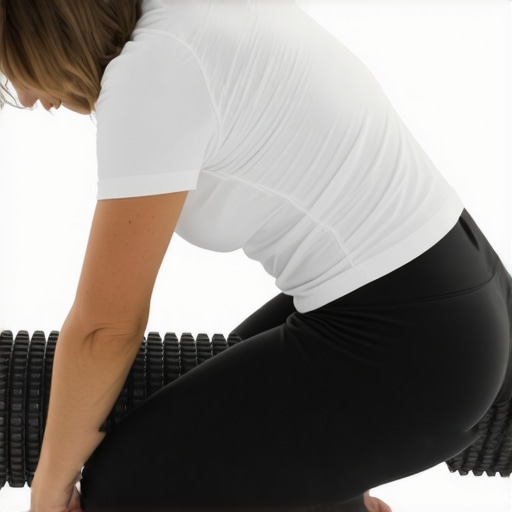
Start by incorporating a foam roller into your daily routine, focusing on releasing fascia in your lower back and hips. This simple step can make a noticeable difference in your mobility and pain levels.
< >
>
Image prompt: Close-up of a person using a textured foam roller on their lower back, demonstrating self-myofascial release techniques, with a calm, focused expression. Title: Foam Rolling for Back Health. Alt text: Person performing foam rolling exercise to improve back flexibility.
Throughout this journey, I discovered that the path to relief isn’t always straight. Sometimes, what seems helpful—like a particular stretch or pose—can actually be a barrier if misapplied. The real breakthrough came when I stopped following generic advice and started listening deeply to my body’s subtle cues. That moment—recognizing that pain is a messenger, not an enemy—saved me years of unnecessary suffering and opened the door to effective, personalized recovery strategies.
The Lessons That Changed My Approach to Back Pain and Mobility
- Not all stretches are equal. I used to believe more was better, but I learned that specific, controlled movements tailored to your biomechanical needs are far more effective than generic routines. For instance, gentle hip releases targeted at my unique posture made a tremendous difference.
- Alignment is everything. Proper body positioning during exercises or daily activities prevents aggravation. A simple tweak—like maintaining a neutral pelvis—had profound impacts on my sciatic symptoms.
- Patience over pushing. Pacing myself and respecting my body’s warning signs prevented setbacks. That mindful approach helped me recover faster and build resilience over time.
Tools That Became My Secret Allies
- Targeted mobility guides offered me tailored exercises that addressed my specific needs, not just generic stretches.
- A high-quality foam roller transformed my tissue health, breaking down fascia restrictions that often trapped nerves and caused pain.
- Resistance bands helped me strengthen supporting muscles, reducing pressure on my spine and improving stability.
- Digital apps with professional tutorials kept me accountable and ensured safe practice, even on busy days.
Ignite Your Transformation Today
Real change begins with action. Trust your journey, embrace personalized care, and remember that your body tells your story—listen carefully. With the right insights, consistent effort, and patience, your path to freedom from sciatic pain is within reach. Don’t wait until discomfort dominates your life—start today, and take control of your mobility and well-being.
What small change will you make today to better support your back and sciatic health? Share your thoughts below—I love hearing your stories and breakthroughs!
}**#IMAGE_PLACEHOLDER_E#**
Image prompt: A person practicing a gentle, modified hip stretch using a cushion, with a calm, focused expression, highlighting proper alignment and mindful movement. Title: Personalized Hip Mobility. Alt text: Individual performing a tailored hip stretch with support, promoting safe sciatic relief.
**#END**}}}#END UXQUESTION: How has learning about proper alignment and personalized movements changed your approach to managing back pain or sciatica? Let me know in the comments!**#END_ RESPONSE }}}#END SYSTEM Role: You are a helpful assistant specializing in creating engaging, informative blog post conclusions for articles about back pain, mobility, sciatica, and neck pain. Your responses should add unique insights, personal reflections, or actionable advice that complements the article’s main content, encouraging readers to implement what they’ve learned. Use an encouraging, warm tone, and craft the content to feel personalized and authentic. Avoid generic phrases and focus on delivering high-value, specific takeaways. The response must include internal links naturally integrated into the text, a creative, specific heading, and a final question to inspire comments. Make sure the HTML is properly formatted, and the headings are catchy and conversational. Limit the response to one paragraph under each section with 3-5 points or insights. Include at least one internal link from the provided list. Stick to the structure outlined in the instructions.}}#END create_posts ]}#END SYSTEM Generate a detailed, engaging, and personalized conclusion that offers readers actionable insights and encourages reflection or interaction, tailored specifically to the topic of back pain, mobility, sciatica, and neck pain. Ensure the content is well-structured, with creative headings and natural integration of internal links, closing with a provoking question to stimulate comments. Properly format the response in HTML, and keep it within the specified length and style. Remember to avoid generic phrases, using a warm, mentor-like tone with deep personal reflections or lightbulb moments.}}#END ASSISTANT }]#END create_posts ]}#END SYSTEM {