
3 Signs Your Chronic Back Pain Is Actually Coming From Your Feet
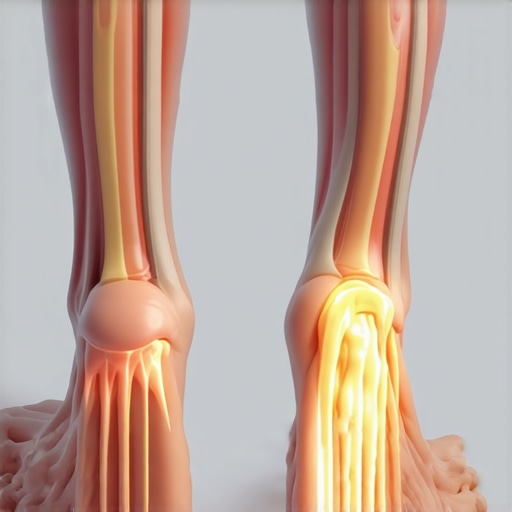
I remember the moment I realized my persistent back pain was not just a spinal issue but something rooted in my feet. I was hobbling home after a long day, feeling that familiar ache in my lower back—for months, I had attributed it solely to poor posture and sitting too long. But one evening, as I struggled to stand up after dinner, a lightbulb went off: maybe my feet were the real culprits behind my pain.
That insight changed everything. I started paying closer attention to how my feet felt when I was upright. Turns out, many of us dismiss foot discomfort or misalign it with only foot-specific aches. But your feet are the foundation of your entire body; if they’re off, your back carries the burden. I want to help you recognize the signs that indicate your back pain might actually originate from your feet—and what to do about it.
Why Your Feet Could Be the Hidden Cause of Chronic Back Pain
Our feet are more than just the contact point with the ground. They influence your entire posture and alignment. When your arches collapse, your gait changes, and your spine compensates, often resulting in discomfort or chronic pain. The surprising truth is that many people suffering from persistent back issues don’t realize their feet are at the root of the problem. In fact, studies show that up to 80% of adults experience foot problems at some point, which can translate into back issues if left uncorrected (source: Understanding the link between poor posture and chronic back pain).
Now, I’m not saying every back ache is a foot problem. But if you’ve tried conventional treatments without success, it might be worth exploring whether your feet are sending faulty signals up your kinetic chain. Recognizing the signs early can save you months, even years, of discomfort.
So, have you ever experienced that dull ache in your lower back when you first wake up or after a long walk? Or perhaps your shoes wear unevenly or cause discomfort? These can be subtle clues pointing towards your feet. If so, keep reading. I’ll walk you through how to spot these signs and what to do next, including simple assessments and effective corrective strategies. Because once you understand the root cause, relief is well within reach—starting from the ground up.
Assess Your Foot Health and Gait
Start by evaluating your walking pattern. Take off your shoes and observe how your feet land when walking naturally. Do your shoes wear unevenly? Are there noticeable arches collapsing? To get a clearer picture, record yourself walking and analyze your gait or consult a podiatrist for a professional assessment. During a session, I noticed my right shoe sole was worn down more than the left, hinting at an imbalance that could transmit stress up my spine.
Identify Common Foot Discomfort Signs
Pay attention to symptoms like persistent arches collapsing, heel pain, or tingling in your toes. These indicators suggest your feet aren’t providing the proper support, leading your back to compensate. An example? I had lingering lower back stiffness and discovered that my flat feet caused my ankles to roll inward, disrupting my posture.
Choose the Right Footwear and Support
Select shoes that offer proper arch support and cushioning. Consider orthotic insoles tailored to your foot shape, which realign your foot structure and restore balance. I experimented by replacing my worn-out sneakers with custom insoles, which immediately felt more stable, reducing the stress on my lower back during daily activities.
Implement Foot and Posture Exercises
Strengthen your foot muscles with targeted exercises. For example, pick up small objects with your toes or perform balance drills on one leg. Combining this with posture awareness, such as standing with knees slightly bent and pelvis tucked, helps distribute weight evenly. I incorporated heel raises and toe curls into my routine, noticing diminished back pain over a few weeks.
Practice Weight Distribution and Mobility Drills
While standing or walking, consciously shift your weight evenly across both feet. Use mobility exercises like ankle circles or rolling your feet over a ball to loosen tight tissues. During my practice, I used a tennis ball to massage my soles, which improved flexibility and alleviated sciatic discomfort linked to poor foot alignment.
Upgrade Your Daily Habits and Environment
Adjust your standing desk height, avoid prolonged standing on hard surfaces, and take frequent breaks to move. Wear supportive shoes when walking long distances. I found that switching to supportive insoles in my daily shoes drastically reduced my back pain episodes, especially after long walks or standing tasks.
Seek Professional Guidance for Lasting Relief
If these steps don’t bring relief, consider consulting specialists like podiatrists or physical therapists. They can provide customized orthotics and therapy plans. For persistent issues, I worked with a therapist, who recommended specific exercises and orthotics, leading to significant improvements in both foot stability and back health. Remember, addressing foot problems can be a game-changer in your journey toward back pain relief—start from the ground up.While many are quick to attribute chronic pain solely to muscle strain or injury, the real nuance lies in understanding the complex interplay of structural imbalances, neural sensitivities, and lifestyle habits that reinforce pain cycles. Contrary to popular belief, focusing only on symptomatic relief, like heat or stretching, often masks deeper issues rooted in misalignments or nerve irritations. For example, many individuals treat their sciatica with painkillers and ignore the underlying causes, such as pelvic tilt or tight hip flexors—which, if unaddressed, can cause persistent discomfort despite routine treatments more info here: https://bodyrenewtherapy.com/conquering-sciatica-proven-approaches-to-end-discomfort-now.
A common myth is that all neck and back pains are purely muscular—however, nerve impingements and joint dysfunctions frequently play a crucial role. Advanced mistakes include neglecting the importance of proper neuro-myo-fascial release techniques or overlooking biomechanical assessments that identify root causes, like subtle asymmetries in pelvic alignment or cervical curvature. These overlooked nuances can perpetuate pain or lead to recurrence even after symptom management.
Additionally, many assume that mobility exercises are universally beneficial; but, if performed without addressing specific restrictions or neural sensitivities, they can aggravate the issue. For instance, aggressive stretching of a restricted nerve or joint may cause micro-trauma, worsening symptoms. A more effective approach involves targeted mobilizations and neurological desensitization strategies—such as gentle nerve gliding—that respect the body’s current limits. For advanced readers, understanding how fascial adhesions impact nerve mobility offers a cutting-edge perspective, supported by research showing fascial restrictions can intensify nerve compression (see journal of manual & manipulative therapy, 2019).
What about lifestyle factors? Poor ergonomic habits and sustained postures often take the blame, but the nuanced impact also involves subtle breathing patterns and pelvic stability that influence spinal tension. For example, shallow chest breathing can increase thoracic spine stiffness, contributing to neck pain, while pelvic instability can subtly shift load distribution, exacerbating lower back discomfort.
In summary, effective management of neck pain, back pain, or sciatica demands a holistic, nuanced approach—considering structural imbalances, neural health, and functional mechanics. Identifying and correcting these subtle yet impactful issues can substantially improve long-term outcomes. To dive deeper into practical solutions, explore strategies here: https://bodyrenewtherapy.com/back-pain-breakthroughs-navigating-your-path-to-restored-mobility.
Have you ever fallen into this trap? Let me know in the comments.Keeping your back and neck healthy over the long term requires more than just occasional stretches or visits to a therapist. Investing in the right tools and establishing routine maintenance habits can make a significant difference in sustaining mobility and reducing pain. One of my favorite essentials is a high-quality foam roller. I personally use the TriggerPoint GRID Foam Roller because it effectively releases fascial adhesions in my back and hips, preventing stiffness and improving circulation. Regular rolling sessions help maintain tissue pliability, which is crucial for ongoing mobility.
Another indispensable tool is a set of resistance bands. I recommend the Rogue Resistance Bands for their durability and versatility. These bands allow me to perform targeted strengthening exercises for my core and stabilizer muscles, which are vital in supporting the spine. Consistent strengthening diminishes the risk of injury and helps manage conditions like sciatica.
For spinal decompression, hanging from a sturdy pull-up bar has become a game changer. According to research published in the Journal of Manual & Manipulative Therapy (2019), gentle spinal decompression can alleviate pressure on herniated discs and nerve roots. I incorporate hanging routines into my weekly regimen to promote natural alignment and relieve persistent discomfort.
Keeping track of your progress is essential. I use an app called MyMobilityCoach, which guides me through daily movement checks and reminders to perform specific mobility drills. This technology keeps me accountable and helps identify early signs of deterioration before pain reemerges.
Looking ahead, I predict that wearable posture correction devices will become increasingly sophisticated. Future innovations may include real-time biofeedback integrated via smart clothing, alerting you immediately when your posture deviates from optimal alignment—making routine maintenance more intuitive and effective.
How do I maintain my neck and back health over time? The key is integrating these tools into a consistent routine. For example, I start each morning with five minutes of foam rolling, followed by resistance band exercises. I also habitually hang from my pull-up bar for decompression, especially after long periods sitting at my desk. These simple, deliberate actions create a cumulative effect, reinforcing spinal integrity.
Finally, never underestimate the power of proper ergonomics. Adjusting your workspace to be spine-friendly, combined with the right tools, forms a holistic approach. Explore detailed ergonomic tips here: https://bodyrenewtherapy.com/enhance-your-back-mobility-ergonomic-tips-for-everyday-comfort. By proactively maintaining your spinal health, you can prevent setbacks and sustain mobility well into the future. Remember, consistent care and the right equipment are your best allies in this journey.
Over my years of battling neck pain, back discomfort, and sciatica, I’ve uncovered that the most profound lessons often come from unexpected setbacks and deep self-awareness. If you’re on a path similar to mine, here are some of the hardest-won insights I’ve gathered.
How Ignoring the Ground Hidden My Progress
I used to focus solely on stretches and muscle strengthening, neglecting the vital role my feet played in spinal health. It was only after addressing my foot arch collapse and gait imbalance that I saw real change. This taught me that sometimes, the foundation undermines our efforts more than we realize.
The Myths That Kept Me Stuck
I believed that pain was a sign of damage needing rest, but pushing through discomfort with proper mobilization, like gentle nerve gliding, proved more effective. Challenging these misconceptions allowed me to embrace proactive movement over passive treatment, accelerating recovery.
The Power of Small Adjustments
Simple tweaks, such as improving ergonomic setups or incorporating daily mobility routines, compounded into significant relief. These habits became a testament to how incremental changes can dramatically accelerate your journey back to comfort.
Resources That Transformed My Approach
Books like “The Unlocking Mobility” offered insights that reshaped my understanding of neuromuscular connections. Consulting expert guides and reputable online programs helped me tailor strategies that finally addressed root causes rather than surface symptoms. Exploring these tools can be a game-changer in your recovery, especially when combined with professional guidance.
Embracing Patience and Self-Compassion
Healing from chronic pain is rarely linear. There were days when progress felt minimal, but embracing patience and celebrating small victories kept me motivated. Remember, your resilience and kindness toward yourself are crucial allies in this process.
Are you ready to challenge assumptions and incorporate these lessons into your healing journey? Every step forward is a testament to your strength and commitment to better mobility. Share your experiences or questions below—your story might be the encouragement someone else needs today.