
The Dangerous Truth About Stretching a Pinched Nerve
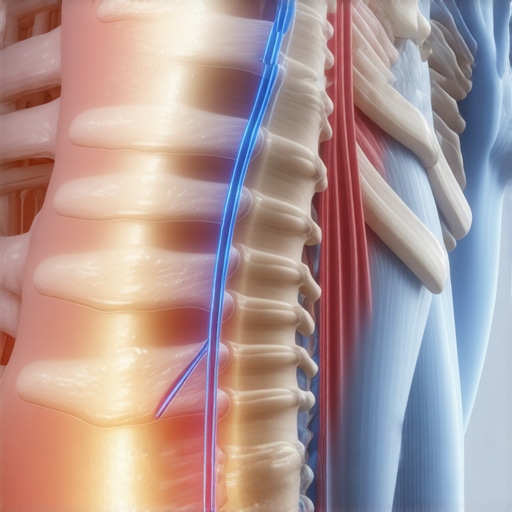
Ever felt that sharp, electric jolt shooting down your leg or a stubborn stiffness in your neck that just won’t let go? I remember the moment I first misunderstood my pinched nerve, thinking that stretching it out was the obvious fix. Spoiler alert: I was wrong—and it could have made things way worse. That realization hit me hard, especially after I learned how some well-meaning stretching routines can actually aggravate a nerve that’s already compressed.
Why You Might Be Doing More Harm Than Good with Stretching
When pain strikes from a pinched nerve, our instinct often nudges us to stretch, hoping to loosen things up. But what if I told you that improper stretching could increase inflammation or even push the nerve further into its compressed state? Early on, I made the mistake of blindly stretching my neck and back, thinking I was helping my body heal. Instead, I was worsening the situation. According to research, incorrect movements during nerve compression can lead to increased pain and longer recovery times (source).
Is Stretching a Pinched Nerve Actually Worth the Hype?
This question haunted me for a while. It seemed so logical—stretch to fix tight muscles, stretch to relieve nerve pressure. But the truth is, not all stretching helps and some can even hinder recovery. For many, the key is understanding the type of nerve issue they face and whether stretching is appropriate or dangerous. I got caught up in the urge to stretch without proper guidance, which prolonged my discomfort. So, before you jump into your next stretch session, consider if it’s truly suited to your condition. Want to learn safer, more effective ways to manage pinched nerves? Check out these expert mobility tips to guide your recovery journey.
In the coming sections, I’ll share practical, proven strategies to ease your pinched nerve without risking more harm. Because the goal isn’t just to stretch—you’d want to restore your mobility safely and effectively.
Start with Gentle Movement to Boost Circulation
In my own experience, moving gently was transformative. I recall a morning when I wobbled to my yoga mat, hesitant about stretching an inflamed neck. Instead of aggressive moves, I focused on slow, controlled neck circles and shoulder rolls. This approach increased blood flow, which helped reduce pain. Think of circulation as a river clearing debris; gentle movement keeps the flow smooth and prevents stagnation. Aim for 5-minute sessions daily, gradually increasing as comfort allows. For more guidance on maintaining spinal health, visit these mobility tips.
Practice Specific Breathing Techniques to Relax Nerve Tissues
Deep diaphragmatic breathing can be a game-changer. I once laid on my back, placing a hand on my stomach, and breathed in slowly through my nose, feeling my belly rise. Exhaling fully, I pictured releasing tension from my nerve pathways. This method reduces internal pressure and calms nerve roots. Consistently doing 3-5 minutes of focused breathing helps diminish pain and stress. Think of your nervous system as a garden; regular watering with breathing techniques nurtures recovery. You might also find additional relief using tools like the 10-second breath trick.
Implement Targeted Strengthening to Support Vulnerable Areas
Weak muscles often exacerbate nerve compression. I incorporated simple exercises targeting my core and upper back, like plank holds and scapular squeezes. For example, I would hold a plank for 20 seconds, then rest, focusing on keeping my spine aligned. Strengthening provides a solid foundation, similar to reinforcing the base of a building to prevent damage. Start with 2 sets of 10 reps, gradually increasing. Proper form is crucial—engage your core, not your neck or shoulders. For tailored programs, consider consulting resources like these exercises.
Use Precise Posture Adjustments During Daily Activities
Correcting everyday habits made a noticeable difference. I noticed when I slouched at my desk, discomfort worsened. I adjusted my chair height so my feet rested flat, and my monitor was eye level. When text messaging, I held my phone at eye level instead of craning my neck down. These small changes are like tuning a musical instrument—they optimize function and prevent strain. Make it a habit to check your posture every 30 minutes, using reminders or ergonomic tools. Learn more about posture correction at these strategies.
Apply Cold and Heat Strategically for Inflammation and Pain
Alternating between cold packs and heat wraps can significantly reduce nerve swelling. I remember applying a cold pack for 15 minutes, then switching to heat for the same duration. Cold constricts blood vessels, reducing inflammation; heat increases blood flow and relaxes muscles. Think of it as toggling between a tight rubber band and a warm blanket. Consistency and timing are key—avoid overdoing it to prevent skin damage. For quick relief tactics, explore these remedies.
Seek Professional Guidance for Personalized Recovery Plans
While self-care is vital, consulting healthcare providers ensures safe progress. I found that working with a physical therapist tailored exercises to my specific nerve issue. They used techniques like nerve flossing—gentle movements that slide the nerve through surrounding tissues. This method is akin to unjamming a tangled wire, restoring smooth movement. Avoid aggressive stretching and always follow professional advice. For more insights into managing back pain effectively, visit these breakthroughs.
While many people believe that stretching or endless exercises are the keys to healing back pain or sciatica, this common misconception often hides a more nuanced reality. One critical mistake is assuming that pain always means a muscle that needs to be loosened; in truth, inflammation and nerve sensitivity can worsen with aggressive stretching, especially if a herniated disc or nerve compression is involved. My own journey taught me that not only can improper movements delay recovery, but they also risk causing further nerve irritation. As Dr. Stuart McGill emphasizes, understanding your specific injury — whether it’s nerve entrapment or muscular strain — allows for tailored interventions rather than generic routines (see his recommendations here). What most people overlook is the body’s complex response — sometimes, rest and gentle mobilization trump aggressive stretches.
Can you truly differentiate between nerve pain and muscular discomfort for effective treatment?
Recognizing the subtle cues of nerve inflammation versus muscular tension isn’t always straightforward. Nerve pain often radiates along specific pathways, feels electric or burning, and worsens with certain movements or positions. Conversely, muscular pain tends to be localized, achy, and responds more predictably to gentle activity. Misinterpreting these signals can lead to unintentional aggravation; for example, performing deep stretches on a nerve-inflamed area might exacerbate swelling. Experts suggest meticulously observing how pain responds to specific movements before pushing forward (learn more about this differentiation).
An often-ignored aspect is the role of inflammation control — cold packs, anti-inflammatory therapies, and posture adjustments often overshadow the more visible symptom-focused treatments. Remember, recovery isn’t solely about movement; it’s about strategic interventions tailored to the underlying condition. Fixed ideas about always ‘pushing through the pain’ can lead to chronic issues, especially if the nervous system becomes sensitized over time.
Are you falling for the myth that pain equals damage that needs to be overcome immediately? Let me know in the comments. For a more comprehensive understanding of safe, effective recovery strategies, explore these expert-backed approaches and avoid common pitfalls that delay healing.
Keeping your recovery gains intact and preventing future flare-ups requires the right tools and consistency. Over the years, I’ve refined my toolkit based on personal experience and expert advice. These items help me sustain mobility, manage pain, and support long-term health.
Smart Posture Monitors and Reminders
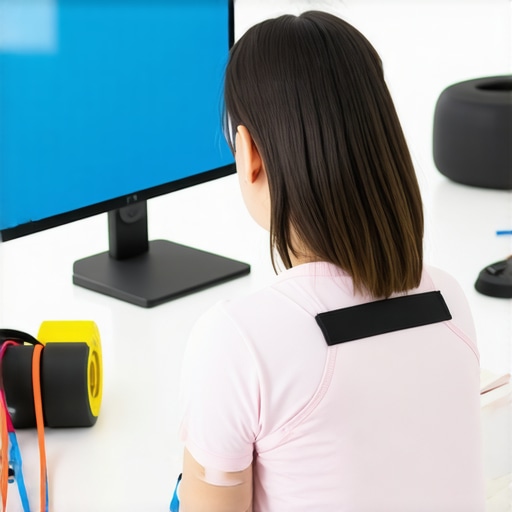
One game-changer has been using wearable posture devices like the posture alert bands. They gently vibrate whenever I slouch or maintain poor alignment during desk work. These prompts have transformed my daily habits, making me constantly aware. As posture issues often stem from habitual misalignment, consistent feedback encourages better ergonomics and reduces strain over time.
Foam Rollers with Specific Density
I prefer a medium-density foam roller for my back and hips. A good roller, like the eco-friendly foam roller, allows me to perform my myofascial release exercises safely. It helps loosen tight muscles, improve circulation, and prevent stiffness. I recommend spending a little extra for a textured roller—this provides better grip and stimulates deeper tissue work without risking injury.
Resistance Bands for Gentle Strengthening
Resistance bands are versatile and gentle on inflamed tissues. I use bands with handles for assisted stretches and light strengthening. For example, targeted shoulder and upper back exercises using bands help reinforce stability around nerves, protecting against re-injury. A quality set of bands ensures consistent tension and durability, making them invaluable for maintaining strength and mobility at home.
Portable Ultrasound and Temperature Devices
While professional-grade ultrasound machines are too costly, portable, handheld devices like the thermal massagers provide soothing heat or cold therapy. I keep one handy for quick relief after prolonged sitting or activity. Regular use of heat can reduce muscle tightness, and cold helps manage inflammation, both essential for long-term care.
Digital Health and Mobility Apps
Staying consistent can be tough, so I rely on apps like Mobility Mastery. These apps offer tailored routines, reminders, and educational content that keep me accountable. They also track progress, helping me notice improvements and adjust routines accordingly. Technology makes maintaining mobility engaging and less burdensome.
What’s Next in Keeping Your Back in Shape?
Emerging trends like AI-driven posture analysis and portable nerve gliding devices hint at even more personalized care in the future. As research evolves—such as Dr. Stuart McGill’s insights into spinal health (see here)—we’ll have access to smarter, more targeted tools designed for long-term wellness.
To start optimizing your maintenance routine today, try integrating a posture monitor or resistance bands into your daily practice. Small, consistent investments in these tools can make a significant difference. Remember, prevention is better than cure, especially when it comes to spinal health. If you’re interested in more comprehensive strategies or personalized advice, don’t hesitate to reach out via our contact page.
The Hidden Truths That Changed My Approach to Back Healing
One of the most profound lessons I learned was that pain isn’t always a cue to push harder — sometimes, it’s a signal to pause and reassess. I used to believe that working through discomfort would make me stronger, but I discovered that listening to my body’s subtle signs was essential for real progress. Recognizing the difference between nerve pain and muscular strain allowed me to tailor my recovery efforts effectively, saving months of frustration and setbacks.
Another insight was how the mind’s stress levels can amplify physical symptoms. Irregular sleep, anxiety, and tension exacerbated my nerve issues, making strategic breathing and relaxation techniques not just optional but vital. This holistic perspective transformed my approach from solely physical adjustments to incorporating mental well-being, which accelerated my healing.
Finally, the importance of patience and consistency emerged as the cornerstone of sustainable recovery. Small daily habits—like mindful posture, gentle movements, and targeted strengthening—produced cumulative gains that no intense, sporadic effort could achieve. It taught me that healing isn’t a sprint but a mindful journey of steady progress and self-awareness.
Tools and Resources That Changed My Path
My essential toolkit includes portable ultrasound devices, ergonomic aids, and resistance bands—each chosen for their ability to support gentle, effective recovery. The book “Back Pain Breakthroughs” provided clarity and practical strategies rooted in science, helping me navigate my symptoms safely. Lastly, I rely on the Mobility Mastery app to keep my routines consistent and personalized—making daily maintenance approachable and motivating.
Your Next Step Towards Pain-Free Living
Remember, recovery is uniquely personal, but the wisdom gained from real stories and tested tools can light the way. Whether you’re just starting or need to recalibrate your approach, embracing gentle movement, mindful breathing, and targeted support can make all the difference. Don’t hesitate to explore these strategies and find what resonates with your body. Your path to lasting mobility and comfort begins today—take that first confident step and trust the process.
What small change are you willing to try today to improve your back health? Share your thoughts below—I’d love to hear your journey!
,