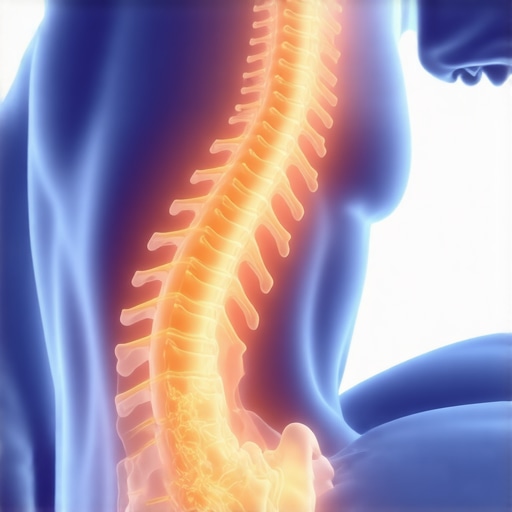
My Journey with Sciatica: A Personal Perspective on Finding Relief
Just a few months ago, I found myself crippled by a sharp, persistent pain shooting down my leg. It was frustrating and frightening, especially since I had no idea how to regain my mobility. Through a combination of research and trial-and-error, I discovered some effective techniques that dramatically improved my condition. Sharing my experience might help others who feel stuck in their own pain journey.
Understanding the Root Cause: Why Sciatica Can Be So Debilitating
As I learned from reputable sources like Body Renew Therapy, sciatic nerve irritation often stems from poor posture, herniated discs, or muscle inflammation. Recognizing the underlying cause was my first step toward targeted relief. I realized that addressing the root rather than just symptoms was key to restoring my mobility quickly.
Simple Yet Powerful Techniques That Made a Difference
One of the most effective strategies I found was gentle stretching exercises, which I incorporated into my daily routine. For instance, doing the simple back mobility exercises significantly alleviated pressure on my sciatic nerve. Additionally, I explored home remedies like hot packs and light massage, which provided immediate relief. These techniques are easy to learn and can be performed at home, making them accessible and practical.
Could Lifestyle Changes Accelerate Recovery?
Absolutely. I found that small lifestyle adjustments, such as maintaining proper posture and avoiding prolonged sitting, accelerated my recovery. I also prioritized ergonomic improvements at my workspace, which I detailed in ergonomic tips for daily comfort. These changes helped prevent further aggravation and kept my spine healthy.
Expert Tips for Lasting Relief and Improved Mobility
From my experience and the insights shared by specialists, combining physical therapy, targeted exercises, and lifestyle adjustments is optimal. I highly recommend consulting a healthcare professional for personalized strategies. For deeper insights, I often refer to authoritative guidance like expert strategies for sciatica relief.
What Are Your Biggest Concerns About Managing Sciatica?
If you’re like I was, feeling overwhelmed by pain and unsure where to start, remember that small, consistent steps can lead to significant improvements. Share your experiences or questions in the comments—I’d love to hear how you’re managing your recovery.
Unlocking Nuanced Approaches: How Can Targeted Exercises Accelerate Sciatica Relief?
While general stretching provides relief, specific exercises tailored to individual nerve and muscle dynamics can dramatically enhance recovery. For example, the core stabilization exercises help support the lumbar spine, reducing nerve compression. Moreover, incorporating movements like the McKenzie method can facilitate disc retraction and nerve decompression, especially when performed under professional supervision. This personalized approach aligns with the latest research emphasizing the importance of tailored interventions for optimal outcomes.
How Do Posture and Ergonomics Play a Critical Role in Long-term Relief?
Maintaining proper posture is not just about comfort but also crucial for preventing nerve irritation. Ergonomic adjustments—such as ergonomic chairs, adjustable desks, and proper lumbar support—can significantly reduce stress on the lower back and sciatic nerve. For a comprehensive guide, explore ergonomic tips for daily comfort. These modifications, although seemingly simple, have profound long-term benefits in sustaining spinal health and mobility.
What Are the Practical Implications of Combining Physical Therapy with Lifestyle Habits?
Integrating physical therapy routines with everyday habits creates a synergy that accelerates healing. Regular activity, combined with mindful movements and ergonomic awareness, can prevent future flare-ups. For instance, avoiding prolonged sitting and incorporating frequent movement breaks, as recommended by health experts, can sustain mobility gains. Additionally, adopting a healthy weight reduces strain on the lumbar region, further alleviating sciatic symptoms. For detailed lifestyle strategies, consider reviewing lifestyle adjustments for sciatica management.
What Is the Role of Holistic and Complementary Therapies in Managing Chronic Back Pain?
Beyond physical exercises, holistic therapies such as acupuncture, massage therapy, and mindfulness practices can complement conventional treatments. These modalities address the emotional and muscular components of chronic pain, promoting relaxation and reducing inflammation. For example, studies have shown that acupuncture can modulate pain pathways, providing significant relief when combined with physical therapy. Exploring these options can provide a more comprehensive approach to regain mobility and comfort, as discussed in authoritative sources like effective back pain relief strategies.
If you’re seeking more insights into personalized recovery plans, I recommend reaching out through our contact page. Sharing your journey or questions might open doors to tailored advice that works for your unique condition. Remember, knowledge, combined with consistent action, is the key to lasting relief and improved mobility.
Embracing the Complexity: My Personal Journey into Nuanced Sciatica Management
As I delved further into the intricacies of sciatica, I realized that my initial approach of simple stretches and lifestyle tweaks was just scratching the surface. Over time, I became more aware of how interconnected our nervous system, muscular health, and even emotional well-being are in managing chronic back pain. This deeper understanding prompted me to explore advanced techniques and holistic strategies that could provide not just temporary relief but sustainable, long-term healing.
Understanding the Nervous System: Why It Matters More Than You Think
One revelation that profoundly impacted my perspective was learning about the role of the autonomic nervous system in pain perception. Stress and anxiety can amplify nerve sensitivity, effectively worsening sciatica symptoms. I found that incorporating mindfulness and breathing exercises—such as diaphragmatic breathing or meditation—helped calm my nervous system, reducing inflammation and nerve irritability. For those interested, authoritative sources like effective back pain relief strategies emphasize this holistic approach.
Why Personalized, Multi-Modal Approaches Are Critical
From my experience and the latest research, I learned that no single technique is a silver bullet. Instead, combining targeted physical therapy—like core stabilization exercises and nerve mobilization—with holistic practices yields the best results. For instance, I integrated gentle yoga, which not only improved flexibility but also fostered mental resilience. This synergy between body and mind aligns with emerging evidence suggesting that addressing emotional stressors can significantly enhance physical recovery. If you’re seeking comprehensive plans, I recommend reviewing customized treatment plans.
Advanced Techniques: When to Seek Professional Guidance and How to Personalize Your Recovery
While self-care is invaluable, I found that consulting specialists—such as physiatrists, physical therapists, or chiropractors—was essential for tailoring my exercises and interventions. Techniques like the McKenzie method or neural gliding exercises, when performed under supervision, can accelerate recovery and prevent setbacks. Personally, I discovered that keeping a detailed pain and activity journal helped identify triggers and measure progress, enabling more precise adjustments to my routine. This personalized approach resonates with the nuanced strategies highlighted in expert guidance for lasting relief.
What Are the Deeper Questions About Long-Term Sciatica Management?
One complex aspect I’ve come to appreciate is the importance of addressing underlying postural and biomechanical imbalances that may predispose one to recurrent flare-ups. For example, subtle asymmetries in pelvis alignment or habitual movement patterns can perpetuate nerve irritation. Incorporating biomechanical assessments and corrective exercises can be transformative. I encourage readers to reflect: Are your daily postures and movements aligned with your body’s optimal functioning? Sharing your insights or questions might inspire others to explore these deeper layers of recovery.
Integrating Mind, Body, and Environment for Holistic Healing
Finally, I’ve come to see that healing from sciatica isn’t solely about physical techniques but also about cultivating a supportive environment—both mentally and physically. Ergonomic workspace adjustments, stress management, and maintaining a positive outlook are all vital. This holistic perspective has helped me sustain mobility gains and foster resilience against future episodes. For detailed ergonomic tips, visit ergonomic strategies for daily comfort.
Remember, each person’s journey is unique, and ongoing learning and adaptation are key. If you’re on a path of recovery, I invite you to share your experiences or questions—sometimes, the most profound insights come from shared stories and collective wisdom. After all, healing is a continuous process of discovery and growth.
Harnessing the Power of Neural Mobilization for Lasting Relief
One of the most sophisticated techniques I embraced was neural mobilization, which focuses on gently gliding the sciatic nerve to reduce adhesions and improve nerve conduction. This method, often overlooked, has yielded remarkable results when performed correctly under the guidance of a skilled physiotherapist. It’s a nuanced approach that targets nerve entrapment at a deeper level, promoting mobility and decreasing pain intensity.
Integrating Biofeedback and Stress Management for Neurological Reset
Understanding the influence of the autonomic nervous system on pain sensitivity led me to explore biofeedback therapy. By learning to consciously regulate my physiological responses, I could attenuate the stress-induced amplification of nerve irritation. Techniques such as diaphragmatic breathing and progressive muscle relaxation, coupled with biofeedback devices, created a feedback loop that fostered neurological calmness, significantly diminishing flare-ups and fostering resilience.
What Are the Latest Advances in Personalized Neurological Rehabilitation?
Recent research underscores the importance of individualized rehabilitation protocols that incorporate advanced diagnostics like EMG and nerve conduction studies. These tools help tailor interventions precisely to the patient’s neuro-muscular profile, ensuring targeted and effective therapy. For instance, integrating virtual reality environments with neurofeedback has opened new horizons in retraining neural pathways, making recovery more engaging and efficient. For those eager to delve deeper, expert strategies for sciatica relief provide comprehensive guidance on personalized approaches.
How Can Holistic Lifestyle Modifications Sustain Neural Health?
Beyond targeted therapies, I found that maintaining a balanced lifestyle—rich in anti-inflammatory foods, adequate hydration, and consistent sleep—supports nerve health at a cellular level. Incorporating regular low-impact aerobic exercise, like swimming or cycling, enhances blood flow and promotes the regeneration of neural tissues. Mindful movement practices such as tai chi and qigong further improve proprioception and muscular coordination, creating a holistic environment conducive to sustained recovery.
Engaging with a Community of Like-Minded Seekers
One of the most enriching aspects of my journey has been connecting with others who share similar challenges. Participating in online forums and support groups has provided invaluable insights, emotional support, and motivation. Sharing detailed experiences about what works and what doesn’t helps build a collective wisdom that accelerates progress. I encourage readers to actively seek out communities or professional networks to deepen their understanding and reinforce their commitment to recovery.
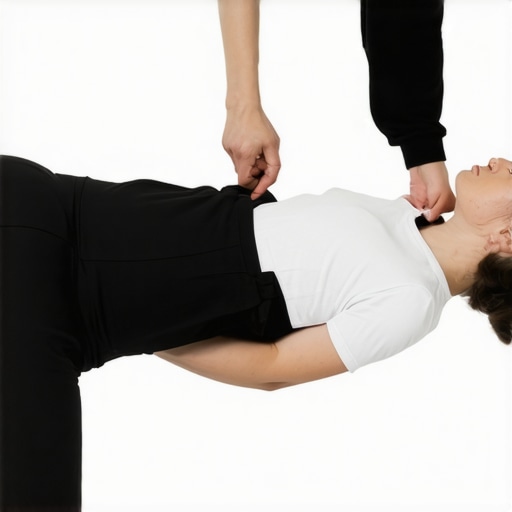
Imagine an advanced neural mobilization session, with a therapist gently guiding a patient through nerve gliding exercises, emphasizing precision and care to restore nerve mobility and reduce pain.
In summary, integrating cutting-edge neuro-rehabilitation techniques with holistic lifestyle modifications has profoundly transformed my management of sciatica. Embracing this multi-layered approach, rooted in both scientific innovation and personal resilience, continues to empower me on my journey toward sustained mobility and well-being. I invite you to explore these advanced strategies and share your experiences—collective learning is the cornerstone of lasting healing.
Things I Wish I Knew Earlier (or You Might Find Surprising)
The Power of Mind-Body Connection
One of the most eye-opening realizations in my journey was understanding how stress and emotional well-being directly influence sciatic pain. Incorporating mindfulness and breathing exercises helped me manage not just physical symptoms but also my mental state, creating a more holistic healing process.
Small Changes Can Have Big Impacts
Adjusting my sitting posture and workspace ergonomics might seem trivial, but these simple tweaks made a noticeable difference in my recovery. It taught me that consistency in small habits often outweighs sporadic intense efforts.
Patience Is a Virtue (Especially with Nerve Healing)
Recovering from sciatic nerve irritation is not linear. I learned to celebrate small victories and not get discouraged by setbacks, realizing that healing takes time and persistent effort.
Holistic Therapies Are Worth Exploring
Beyond exercises and posture, therapies like acupuncture and massage provided additional relief. They helped address muscular tension and promote relaxation, showing me that a multi-faceted approach is often most effective.
The Role of Personalized Strategies
What worked for me may not work for everyone. I found that consulting health professionals for tailored plans and listening to my body’s signals were crucial in crafting an effective recovery routine.
Resources I’ve Come to Trust Over Time
- Body Renew Therapy: Their comprehensive guides on back and neck pain helped me understand the root causes and effective interventions, making complex topics approachable.
- National Institute of Neurological Disorders and Stroke (NINDS): Their research-backed information provided a solid scientific foundation for my understanding of nerve health and recovery strategies.
- Harvard Health Publishing: Offering credible insights into holistic pain management, this resource encouraged me to consider mind-body techniques alongside physical therapy.
Parting Thoughts from My Perspective
My experience with sciatica has taught me that healing is a blend of patience, personalized care, and a willingness to explore different strategies. Embracing a holistic approach—integrating physical exercises, lifestyle changes, and mental health practices—has empowered me to regain mobility and confidence. If you’re navigating your own recovery, remember that your journey is unique, and persistence coupled with curiosity can lead to meaningful progress. I’d love to hear your thoughts or experiences—please feel free to share in the comments or reach out through our contact page. Together, we can learn and grow stronger in our pursuit of wellness.