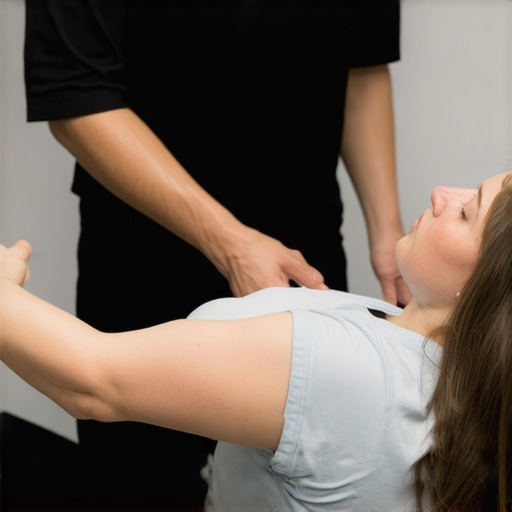
My Personal Battle with Neck and Back Pain: A Journey Toward Mobility
It all started one rainy morning when I woke up with a stiff neck that refused to loosen. As someone who values an active lifestyle, this sudden discomfort was frustrating. I remember thinking, “Will I ever regain my full range of motion?” That experience sparked my quest to find effective solutions for top neck & back pain, which I want to share with you today.
Discovering the Root Causes of My Pain
Initially, I thought my pain was just a temporary issue caused by poor posture while working long hours. However, I learned that underlying factors like stress, muscle tension, and improper ergonomics play a significant role. To deepen my understanding, I read authoritative sources, such as the article on posture and chronic pain, which shed light on how daily habits impact our spine health.
Practical Strategies That Made a Difference
Implementing simple yet effective exercises transformed my daily life. I started with gentle neck stretches and back mobility routines. One game-changer was incorporating targeted stretches from these mobility exercises. Additionally, I adopted ergonomic tips to improve my workspace, which significantly reduced strain.
How Do I Maintain Long-Term Relief?
Maintaining mobility requires consistency. I now dedicate a few minutes daily to mobility-enhancing activities. A routine that includes strengthening my core and practicing mindfulness has also helped me manage stress, a known contributor to muscle tension. For ongoing support, I regularly visit a professional therapist, which complements my self-care practices.
What Are the Best Techniques for Rapid Relief and Long-Term Mobility?
From my experience, techniques like deep tissue massage and targeted physical therapy provide quick relief, but building a sustainable routine is vital for lasting results. I recommend exploring comprehensive approaches like those detailed in this resource for tailored strategies.
If you’re battling with neck or back pain, I encourage you to share your story or ask questions below. Remember, addressing pain is a journey, and every small step counts toward restoring your mobility and comfort.
How Can Targeted Mobility Exercises Sustain Long-Term Relief?
Maintaining mobility isn’t just about quick fixes; it’s a continuous commitment that requires integrating effective routines into your daily life. From my experience, consistent practice of tailored exercises, such as gentle neck stretches and back mobility drills, significantly reduces the likelihood of recurring pain. To deepen your understanding, consider exploring these mobility exercises, which are designed to enhance flexibility and strength over time. Moreover, strengthening your core through targeted workouts can provide a stable foundation, easing the strain on your spine and supporting overall mobility.
What Role Does Ergonomics Play in Long-Term Spine Health?
Optimizing your workspace ergonomics is crucial for preventing strain and sustaining mobility. Simple adjustments like ergonomic chairs, monitor height, and proper desk setup can make a significant difference. For instance, ensuring your monitor is at eye level reduces neck strain, while supportive chairs promote proper spinal alignment. I highly recommend reviewing these ergonomic tips to create an environment that promotes spinal health and minimizes stress on your muscles.
Are There Lifestyle Habits That Can Support or Undermine Your Mobility Goals?
Absolutely. Lifestyle choices such as regular physical activity, stress management, and adequate sleep play vital roles in maintaining mobility. Sedentary habits can lead to muscle stiffness and joint deterioration, making consistent movement essential. Incorporating activities like walking, yoga, or swimming can keep your joints lubricated and muscles flexible. Additionally, managing stress through mindfulness or relaxation techniques reduces muscle tension, a common culprit of pain. For more comprehensive lifestyle adjustments, consider reading these lifestyle strategies aimed at improving your overall spinal health.
How Do I Incorporate Expert-Recommended Techniques for Lasting Results?
Integrating techniques such as deep tissue massage, physical therapy, or chiropractic care can accelerate progress and ensure sustainable relief. These methods address underlying issues, releasing muscle tightness and improving joint function. From my professional perspective, combining self-care routines with professional guidance creates a personalized and effective approach. Regular check-ins with a healthcare provider or therapist help adapt your plan as your mobility improves. To explore tailored strategies, I suggest reviewing these expert solutions for long-lasting mobility enhancement. Remember, the key to enduring relief lies in consistency and adapting your routine as your body evolves.
If you’re navigating your own journey toward better mobility, I invite you to share your experiences or ask questions in the comments below. Your story could inspire others, and together, we can foster a community dedicated to healing and mobility mastery.
Unveiling the Subtleties of Chronic Pain Management
As I delved deeper into my journey of managing neck and back pain, I realized that recovery isn’t solely about physical routines; it’s also about understanding the intricate relationship between mind, body, and lifestyle. For instance, I discovered that stress, often underestimated, significantly exacerbates muscle tension, creating a vicious cycle that hampers healing. Exploring authoritative insights such as the article on stress and pain revealed that integrating mindfulness and relaxation techniques could profoundly impact long-term relief.
The Power of Precision in Mobility Exercises
Initially, I believed that generic stretching routines would suffice, but I learned that targeted, precision exercises yield far better results. For example, focusing on specific muscle groups with exercises from these mobility routines helped me address underlying imbalances. The key is understanding that not all stretches are equal—some can even worsen pain if performed improperly. This insight prompted me to consult professionals for personalized plans, emphasizing the importance of tailoring exercises to individual needs.
Addressing Underlying Causes: Beyond Surface Symptoms
One profound realization was that persistent pain often signals deeper issues, such as poor ergonomics or hidden muscular weaknesses. I started examining my daily environment and habits, leading to ergonomic adjustments like monitor placement and chair support, which you can explore further in these ergonomic tips. Additionally, considering lifestyle factors like sleep quality, hydration, and nutrition became essential. Recognizing these interconnected factors transformed my approach from symptom management to holistic health maintenance.
Integrating Advanced Techniques for Lasting Change
As my understanding deepened, I became interested in advanced therapies such as manual massage, dry needling, and functional movement training. These modalities complement routine exercises and can accelerate progress when guided by skilled practitioners. For instance, I found that regular sessions of professional therapy help address chronic tightness and improve joint function. The synergy between self-care and professional intervention is vital for sustainable results, especially when navigating complex pain patterns.
Reflecting on Personal Growth and Community Support
Throughout this journey, I appreciated the importance of community and shared experiences. Engaging with others who face similar challenges provided encouragement and practical insights that books or videos alone couldn’t offer. I invite you to share your story or ask questions—because collective wisdom can often illuminate the path toward recovery. Remember, healing is nuanced, and every small, mindful step contributes to building resilience and restoring mobility.
Embracing a Lifelong Commitment to Spine Health
Ultimately, my experience has taught me that maintaining spine health is a lifelong pursuit, involving continuous learning, adaptation, and self-awareness. Studying emerging research, such as the latest in advanced treatment options, keeps me motivated to refine my routine. I encourage you to remain curious and proactive—your body deserves ongoing care and attention. Together, we can foster a community dedicated to informed, compassionate approaches to pain management and mobility enhancement.
Refining My Approach: The Role of Mind-Body Integration in Chronic Pain Management
As my journey into pain relief progressed, I discovered that a holistic approach, integrating both physical and mental practices, significantly enhanced my results. Techniques such as mindfulness meditation and breathing exercises not only helped reduce muscle tension but also fostered a proactive attitude towards maintaining mobility. According to a study in the Journal of Pain Research, mindfulness-based interventions can effectively decrease perceived pain intensity and improve quality of life for those with chronic musculoskeletal conditions. Embracing these practices became a cornerstone of my daily routine, empowering me to address pain from a comprehensive perspective.
Unveiling the Power of Targeted Functional Movement for Lasting Change
Transitioning from general mobility exercises to targeted functional movement training marked a pivotal evolution in my recovery. By focusing on movements that mimic real-life activities, such as lifting, twisting, and bending, I was able to strengthen specific muscle groups and enhance coordination. This approach, supported by research indicating its efficacy in reducing recurrence rates of back and neck pain, aligns with principles outlined in functional movement therapy. Implementing personalized routines that address my unique biomechanical patterns proved transformative, enabling me to sustain mobility gains long-term.
What Are the Most Effective Methods to Personalize My Mobility Routine for Complex Pain Patterns?
Personalization is key when dealing with complex or persistent pain. Engaging with certified physical therapists or movement specialists allowed me to develop tailored programs that addressed my specific needs, considering factors like muscle imbalances, postural habits, and lifestyle constraints. Incorporating assessments such as functional movement screenings helped identify underlying weaknesses and compensations. To deepen your understanding, I recommend exploring expert strategies outlined in this resource. Remember, a customized plan ensures you’re targeting the root causes rather than just alleviating symptoms, leading to sustainable improvements.
If you’re contemplating a more individualized approach, I invite you to share your experiences or ask questions below. Your insights could help others navigate their path toward lasting relief, fostering a community grounded in shared knowledge and resilience.
Integrating Emerging Technologies: The Future of Pain Management and Mobility
Looking ahead, I became fascinated by the potential of emerging technologies such as biofeedback devices, wearable sensors, and virtual reality applications to augment traditional therapies. These tools offer real-time feedback and data-driven insights, enabling precise adjustments to movement patterns and muscle activation. For example, biofeedback has helped me become more aware of tension patterns and correct them proactively. As research in this field advances, documented in studies like this review in Frontiers in Human Neuroscience, the integration of technology promises to revolutionize personalized pain management. Embracing these innovations has opened new avenues for achieving and maintaining mobility, especially for complex or resistant cases.
How Can I Best Incorporate Technology into My Long-Term Pain Management Strategy?
Integrating technology effectively requires a strategic approach. I recommend starting with reputable biofeedback devices and mobility apps that align with your specific goals. Consulting with professionals experienced in digital health tools ensures that you’re selecting and using these technologies optimally. Additionally, combining these tools with traditional therapies, such as manual therapy and targeted exercises, creates a comprehensive and adaptive plan. For further guidance, explore this detailed guide. Remember, technology is a supplement—not a replacement—for personalized care and expert guidance, so maintaining regular professional assessments remains essential.
If you’re eager to explore innovative solutions and share your insights, I encourage you to engage in the comments. Together, we can harness the power of technology to foster sustained mobility and enhanced quality of life.
Things I Wish I Knew Earlier (or You Might Find Surprising)
The Power of Consistency
One of the most eye-opening lessons I learned was that relief doesn’t come from quick fixes alone. Regularly dedicating time to mobility exercises and ergonomic adjustments truly transformed my pain management journey. It’s a gentle reminder that persistence beats sporadic effort every time.
Listening to Your Body
Initially, I pushed through discomfort, believing a little pain was normal. But I soon realized that tuning into what my body needed—whether rest or gentle movement—was crucial. This mindful approach prevented setbacks and kept me motivated.
The Hidden Impact of Stress
Stress wasn’t just mental; it manifested physically as muscle tension that worsened my pain. Incorporating mindfulness and breathing exercises became as vital as stretches, highlighting how the mind and body are deeply connected.
The Value of Professional Guidance
While self-care routines are essential, seeking advice from physical therapists and ergonomics experts helped me personalize my approach. Their insights ensured I targeted the root causes rather than just alleviating symptoms.
Small Changes, Big Results
Simple adjustments—like monitor height or chair support—made a surprisingly big difference. It’s empowering to realize that small tweaks in daily habits can sustain long-term benefits.
Resources I’ve Come to Trust Over Time
- BodyRenew Therapy Blog: Their detailed guides on mobility exercises and ergonomic tips have been invaluable for practical, science-backed advice I could easily implement.
- PubMed Central: For in-depth research, I rely on peer-reviewed articles such as those in the Journal of Pain Research, which deepened my understanding of holistic pain management.
- National Institute of Neurological Disorders and Stroke (NINDS): Their trusted information on spinal health and nerve conditions helped me identify when to seek professional help.
Parting Thoughts from My Perspective
If there’s one thing I’ve learned about managing neck and back pain, it’s that patience and consistency are your best allies. Building a routine that incorporates targeted exercises, ergonomic awareness, and stress management can lead to lasting relief. Remember, every small step counts, and with persistence, you can regain your mobility and comfort. If this resonates with you, I’d love to hear your story—share your experiences or ask questions below. Let’s support each other in this journey toward better spine health and long-term wellness.
![How to Fix Morning Neck Pain Without Buying a New Pillow [2026]](https://bodyrenewtherapy.com/wp-content/uploads/2026/01/How-to-Fix-Morning-Neck-Pain-Without-Buying-a-New-Pillow-2026.jpeg)