
The simple test to see if your sciatica is coming from your piriformis
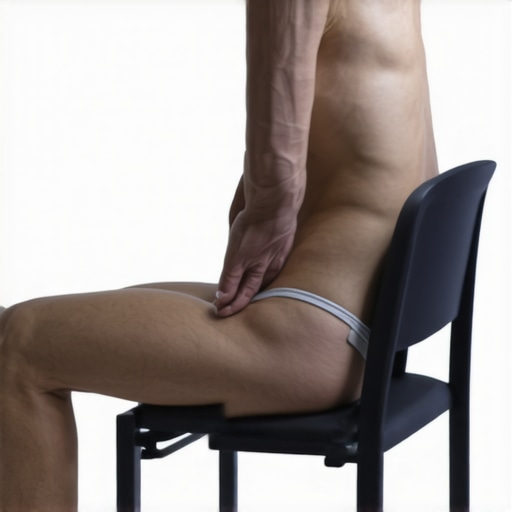
I remember the exact moment I realized there was more to my back pain than just a bad posture or an awkward sleeping position. One day, as I struggled to get out of my car, a sharp, shooting sensation down my leg made me pause. It was a surge of frustration and confusion—could this pain be something I could figure out myself? For months, I had been treating symptoms instead of understanding the real cause, and I knew I needed a different approach.
Discovering the Real Source of Sciatica Pain
If you’ve ever felt that overwhelming, numb-down-your-leg sensation, you’re not alone. Sciatica can feel like a cruel joke, creeping up unexpectedly and disrupting your day-to-day life. But what if I told you that a simple, at-home test could help determine whether your pain originates from your piriformis muscle rather than your lumbar spine? I was skeptical at first, just like many others, but this test changed everything for me.
Is Your Pain Actually Coming from Your Piriformis?
One early mistake I made—common among many—is assuming all sciatic pain stems from slipped discs or nerve issues within the lower back. However, the piriformis muscle, located deep in the buttocks, can sometimes irritate the sciatic nerve, mimicking disc problems. According to health expert Dr. John F. Sarno, misdiagnosing muscle-related issues as spinal problems can lead to unnecessary treatments and prolonged discomfort (source: Body Renew Therapy).
This realization prompted me to seek a straightforward test I could perform on my own. In this post, I’ll walk you through that simple test, share my experience, and guide you toward effective relief strategies. Ready to discover whether your sciatica is rooted in your piriformis? Let’s get started and turn that confusing pain into a manageable, even conquerable, challenge.
Performing the Piriformis Test Correctly
To start, lie flat on your back on a firm surface. Cross your affected leg over the opposite knee, forming a figure-four shape. Gently press down on your bent knee while keeping your hips stable. If you experience sharp pain or numbness down your leg during this movement, it indicates the piriformis muscle might be irritating your sciatic nerve. When I first tried this, I was cautious and moved slowly, noticing a pinpoint discomfort that hadn’t shown up during regular activities. This simple test served as a wake-up call and directed my focus toward targeted stretches and exercises.
Applying Gentle Stretching Techniques
Once you’ve identified potential piriformis involvement, the next step involves gentle stretching. Sit on the ground with your legs extended. Cross your problematic leg over the other, placing your foot flat on the floor. Gently pull your knee toward your chest while keeping your back straight. Hold for 20 seconds and repeat three times. During my attempt, I was careful not to force the stretch, realizing that overstretching could worsen inflammation rather than help. Consistency is key; doing this daily helped alleviate persistent tightness, gradually improving mobility.
Incorporating Self-Massage and Myofascial Release
To resolve stubborn muscle tightness, self-massage with a tennis ball can be effective. Lie on your side with the tennis ball positioned under your glute, near the piriformis. Gently roll back and forth for 30 seconds. I found that applying light pressure alleviated knots that contributed to nerve irritation. Being methodical and patient during this process prevented discomfort from escalating. Regular self-massage promoted blood flow and sped up recovery, making daily activities less painful.
Optimizing Your Daily Posture and Movements
Adjust your sitting and standing habits to avoid aggravating the piriformis. Sit with your feet flat and knees at right angles, avoiding crossing your legs for prolonged periods. When standing, distribute weight evenly on both feet. If your work involves sitting for long hours, consider using ergonomic chairs or cushions. I adopted these changes gradually, noticing a decrease in flare-ups over a week. Small modifications in posture can significantly reduce muscle strain and prevent future episodes, especially when combined with targeted exercises.
Enhancing Mobility with Regular Exercises
Adding specific movements, such as the clamshell exercise, can strengthen surrounding muscles and support your back. Lie on your side with knees bent, keeping your feet together. Lift your top knee while keeping your pelvis stable. Perform two sets of 15 repetitions daily. I struggled initially with controlling my pelvic tilt, but after watching tutorials and practicing mindfully, I started seeing improvements. Building strength in hip stabilizers reduces pressure on the piriformis and sciatic nerve, fostering long-term relief.
While many believe that pain in the neck, back, or associated sciatica always stems from obvious causes like muscle strain or slipped discs, there’s often a much deeper nuance that escapes common understanding. The prevailing myth is that pain is solely a local issue, but in reality, it often involves complex compensatory patterns and subtle biomechanical imbalances. For instance, a misalignment or weakness in the hips or ankles can ripple upward, causing pain that feels cervical or lumbar in origin when it actually originates elsewhere. Experts like Dr. Stuart McGill emphasize the importance of assessing the entire kinetic chain rather than just isolating the painful area (source).
A common trap many fall into is only addressing the symptoms through temporary relief — whether via stretching or painkillers — without correcting the underlying dysfunctional patterns. This approach often proves ineffective in the long term and can even exacerbate issues. An advanced mistake is neglecting the role of fascia and neuro-muscular control, which are crucial for sustainable recovery and mobility—a point underscored by recent research in mobility science.
What about people with persistent pain who don’t fit typical MRI findings?
It’s crucial to understand that structural imaging doesn’t tell the full story; pain can persist due to tissue sensitivity, central nervous system hypersensitivity, or subtle motor control deficits. This explains why some individuals with ‘perfect’ imaging still experience significant discomfort. Incorporating active movement therapies, like those outlined in mobility-focused exercises, can address these hidden factors effectively.
Avoiding the trap of thinking pain is only about the site of discomfort and instead adopting a holistic, movement-centered approach is key. This shift in perspective can significantly accelerate recovery and help maintain long-term health. Remember, small postural adjustments and targeted exercises could prevent future setbacks. For deeper insights, check out more about effective techniques at neck pain solutions.
Have you ever fallen into this trap? Let me know in the comments.Maintaining your back and neck health requires more than just exercises; it demands the right tools and a strategic approach to long-term care. Personally, I rely on specific equipment that optimizes my daily mobility and eases pain fluctuations. One staple is a high-quality foam roller, which I use daily to release muscle tightness and fascia restrictions. Unlike regular rollers, my preferred model features firm yet forgiving surfaces that allow deep tissue work without risking nerve irritation. Regular rolling not only alleviates knots but also promotes blood flow, crucial for tissue repair and sustained mobility. Additionally, I integrate a massage ball—specifically a tennis ball with moderate firmness—to target stubborn Myofascial trigger points in the glutes and lower back. This simple yet effective tool has transformed my recovery routine, particularly after long periods of sitting. For my stretching routines, I use a resistance band, which provides controlled assistance in gentle stretches like the piriformis or hip flexors, preventing overstretching and injury. Over time, investing in these tools has helped me build resilience against flare-ups and maintain functional movement. Looking ahead, the trend shows an increasing integration of smart devices—such as app-connected massage tools—that track progress and recommend personalized routines, making long-term maintenance more accessible. How do I keep my mobility resilient? Consistency is key—pairing daily tool-based routines with mindful posture adjustments ensures ongoing benefits. The use of ergonomic accessories, like lumbar supports and adjustable desks, further supports this. For example, ergonomic chairs tailored to your spine’s curvature can dramatically reduce strain, as highlighted in research by the Harvard School of Public Health. I encourage you to try incorporating a foam roller into your daily routine; start with gentle rolls along your lower back and hips, paying attention to areas of tension. Over just a few weeks, many find this simple addition helps sustain pain-free movement and enhances overall longevity. If you’re interested in more advanced mobility techniques, exploring methods like myofascial release with professional-grade tools or stretching protocols recommended by experts such as Dr. Stuart McGill can offer even deeper benefits. Remember, the key isn’t just immediate relief but establishing a sustainable practice that adapts with your body’s evolving needs. Maintaining your back and neck’s health is an ongoing journey. By integrating specific tools into your daily habits, you can prevent setbacks and enjoy a more active, pain-free life. For further insights on crafting a personalized mobility plan, check out Mobility Mastery: Daily Tips for a Healthy Spine. Ready to take the next step? Start with a targeted session using your foam roller today and feel the difference.
The Wisdom That Saved My Movement
One of the most profound lessons I learned was that recovery isn’t just about applying techniques but understanding your body’s unique story. I realized that ignoring subtle discomforts and dismissing biomechanics led me to years of frustration. Embracing a personalized approach—listening closely to my body’s signals and adapting my routines—transformed my journey from pain to empowerment. This insight taught me that effective relief often comes from patiently decoding your own patterns rather than blindly following generic advice.
My Gear Arsenal for Lasting Flexibility
Over the years, I’ve curated a handful of trusted tools that make back and neck health sustainable. A high-quality foam roller has become my daily staple, helping me release fascia restrictions with gentle precision. I rely on a tennis ball for targeted self-massage, reaching those stubborn knots that escalate discomfort. Additionally, resistance bands serve as allies in strengthening supporting muscles safely. These tools, coupled with consistent routines, empower me to maintain mobility, prevent flare-ups, and build resilience—making my recovery proactive, not reactive.
Embracing Your Power to Change
Remember, your pain isn’t a life sentence. Whether it’s sciatica, neck stiffness, or general back tightness, every small step you take counts. Incorporate deliberate postural awareness into your daily habits, experiment with effective stretches, and don’t hesitate to seek tailored guidance. Your body is an incredible vessel capable of healing when nurtured with patience and knowledge. I encourage you to start today—your future pain-free self is waiting on the other side of consistent care.
What’s the first change you’re planning to make in your back and neck health routine? Share your thoughts below—I’d love to hear your journey toward greater mobility and comfort!