
Why icing your neck might be making your headache worse
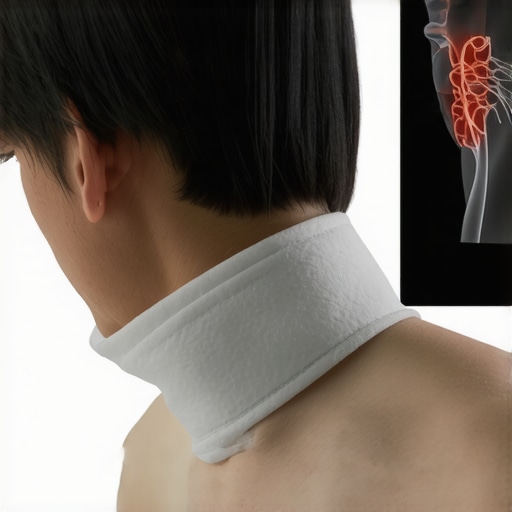
It hit me one morning while I was sitting at my desk, completely frustrated because the headache I thought would ease with ice was intensifying instead. I had spent countless evenings applying ice to my neck, believing it would soothe the tension and help me recover faster. But that week, my pain escalated—my head pounding worse than ever. That was my lightbulb moment: sometimes, what we assume to be helpful can actually be making symptoms worse.
Why Relying on Ice Might Be Sabotaging Your Recovery
I used to think that icing my neck was the golden rule for reducing inflammation and easing pain. It’s a common recommendation, after all. But as I dug deeper, I discovered something surprising—many experts now question the universal use of ice for certain types of neck pain and headaches. In fact, studies suggest that excessive or improper application of ice can slow circulation and hinder healing, especially if used incorrectly or for too long.
What I overlooked early on was that my treatment was one-size-fits-all, blindly following the popular advice without considering my unique situation. I kept applying ice without really understanding *when* it was appropriate, or how long to do it. Instead of easing my discomfort, the ice seemed to tighten my muscles and even reduce blood flow—factors that can amplify headaches and neck tension.
If you’re nodding along because you’ve been in the same boat, stay with me. We’ll explore why this common approach might be doing more harm than good and how to fix it. You don’t have to suffer longer or make your pain worse than it has to be.
Before we get into the solutions, I want to share a quick mistake I made early in my journey. I thought that more ice meant faster relief, so I kept applying it for extended periods, thinking bigger was better. Turns out, that’s not just unhelpful—it can be downright harmful. Learning the right way to use it, or better yet, when to avoid it altogether, was a game-changer. To dive into proven techniques for real recovery, check out this guide to neck pain solutions.
Ready to finally get relief that actually works? Let’s look at what you can do differently—starting with understanding your body and how it responds to different treatments.
Assess Your Body’s Response to Movement
Start by paying close attention to how your neck reacts to different activities. Gentle movements can reveal whether your muscles are tight or if certain motions aggravate your pain. For example, I noticed that slow neck rotations helped me gauge stiffness levels, letting me avoid overly strenuous exercises early on. This step is crucial because forcing movement prematurely can worsen inflammation or cause further injury.
Incorporate Targeted Stretching and Mobilization
Identify Tight Areas
Use specific stretches to target common areas of neck tension, such as the upper trapezius and levator scapulae. For instance, gently tilting your head to each side and holding can loosen tight muscles. Remember to breathe deeply through each stretch to facilitate muscle relaxation.
Employ Gentle Mobilization Techniques
Apply slow, controlled movements to increase your range of motion. A simple technique involves gently rolling your shoulders backward and forward, which can help free up stiff joints. This method acts like oiling a rusty hinge, providing smooth movement and reducing discomfort.
Practice Postural Adjustments During Daily Tasks
Evaluate and correct your posture intentionally. When working at your desk, ensure your monitor is at eye level, and your feet are flat on the ground. This adjustment minimizes strain and prevents your neck from tensing up. I recollect adjusting my work setup, which initially felt awkward but resulted in noticeable relief over a few days. Small ergonomic tweaks can make a significant difference in reducing unnecessary stress on your neck muscles.
Integrate Breathing and Relaxation Techniques
Deep diaphragmatic breathing can lower muscle tension and improve circulation. Sit comfortably, place one hand on your chest and the other on your belly, then inhale slowly through your nose, expanding your diaphragm. This practice is like giving your muscles a reset button, easing the tightness that contributes to pain. Incorporating this into your routine can prevent stress-induced muscle contractions that exacerbate neck discomfort.
Establish a Consistent Movement Routine
Consistency is key. Set aside time each day for gentle mobility exercises and stretches. Over time, this builds resilience and enhances your body’s ability to handle daily stresses. I found that committing to a 10-minute routine each morning transformed my neck health, reducing stiffness and preventing flare-ups. Regular movement prevents muscles from becoming stiff and maintains joint health.
Be Cautious with Ice and Monitoring Habits
Instead of applying ice indiscriminately, use it judiciously—preferably after activities that cause inflammation or swelling. Limit icing sessions to 15-20 minutes, and avoid overdoing it, since excessive cooling can decrease blood flow and slow healing. A good rule of thumb is to listen to your body’s cues: if applying ice causes numbness or increased tension, discontinue immediately. Remember, moderation and understanding your body’s signals are essential for effective recovery. If you’re unsure about which techniques suit your condition, consider consulting a professional or exploring more about proven neck pain relief methods.
Listen to Your Body and Adjust Accordingly
Finally, always stay attuned to your body’s responses. Some days may call for more rest, others for movement. Tracking your symptoms can help identify patterns and identify what alleviates your pain. Remember, managing neck pain is a gradual process—patience and persistence pave the way to recovery.
 Many people assume that back pain, neck discomfort, and sciatica are simply about poor posture or lack of exercise, but there’s more beneath the surface that often goes unnoticed. One common myth is the belief that resting completely is always the best remedy. In reality, prolonged inactivity can weaken supporting muscles, making recovery harder and prolonging pain episodes. Experts emphasize that balanced movement is crucial; for instance, engaging in gentle mobility exercises can enhance circulation and accelerate healing, as shown in recent studies on spinal health.
A subtle trap many fall into is misinterpreting acute pain as a sign to avoid all movement. This often leads to stiffness and muscle deconditioning, ironically worsening the condition over time. Instead, targeted, controlled activity promotes resilience and better function. For advanced readers, consider how nerve tension and muscular imbalances contribute to chronic issues. For example, tight hip flexors can alter pelvic alignment, aggravating back and sciatic pain. Addressing these nuances requires a personalized approach rather than generic advice.
Another misconception revolves around the idea that stretching alone can solve all mobility issues. While stretching helps lengthen tight muscles, neglecting strengthening exercises for weak stabilizers, like the transverse abdominis, can leave you susceptible to recurring pain. Incorporating both mobility and strength work, tailored to your specific needs, yields better long-term results. Check out proven techniques for restoring mobility and stability by exploring posts like [revitalize your neck for lasting relief](https://bodyrenewtherapy.com/revitalize-your-neck-effective-techniques-for-lasting-pain-relief) and [improve your back mobility](https://bodyrenewtherapy.com/enhance-your-back-mobility-ergonomic-tips-for-everyday-comfort).
Beware of rushing into therapies that promise quick fixes without understanding underlying causes. For instance, in the case of sciatica, inflamed nerve roots may require targeted nerve mobilization rather than simply reducing pain with passive treatments. Recognizing warning signs and addressing root issues can prevent chronic cycles; for instance, persistent numbness or weakness warrants prompt assessment through trusted resources available [here](https://bodyrenewtherapy.com/is-your-back-pain-a-sign-of-something-more-serious-key-symptoms-to-watch).
So, what’s the key takeaway? Instead of blindly following popular advice, consider the nuanced relationship between muscles, nerves, and joints. Moving smarter, not harder, coupled with expert guidance, makes all the difference. Have you ever fallen into this trap? Let me know in the comments. Remember, real progress involves understanding these hidden factors that influence recovery and mobility.Maintaining the gains you achieve in managing back pain, neck discomfort, or sciatica requires the right tools and consistent habits. I personally rely on a few key pieces of equipment and methods that have stood the test of time, ensuring I stay mobile and pain-free. One staple in my arsenal is a high-density foam roller, which I use daily to release fascia tightness and maintain muscle flexibility. Unlike softer rollers, the dense foam allows for deeper tissue work without causing excessive discomfort, facilitating better mobility and reducing flare-ups. For targeted self-massage, I incorporate a tennis ball, particularly for hard-to-reach knots in the upper back and hips. This simple, inexpensive tool can dramatically improve my muscle recovery and prevent chronic tightness. Additionally, I use ergonomic tools like a sit-stand desk converter, which encourages me to change positions regularly, alleviating pressure from sustained postures that often exacerbate back and neck issues.
From a software perspective, I utilize mobility tracking apps to monitor my daily movement patterns. Keeping a log helps me identify when I’m neglecting my routine or overdoing certain activities, enabling proactive adjustments. Software like [Body Renew’s mobility mastery](https://bodyrenewtherapy.com/mobility-mastery-daily-tips-to-keep-your-spine-and-joints-healthy) provides guided exercises and reminders that keep me on track, especially during busy days. Prediction suggests that digital monitoring tools will become more advanced, integrating biofeedback and real-time posture assessment, which will make maintenance even more personalized and effective.
When it comes to long-term results, consistency is non-negotiable. Incorporating daily mobility drills, such as gentle spine and joint exercises, is vital. For example, habitual use of the thoracic mobility move has prevented me from developing the forward-hunched posture that contributes to neck and shoulder tension. Moreover, periodic professional assessments—like consultations with a knowledgeable therapist—can catch subtle issues before they develop into chronic conditions. For further insights, exploring proven techniques like those outlined [here](https://bodyrenewtherapy.com/neck-pain-solutions-proven-techniques-to-regain-your-range-of-motion) can help refine your routine.
How do I maintain my mobility and prevent setbacks over time? I focus on integrating ergonomic adjustments into my daily environment and developing targeted routines that address my specific needs. For instance, I schedule weekly sessions with a trusted professional to review my technique and make personalized recommendations, ensuring my habits evolve as my body changes. A quick tip I recommend trying: incorporate a dedicated self-massage session using a tennis ball on tight spots after long periods of sitting or activity. This small step can dramatically reduce stiffness and prevent pain flare-ups.
Of course, scaling these tools and habits as your needs grow is crucial. As your mobility improves, challenge yourself with more advanced stretches or mobility exercises, like those found [here](https://bodyrenewtherapy.com/unlocking-mobility-expert-tips-on-managing-back-pain-in-2025). Being proactive with your maintenance routines ensures you won’t backslide into old patterns. Remember, the goal is to keep your body functioning optimally for the long haul, which requires both the right tools and consistent effort. For personalized advice or assistance in setting up your ideal maintenance plan, don’t hesitate to [contact us](https://bodyrenewtherapy.com/contact-us-2).
Throughout my journey managing neck and back discomfort, I uncovered lessons that shattered common misconceptions and transformed my recovery strategy. These insights, born from personal experience and deep research, reveal the nuanced reality behind effective pain relief and mobility restoration.
3 Lessons That Challenged Everything I Thought I Knew
- More Ice Isn’t Always Better: I used to believe that cold therapy was the universal remedy, but I realized that overusing ice can actually impede healing by restricting circulation and delaying natural recovery processes. Knowing when to abstain from icing became a game changer.
- Movement Trumps Rest in Recovery: Prolonged inactivity can weaken supportive muscles, making pain worse. Incorporating gentle, targeted mobility exercises—like those detailed in proven neck pain techniques—accelerated my progress far more effectively than complete rest.
- Posture Is a Dynamic Ally, Not an Obstacle: Rigidly enforcing perfect posture often leads to muscle tension. I learned to approach posture as a flexible tool, adjusting daily habits while listening to my body’s signals, which helped sustain improvements without added strain.
- Understanding Root Causes Prevents Rebound Pain: Addressing muscular imbalances and nerve tensions—rather than just symptoms—ensures lasting relief. For deeper insights, exploring advanced mobility strategies can illuminate personalized pathways to healing.
The Tools That Guided My Transformation
- High-Density Foam Roller: I rely on this for self-myofascial release, easing muscle knots safely and effectively—an essential for maintaining flexibility and preventing flare-ups.
- Tennis Ball: Targeted pressure on tight spots like the upper back and hips helps release deep-seated tension, offering immediate comfort and long-term benefits.
- Ergonomic Workspace Setup: Adjusting my desk to encourage better posture reduces strain and keeps my spine healthy throughout the day. Resources like these ergonomic tips have been invaluable.
- Mobility Tracking Apps: Monitoring daily habits ensures consistency and highlights areas needing attention, making my recovery process proactive and personalized.
Your Path to Lasting Relief Starts Now
Empower yourself with knowledge, embrace gentle movement, and listen to your body as you navigate your recovery journey. Remember, sustainable improvement hinges on personalized strategies and patience. Take action today—your healthier, more mobile self is within reach.
Have you experienced a turning point in managing neck or back pain? Share your story or questions below—I’d love to hear your insights!
,