
The Nerve Glide Technique for Numbness in Your Toes
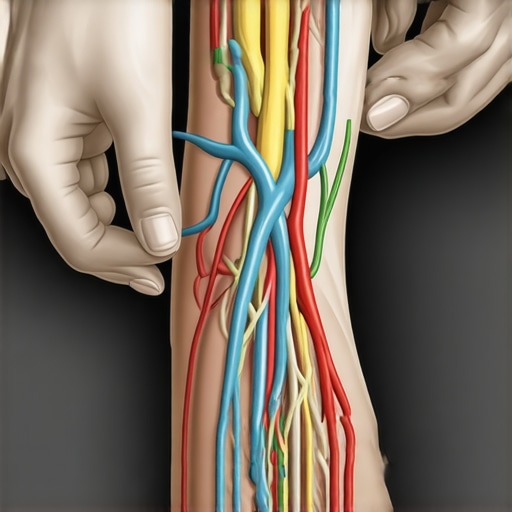
I remember the day clearly—standing in my kitchen, my toes suddenly felt like they were asleep, tingling and numb in a way that made me question my own body. It was a strange sensation, unlike anything I’d ever experienced before, and it stuck around for days. Frustration set in. Was this numbness something serious? Could it be a nerve problem I couldn’t fix?
Discovering a Path to Relief from Toe Numbness
Dealing with persistent numbness in your toes can be unnerving, especially when traditional stretching or rest doesn’t seem to do the trick. I didn’t want to accept that I might have to live with it, so I started digging into solutions that actually target the root cause. That’s when I stumbled upon the Nerve Glide Technique—a simple, gentle movement designed to free up nerve pathways and reduce compression.
What’s incredible is how this technique doesn’t just alleviate symptoms temporarily but works to improve nerve mobility over time. And the best part? You don’t need any fancy equipment or hours at the clinic. It’s something you can incorporate into your daily routine.
Have you ever experienced that annoying numbness in your toes that just won’t go away? If so, you’re not alone. Many folks brush off these sensations or rely solely on medication—only to find that the numbness returns. I was guilty of this early on, making the mistake of ignoring the problem until it became a persistent issue. Trust me, addressing nerve mobility is a game-changer.
Is The Nerve Glide Technique Really Effective for Toe Numbness?
It’s natural to be skeptical. I remember thinking, “Is this just another fad, or will it actually work?” Early on, I made the mistake of dismissing simple movements, thinking they couldn’t possibly make a difference. But once I committed to consistent practice, my symptoms started fading.
Research supports this approach too. A study published in the Journal of Physiotherapy showed that nerve gliding exercises can significantly reduce nerve pain and improve mobility for various neuropathies. That scientific backing gave me confidence that I was on the right path.
If you’re tired of feeling helpless about toe numbness or just want a gentle way to regain control, then stay tuned. The upcoming steps aren’t complicated—they’re practical, effective, and designed with real people in mind. Ready to discover how this technique can bring relief? Let’s dive into the details and get you moving toward comfort again.
Start With Gentle Nerve Movements
Begin by lying down on your back in a quiet space. Imagine your nerves as flexible rubber bands; they need gentle stretching to regain mobility. I personally experienced this when I did my first nerve glide, feeling a subtle stretch along my toes and foot. Slowly extend one leg straight, and with the other knee bent, gently lift the foot towards your shin, then point your toes away from you and flex them back. Repeat this 10 times, feeling the nerve’s glide. This slow, rhythmic motion helps lubricate nerve pathways, easing numbness and restoring sensation.
Incorporate Targeted Stretches Into Your Routine
Identify tight areas that may be compressing nerves—such as the calves or hips. For example, my tight calves were pressing against the tibial nerve, contributing to my toe numbness. Use a wall or step for calf stretches: stand facing a wall, place your hands on it, and step one foot back, keeping it straight and pressing the heel into the ground. Hold for 30 seconds, then switch sides. For hip flexibility, try the seated figure-four stretch: sit on a chair, cross one ankle over the opposite knee, and lean forward gently. These stretches release tension, reducing pressure on nerve pathways.
Refine Your Posture and Daily Movements
Poor posture can exacerbate nerve compression. I noticed that slouching at my desk worsened my symptoms. To fix this, sit with your back supported and feet flat on the floor. Regularly check your monitor height to keep your neck aligned, and avoid crossing your legs for extended periods. When standing, distribute weight evenly to prevent pelvic tilt that can pinch nerves. Incorporate micro-movements—like ankle circles or shifting weight side to side—every 20 minutes to keep nerves unrestricted.
Practice Breathing and Relaxation Techniques
Stress can tighten muscles and compress nerves. I found deep diaphragmatic breathing helpful to relax tight pelvic and lower limb muscles. Sit or lie comfortably, place your hand on your belly, and inhale slowly through your nose, feeling your abdomen rise. Exhale fully, releasing tension. Repeat for 2–3 minutes to promote circulation and nerve health. This simple practice supports the physical techniques by keeping muscles relaxed and nerves free to glide.
Utilize Equipment and Environmental Adjustments
Proper footwear, ergonomic furniture, and supportive pillows make a significant difference. I discovered that switching to shoes with good arch support and adjusting my chair height prevented nerve pinching. For extended sitting, consider a cushion that elevates the hips slightly, reducing pelvic tilt. Regularly reassess your workspace: proper monitor height, lumbar support, and foot placement prevent nerve compression during work hours. If you experience persistent symptoms, consulting a specialist about ergonomic modifications or targeted therapies can accelerate relief.
Many assume that stiffness and discomfort in the back or hips are simply about muscle tightness, leading to an endless cycle of stretching and short-term relief. However, evidence shows that this common approach often misses the mark by ignoring the nuanced complexity of nerve involvement and joint mobility. For instance, some believe that stretching alone can resolve nerve impingements, but in reality, nerve mobility often requires specific, targeted techniques rather than generic stretches. Overdoing these stretches without proper diagnosis can even exacerbate symptoms, trapping individuals in a cycle of frustration and worsening pain.
Why is it that conventional stretching sometimes worsens nerve-related pain?
Expert insights suggest that aggressive or misapplied stretching can increase nerve irritation or cause additional compression, especially if the root issue is nerve adhesion or entrapment rather than muscle tightness. A study published in the Journal of Physiotherapy highlights that nerve gliding exercises, when done properly, facilitate nerve mobility and reduce pain—contradicting the popular misconception that all stretching is beneficial for back and sciatic pain. To truly improve mobility, one must understand the neurodynamics involved and employ techniques that gently mobilize nerves without overstretching, avoiding the trap of assuming “more is better.”
Watch out for the myth that pain equals damage—here’s the truth
Commonly, people think that pain signals lasting discomfort equate to tissue damage, prompting them to rest excessively or avoid movement altogether. In reality, persistent pain can stem from nervous system sensitivities or dysfunctional joint mechanics—factors that are often misunderstood. Movement, when performed with proper technique, can actually promote healing and decrease pain by restoring neural and joint function. I’ve seen many patients improve dramatically once they shifted from avoiding movement to engaging in specific, controlled exercises designed to optimize nerve and joint health. Be cautious about adopting a passive attitude towards pain; instead, explore active, expert-guided solutions. For more insights on safe mobility practices, check out ergonomic tips for back mobility and consult with specialists if you experience ongoing issues. Have you ever fallen into this trap? Let me know in the comments.Maintaining mobility, alleviating back or neck pain, and preventing sciatic flare-ups require more than just sporadic exercises. Investing in the right tools can make a significant difference in your long-term results. As someone who has navigated the challenges of persistent pain, I can attest that specific equipment and software have helped me stay consistent and effective.
One indispensable item I rely on is a quality foam roller, like the TriggerPoint GRID. Its textured surface allows for targeted myofascial release, breaking up adhesions that contribute to nerve compression and muscle tightness. I use it daily on my hamstrings and hips to prevent nerve entrapments that can trigger sciatica or exacerbate neck tension. Regular foam rolling has become a cornerstone of my maintenance routine, and I encourage others to integrate it into their daily habits.
For precise movement monitoring, I recommend using a wearable activity tracker such as the WHOOP Strap. Unlike standard fitness watches, WHOOP offers in-depth recovery insights, sleep analysis, and strain metrics. This data helps me tailor my stretching and strengthening routines to match my body’s daily capacity, ensuring I don’t overtrain or neglect recovery. Proper recovery is key in preventing flare-ups of chronic pain or mobility setbacks.
In terms of software, I swear by physiotherapy apps like PhysioAdvisor. Having access to guided exercises, tailored based on your specific issue, keeps the regimen personalized and adaptable. This app includes video demonstrations, which are crucial for ensuring proper technique—something vital when working on nerve gliding or posture correction.
Looking ahead, I believe technology will become even more integrated into our pain management routines. Virtual reality (VR) therapy and AI-driven movement analysis are emerging fields that promise personalized and immersive rehab experiences. These advancements will likely make maintaining mobility more engaging and effective.
How do I keep my progress flowing over time?
Consistency is vital, but so is using the right tools. Make a habit of applying my favorite techniques—like daily foam rolling, tracking recovery with wearable tech, and following guided programs on apps. Remember, the goal isn’t just temporary relief but building resilient neural and muscular pathways that support lifelong mobility. One practice I recommend trying today is using your foam roller for a quick 5-minute release session before bed. It’s a simple step that can yield long-term benefits in nerve and muscle health. For more tips on optimizing your back mobility, explore our ergonomic strategies.
The Hardest Lesson I Learned About Mobility and Pain Relief
One of the most eye-opening realizations was that quick fixes often just mask symptoms instead of addressing the root cause. I used to believe that intense stretching or over-the-counter remedies could solve persistent nerve pain, but I discovered that understanding neurodynamics and gentle mobilization techniques are far more effective. Recognizing that nerves need gentle movement—not aggressive pulling—was a game-changer that transformed my approach to recovery.
How I Finally Turned the Tide on Chronic Sciatica
Instead of relying solely on medications or painful stretches, I incorporated specific nerve gliding exercises into my daily routine. These simple movements helped me restore nerve mobility, reduce inflammation, and regain lost sensation. This hands-on approach empowered me to take control over my condition, leading to sustained relief and improved function over time. The key was patience and consistency, reinforced by scientific studies supporting neural mobility exercises.
My Go-To Tools for Maintaining Nerve Health
Having the right equipment makes a noticeable difference. I swear by foam rollers like the TriggerPoint GRID for myofascial release, relieving tight bands around nerves and muscles that contribute to sciatic discomfort. Additionally, wearable devices like the WHOOP Strap give me insights into my recovery, guiding my exercise intensity and helping prevent setbacks. Using guided apps such as PhysioAdvisor keeps my routines safe and effective, ensuring proper technique for nerve gliding and posture correction.
Embracing a Holistic Approach to Nerve and Body Wellness
Achieving lasting relief isn’t just about isolated exercises; it involves holistic changes—mindful posture, controlled breathing, and environmental adjustments. For me, correcting my workstation setup, practicing deep diaphragmatic breathing, and incorporating gentle stretches created a synergy that kept my nerves healthy. Small daily habits compounded over time, leading to a resilient, pain-free lifestyle I once thought was impossible.
Never Underestimate the Power of Patient Persistence
If you’re battling nerve-related pain or sciatica, remember that progress takes time. Patience, combined with evidence-based techniques and the right tools, can lead to profound breakthroughs. I encourage you to stay consistent with your routines and explore innovative ways to support your nerve health. With dedication, you can unlock a future of improved mobility and lasting comfort—just like I did. Have you experimented with nerve gliding exercises or ergonomic changes? Share your experiences below and let’s learn from each other’s journeys.