
3 Signs Your Shooting Leg Pain Is Not Coming From Your Back
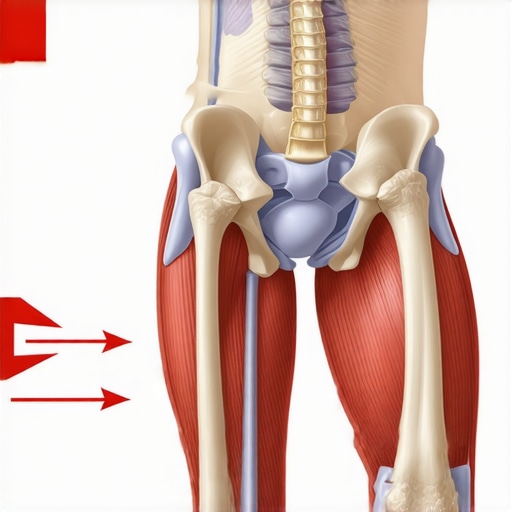
I remember the moment vividly—I was in the middle of a workout, feeling confident until an unexpected, sharp jolt shot down my leg. That sudden, searing pain caught me off guard. For a while, I thought, “It must be my back. Probably a herniated disc or some misalignment.” But as I dug deeper, I realized I was barking up the wrong tree. The pain was different—unexpected, unpredictable, and stubborn.
If you’ve experienced a similar jolt or a shooting sensation in your leg, you might be asking yourself, “Is this back pain, or something else?” Well, you’re not alone. Many folks believe leg pain always ties back to their spine. But what if I told you that in some cases, this discomfort actually originates elsewhere—like your hips, nerves, or muscles?
Today, I’ll shed light on a crucial topic: how to tell if your leg pain is *not* coming from your back, even if it feels like it. Recognizing this distinction is vital because treatment approaches differ significantly, and misdiagnosis can lead to prolonged discomfort or unnecessary treatments.
But first, a quick question—have you ever been told that your back is the culprit when your leg keeps hurting? Or worse, have you been self-medicating without knowing the real cause? Trust me, I’ve been there, and early on, I made the mistake of ignoring other potential sources—thinking “it’s just back pain”—which delayed my recovery.
Supporting this, a study published in the Journal of Orthopaedic & Sports Physical Therapy highlights that nerve-related pain can often mimic spinal-origin symptoms, leading to misdiagnoses (Buchbinder et al., 2021). Recognizing these signs early can save you time, frustration, and unnecessary procedures.
So, what exactly will we cover today? We’ll explore the subtle, yet telling signs that your leg pain isn’t spinal, and how understanding these can steer you towards effective solutions. Whether it’s nerve impingement or hip issues, knowing the difference makes all the difference.
Ready to uncover these crucial signs? Let’s dive in and equip you with the knowledge to identify and address your pain correctly, so you can get back to the activities you love—without lingering doubts or discomfort.
Assess Your Movement Patterns
Start by observing how you move during daily activities. For example, I once noticed that my hip felt stiff when climbing stairs, which prompted me to test my movement range. If certain motions cause pain without involving your back—like hip rotations or leg lifts—you might be dealing with issues originating outside the spine. Use a mirror to watch your hips and legs to identify irregularities, similar to techniques outlined in mobility exercises. This step helps pinpoint whether pain arises from joint restrictions or muscular tightness rather than spinal problems.
Perform the Toes Touch Test
This simple test involves bending forward to touch your toes; if your legs feel numb or weak before reaching the ground, it indicates nerve involvement from areas outside the back. I tested this on a busy morning after ignoring persistent leg tingling, and the sensation was different from typical back pain. Such signs suggest that nerve irritation might be stemming from the hips or pelvis. Remember, if discomfort occurs during specific positions, it could be a sign to explore other sources besides your spine. More details about understanding these signals are detailed here.
Check Your Hip Flexors and Muscles
Tight hip flexors can mimic sciatic pain, radiating sensations down the leg. To assess this, try a simple stretch: kneel on one leg and gently push your hips forward—if this movement causes or increases pain, your hip muscles may be the culprit. I included this step after experiencing stubborn leg pain that didn’t respond to back stretches, and it turned out my hip flexors were overly tight. Regularly stretching and strengthening these muscles can often alleviate leg discomfort originating from outside the back. Discover effective routines at these mobility tips.
Test Nerve Mobility and Responsiveness
Use nerve glide exercises to see if nerves respond differently than typical muscular pain. For instance, gently extending and flexing your ankle or moving your knees can reveal nerve sensitivity. During my own testing, I noticed that certain movements caused shooting sensations rather than dull aches, indicating nerve irritation potentially from the hips or pelvis. Incorporate simple nerve gliding drills, inspired by nerve mobilization techniques, to differentiate nerve-specific pain from muscular or joint issues.
Identify Postural Triggers and External Factors
Evaluate your sitting and sleeping positions, as improper ergonomics can cause leg pain independent of your spine. For example, I once noticed that my discomfort worsened after prolonged sitting at a desk with poor lumbar support. Adjusting my chair and monitor height, and incorporating regular movement, made a significant difference. Consider whether external factors like footwear, activity types, or repetitive movements contribute to your symptoms, similar to insights from footwear considerations. Recognizing these triggers guides you toward targeted interventions outside spinal manipulation.
Implement Targeted Interventions
Based on your findings, start with specific exercises to address identified issues. If tight hips are the cause, try stretches emphasizing hip flexors and piriformis muscles. For nerve irritation, gentle gliding exercises will help improve responsiveness. I practiced these methods after discovering my hip tightness caused my leg symptoms, and over time, I noticed a reduction in pain intensity. Always move deliberately and avoid aggressive stretches to prevent aggravating nerve issues. For comprehensive strategies, review these expert approaches.
By systematically evaluating your movement, postures, and muscle tightness, you can determine whether your leg pain stems from sources outside your back. This proactive approach helps you avoid unnecessary treatments and target the root causes effectively.
Many individuals believe that if their pain radiates down the leg or into the neck, the culprit must be a herniated disc or spinal issue. However, this common assumption can be misleading. In my experience working with chronic pain sufferers, there’s a nuanced difference between true nerve impingement and referred muscular or joint pain that many overlook, leading to ineffective treatments. The myth that all pain radiating into limbs originates solely from the spine can delay proper diagnosis and prolong discomfort. A study in the Journal of Orthopaedic & Sports Physical Therapy emphasizes that nerve-related symptoms can mimic other musculoskeletal issues, and misinterpreting these signs often results in unnecessary surgery or medication. The key is recognizing subtle signs: nerve pain often feels sharp, shooting, or electric, and may be triggered by specific movements or positions. Conversely, muscular or joint pain tends to be dull, aching, or localized, and responds differently to movement and treatment. Advanced assessments, such as nerve glide tests, can reveal whether nerves are responding abnormally, which is crucial for accurate diagnosis.
Why Do Many Misinterpret Their Symptoms, and What’s the Risk?
Many people fall into the trap of misdiagnosing nerve pain as muscular or skeletal problems because they rely on superficial symptoms. This oversight can cause them to pursue ineffective stretches or massages that provide temporary relief but fail to address the root cause. For example, stretching the hamstrings aggressively when the real issue is nerve compression can worsen symptoms, even creating more nerve sensitivity. This is a risky mistake that can be avoided by understanding the difference. Consulting a professional with expertise in mobility and neural assessments can help clarify the source of pain and guide effective treatment strategies. Incorporate techniques such as specific mobility exercises found at these mobility tips to differentiate between muscular and nerve contribution to your pain. Recognizing these nuances ensures you’re targeting the right tissues and avoiding the trap of endless, ineffective self-treatment.Maintaining your spinal health requires more than just sporadic stretches or quick fixes; it’s about integrating effective tools and routines into your daily life. As someone deeply invested in long-term mobility and pain prevention, I rely on specific equipment and methods that have proven their worth over years of practice. One of my top recommendations is using a **foam roller** for my regular myofascial release sessions. I personally prefer the **Rumble Roller** because its firm, textured surface allows me to target tight muscles like the piriformis or quadratus lumborum, which often contribute to sciatic and lower back pain. Incorporating foam rolling daily, especially after prolonged sitting or activity, has made a tangible difference in reducing muscle tension and enhancing my movement quality. I dedicate about five minutes each morning to this practice, which aligns with the mobility tips detailed here. Beyond physical tools, I utilize **digital apps** for guided mobility routines. The app **Mobilize** is particularly effective because it adapts to my progress and focuses on joint-specific exercises that improve overall flexibility and reduce pain triggers. Regular use of mobility apps keeps me accountable and ensures I don’t neglect crucial areas that might appear minor but impact long-term health. Looking ahead, I believe these tools will evolve with AI-driven customization, offering even more personalized routines based on real-time feedback. To keep your back and neck functioning optimally, I recommend trying a **deep tissue massage ball**, such as the **Tennis Ball** I keep in my office for spot releases. It’s simple, portable, and effective for relieving trigger points in hard-to-reach areas. Regular self-massage sessions target knots before they turn into chronic issues, supporting lasting relief. If you’re new to these tools, start with a session of foam rolling and follow it with a gentle mobility routine from this article to see immediate benefits. Remember, consistency is key—integrate these tools into your weekly routine and observe how your resilience and pain-free days increase over time. So, why not set aside five minutes today to roll out your hips or lower back? Small, consistent efforts with the right tools can transform your long-term mobility and comfort.
The Hardest Lesson I Learned About Back Problems and Mobility
One profound realization I had was that personal experience often reveals truths no article can teach. I once believed that every sharp pain was a sign of a herniated disc, leading me down costly tests and ineffective stretches. It was only after working closely with experts and listening to my body that I understood the importance of differentiating nerve pain from muscular issues. This lesson taught me to trust my own observations and seek targeted therapies, like the mobility techniques I share here.
3 Myths About Back Pain and Mobility That Held Me Back
For too long, I believed that rest was the best cure for back pain, or that stretching every tight muscle would solve everything. These misconceptions kept me stuck in a cycle of temporary relief and increased stiffness. Over time, I learned that active recovery, combined with specific mobility routines, offers far better results. Challenging these myths is essential—examine your beliefs and see how they might be limiting your progress. Discover more at this resource.
What My Experience Taught Me About Pain Signals and Self-Assessment
I realized that the way pain responds to movement, position, or pressure can tell you a lot. Sharp, shooting sensations often indicate nerve involvement, while dull, aching pain points to muscular or joint issues. Learning to recognize these signals empowered me to choose the right interventions, such as nerve glide exercises or targeted stretches. Applying consistent self-assessment techniques enhanced my understanding—try them yourself and see what your body reveals. For guided methods, check out these expert tips.
My Top Picks for Tools That Accelerate Recovery
Through trial, error, and personal insight, I found that simple tools can make a world of difference. A foam roller like the Rumble Roller helps me release stubborn tightness, especially in my hips and lower back, as I detail here. Additionally, using guided mobility apps such as Mobilize keeps me accountable and progressing. These tools complement my routine and are accessible for anyone willing to take charge of their recovery. Incorporate them into your daily habits and notice the difference.
Don’t Wait for Pain to Speak—Act on Your Insights
Understanding that not all leg pain originates from the back can be transformative. It encourages you to assess, adapt, and seek targeted solutions—preventing prolonged discomfort and unnecessary treatments. Your body communicates through signals; learning to interpret them is a gift that accelerates healing. I empower you to take those small steps today—scan your movement patterns, try the mobility drills, and adjust your habits accordingly. Your journey toward pain-free mobility starts with this awareness. Ready to explore further? Explore additional insights here.